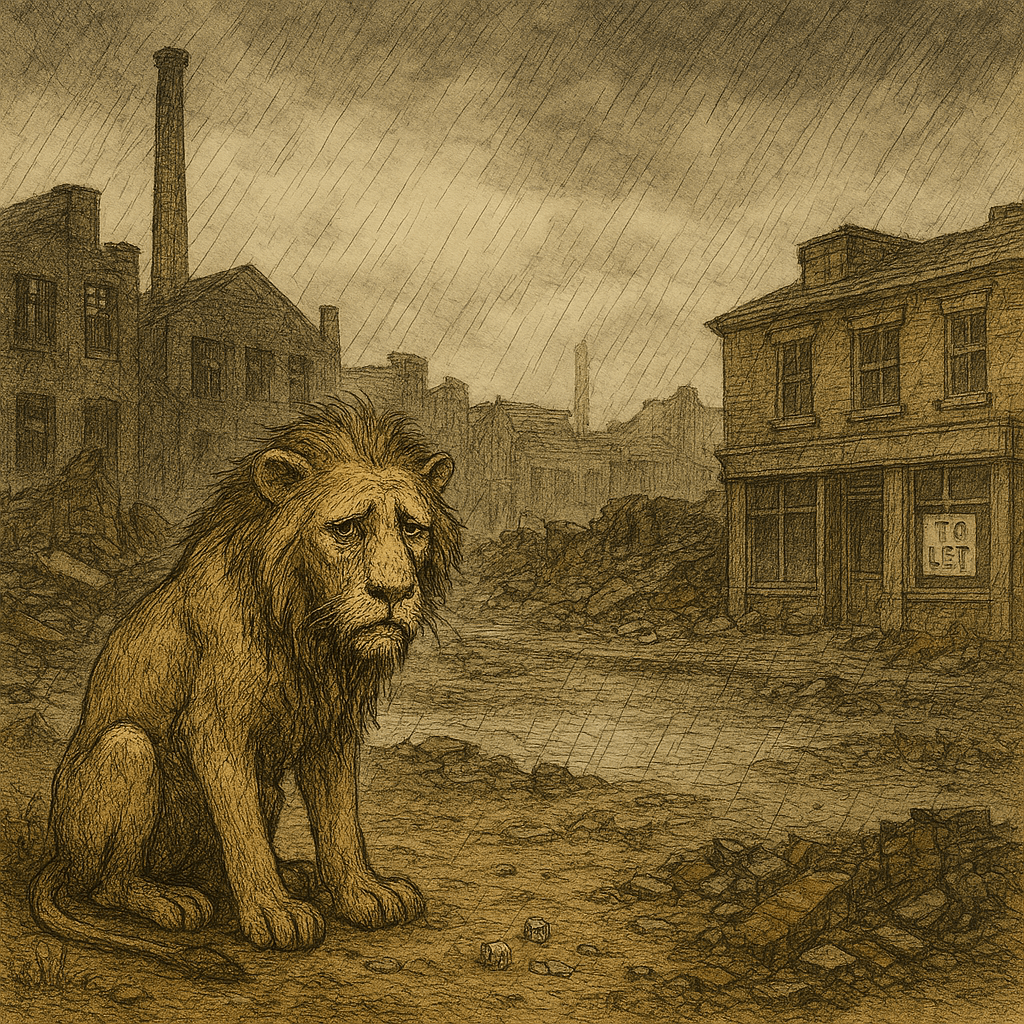


Brexit could have worked. Read those words slowly, from an honest Remainer. Because as some of us always knew, there were pragmatic arguments from the other side, which we feared greatly, because they were exceedingly strong. So how is that most successful political project in recent British History now seems to have fallen so flat? Why, ten years on, do the memories of Brexit feel far from triumphant? We repeat, so that no one gets us wrong: Brexit could have worked. And this is why we think it didn’t.
The overarching problem was that the Leave coalition was built from two groups who wanted entirely different futures. Both were impeccably Right Wing. Both were possessed a vision of a future that could well have worked. But both pressed the same “Brexit “ button for opposite reasons. Because they belonged to two quite different right-wing tribes. One tribe, The Free‑marketeers dreamed of a Britain unshackled from Brussels, a nimble “Singapore‑on‑Thames”: low taxes, light regulation, capital flowing freely, goods moving frictionlessly, and a labour market kept competitive by high mobility. Their model required openness — to investment, to trade, and, crucially, to people. What can be more red tape than Immigration controls? But it might have been very, very prosperous.
The other half of the coalition wanted the exact reverse. The Nationalists imagined their Brexit as a chance to pull up the drawbridge: to instigate tighter immigration rules, more insulation from global competition, to achieve a more interventionist state protecting industries and communities. Some were driven by economic insecurity, some by cultural anxiety, and yes — some by outright hostility to outsiders, seeing Brexit as a way to begin a purge of “foreigners” from public life. Their model required barriers, buffers, and a powerful State willing to police identity as much as borders. It was a vision of national retreat, not global acceleration. But it might have been very, very stable.
These two projects could not coexist beyond Brexit day. You cannot believe in the free movement of capital and goods while fleeing, like a child at bathtime, from the free movement of labour. Markets do not work that way. Block labour and capital simply moves instead; block people and goods compensate; block both and you get the stagnation we now inhabit. Brexit tried to fuse two rights — the right to globalise and the right to barricade — and produced a wrong. A decade later, the contradiction still sits at the heart of British politics, unresolved and unresolvable, because the country cannot be both fortress and freeport at the same time. Deep, deep down, the question is not about Europe, nor taxes nor even immigration rules: all are details It is What do you want to be going forwards?
‘I feel entirely vindicated’: three Guardian columnists debate Brexit and its legacy | Aditya Chakrabortty, Polly Toynbee and Simon Jenkins | The GuardianThe Economic Impact of Brexit | NBER
#brexit #united kingdom #european union #economics #history #nationalism #free markets


