

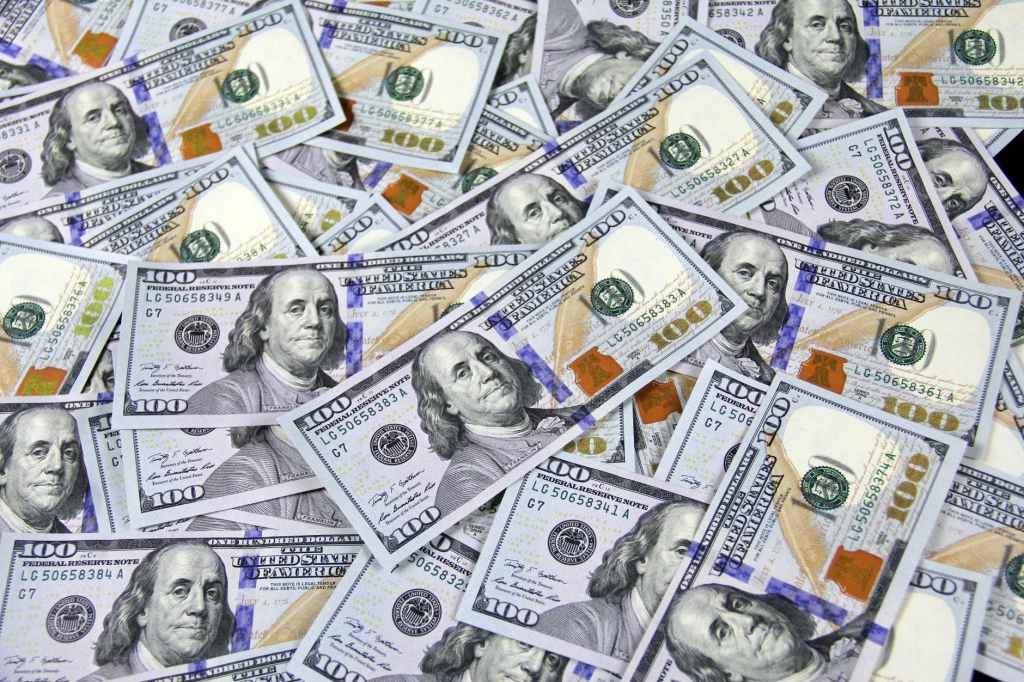
Many decades ago, we often used to hear the argument “if all the money in the country were shared out, everyone would only get 20p” A tiny sum, which could not make any difference to daily life. This was the UK in 1973, Perhaps it was true then, there. Is it true of the world as a whole today?
The statement itself is a cognitive howler: because it equates wealth with money, carefully avoiding the inclusion of all the goods, capital infrastructure(IT systems, railways, etc.) and productive resources such as factories that make up the wealth of the world, which is best expressed as GDP. When we set out to find what that was, the best estimate was from the World Bank,[1] who put it at $105 trillion in 2023. Now, the population of the world is around 8 billion (8×10⁹) people. What would happen if we found a way to share that GDP among all of them? The answer is: everyone ends up with an an income of $13 125 a year. Which surprised us greatly. Instead of being insignificant, its actually quite a lot. Let us explain why.
That same world bank defines four categories of national income by GDP. Low: $1 135 or less. Lower Middle: $1 136-$4 465. Upper Middle: $4 466- $13 845. High: $13 846 and anything above. There is enough wealth in the world to raise everyone almost to the level of high income countries, certainly to the very top of the middle range.
Now there may be very good reasons why this cannot be done. Some are practical. Some are moral. But if it were done, what difference might it make to such issues as mass migration, educational attainment, and the overall level of demand in the world economy? Let alone health, security and basic nutrition. Just a thought.
[1]https://ourworldindata.org/grapher/gdp-worldbank
#wealth #GDP per capita #economics #inequality #migration #health #geography #economics

 Learning, Science and Society