
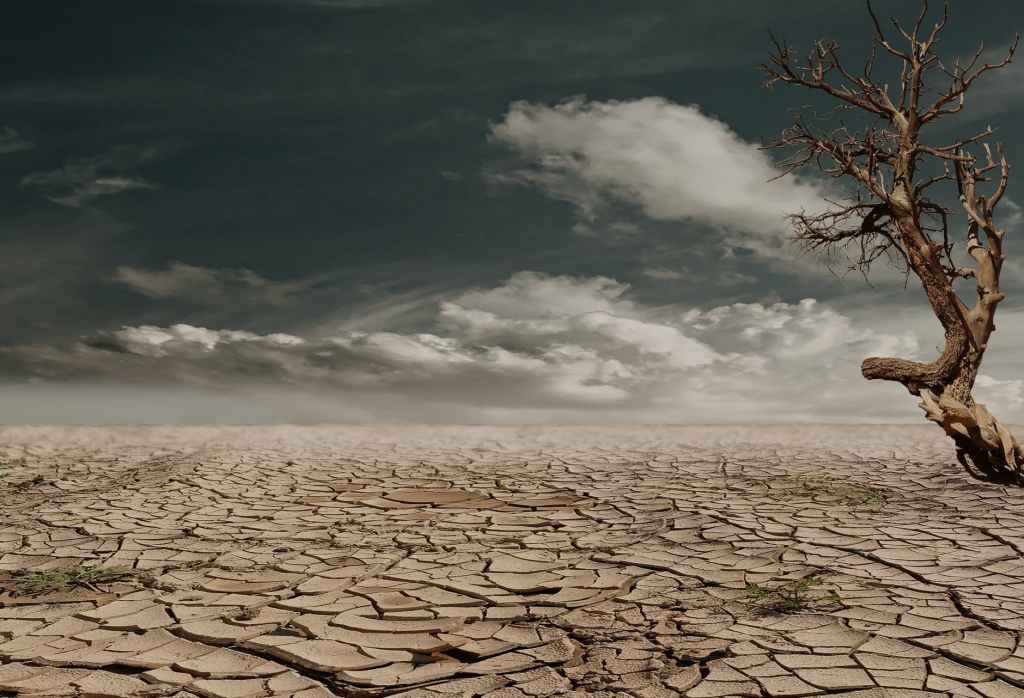

Our showcase today, (in three languages, folks!),is two stories on the soi disant Super El Niño which is now forming in the Pacific, and which threatens to wreak havoc on the entire planet. One from the Guardian, [1]the other from Nature Briefing,[2] they’re basically factual accounts, very well written of course, and we have linked them below, But what we really wanted to ask was: what has all this got to do with global warming? We don’t know about you, gentle readers: but every so often we still come across the sort of person who attributed last summer’s infernal heat to El Niño: as if that somehow gave them an excuse not to face the facts about climate change. (the fact that some of these sceptics are also enthusiastic smokers may, or may not, be pertinent) So in order to fulfil our mission to inform and enlighten we attempted a little fact checking. And we came up with two of them: quite enough for one day’s assimilation by anyone’s standards.
1 El Niño is a natural phenomenon, as this link to Wikipedia makes clear[3]
2 But human induced climate change is having a profound effect upon its behaviour, as this 2021 review from Nature Reviews Earth & Environment makes equally clear.[4] As global temperatures rise, the Pacific Ocean holds more heat, which means each El Niño event starts from a warmer baseline and therefore pushes global temperatures higher than it used to. Recent research shows that warming oceans are amplifying the intensity and global impact of strong El Niños, helping drive record‑breaking heat years.
Medical doctors warn of the consequences of smoking tobacco. People who ignore the warnings or deny their admonitions will face certain consequences. Climate scientists, meteorologists and others are like doctors to the whole planet. We may now see the consequences of ignoring them for far too long.
[1]Here’s Bill McGuire for the Guardian The incoming ‘super’ El Niño will create chaos around the world – and we are far from ready for it | Bill McGuire | The Guardian
[2]And here’s Nature Briefing How this year’s El Niño will be different
This year’s El Niño weather event is forecast to reach unprecedented strength. It’s also the first strong El Niño to form in the eastern (rather than central) Pacific since the late 1990s, when the Earth was cooler. These facts, combined with the climate crisis, make El Niño’s effects hard to predict, experts say. So far, the impacts resemble those of previous strong events, and are far-reaching:Drought conditions in Central America have slowed shipping traffic on the Panama Canal.The anchovy harvest at a fishery off the coast of Peru, one of the most productive in the world, was cancelled early as fish fled warm waters.Tens of millions of people in parts of southern and East Africa are predicted to experience acute food insecurity because of dry weather combined with high prices for fuel and fertilizer.Nature | 7 min read
Read more: The United Nations cultural organization UNESCO has released an online tool for heritage professionals and policymakers to prepare for the impact of El Niño on cultural sites.
[3]https://en.wikipedia.org/wiki/El_Niño–Southern_Oscillation
[4] [4] Nature Revie#PAws Earth & Environment (2021) — “Changing El Niño–Southern Oscillation in a warming climate”
# El Niño #Pacific ocean #southern ocean #climate #meteorology #global warming #geography #food #flood #drought #hurricane


