Will Global Warming be the final blow for the High Street?

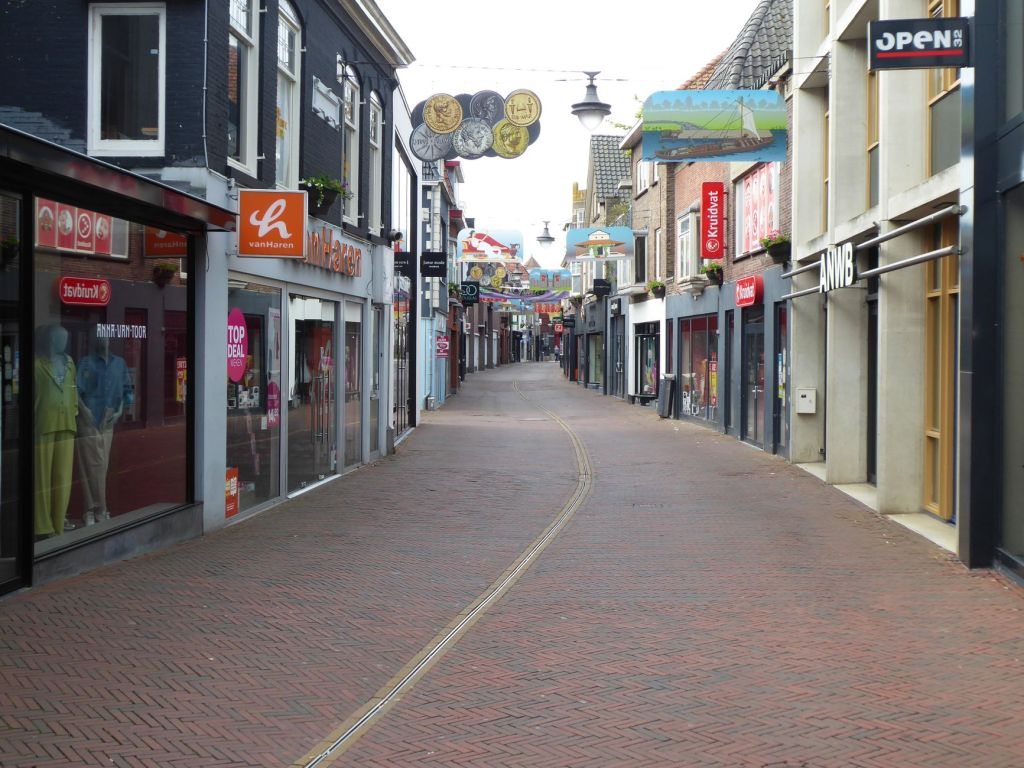
At LSS we bring our readers an eclectic range of stories: medical research, energy technologies, geopolitics, cocktails… all human life is here, you might say. Yet one subject dear to our heart has been a little neglected, even though we first covered it six years ago (LSS 6/4/20): the good old British High Street — those lines and streets of shops, cafés, community buildings, pubs and whatever else that once made us feel we belonged, had place, and time, and even, dare we say it?-a little agency. It’s had a battering lately: rising rents, falling business confidence since 2016, and of course online shopping, which has taken such a juicy slice of the retail spending pie. No wonder everyone complains about empty shops and “hollowed‑out High Streets”. No wonder so many political parties make hopeful promises to restore the old place to its 1960s glory.

So all the old place needed was a fresh blow — the latest British Retail Consortium figures for July, which showed a 3.4% fall in visitors to British shops in June. In fact the headline number masks a worse result for High Streets, with footfall down 6.2%, while retail parks and shopping centres got off more lightly (0.3% and 2.5% respectively). And the reason? The weather: the heatwave, which was England’s hottest on record and the UK’s second hottest. A grim explanation which nevertheless seems widely accepted.

Which made us wonder: what other parts of the economy are already starting to suffer losses due to climate change? A quick survey allowed our Research Department to suggest that winter sports, coastal leisure, outdoor festivals, gardening and horticulture, recreational fishing and boating, heritage tourism, wine production, and amateur community sport are all showing measurable economic losses as climate change disrupts seasons, damages landscapes, raises insurance costs, and forces cancellations across activities people once assumed were stable, perennial — and rather fun.

How ironic, then, that some parties who call most loudly for the restoration of the traditional High Street are also those demanding the reversal of policies designed to mitigate climate change! They argue that the projected costs of adaptation are too high to bear. But the actual costs are already very real — and rising. However, you have a remedy, gentle reader. The next time someone moans to you about the state of the High Street, you may agree that the Government must take action. Starting with policies to slow and reverse global warming.

[1] UK shopping trips fall in June as heatwave takes toll, BRC says

[2] Impact of climate change on global economy: A comprehensive review – ScienceDirect

#economics #climate change #global warming #high street #retail #shopping

Has Global Warming happened to you yet?

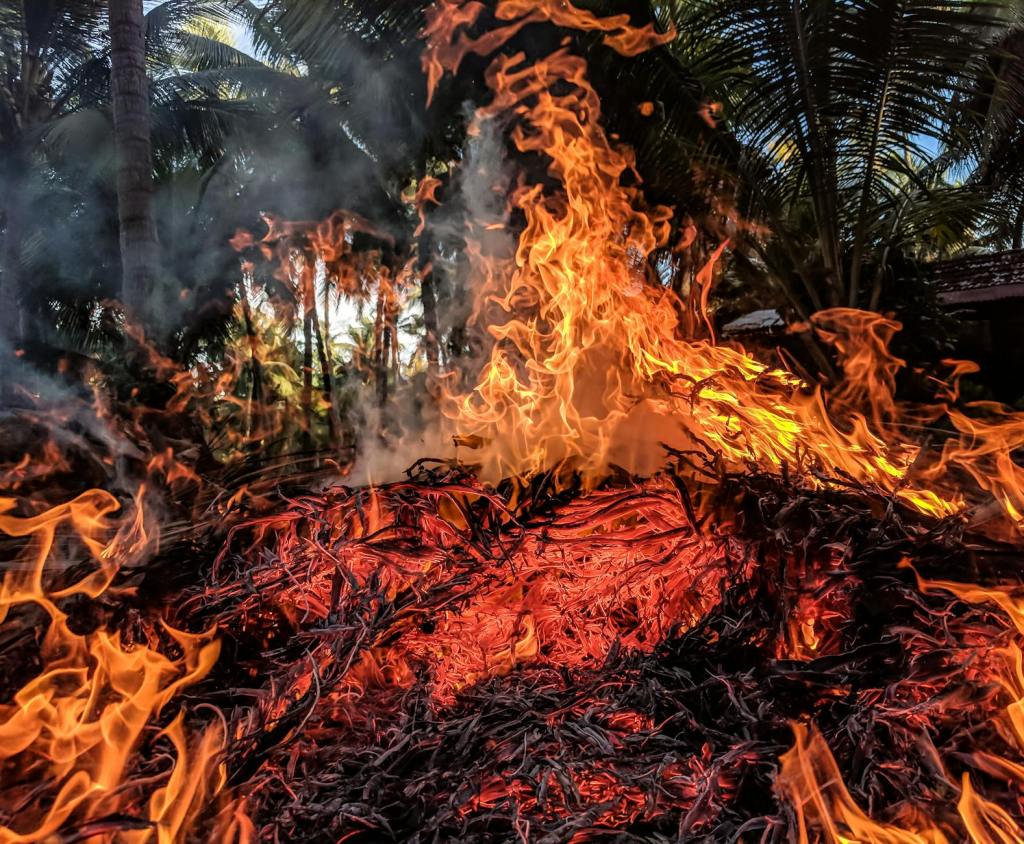
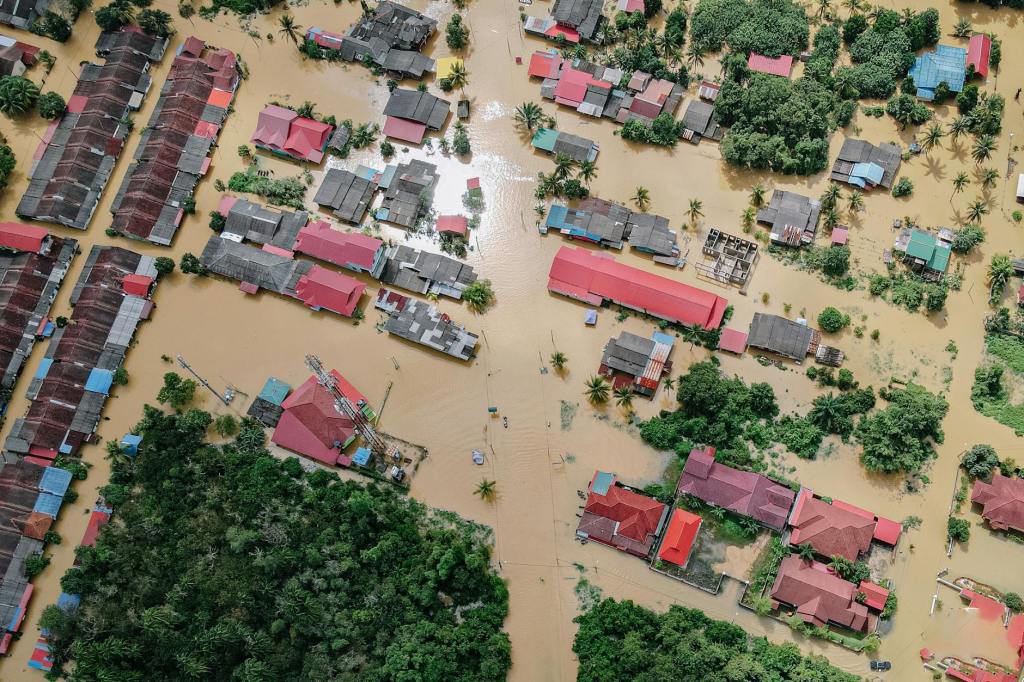
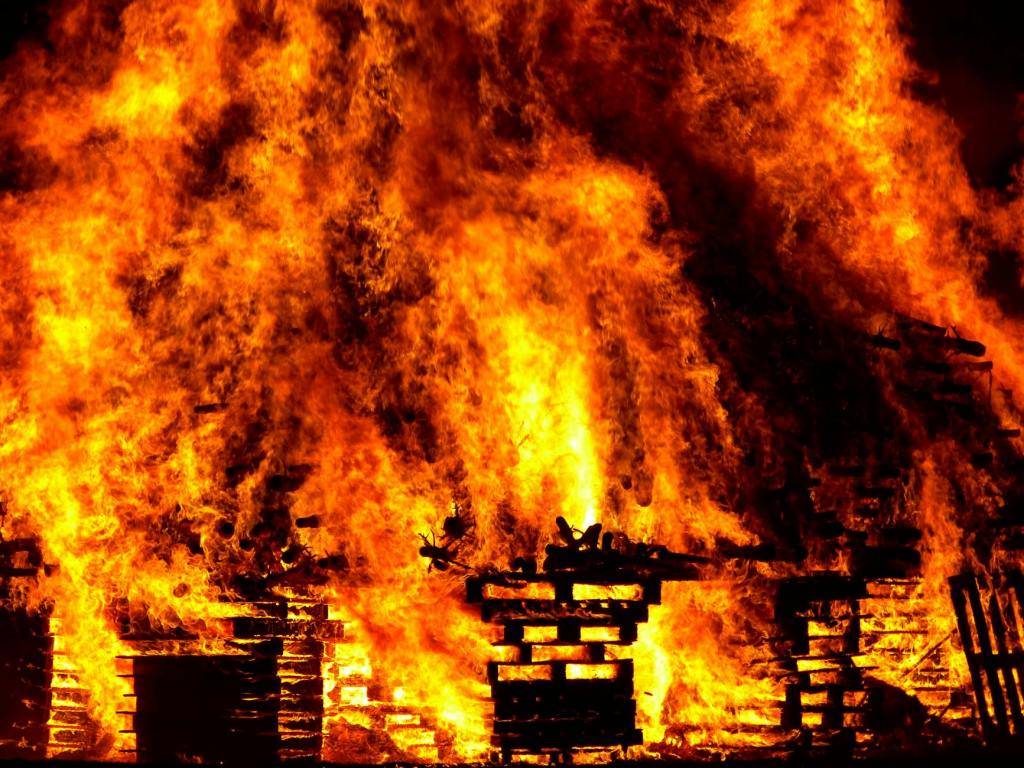
Everyone can choose how they learn about global warming. For some it is to read the science  by consulting sites such as the Royal Society[1] , NOAA,[2]  the Met Office [3] and other adults in the room. The second is to wait until it happens to you. Increasingly, people are choosing the second option because the climate is now delivering personal tutorials: a fire that shouldn’t have burned, a flood that shouldn’t have reached that high, a heatwave that shouldn’t have been possible at this latitude. We’ve got three examples for you today, which we present with due apologies and sympathy to the victims( it really isn’t their fault).

 A. The 2022 UK 40°C heatwave

Most people who lived in Southern England that year can share memories like driving around the M25 through clouds of smoke from the burning heaths of Surrey, or seeing our beloved green South Downs turn the colour of chamois leather. Attribution studies conclude climate change made it at least 10 times more likely.[4]

 B. The 2021 Pacific Northwest heatwave

You’d think the cool, rainy Pacific Coast would be the last place to expect a catastrophic climate change event. But this one was described by scientists as “virtually impossible” without global warming. [5]

C. The 2023–24 Canadian wildfires

The largest in Canadian history; attribution work shows climate change made the conditions significantly more likely and more severe.[6]

We could go on- but at  this point there pops up  the usual man from the Dog and Duck who yells “these are only (expletive deleted) probabilities! Just models! No one has PROVED these were caused by climate change!” To which we reply:

If you refuse to act until science gives you 100% certainty, you’ll never act on anything. Climate attribution uses the same probability standards we rely on for medicine, insurance, and engineering — the ones we trust every day without complaint. When scientists say “an event was made ten times more likely by climate change”, that’s not vague. That’s the same level of evidence we use to approve drugs, design bridges, and set insurance premiums. If you accept probability‑based evidence when it keeps planes in the sky and hospitals running, but reject it only when it concerns climate change, that’s not a scientific position — it’s a political one. It’s also disingenuous.  But above all, it is very short term.

[1] Evidence & Causes of Climate Change | Royal Society

[2] Climate Change | NOAA Climate.gov

[3] Climate – Met Office

[4] UK heat scientific report

[5]Philip et al. (2022), “Rapid attribution analysis of the extraordinary heat wave on the Pacific coast of the US and Canada in June 2021.” Earth System Dynamics, 13, 1689–1713.

#global warming #climate change #fossil fuels #fires #floods #droughts

Collapse in AMOC equals havoc

In theory, you can rebuild after a war. But if the Atlantic currents collapse there will be no rebuilding. Because the change will be irreversible, and anyway there will be no economy left to rebuild with. That’s now a real possibility according to this story from Damian Carrington of the Guardian.[1] [2]  We start with something called the AMOC or Atlantic Meridional Overturning Circulation for short.

The world of oceanography and currents can all seem a bit remote from everyday life. But to plunge in briefly: Global warming  has been adding colossal amounts of fresh meltwater—especially from Greenland—into the North Atlantic. This reduces salinity and density, in turn preventing surface water from sinking, which is the key engine of the AMOC. As sinking slows, the whole circulation weakens and it will eventually tip into a collapsed state. The question is when and what are the chances? According to Damien:

they found an estimated slowdown of 42% to 58% in 2100, a level almost certain to end in collapse.

And what will that collapse look like? After the initial shock, a permanent series of frozen winters in western Europe. There will be catastrophic ruptures  in food chains as fields ice over, fish stocks migrate and transport is disrupted. Societies will face massive dislocation as people migrate from flooded coastal regions and river valleys. In turn producing massive conflicts on higher ground, as refugees discover that they are suddenly immigrants in what used to be “their” country.

Leaving you, gentle readers, with a choice on the balance of probabilities. You can rely on the findings of scientists [3] who have studied this issue assiduously for more than three decades and whose work is publicly available for anyone to examine. Or you can rely on opinions expressed in online comment sections. Everyone is entitled to an opinion. The real question is which source of information a reasonable and informed person would choose to act upon.

[1] Critical Atlantic current significantly more likely to collapse than thought | Oceans | The Guardian

[2] Atlantic meridional overturning circulation – Wikipedia

[3] Observational constraints project a ~50% AMOC weakening by the end of this century | Science Advances

Global warming #climate change #atlantic ocean #amoc #flood #ice age #ecological collapse

Eleven Hottest Years: While the world argues, the planet sets another relentless record

We once asked someone who is far more intelligent than we are: “what is the secret of intelligence-what do intelligent people really do?” And he replied, “they pick out what is really important from what is merely important,” And in that spirit we urge you gentle readers to approach this story from Nature Briefing with due attention. Put it, as t’were in context with the doings of Mr Trump , the England cricket team and the various rescued felines who will flicker across your screen this morning. All important, no doubt. Yet this is the story which will affect you, your children and their childrens’ children for decades to come. Or maybe not: for it has the potential to ensure that such generations do not exist They’ve  called it We’ve just had the hottest 11 years on record

The years from 2015–2025 have been the hottest stretch on record, according to a report by the World Meteorological Organization. For the first time, the report includes a measure called Earth’s energy imbalance — the difference between incoming energy from the Sun and the amount radiated back into space — which is at its highest level since observations started in 1960. And in 2024, the latest year that global figures are available, atmospheric CO2 reached its highest concentration in two million years. “In this age of war, climate stress is also exposing another truth: our addiction to fossil fuels is destabilizing both the climate and global security,” said United Nations Secretary-General António Guterres in a statement.

Nature | 5 min read
Reference: State of the Global Climate 2025 report

There are many sorrowful things in here gentle readers, but we advise you to read them for yourselves. What actually scares us is this. Humans seem really good at identifying a perceived threat from other groups of humans. And reacting to it with hysterical fear and anger. They seem less good at perceiving and contending with long term insidious but ineluctable threats that threaten them all with extinction. Is this an actual cognitive defect of the human mind? In which case what chances will Natural Selection offer us in the next few decades?

#climate change #global warming #fossil fuels #oil #middle east #pollution #human extinction

Did Christopher Columbus start an Ice Age?

We know that rising levels of carbon dioxide are driving climate change. We know the mechanism, we know the statistics, and people all across the world are feeling the consequences in floods, fires, crop failures and migrations. But has CO2 changed the climate before? More pertinently has human meddling with this potent greenhouse gas already unleashed a disaster or so? To our astonishment, some people think it has  Stand by for an amazing idea we got from the BBC podcast  In Our Time [1] of which more below.

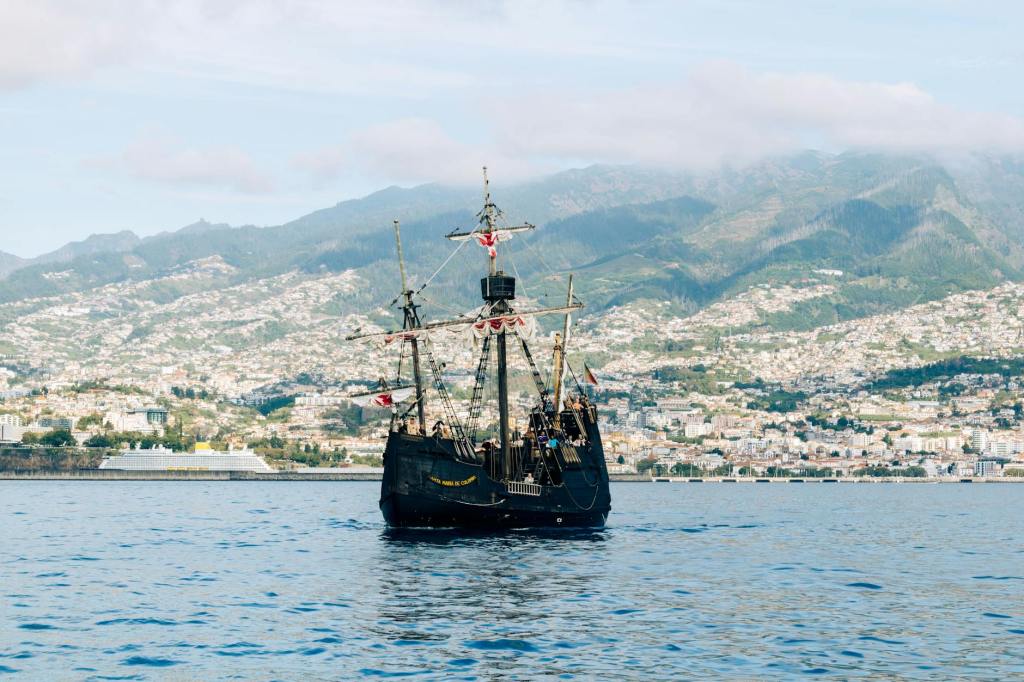
When Columbus sailed to the Americas in 1492 it was not to an empty, underpopulated hemisphere. Both American continents contained thriving populations of agriculturalists. Now, 1492 was indeed the start of huge exchanges of many things-foods, cultures, languages-between Old World and New. But among the earliest and most significant were European diseases like smallpox and measles to which the American populations had no resistance whatsoever. The result was a catastrophic mortality which carried off between 80 and 90% of them.[2] The abandoned farms and croplands quickly reverted to nature. Meaning a sudden massive capture of carbon dioxide which began to cool the planet quickly, leading to the famous Little Ice Age which reached its coldest in the  early Seventeenth Century.

And the evidence ? The Little Ice Age is an incontrovertible fact. [3] Ice core samples and climate records indicate the early 17th century as suffering some of the coldest decades in recorded history. But correlation is not cause, as we always say at this blog. Overall, it looks as if the trend towards the dip had started centuries before, and the recovery was still going on centuries afterwards. The cooling may well have been regional rather than global and there is strong evidence to suggest that other factors such as volcanoes and solar cycles may have played their part.  However, that CO2 is indeed such a potent greenhouse gas makes its role as a contributor to the Little Ice Age all too  plausible. And that is what worries us about levels of the stuff shooting up so dramatically in our own times. Although not proven to the levels of certainty like tigers bite and smoking gives you cancer, we think there is enough here for further research, both by scientists and by you, gentle reader. And now on to our thanks.

Because In Our Time,now presented by the urbane Misha Glenny, is one of the greatest cornucopias of intellectual treasure you will find. gentle readers. By spending an hour in its company once a week you will discover the most eclectic range of fine subjects -Science, History, Art, literature, what have you, all presented by leading experts at Tertiary education level or above(see LSS 9 6 22) In an age where so much media chases sensation over substance, its very existence is a reminder that rationality and intelligence still have a place. And we know we have that on the Highest Authority: read this if you don’t believe us:

Happy is the man that findeth wisdom, and the man that getteth understanding. For the merchandise of it is better than the merchandise of silver. And the gain thereof than fine gold. She is more precious than rubies and all the things thou canst desire are not to be compared unto her

Proverbs 3 12-15

[1] BBC Radio 4 – In Our Time, The Columbian Exchange

[2] Columbian exchange – Wikipedia

[3] Reconciling ice core CO2 and land-use change following New World-Old World contact

#global warming #pandemic #columbus #in out Time #little ice age

Forget the Middle East:Here’s the real crisis to watch out for

With the current tensions in the Middle East flooding the channels, you could be forgiven for thinking that benighted region is the only part of the planet that counts. It isn’t. It soon won’t count for much at all. And once again we are indebted to that most erudite of writers, George Monbiot of the Guardian[1] for telling us why. George has got hold of a report called the UK National Security Assessment, written by some of the sharpest minds in the country- MI5, GCHQ, that lot. And when we say they’re bright, trust us -they are. We won’t deprive you of the pleasure of reading all of George’s article. But the essence is simple: rapidly accelerating climate change is completely upending the normal relationships between nations, and taking us all to a dark and dangerous place

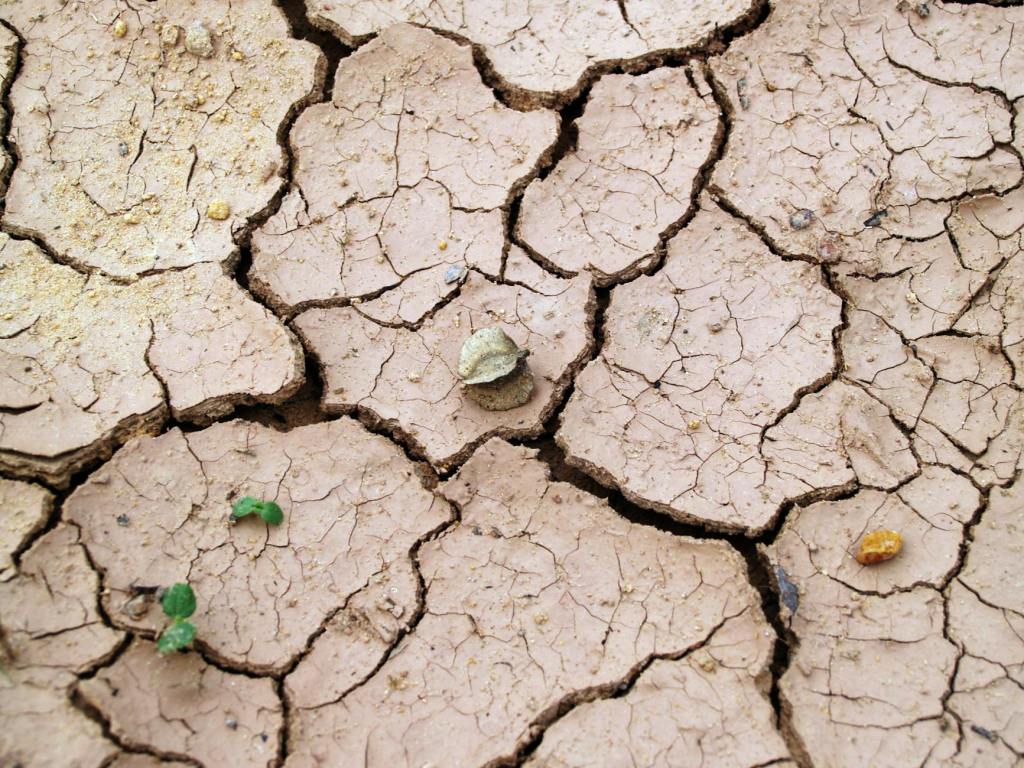
Let’s take one example. The glaciers of the mighty Himalaya-Karakoram system supply the water to some of the largest and most economically important rivers in the world. Among them are the Yangtse, the Mekong, the Brahmaputra and Ganges. All in all, they are the lifeblood of about 2 billion people in some of the world’s most progressive economic areas. And now those glaciers are melting-fast.[2] Leading to both short term floods and long term water shortages. At the moment this region is divided among three major powers_ Pakistan, India and China. All are nuclear-armed. All, being nations will attempt to defend their own local interest and local potentials, for that is what nations do. Each will reach for the water it must have to survive. And sooner or later these interests will clash. Mightily.

Now there will be a temptation among some of our readers, particularly those who hang out in the Dog and Duck, to say “let them get on with it- we can just sit it out” (That is a very polite way of conveying what they will say). But you can’t, gentle readers. As you may have noticed from your History, world wars are like beach parties, they tend to draw everyone in. Powers like Russia the USA and the EU will be forced to choose sides if only to protect their supply chains. Add to that the effects on migration numbers from all those refugees, world prices, supply chains and collapsing currencies and you have a mess to make the financial crash of 2008 look like, like-well one of those beach parties we alluded to above, really. Here then at last will come the consequences of doing nothing serious or substantail about global warming. And it will be well deserved by us all.

[1]https://www.theguardian.com/commentisfree/2026/jan/27/uk-government-report-ecosystem-collapse-foi-national-security?CMP=Share_iOSApp_Other

[2]https://iccinet.org/landmark-report-himalayan-glaciers-disappearing-two-thirds-faster-than-before/

#global warming #himalaya #glacier #ganges #flood #yangtse #drought #China #India #Pakistan #world war three

My Home is damaged: time to sue Big Oil?

It’s a question a lot of people are asking as the world is increasingly lashed by the  storms, floods and wild fires unleashed by global warming. And when you realise that the world’s fossil‑fuel giants collectively command over six trillion dollars a year — more economic power than most nations on Earth-it’s a tempting pot of money to aim at. What would you do with even one of those trillions? So we asked our Legal People:  Can an individual sue  a fossil fuel company to pay for flood/fire/storm damage, or the rising insurance premiums, that go with all those things?

The chances of getting anywhere on your own are slim.  Firstly, you must show that any damage  has been made worse by global warming (there will always be a background level of storms and things). Secondly, that a specific company’s emissions and /or “misinformation” caused that extra damage. And above all that the company chosen has a “duty of care” anyway. Quite a big ask when you think how much legal brainpower that $6 trillion is going to buy against you.

However, joining in with group actions increases your chances of getting something back. [1] . In the USA there are now 86 lawsuits against fossil fuel companies, including the very biggest. This class alleges that these companies “knew about the dangers of global warming and did nothing”. Even worse, it is alleged, they “actively misled” about those dangers. These suits will be fiercely contested; and the Jury will decide, as they say.[2]  But there is a juicy  second front opening. Home owners in Washington State are suing oil companies for climate‑driven increases in insurance costs. which they allege “are driven by global warming.”[3] As such costs may well be set to rise astronomically for all of us,  their battle is indeed a noble one.  

In the meantime there at least two things you can do.  Work with climate litigation NGOs Groups like ClientEarth, Global Legal Action Network,[4] and the Climate Litigation Network are actively exploring new legal strategies. Document your damages If future cases open the door to compensation, having detailed records of storm impacts and repair costs will matter. Courts are increasingly willing to treat climate damage as a foreseeable, preventable harm caused in part by corporate deception. That shift is what makes future individual claims more plausible. There’s little doubt at fossil fuel companies represent a big barrel of money. Could some of it one day belong to you? 

[1] https://theconversation.com/more-than-two-dozen-cities-and-states-are-suing-big-oil-over-climate-change-they-just-got-a-boost-from-the-us-supreme-court-2050

[2] Big Oil in Court – The latest trends in climate litigation against fossil fuel companies – Zero Carbon Analytics

[3]Homeowners Sue Oil Companies as Climate Damage Drives up Insurance Rates – Environmental Magazine

[4] GLAN – Global Legal Action Network

#global warming #climate change #fossil fuels #legal action #money #insurance

Hottest years make chilling reading. Here’s how you can still do something about Climate Change

The facts-objective, verified and indisputable- are chilling. The last three years of this decade have been the hottest on record. Vast areas are now being ravaged by wildfires or drowning in immeasurable floods. The latest gloomy news comes from Nature Briefing: a group of people who are as calm, objective and well-informed as any we have come across. :early Temperatures Reach Dangerous Highs, they report:

This year looks likely to tie with 2023 as the second-hottest ever on record. Last year was the hottest. “The three-year average for 2023-2025 is on track to exceed 1.5 ℃ for the first time,” says Samantha Burgess of the European Union’s Copernicus Climate Change Service, referring to the Paris Agreement pledge to limit global warming to 1.5 °C above pre-industrial levels. “These milestones are not abstract — they reflect the accelerating pace of climate change and the only way to mitigate future rising temperatures is to rapidly reduce greenhouse gas emissions.” Euronews | 2 min read

As we were once more digesting these gloomy words in the LSS Boardroom, Selina the tea lady came in with this morning’s refreshments. “Good heavens!” she observed. Well, that was the gist of what she observed. “Are you lot really going to put out another gloomy blog on Climate Change? Give them some hope, for once, why don’t you” Again we paraphrase: suffice to say we understand where her grandchildren derived the terms they used when we tried to stop them from vandalising the cars in the office car park. But she is right: why don’t we tell you that there is something you can do? Take agency and all that. It shall be by supporting or donating to the organisations which we have listed below. We have chosen all of them for their integrity, hard work and track records. But above all for their moderate, pragmatic approach to this problem. We are deeply suspicious of more extreme outfits who in our view only help Big Oil by alienating ordinary people. Here, then is that list. All need money. It is nearly Christmas. We leave you to join the dots between those last statements.

World Wide Fund for Nature | WWF

Greenpeace UK

Home | Carbon180

Friends of the Earth | Home

Rainforest Alliance | Creating a Better World for People and Nature

For professional reasons we will be unable to produce another blog until next week

#global warming #climate change #big oil #pollution #ecology #environment

Here is the weather forecast: there will be a World government, soon

We at LSS might not want a world government: we might be quite happy with the State we’re in. But you can’t avoid the inevitable. And the hard data, the ineluctable facts from the weather forecasters, suggest that this inevitable may come sooner rather than later, But before we draw our conclusions: what are these facts?

If we break 1.50C global warming (and all the evidence suggests we shall) the effects will be dramatic. There will be alternating cycles of fires and floods in many countries, and for the first time the trend of ever rising food production will go into reverse. The loss of land, and the beginning of floods in coastal cities will lead to rapidly increasing migration pressures. Many would say that is already happening. But it’s as nothing compared to smashing the 20C limit. At that point, sea levels will rise by 40cm by the end of this century, displacing hundreds of millions and wrecking the pattern of the world economy. The surviving lands, wracked by floods and droughts, will start to lose their capacity to produce food at all . The resulting migration pressures will make todays numbers look negligible. As for 30C? It’s too scary to give the full details. But its got something to do with complete collapse of the seasons, fires in the tundras, and social unrest brought about by massive flows of refugees.

In such circumstances a World Government would form very quickly. Because it would be the only body capable of addressing the multiple threats at a global level; Which is the only level at which they can be tackled. History shows that sudden changes in ecology (usually plagues or climate changes) produce truly massive, paradigmatic changes in politics and society . The ending of the Roman Climatic Optimum meant the end of the Ancient world. All its customs, norms and beliefs were washed away in a new Medieval Europe. Similarly it was the Black Death that nailed the coffin of Feudalism, and an utterly new capitalist world was born. The nation state has served us well for hundreds of years. But then-so did cathode ray TVs, plastic musical records and steam trains. So-do we cling to what we’ve got? Or replace it it in anticipation, saving everybody time in the long run?

Further reading:

LSS 3 1 25 et al.

Anatole Lieven Climate Change and the Nation State Penguin 2021

Harriet Bulkeley and Peter Newell Governing Climate Change Routledge 2033

John Vogler Climate Change in World Politics Springer 2016

#black death #climate change #global warming #ecological collapse #capitalism #world government #nation state

Could global warming have been avoided?

Historians of the future (assuming there will be any such) will probably point to the 2020s as the decade when the world began its short unhappy slide into climate catastrophe. The Greek forest fires of 2021; the Californian ones of 2023, combined with floods in Pakistan in the same year that drowned fully one third of that country, were proof, attributable proof ,[1] that human induced climate change had started to wreak incontrollable and irreversible destruction to the fabric of planet’s surface. A fabric that human beings needed to be intact if they were to survive. They will also ask how it was possible that a society with the most advanced techniques of science and communication had allowed itself to arrive at such a point.

Starting in the 1960s, the warnings had been coming, like the steady rise if a beating drum. The Keeling curve and the concerns of the LBJ administration were early examples. In the 1970s even the CIA (hardly a bastion of Green Woke Communism) had got in on the Act. Through the 1980s and 1990s there were conferences, resolutions and rising alarm. All action was undermined, subverted and rendered null by the fossil fuel industry and the petrostates. Whose actions bore such a resemblance to the tobacco industry and its efforts to deny the links of their product to lung cancer.[3] Perhaps the last reasonable chance to act in time was the Kyoto summit of 1997. Which, if its recommendations had been implemented in full, might have avoided the enormous costs, both economic and in lives, of what was unstoppable by 2020.

And that future was to be? As the temperature gradients warmed through 20, 2.50 and 30C , rising sea levels and wildly fluctuating weather conditions caused whole societies to collapse. The resulting waves of refugees were halted, temporarily, on the borders of safer lands, Until those fleeing returned with armies and weapons which could never be stopped; and the last bastions of order fell. Like a smoker dying of cancer, or a boozer from liver failure: humanity as a whole could just not kick its habit.

[1]https://www.worldweatherattribution.org/

[2]https://earth.org/data_visualization/the-keeling-curve-explained/

[3]https://www.bbc.co.uk/news/stories-53640382

#global warming #forest fire #climate change #flood #oil industry #fossil fuel #cancer #tobacco industry #greece #california #pakistan