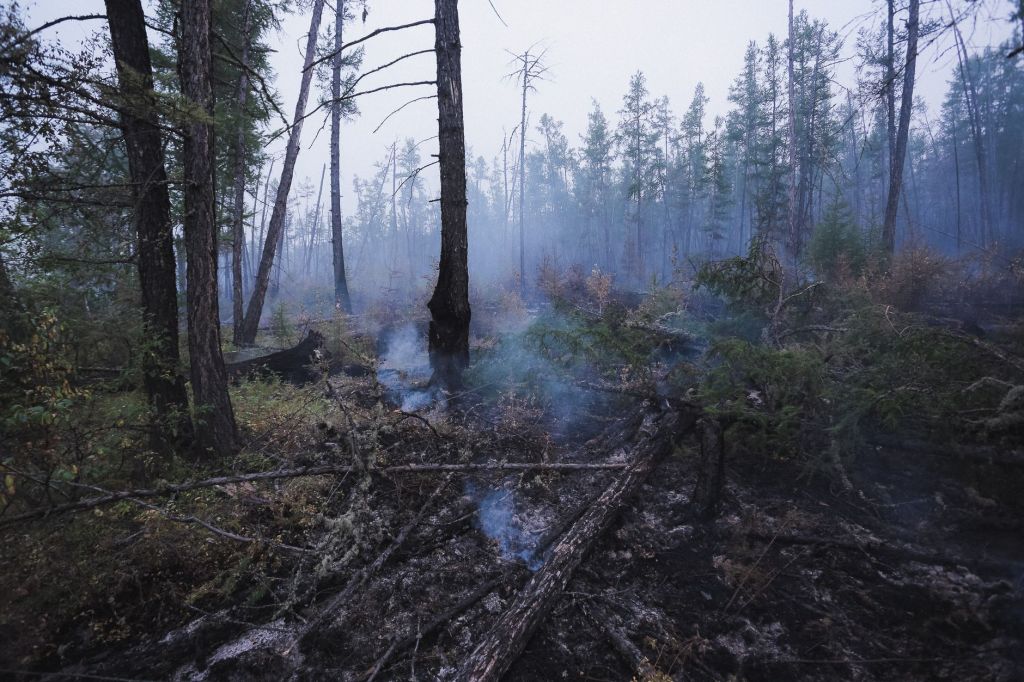
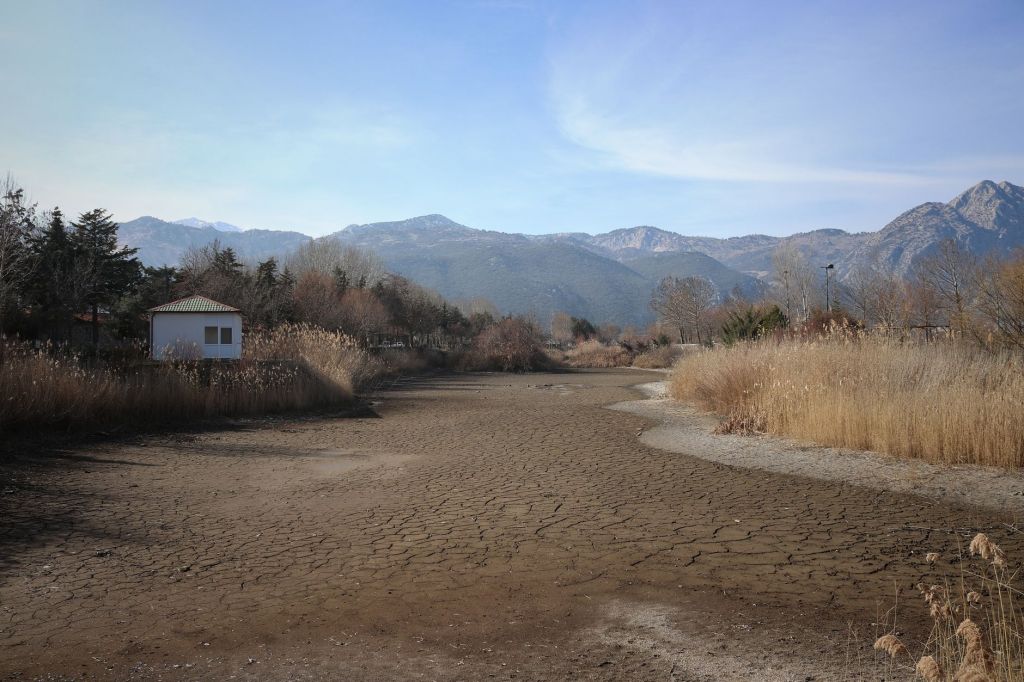
Europe burns: June 2026 was the hottest June ever recorded in western Europe, driving temperatures to the highest levels seen in more than a century. In France, drought, low humidity and repeated heatwaves have turned forests into kindling; wildfires have already burned 35,400 hectares, four times the usual area for this point in the season, while Spain has lost 55,128 hectares, double its average. Across the continent, extreme heat is desiccating lakes, soils and crops at rates made many times more likely by human‑driven warming. Rivers across Europe are running so shallow that cargo ships are restricted, hydropower is curtailed, and Danube and Rhine river‑boat holidays are being cancelled because the Alps did not produce enough snow to melt into summer water levels.
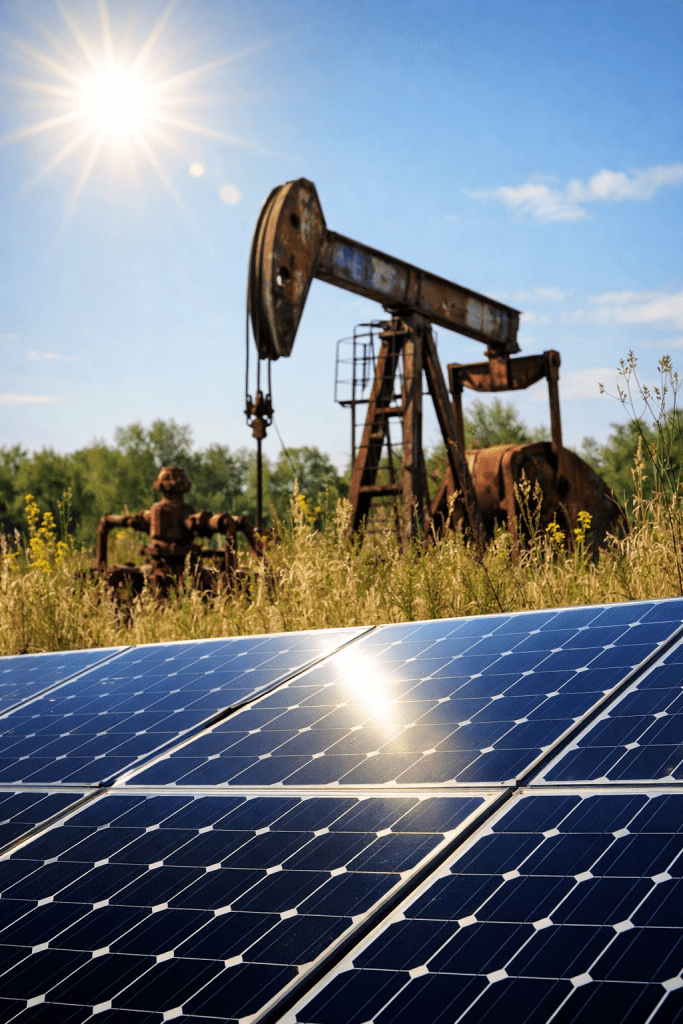
Beyond Europe, the world’s high places are breaking too. In the Himalayas, the 2026 monsoon outlook warns of a dangerous paradox: long droughts punctuated by sudden cloudbursts, raising the risk of flash floods, landslides, and glacial‑lake outbursts across Nepal, Bhutan, India, and Pakistan. North America is enduring its own climate convulsions. The United States — where the cultural refrain “drill, baby, drill!” still echoes in parts of the political landscape — has been hit repeatedly by record‑strength heat domes, driving temperatures past human‑health thresholds and straining power grids from California to the Midwest. Canada, meanwhile, continues to reel from unprecedented wildfire seasons, with boreal forests burning at scales once considered impossible.
As early as the 1990s, researchers warned that rising temperatures and shifting rainfall would intensify fire regimes, especially in regions where drought and heatwaves coincide. By 2001, the IPCC’s landmark report Climate Change 2001: Impacts, Adaptation and Vulnerability [1] had already catalogued the pattern: climate change would alter “disturbance regimes” in forests, increasing the frequency and intensity of fires as ecosystems dried and heat extremes sharpened. It noted that major fire events in the 1990s — from the Amazon to Indonesia — were early signals of a climate‑driven shift, and that future warming would make such events more common and more severe. These were predictions, not scare stories, made by scientists who understood the physics, ran the models, and told us plainly what was coming. Remember: making accurate predictions is one of the signs of good thinking. Yet we also remember the barrels of scorn and opprobrium poured upon them by various well‑oiled journalistic and political machines that helped avert any meaningful action.
And the latest predictions? If we continue on our present path, the IPCC projects that by the 2030s and 2040s vast regions of the world will shift into permanent fire weather, with fire seasons lengthening by one to two months in southern Europe, western North America, and Australia. The World Meteorological Organization expects 1.5°C of warming to be locked in during the 2030s [2], a threshold at which extreme heat becomes annual, drought becomes structural, and forests lose their ability to recover between burns. By the 2040s, climate models show Mediterranean Europe facing megafires every few years, Canada’s boreal forests transitioning into a fire‑dominated ecosystem, and the American West experiencing summers where smoke becomes a chronic public‑health hazard, not an occasional crisis. The Himalayas, meanwhile, are projected to lose up to half their glacial mass, destabilising rivers and increasing the risk of catastrophic glacial‑lake floods. None of this is speculative; it is the median outcome of the world we are building. The scientists have already run the numbers. Will you still let a politician or a journalist tell you these scientists have been wrong all along? [3][4]
[1] Climate Change 2001: Impacts, Adaptation and Vulnerability — IPCC
[2] WMO Global Climate Update; IPCC AR6
[3] Royal Society: Evidence & Causes of Climate Change
[4] IPCC AR6: Impacts, Adaptation and Vulnerability
#Nepal # Bhutan # India #Pakistan#United States #canada #spain #france #climate change #fossil fuel #global warming #alps #snow


