
Will Global Warming be the final blow for the High Street?

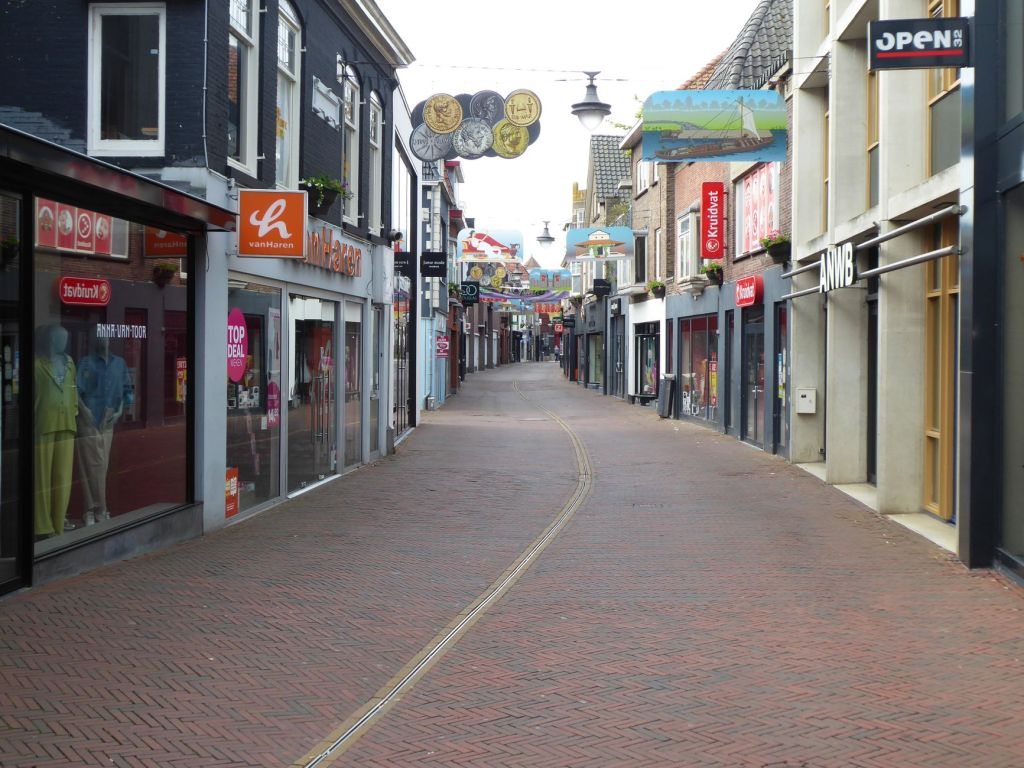
At LSS we bring our readers an eclectic range of stories: medical research, energy technologies, geopolitics, cocktails… all human life is here, you might say. Yet one subject dear to our heart has been a little neglected, even though we first covered it six years ago (LSS 6/4/20): the good old British High Street — those lines and streets of shops, cafés, community buildings, pubs and whatever else that once made us feel we belonged, had place, and time, and even, dare we say it?-a little agency. It’s had a battering lately: rising rents, falling business confidence since 2016, and of course online shopping, which has taken such a juicy slice of the retail spending pie. No wonder everyone complains about empty shops and “hollowed‑out High Streets”. No wonder so many political parties make hopeful promises to restore the old place to its 1960s glory.

So all the old place needed was a fresh blow — the latest British Retail Consortium figures for July, which showed a 3.4% fall in visitors to British shops in June. In fact the headline number masks a worse result for High Streets, with footfall down 6.2%, while retail parks and shopping centres got off more lightly (0.3% and 2.5% respectively). And the reason? The weather: the heatwave, which was England’s hottest on record and the UK’s second hottest. A grim explanation which nevertheless seems widely accepted.

Which made us wonder: what other parts of the economy are already starting to suffer losses due to climate change? A quick survey allowed our Research Department to suggest that winter sports, coastal leisure, outdoor festivals, gardening and horticulture, recreational fishing and boating, heritage tourism, wine production, and amateur community sport are all showing measurable economic losses as climate change disrupts seasons, damages landscapes, raises insurance costs, and forces cancellations across activities people once assumed were stable, perennial — and rather fun.

How ironic, then, that some parties who call most loudly for the restoration of the traditional High Street are also those demanding the reversal of policies designed to mitigate climate change! They argue that the projected costs of adaptation are too high to bear. But the actual costs are already very real — and rising. However, you have a remedy, gentle reader. The next time someone moans to you about the state of the High Street, you may agree that the Government must take action. Starting with policies to slow and reverse global warming.

[1] UK shopping trips fall in June as heatwave takes toll, BRC says

[2] Impact of climate change on global economy: A comprehensive review – ScienceDirect

#economics #climate change #global warming #high street #retail #shopping

Rechargeable liquid battery-one of the best news stories for a long time

One of the great pleasures of writing this blog is the opportunity to riff on really good news stories. Especially when they come from trustworthy and erudite sources like Nature Briefing. Even more when they fit so clearly with our own ideas on how humanity might survive this interminable polycrisis.  Let’s begin with the story,  New Liquid acts like  rechargeable battery which they are basing on Science and Chem (their links below)

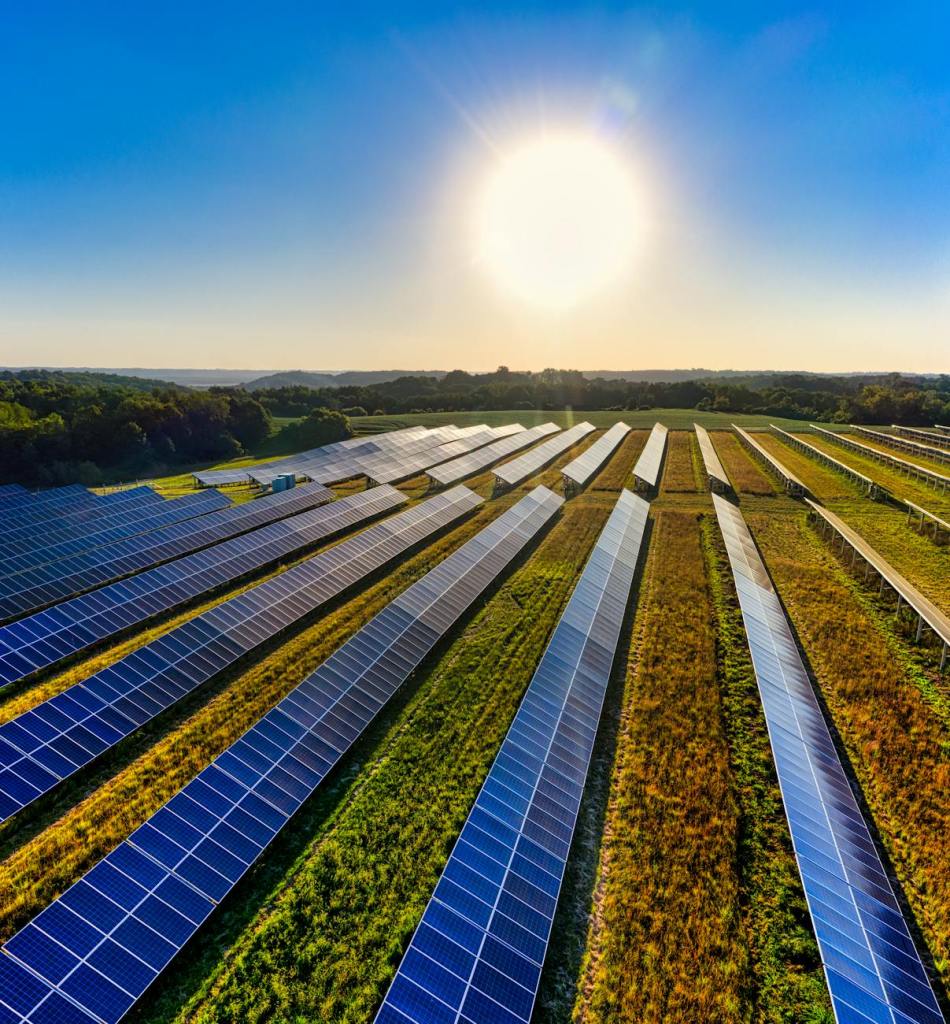
A new type of liquid can harvest and store energy from light to act as a rechargeable power source. The liquid contains a molecule that absorbs electrons from light, which prompts a restructure into a jelly-like substance. This gel remains stable for months at a time and can release the stored electrons upon contact with oxygen to power chemical reactions. The research is still in very early stages, but such a metal-free energy storage system could one day be useful to power small devices such as smartwatches. Science | 4 min read
Reference: Chem paper

And our thoughts? They are both particular and general, gentle readers. In particular; it’s early days yet but if it works, we are looking at a metal free battery replacement. Think of how much dirty, energy intensive mining that could save. No more batteries to throw away. Even the complex panels and wires of modern panels suddenly look a tad passé, don’t they? Putting the new technology firmly on the same road as other new imaginative third-generation systems such as organic solar cells and self-charging polymers. The portfolio of ever more imaginative and ever more ecologically sound generation systems just grows and grows. Which leads us to our general points. Firstly: to preserve such archaic technologies as oil and gas is as mistaken as wanting to go back to typewriters in offices or using huge stone circles such as the one at Stonehenge to tell the time. Any nation that chooses fossil fuels will soon be at a hopeless technological disadvantage.  But secondly: get this from the Science article, because we think it’s a killer point about everything we do here

The new material draws inspiration from the behaviour of the cytoskeleton, the constantly self-assembling and disassembling network of protein filaments within a cell that enables it to move and divide.

Yes, you guessed it, That same oft-repeated truism we’re always trotting out “basic research in one area will produce unexpected dividends elsewhere”  has been proved again. That’s something  our readers all around the world will agree with.

 #energy #technology #sustainability #solar power #batteries carbon emissions #renewables

Has Global Warming happened to you yet?

Everyone can choose how they learn about global warming. For some it is to read the science  by consulting sites such as the Royal Society[1] , NOAA,[2]  the Met Office [3] and other adults in the room. The second is to wait until it happens to you. Increasingly, people are choosing the second option because the climate is now delivering personal tutorials: a fire that shouldn’t have burned, a flood that shouldn’t have reached that high, a heatwave that shouldn’t have been possible at this latitude. We’ve got three examples for you today, which we present with due apologies and sympathy to the victims( it really isn’t their fault).

 A. The 2022 UK 40°C heatwave

Most people who lived in Southern England that year can share memories like driving around the M25 through clouds of smoke from the burning heaths of Surrey, or seeing our beloved green South Downs turn the colour of chamois leather. Attribution studies conclude climate change made it at least 10 times more likely.[4]

 B. The 2021 Pacific Northwest heatwave

You’d think the cool, rainy Pacific Coast would be the last place to expect a catastrophic climate change event. But this one was described by scientists as “virtually impossible” without global warming. [5]

C. The 2023–24 Canadian wildfires

The largest in Canadian history; attribution work shows climate change made the conditions significantly more likely and more severe.[6]

We could go on- but at  this point there pops up  the usual man from the Dog and Duck who yells “these are only (expletive deleted) probabilities! Just models! No one has PROVED these were caused by climate change!” To which we reply:

If you refuse to act until science gives you 100% certainty, you’ll never act on anything. Climate attribution uses the same probability standards we rely on for medicine, insurance, and engineering — the ones we trust every day without complaint. When scientists say “an event was made ten times more likely by climate change”, that’s not vague. That’s the same level of evidence we use to approve drugs, design bridges, and set insurance premiums. If you accept probability‑based evidence when it keeps planes in the sky and hospitals running, but reject it only when it concerns climate change, that’s not a scientific position — it’s a political one. It’s also disingenuous.  But above all, it is very short term.

[1] Evidence & Causes of Climate Change | Royal Society

[2] Climate Change | NOAA Climate.gov

[3] Climate – Met Office

[4] UK heat scientific report

[5]Philip et al. (2022), “Rapid attribution analysis of the extraordinary heat wave on the Pacific coast of the US and Canada in June 2021.” Earth System Dynamics, 13, 1689–1713.

#global warming #climate change #fossil fuels #fires #floods #droughts

Chikungunya: another potential Climate Change epidemic?

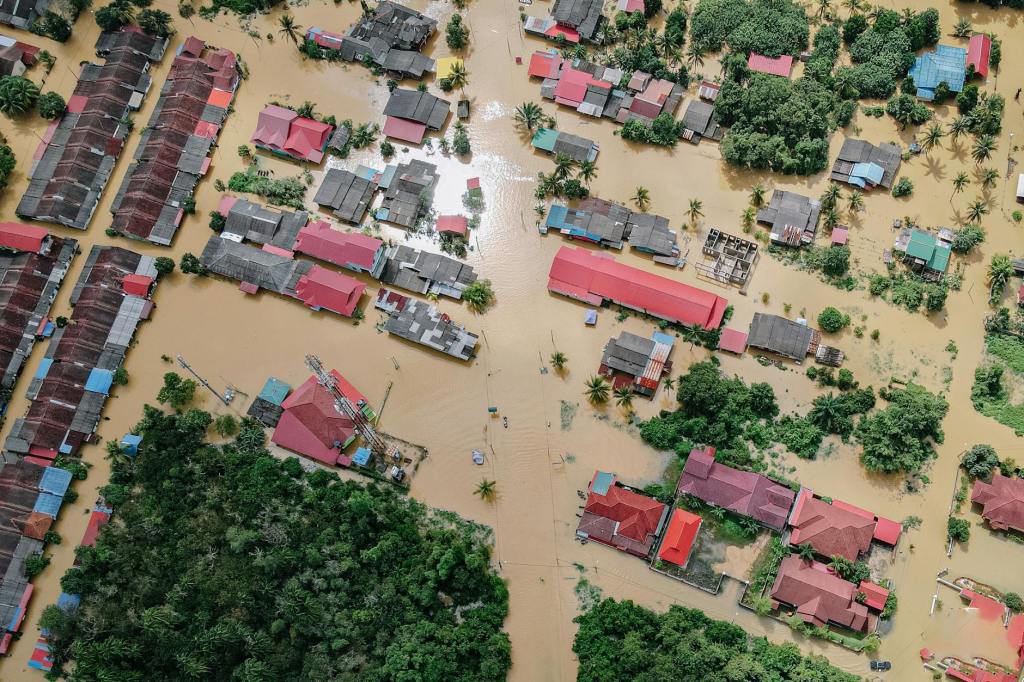
News that we’re in for a record El Niño[1] this year brings a depressing thought is Climate Change going to deliver a whole new wave of tropical diseases alongside all those floods. fires and migrations? We’ve touched on this before (LSS 25 10 21,14 11 23, 2 10 25) but had rather hoped  that it had all gone away. It hasn’t, as this excellent article by Shivali Best of the Mail [2] explains in forensic detail. And it’s her work we’ll be riffing on today, with a little help other sources.[3]

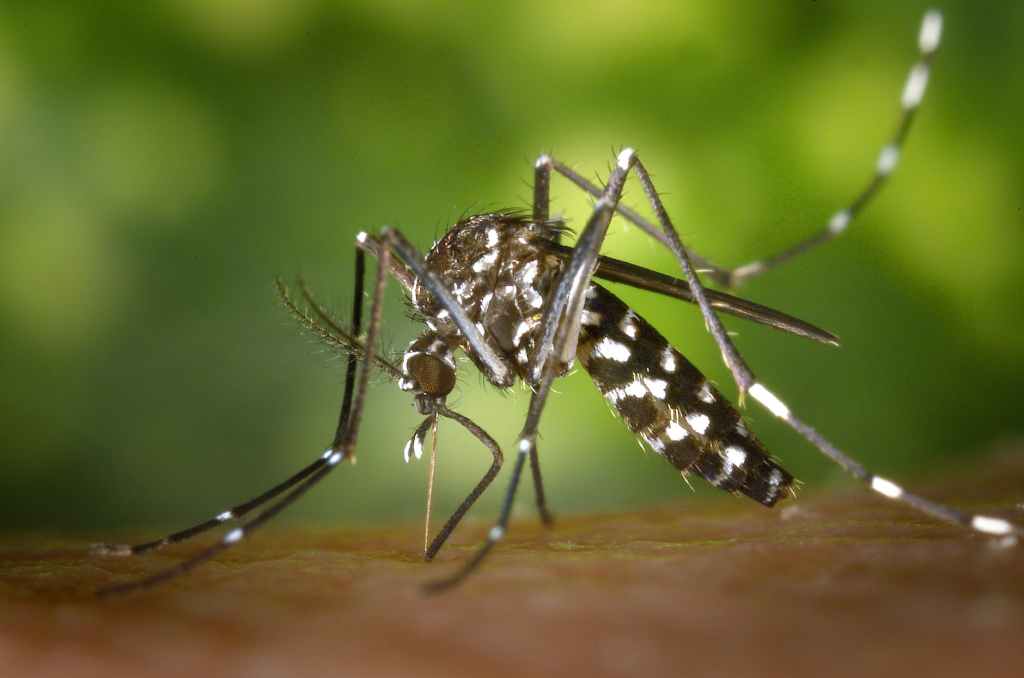
Shivali takes Chikungunya virus as her theme. It’s a nasty little disease caused by an alphavirus of the Togaviridae group.  Discovered in Tanzania in 1952 it delivers a painful cocktail of symptoms including fever and severe joint pains: the latter may be extremely debilitating and long-lasting. But the real problem lies in its vectors, the famous yellow fever mosquito Aedes aegypti and the scarily named tiger mosquito (a. albopictus) Do they call it that because of its bite? Not only does climate change allow these insects to spread to lands where the cold had formerly precluded their presence. The same warming allows the virus to breed up to five times faster inside the mosquito. Before you ask: there are vaccines of sorts underway: but progress has been slowed because most of the money has been spent on wars and shopping malls.

And so Chikungunya joins the long sorry list of diseases spreading due to global warming. To which we could append Malaria, Dengue, Zika, Lyme, Tick Born Encephalitis,  Vibrio group……..enough! LSS readers are a well-informed lot. They know what’s happening. They know why. The real task before us all is how to clear up the damage, and make those culpable pay for it

[1]Prepare for El Niño, UN warns – it could be the strongest in decades – BBC News

[2]Chikungunya virus is heading for Europe: Scientists warn mosquito-borne tropical disease could spread to major cities thanks to climate change | Daily Mail

[3]Chikungunya fact sheet

#chikungunya #malaria #climate change #disease #vector #epidemic #health #mosquito

Round Up for Bank Holiday Weekend: Climate Migrants, Migrating whales, Wales’ climate-and more

Stories we liked but never had time to cover this week

Every Immigrant an Emigrant If you’re really serious about migration, tackle the causes, we say. This article from the Conversation makes our point rather well. Economics and ecology: tackle those and you will have solved the problem.

https://theconversation.com/who-moves-away-when-climate-change-hits-the-hidden-household-politics-of-migration-281470?utm_medium=email&utm_campaign=Latest%20from%20The%20Conversa

Wandering whale The immense migrations that some animals make have always impressed us none more so than the journeys of this remarkable humpback whale as chronicled by The Guardian. Incidentally, cetacean fans will be delighted by the forthcoming edition of that remarkable magazine Sussex Local, which carries a tour de force of in-depth reporting on dolphins and other large mammals in the English Channel. Don’t miss it!

Twenty-two years and 15,000km later: fluke discovery sets new record for humpback whale journey | Marine life | The Guardian  wandering whale

Was T Rex fairly armless? Sorry we couldn’t think of a single Marc Bolan gag that we could decently publish  here, so we’ll let you read this article about one of the more famous unsolved puzzles in science.

Why did T. rex have such small arms? Scientists finally SOLVE the mystery – and say the answer may lie in their giant heads | Daily Mail Online

How long can a civilisation last anyway? If you’re one of those types who thinks “I don’t give a monkey’s about climate change, I’ll be dead before it happens” then this article from EL País may give pause for thought.(note-in Spanish)

https://elpais.com/ciencia/2026-05-20/cuanto-tiempo-puede-vivir-una-civilizacion-antes-de-colapsar-las-utopias-estables-son-los-escenarios-menos-probables.

Fortress Britain People in Britain used to sneer at the disasters-climatic, political, economic-which befell less fortunate countries. Not any more, as climate change erodes their complacency in many forms, including biting insects, burning summers and flashing floods. Even in cool green Wales, as this link from the BBC makes clear

‘Negligence’ not to prepare for climate change emergencies in Wales – BBC News

Basically, it’s reckless indulgence in our beastly pleasures that have brought the climate crisis upon us.  Shakespeare had this to say

Thou art so fat-witted with drinking of old sack… that thou hast forgotten to demand that which thou wouldst truly know.” — Henry IV, Part 1 (Act 1, Scene 2)

#climate change #global warming #whales #dolphins #dinosaurs  #economics #sociology

The Crash of 2028-an old blog revisited

It’s our occasional habit here to make serious points in a light-hearted sort of way. So when last summer (LSS 30 6 25) we published a piece called Why the Crash of 2028 was so bad….. , we felt we’d made our peace with certain worrying trends in the insurance market, and duly moved on. Except-we must have hit a raw nerve with some of you, because you keep reading it. So what did that old blog say-and has anything changed to make its predictions more accurate?

It was based on some pretty reliable sources [1] [2] including McKinsey and the Finacial Times. In a nutshell, we argued that continuing destruction due to climate change would make property uninsurable in large areas. That this in turn would cause some insurers to go bankrupt, leading to demands for Government bailouts just as the US Government was running at the fiscal limit. Confidence, we said, would fall quickly. Leading to fire sales in asset prices of all sorts, especially Equities and Bonds.  Above all we predicted that recovery would be much more difficult than it had been in 2008, because nations had turned away from co operation and towards nationalist, tariff driven positions, a bit  like the autarchy that proceeded the Second World War How then have we shaped up? Have thing got worse, better or stayed the same?

One constant is the risk from climate change.[3] When something as staid, solid and utterly unexcitable as the Yale Law Journal publishes something like this [4] we know we’re in for a bumpy ride. As for International Co operation-ask them in the Middle East how that has changed since 2025. And Taiwan ? Nothing in the recent summit suggests Mr Trump has achieved anything to deter Mr Xi from his long term ambitions. But most worrying of all is all the warning lights suddenly flashing “Red” in the  Bond Markets today. [5] If you’re wondering why anyone should care about a so‑called “bond market rout”, the answer is simple: government bonds are the bedrock of the entire financial system. When their prices fall sharply, the cost of money rises everywhere else — mortgages, business loans, pensions, bank funding, all of it. A sudden jump in yields isn’t just market noise; it’s the system quietly saying it now trusts governments a little less than it did yesterday. And when the safest assets start to look less safe, everything built on top of them has to be repriced. That’s why experts twitch.

LSS does not give financial advice-we are not financially trained. But we have read our economics. And our History. And today, our worries have grown just that little bit more.

[1] https://www.mckinsey.com/industries/financial-services/our-insights/climate-change-and-p-and-c-insurance-the-threat-and-opportunity

this piece by pitilla clark of the Financial Times is well worth jumping the paywall:

[2]https://www.ft.com/content/9e5df375-650d-492e-ba51-fb5a34e6ddd6

#global warming #climate change #financial markets #stock market crash #investor #economics

New references

[3] There has been a sudden increase in the rate of sea level rise | New Scientist

[4]The Uninsurable Future: The Climate Threat to Property Insurance, and How to Stop It | Yale Law Journal

[5] Bond market rout deepens as investors fear ‘stagflationary shock’ from higher oil prices – business live

#global warming #insurance #property #bond market #finacial system #middle east #geopolitics

Collapse in AMOC equals havoc

In theory, you can rebuild after a war. But if the Atlantic currents collapse there will be no rebuilding. Because the change will be irreversible, and anyway there will be no economy left to rebuild with. That’s now a real possibility according to this story from Damian Carrington of the Guardian.[1] [2]  We start with something called the AMOC or Atlantic Meridional Overturning Circulation for short.

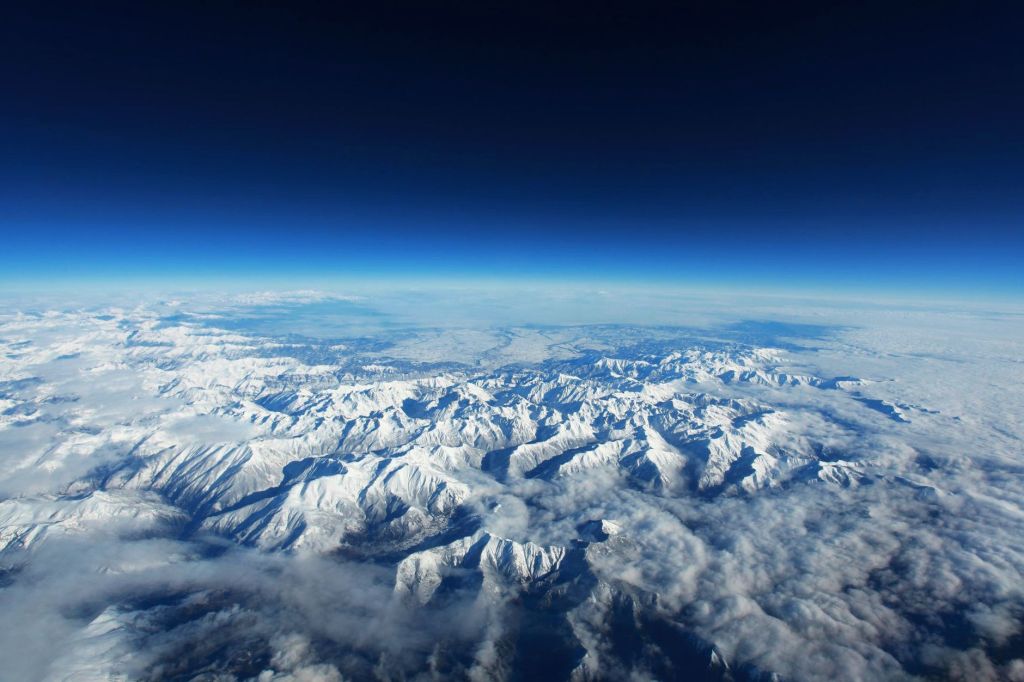
The world of oceanography and currents can all seem a bit remote from everyday life. But to plunge in briefly: Global warming  has been adding colossal amounts of fresh meltwater—especially from Greenland—into the North Atlantic. This reduces salinity and density, in turn preventing surface water from sinking, which is the key engine of the AMOC. As sinking slows, the whole circulation weakens and it will eventually tip into a collapsed state. The question is when and what are the chances? According to Damien:

they found an estimated slowdown of 42% to 58% in 2100, a level almost certain to end in collapse.

And what will that collapse look like? After the initial shock, a permanent series of frozen winters in western Europe. There will be catastrophic ruptures  in food chains as fields ice over, fish stocks migrate and transport is disrupted. Societies will face massive dislocation as people migrate from flooded coastal regions and river valleys. In turn producing massive conflicts on higher ground, as refugees discover that they are suddenly immigrants in what used to be “their” country.

Leaving you, gentle readers, with a choice on the balance of probabilities. You can rely on the findings of scientists [3] who have studied this issue assiduously for more than three decades and whose work is publicly available for anyone to examine. Or you can rely on opinions expressed in online comment sections. Everyone is entitled to an opinion. The real question is which source of information a reasonable and informed person would choose to act upon.

[1] Critical Atlantic current significantly more likely to collapse than thought | Oceans | The Guardian

[2] Atlantic meridional overturning circulation – Wikipedia

[3] Observational constraints project a ~50% AMOC weakening by the end of this century | Science Advances

Global warming #climate change #atlantic ocean #amoc #flood #ice age #ecological collapse

Eleven Hottest Years: While the world argues, the planet sets another relentless record

We once asked someone who is far more intelligent than we are: “what is the secret of intelligence-what do intelligent people really do?” And he replied, “they pick out what is really important from what is merely important,” And in that spirit we urge you gentle readers to approach this story from Nature Briefing with due attention. Put it, as t’were in context with the doings of Mr Trump , the England cricket team and the various rescued felines who will flicker across your screen this morning. All important, no doubt. Yet this is the story which will affect you, your children and their childrens’ children for decades to come. Or maybe not: for it has the potential to ensure that such generations do not exist They’ve  called it We’ve just had the hottest 11 years on record

The years from 2015–2025 have been the hottest stretch on record, according to a report by the World Meteorological Organization. For the first time, the report includes a measure called Earth’s energy imbalance — the difference between incoming energy from the Sun and the amount radiated back into space — which is at its highest level since observations started in 1960. And in 2024, the latest year that global figures are available, atmospheric CO2 reached its highest concentration in two million years. “In this age of war, climate stress is also exposing another truth: our addiction to fossil fuels is destabilizing both the climate and global security,” said United Nations Secretary-General António Guterres in a statement.

Nature | 5 min read
Reference: State of the Global Climate 2025 report

There are many sorrowful things in here gentle readers, but we advise you to read them for yourselves. What actually scares us is this. Humans seem really good at identifying a perceived threat from other groups of humans. And reacting to it with hysterical fear and anger. They seem less good at perceiving and contending with long term insidious but ineluctable threats that threaten them all with extinction. Is this an actual cognitive defect of the human mind? In which case what chances will Natural Selection offer us in the next few decades?

#climate change #global warming #fossil fuels #oil #middle east #pollution #human extinction

Why North Sea Oil is an error in critical thinking

It’s always touching to listen to the philosophical musings of our old friend Dave Watford and the lads at the Dog and Duck. Last night they favoured us with their thoughts(is that the right word?-ed) on the current Energy crisis:

Iss Bonkers! Why don’t we jus drill fer all that oil inna (expletive deleted) norwf sea, an forget orl this (expletive deleted) green palaver? There’s loads of it aht there, an we’d be enji sufichent and all that. Thass wot we did inner noineen (expletive deleted) ighteez an we ad loadsa munny”

That was the gist of what they said. But however well-meant their intentions, their  chain of reasoning suffers from two fatal flaws: availability bias, and simplification.  In fact this article from Cassandra Etter-Wenzel Anupama Sen and Nadia Schroedern so utterly confronts these errors that we offer it to you more in the spirit of a master class in clear thinking than a comment on energy policy.

Availability Trap 1 Yes there is oil under the North Sea. But even if extracted, it would go straight to world markets, meaning it would have no effect on consumer energy prices in the UK.

Simplicity Trap 1 All that gas would bring down prices  The precise cost of the energy (gas renewable, whatever) is called the wholesale price and consitutes only 41% of the price paid per house. The rest includes many other factors like network running costs, etc.

Availability trap 2 Ignore the potential cost savings from renewables, which would actually bring the wholesale price of energy faster

Simplicity trap 2 Ignore other factors like insulation (at which the UK is dire) which would be addressed by a renewable based modernisation policy

Availability Trap 3 Completely ignore that the UKs utter dependency on fossil fuels has led to disaster in the past (1973: 2022) and is therefore likely to do so again

And finally: nostalgia for a vanished golden age is no guide to policy whatsoever. We don’t know the name for that error, but it’s probably the biggest one of all.

Hats off to Will de Freitas of the Conversation for commissioning this exquisite article

https://theconversation.com/would-more-north-sea-drilling-lower-uk-energy-bills-our-analysis-says-no-278467?utm_m

#fossil fuels #renewables #energy #climate change #north sea

Beyond the Nation#3: Assorted Pollution

We kicked off this series with a blog about global warming: if that’s not a pollution story, we don’t know what is. But as several of you pointed out, there are many other forms of pollution in the world, all equally insidious and all resistant to efforts to clean them up. So here we go.

Pollution is the purest demonstration of the nation state’s irrelevance. PFAS don’t recognise sovereignty. Microplastics don’t stop for border guards. Nitrates don’t care who won the last election. They move through the world according to the laws of physics, chemistry, and biology, not geopolitics. And yet we persist with a governance model that is incapable of addressing a problem so acute it threatens basic survival.

Meaning companies have every incentive to dump where enforcement is weakest. Meaning diplomatic stalemates ensure treaties — if they exist at all — move at the speed of the slowest government. Meaning a jungle equilibrium of absolute economic self‑interest prevails, and no state wants to, or can afford to, be the first to tighten rules.

Take mercury. The Minamata Convention (2013)[1] was meant to curb global pollution from this utterly unpleasant and dangerous substance. But it is a broken reed, riddled with exemptions, get‑out clauses and pulled punches. National opt‑outs, slow phase‑outs, feeble enforcement and zero penalties for non‑compliance. Global mercury emissions have not meaningfully declined since the treaty was signed — and in some sectors have increased — seeping into rivers, seas and oceans, and contaminating supposedly healthy foods with a potent neurotoxin.

And alongside mercury we could list such fracases as PFAS (no treaty at all), the Asian brown‑cloud smogs, [2] the Basel Convention on plastic waste (more holes than Emmental cheese), not to mention our own bête noire of antibiotic resistance, where a total failure of international co‑ordination may yet lead to the most deadly health emergency of all.

At no point do we blame individuals, nor look for sinners against whom we may throw stones. Everyone caught in this trap is acting in their own rational self‑interest. Governments, by definition, measure themselves against other governments. The system has worked reasonably well up to now — at least it allowed copying from better practitioners. And companies are simply obeying the iron economic rules of profit and loss, buy and sell.

The trouble is that these rules now operate globally, while regulation remains national. And all the pollutants we have mentioned fall into those gaps — where they will continue to accumulate with deadly effect.

[1] Minamata Convention on Mercury – Wikipedia [2] Asian brown cloud – Wikipedia

#pollution #governance #treaties #PFA #mercury #nitrates #antibiotic resistance