

Renewables: Romanian success is a big warning for Uncle Sam

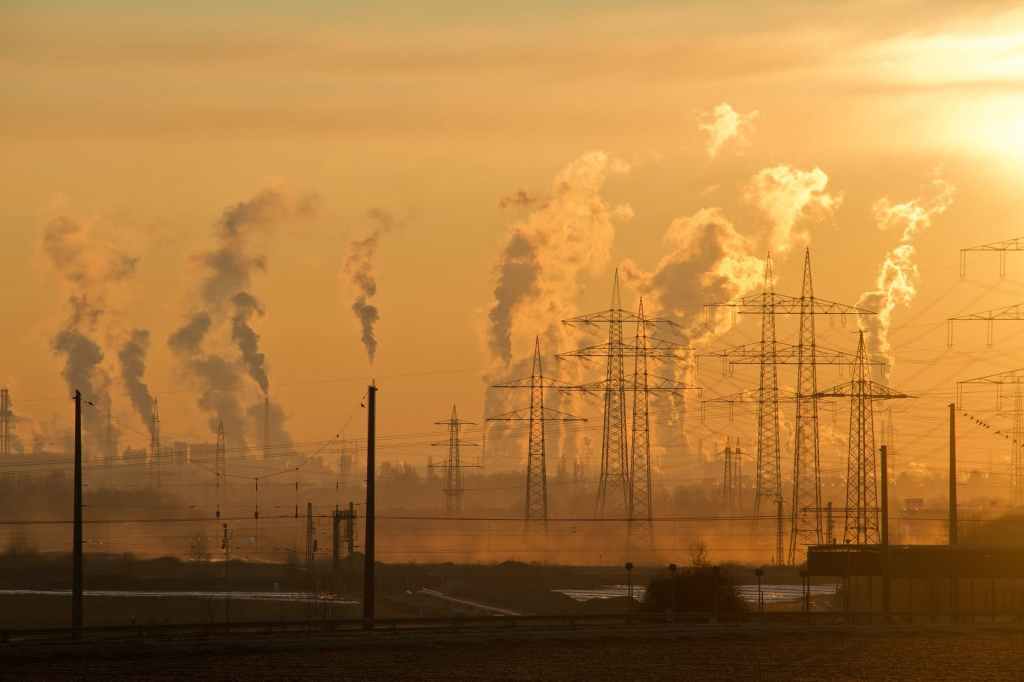
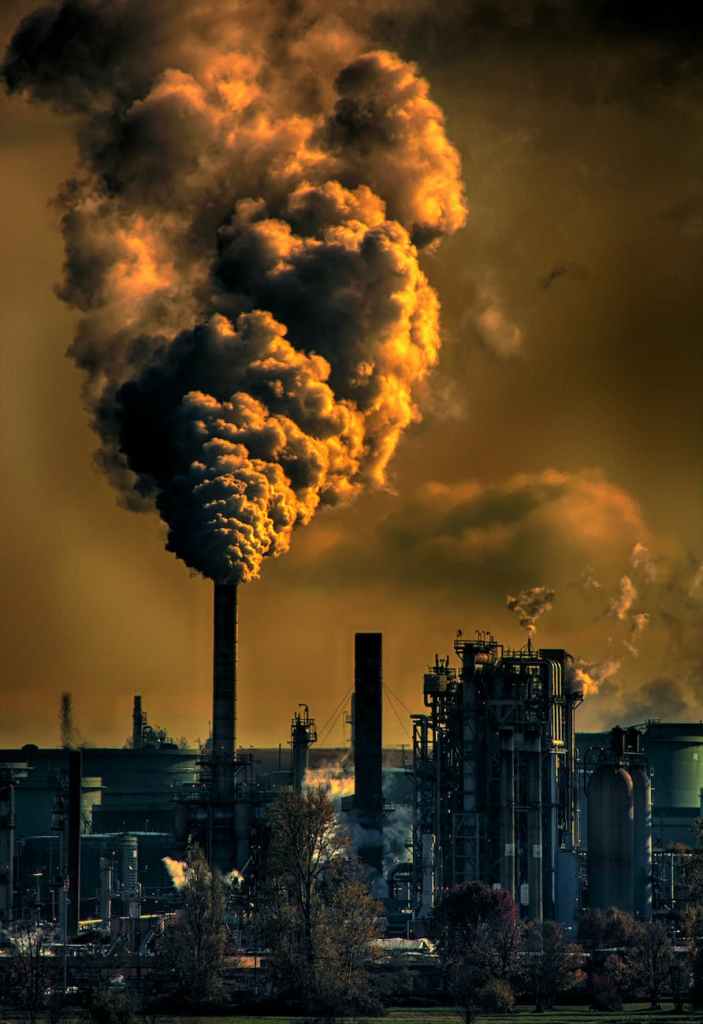
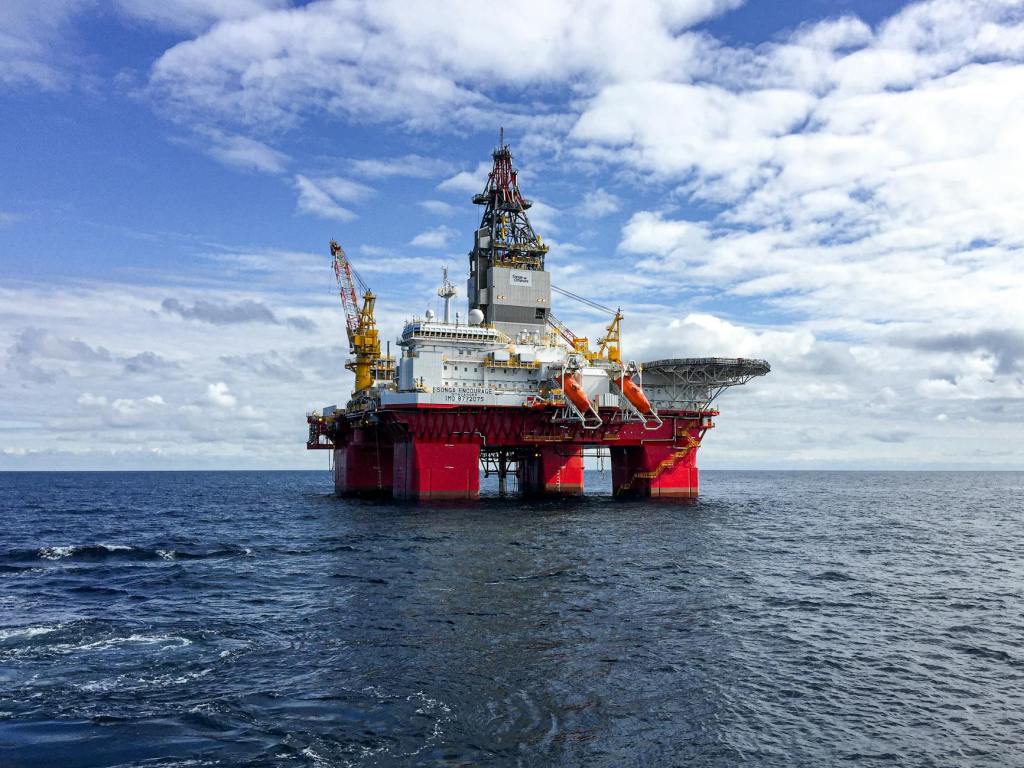
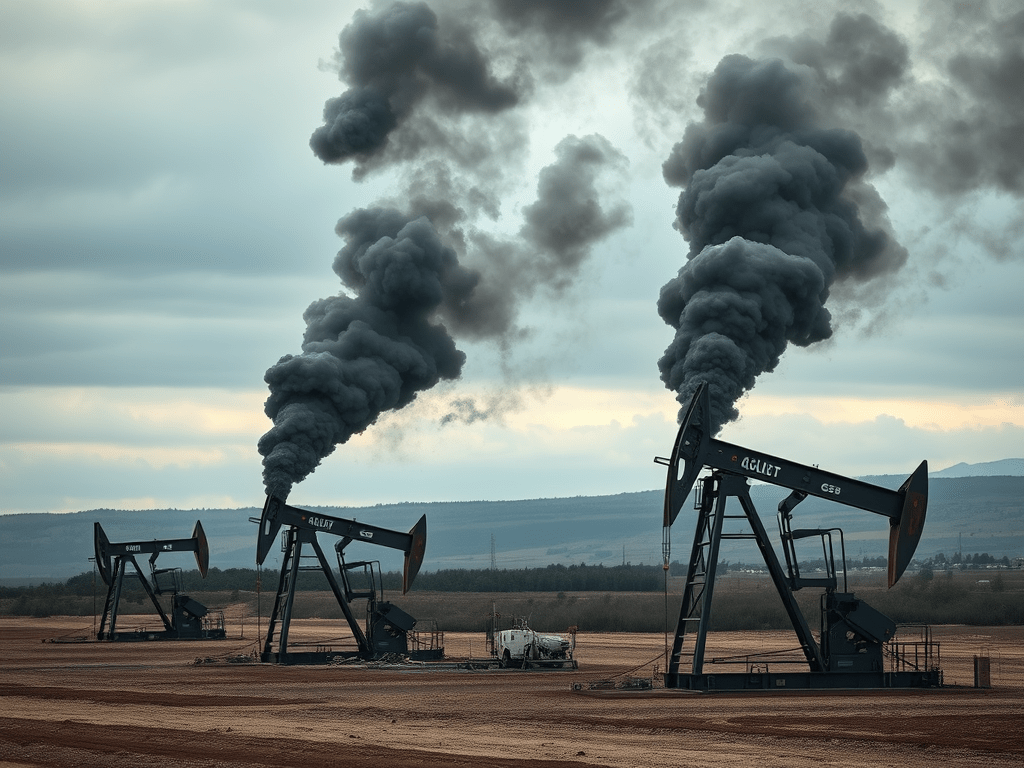
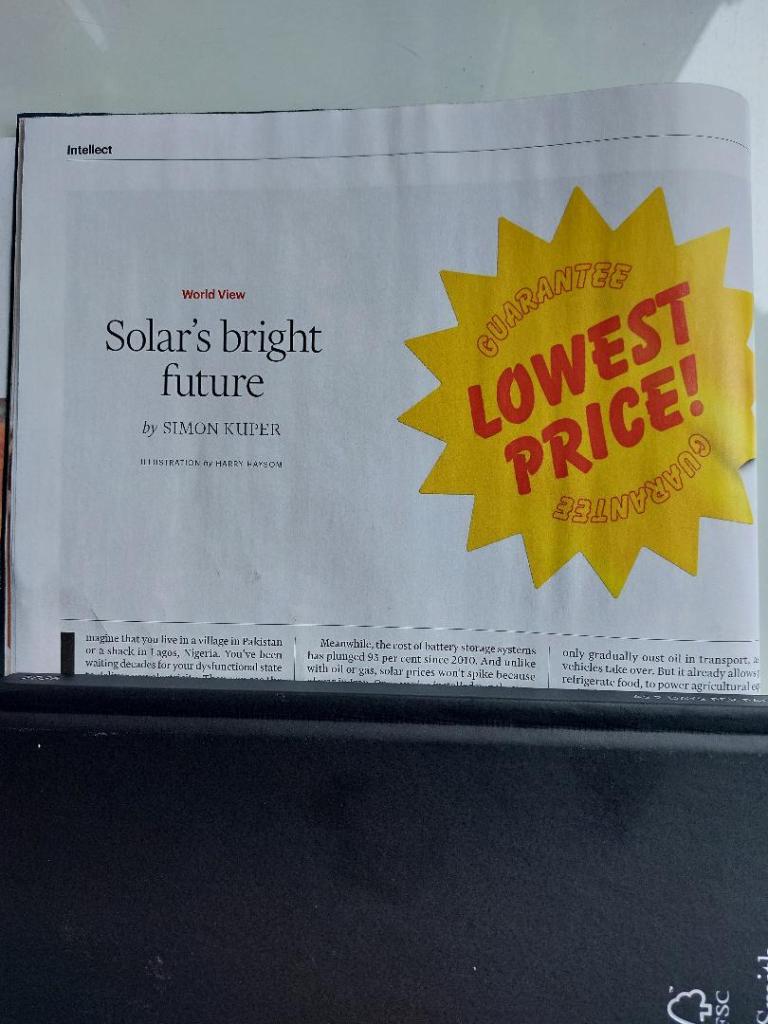
One of the enduring narratives promoted by the fossil‑fuel industry is that economic growth is only possible if we continue relying on their products. It’s a story that has shaped public debate for decades — and stands in the way of a safer, cleaner future. Do we have to take them at their word? Not according to the remarkable developments in Romania, uncovered for us today by Ajit Naranjan of the Guardian.[1]

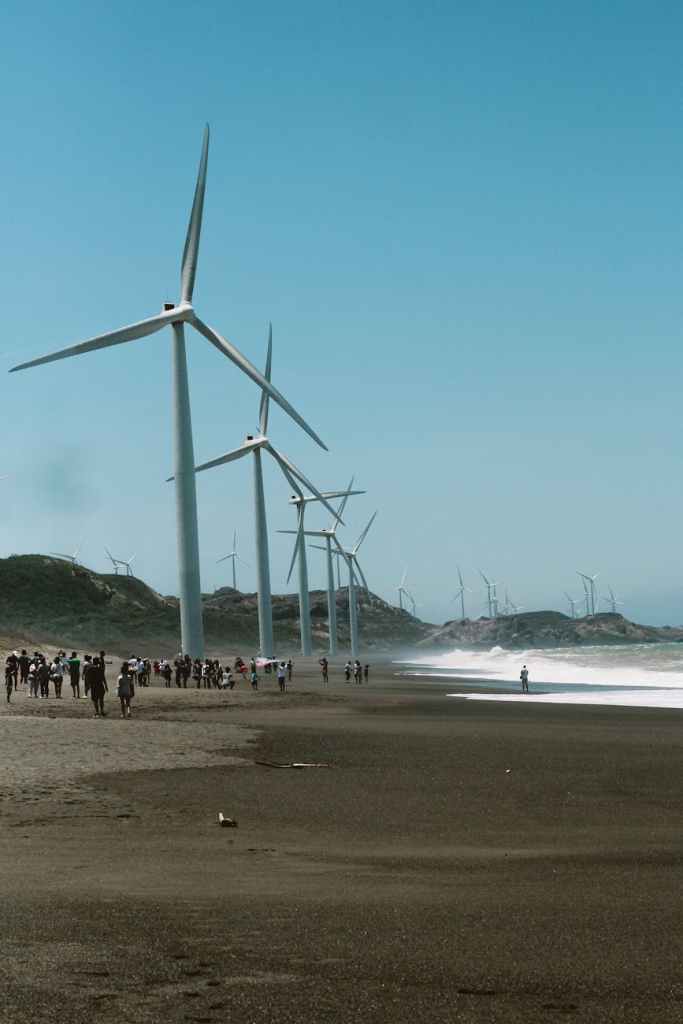
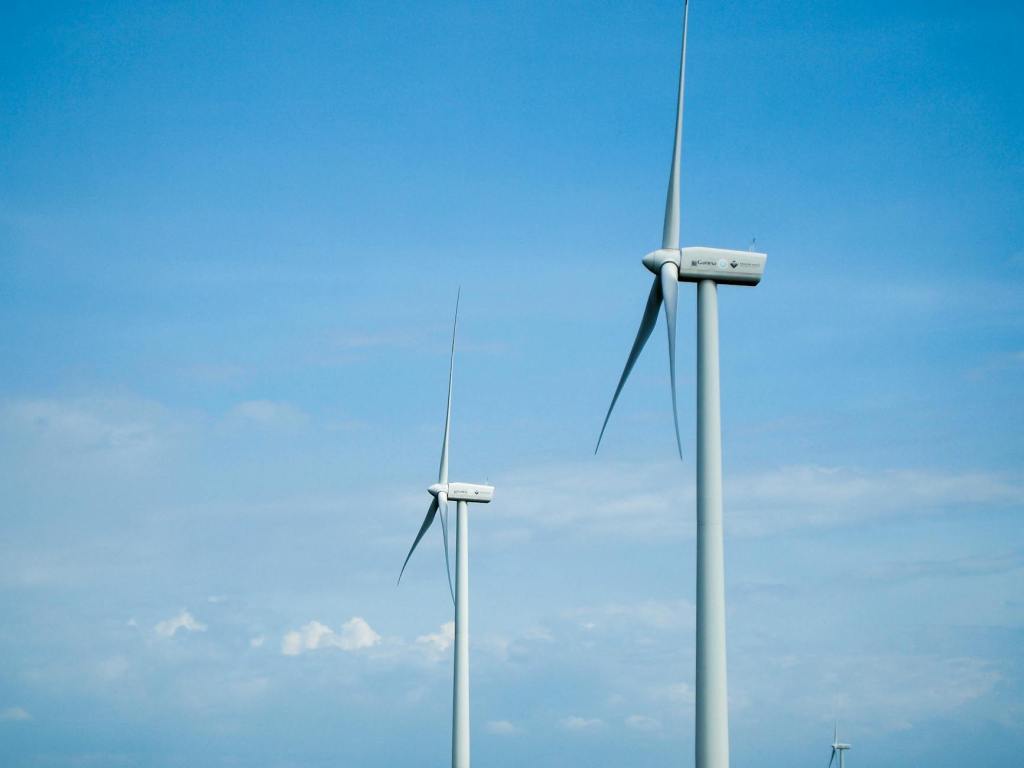
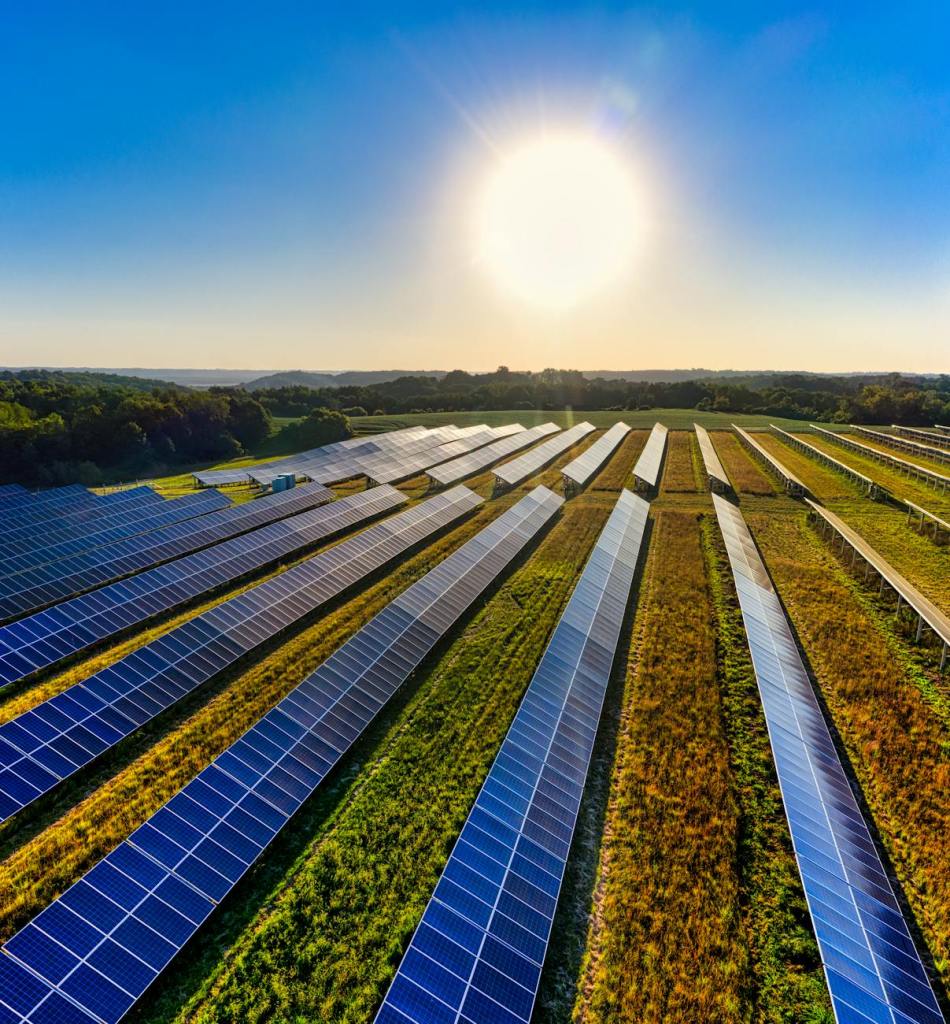
For what Ajit has found is a country successfully decoupling economic growth from fossil fuels and tying it instead to renewables. It’s all the more interesting because the Romanian oil fields were the very birthplace of Big Oil back in 1857: and the old communist regime seemed to spend its time promoting every dirty fossil fuel technology it could find. But today there is a truly stupendous investment in things like solar panels, offshore wind and nuclear power. Emissions have dropped by 75% since 1990 while GDP has doubled. Some of the achievement is down to policies- such as EU membership, cleaning up agriculture-as well as technologies. And there is a darker side, as gas and oil are far from entirely banished. But we’ll leave all this to Ajit, who does such an informative job. And although Romania so heroically leads the way:

Dozens of countries have completely decoupled their economies from emissions, even accounting for the pollution in imported goods, and many more have managed to grow richer while emissions climb at a slower rate

All of which may be bad news for the USA, which currently  seems to be trying to move back towards fossil fuels.  Because in a global economy shifting toward clean energy, returning to fossil fuels may prove a strategic dead end. If renewables become the backbone of 21st‑century growth — as many economists expect — then choosing the old path risks leaving a country stranded while competitors build the industries of the future.

‘The trend is irreversible’: has Romania shattered the link between economic growth and high emissions? | Romania | The Guardian

#romania #USA #fossil fuels #economic growth #global warming #climate change #rewables

Forget the Middle East:Here’s the real crisis to watch out for

With the current tensions in the Middle East flooding the channels, you could be forgiven for thinking that benighted region is the only part of the planet that counts. It isn’t. It soon won’t count for much at all. And once again we are indebted to that most erudite of writers, George Monbiot of the Guardian[1] for telling us why. George has got hold of a report called the UK National Security Assessment, written by some of the sharpest minds in the country- MI5, GCHQ, that lot. And when we say they’re bright, trust us -they are. We won’t deprive you of the pleasure of reading all of George’s article. But the essence is simple: rapidly accelerating climate change is completely upending the normal relationships between nations, and taking us all to a dark and dangerous place

Let’s take one example. The glaciers of the mighty Himalaya-Karakoram system supply the water to some of the largest and most economically important rivers in the world. Among them are the Yangtse, the Mekong, the Brahmaputra and Ganges. All in all, they are the lifeblood of about 2 billion people in some of the world’s most progressive economic areas. And now those glaciers are melting-fast.[2] Leading to both short term floods and long term water shortages. At the moment this region is divided among three major powers_ Pakistan, India and China. All are nuclear-armed. All, being nations will attempt to defend their own local interest and local potentials, for that is what nations do. Each will reach for the water it must have to survive. And sooner or later these interests will clash. Mightily.

Now there will be a temptation among some of our readers, particularly those who hang out in the Dog and Duck, to say “let them get on with it- we can just sit it out” (That is a very polite way of conveying what they will say). But you can’t, gentle readers. As you may have noticed from your History, world wars are like beach parties, they tend to draw everyone in. Powers like Russia the USA and the EU will be forced to choose sides if only to protect their supply chains. Add to that the effects on migration numbers from all those refugees, world prices, supply chains and collapsing currencies and you have a mess to make the financial crash of 2008 look like, like-well one of those beach parties we alluded to above, really. Here then at last will come the consequences of doing nothing serious or substantail about global warming. And it will be well deserved by us all.

[1]https://www.theguardian.com/commentisfree/2026/jan/27/uk-government-report-ecosystem-collapse-foi-national-security?CMP=Share_iOSApp_Other

[2]https://iccinet.org/landmark-report-himalayan-glaciers-disappearing-two-thirds-faster-than-before/

#global warming #himalaya #glacier #ganges #flood #yangtse #drought #China #India #Pakistan #world war three

Debra MacKenzie on microplastics-and a master class in balanced reporting

So-are all our bodies full of microplastics, ready to reach out their oily hands and strike us all down with heart disease, tumours and goodness knows what else, or not? It’s a story we’ve covered before (LSS 9 4 24) and to be fair we even approached it with a certain moderation (LSS 12 3 25)

But who are we to advise you, when we can point you at once to the works of science journalist Debra Mackenzie, writing in the Guardian? [1] Not only is the science interesting. She also gets to the heart of why scientific controversies arise. In the case of microplastics, because one lot of researchers (medical folk) are approaching the problem one way. And another lot (analytical chemists) come from somewhere different, with other methodologies And this is ominous: as we have seen time and again, with CFCs, with tobacco and with fossil fuels, there could be interested parties who will be waiting to pounce on those disputes , to use them to allege that the science is not certain, that no action is needed. To quote one of the more chilling passages of Debra’s article

The plastics industry is more powerful than the CFC-makers were, and it has friends who know how to manufacture doubt. (Researchers I spoke to said that their papers have been denounced to journal editors by chemical industry figures who were not analytical experts.)

Now we at LSS are not medical experts. gentle readers. We do not know where the truth lies, although we may suspect. And, as in many scientific debates, there may be actors with differing levels of enthusiasm about where the evidence ultimately points. In any case, you should read Mackenzie’s article. You will learn a great deal more than just about plastics..

[1]https://onlinescientias.wordpress.com/wp-admin/post.php?post=13505&action=edit

#health #pollution #microplastics #science

Hot years and wild fires: Is this the start of a true doom loop?

Two stories today give us serious pause for thought. Both concern our old bête noire of climate change. It’s not the bad news per se: we’re kind of inured by now. It’s the way they open the door to thoughts with actual evolutionary consequences: but more of that later.

The first story, from Ajit Niranjam of the Guardian, is a grim reprise of current trends. [1] 2025 is the third hottest year on record. For us their killer fact is context: El Niño, which had boosted heating trends in 2023 and 2024, was waning by 2025, so even that fig leaf has been stripped away. And talking of stripping away, what about the forests, which might have soaked up a little more of all that lethal CO2 affording us a few more years of life? Well as this truly impressive piece of visual journalism by Ashley Kirk and Pablo Gutiérrez shows, they are being devasted by the very wildfires which global warming has brought about. This is what information theorists call a self re-inforcing feedback loop which would be intellectually interesting to study if anyone is left alive to do so.

And the evolutionary reason we are so worried?  Our species carries ancient cognitive machinery that buckles under modern complexity. Human cognition defaults to fast, intuitive, pattern‑matching heuristics — brilliant for spotting predators in the savannah, disastrous for interpreting climate models This “cognitive autopilot” leaps to conclusions, prefers simple stories, and treats feelings as evidence.  A species that cannot update beliefs in the face of overwhelming evidence, that treats data as optional, that cannot overcome its own cognitive biases is evolutionarily brittle. It will eventually be outcompeted by one that can. Can anyone think of a name for it?

[1] Human activity helped make 2025 third-hottest year on record, experts say | Climate crisis | The Guardian

[2] Mapped: how the world is losing its forests to wildfires | Wildfires | The Guardian

#climate change #global warming #evolution #atmosphere #weather #extinction

My Home is damaged: time to sue Big Oil?

It’s a question a lot of people are asking as the world is increasingly lashed by the  storms, floods and wild fires unleashed by global warming. And when you realise that the world’s fossil‑fuel giants collectively command over six trillion dollars a year — more economic power than most nations on Earth-it’s a tempting pot of money to aim at. What would you do with even one of those trillions? So we asked our Legal People:  Can an individual sue  a fossil fuel company to pay for flood/fire/storm damage, or the rising insurance premiums, that go with all those things?

The chances of getting anywhere on your own are slim.  Firstly, you must show that any damage  has been made worse by global warming (there will always be a background level of storms and things). Secondly, that a specific company’s emissions and /or “misinformation” caused that extra damage. And above all that the company chosen has a “duty of care” anyway. Quite a big ask when you think how much legal brainpower that $6 trillion is going to buy against you.

However, joining in with group actions increases your chances of getting something back. [1] . In the USA there are now 86 lawsuits against fossil fuel companies, including the very biggest. This class alleges that these companies “knew about the dangers of global warming and did nothing”. Even worse, it is alleged, they “actively misled” about those dangers. These suits will be fiercely contested; and the Jury will decide, as they say.[2]  But there is a juicy  second front opening. Home owners in Washington State are suing oil companies for climate‑driven increases in insurance costs. which they allege “are driven by global warming.”[3] As such costs may well be set to rise astronomically for all of us,  their battle is indeed a noble one.  

In the meantime there at least two things you can do.  Work with climate litigation NGOs Groups like ClientEarth, Global Legal Action Network,[4] and the Climate Litigation Network are actively exploring new legal strategies. Document your damages If future cases open the door to compensation, having detailed records of storm impacts and repair costs will matter. Courts are increasingly willing to treat climate damage as a foreseeable, preventable harm caused in part by corporate deception. That shift is what makes future individual claims more plausible. There’s little doubt at fossil fuel companies represent a big barrel of money. Could some of it one day belong to you? 

[1] https://theconversation.com/more-than-two-dozen-cities-and-states-are-suing-big-oil-over-climate-change-they-just-got-a-boost-from-the-us-supreme-court-2050

[2] Big Oil in Court – The latest trends in climate litigation against fossil fuel companies – Zero Carbon Analytics

[3]Homeowners Sue Oil Companies as Climate Damage Drives up Insurance Rates – Environmental Magazine

[4] GLAN – Global Legal Action Network

#global warming #climate change #fossil fuels #legal action #money #insurance

We offer a massive and unconditional apology for Nitrogen

We think we owe you a truly massive overwhelming  apology, gentle reader. And this is why.

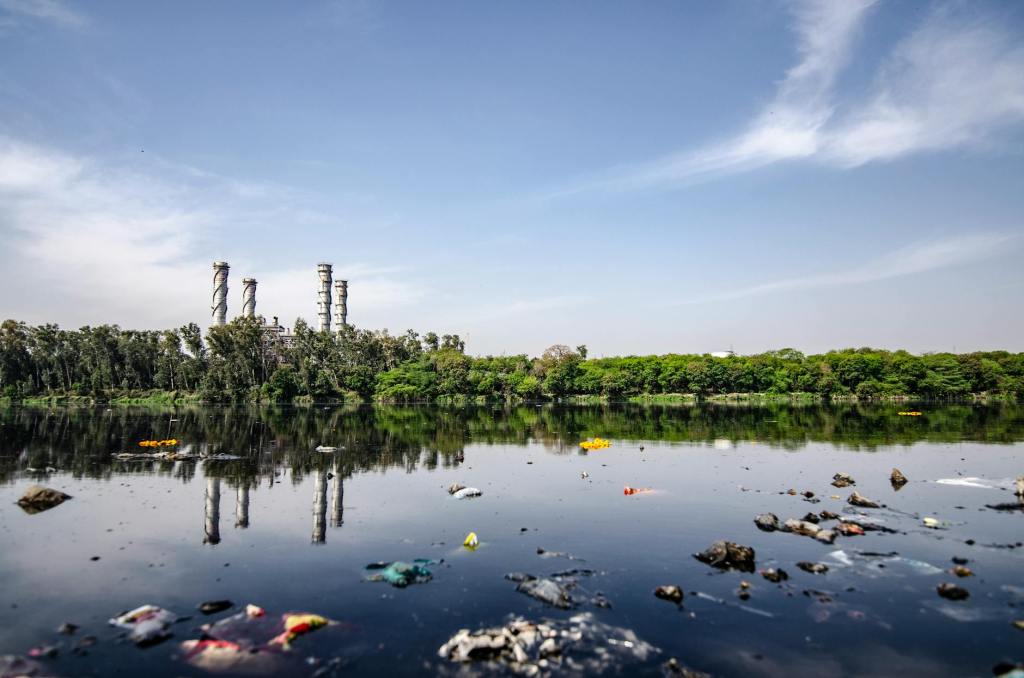
“Will the world end with a bang or a whimper?” is a question we’ve covered before here. We’ve even mentioned a  few possibilities such as  magnetic flips ,exploding volcanoes and more  insidious effects like  pollution and pandemics.  (LSS passim)Yet it was while researching another topic entirely that we came across a wholly unexpected and entirely man-made problem that we thought you should know about: Nitrogen, [1] [2]and its derivative compounds which has been unleashed on an unprepared world in uncontrolled quantities for over a century. The reason it’s rising so fast is simple: we are manufacturing and releasing unprecedented quantities of reactive nitrogen—fertilisers, manure emissions, industrial by‑products—far beyond anything the planet’s natural nitrogen cycle ever evolved to handle.

Why so much? Because the Haber–Bosch process unlocked a torrent of synthetic nitrogen, and agriculture embraced it as a miracle. Global production of reactive nitrogen has soared to many times its pre‑industrial level. Locally, this can boost yields, but it comes with a hidden price: soils become chemically dependent, losing the microbial communities that once fixed nitrogen naturally. Excess nitrogen washes into rivers, fuelling algal blooms and dead zones; it volatilises into nitrous oxide, damaging the ozone layer; it accumulates in ecosystems, favouring a few aggressive species while starving others. And things are never so bad that they don’t get   worse. Nitrous oxide is  the quiet heavyweight of greenhouse gases.  molecule for molecule, it traps far more heat than carbon dioxide and lingers in the atmosphere for over a century. It’s also the single largest ozone‑depleting emission humanity still produces. And yet most people barely register it.  So what looks like abundance at the farm gate is, at planetary scale, a metabolic overload.

And this is the deeper tragedy: millions of farmers, each trying to solve a local problem—how to feed crops, how to secure a harvest—collectively drive a global destabilisation of the nitrogen cycle. We’ve built a civilisation addicted to excess nitrogen, and the system now expects those inputs just to function. The long‑term risk is that we push soils, waterways, and atmospheric chemistry past thresholds that cannot easily be reversed. What began as a triumph of human ingenuity has become a planetary dependence, and the bill for that dependence is only just beginning to arrive. A silent catastrophe of soil degradation, desertification, wetland collapse (LSS 28 5 24),biodiversity loss from nutrient overload, and fisheries collapse.

And  now for our apology, gentle readers.  For several years now we have been repeatedly warning you of the dangers posed by antibiotic resistant bacteria and climate change. We had not a single idea about this nitrogen crisis building up all around us. None whatsoever, We profoundly and unreservedly apologise to all of you-readers, contributors researchers and hard working staff, even the ones in HR. And we say this-never will such an oversight happen again in this mighty organisation. But do not be alarmed.  From now on we will search the world ceaselessly to bring you news of fresh perils, unexpected lethal dangers which may be lurking ready to wipe us all out Or if not that, at least reduce the handful of survivors to subsistence-level barbarism in a lawless, violent post-apocalyptic world.  We think we may even have uncovered a few already. Follow us if you want to know more about what they are.

[1] Anthropogenic-driven perturbations on nitrogen cycles and interactions with climate change (2024)Gong, Kou‑Giesbrecht & Zaehle (2024)
Published in Current Opinion in Green and Sustainable Chemistry. click:Anthropogenic-driven perturbations on nitrogen cycles and interactions with climate changes – ScienceDirect

[2] Alteration in nitrogen cycle and its contribution to climate change: a review (2025)Anand et al. (2025) click:2Alteration in nitrogen cycle and its contribution to climate change: a review | Proceedings of the Indian National Science Academy

#nitogen #agriculture #nitrous oxide #pollution #climate change #disaster

George Monbiot on the arc of History

There’s a simple view of history as series of pageants. Kings fight glorious  battles, heroes like Nelson and Genghis Khan kill lots of people,  talented artists like Michaelangelo gaily paint frescoes of the male nude all over the walls of some slightly dodgy cleric’s new palace  It’s interesting,  it’s fun, it excites podgy old men who have never been in a war to dress up in funny costumes. There’s only one problem with it, in fact,

It’s bollocks.

Starting slowly at first,  reading the works of much clever people like Professor Kennedy[2] [3] we realised that History is driven by deep slow moving inexorable forces: things like climate, infant survival rates and  technology. Britain rose because it was the first to develop modern commercial and industrial processes. It fell when other countries started to do those things better. Rome succeeded, for a while ,because it turned the Mediterranean Sea into a single trading zone in an epoch when sail was the most economic means of transport. It fell when plagues and climate change so decimated its population that it could no longer defend the frontiers of that zone. Above all it’s demographics, economics and logistics that determine the fate of nations, not battlefield heroics.

It is in this light that we present this article by George Monbiot of the Guardian. [1] For it attempts to address this single determining factor, both  in our lives-and those of the next four or five generations to come. It doesn’t matter if you love immigration, or hate it. Whether you thought everything would solved  by a rising population or a falling one, (as we used to).  See this more as advice from a wise accountant to a failing family firm “this much is in your coffers, therefore these will be your spending options” In world terms, the arc is very simple. The population will grow a little while longer. Then it will start to fall. Precipitously. All decisions on defence, finance culture, even our own little idées fixées like antibiotics and climate change, shall be made in the light of this simple, ineluctable fact.

We have followed Monbiot on many topics for years; his writings are always stark and cogent. We urge to you look him up and read more. But today, for now, we beg you to read this one, It should lend perspective like nothing else.

[1] https://www.theguardian.com/commentisfree/2025/dec/12/europe-migrants-birth-rates-immigration-countries

  [2]Paul Kennedy, The Rise and Fall of the Great Powers: Economic Change and Military Conflict from 1500 to 2000 (New York: Random House, 1987).

[3] Kyle Harper, The Fate of Rome: Climate, Disease, and the End of an Empire (Princeton: Princeton University Press, 2017).

#history #population #demographics #immigration ##economics

Hottest years make chilling reading. Here’s how you can still do something about Climate Change

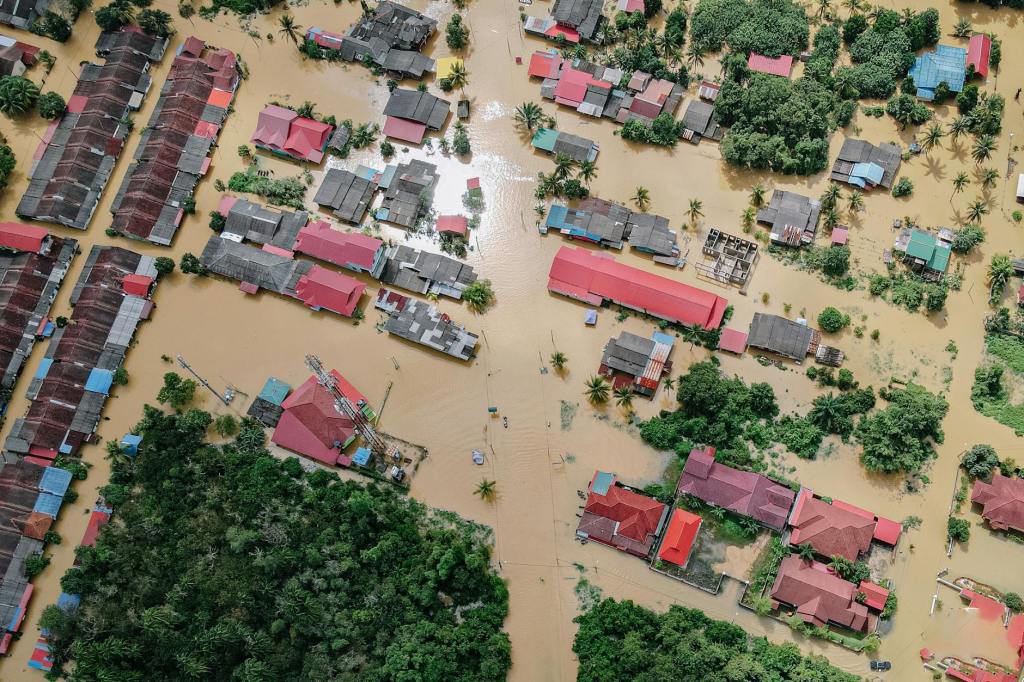
The facts-objective, verified and indisputable- are chilling. The last three years of this decade have been the hottest on record. Vast areas are now being ravaged by wildfires or drowning in immeasurable floods. The latest gloomy news comes from Nature Briefing: a group of people who are as calm, objective and well-informed as any we have come across. :early Temperatures Reach Dangerous Highs, they report:

This year looks likely to tie with 2023 as the second-hottest ever on record. Last year was the hottest. “The three-year average for 2023-2025 is on track to exceed 1.5 ℃ for the first time,” says Samantha Burgess of the European Union’s Copernicus Climate Change Service, referring to the Paris Agreement pledge to limit global warming to 1.5 °C above pre-industrial levels. “These milestones are not abstract — they reflect the accelerating pace of climate change and the only way to mitigate future rising temperatures is to rapidly reduce greenhouse gas emissions.” Euronews | 2 min read

As we were once more digesting these gloomy words in the LSS Boardroom, Selina the tea lady came in with this morning’s refreshments. “Good heavens!” she observed. Well, that was the gist of what she observed. “Are you lot really going to put out another gloomy blog on Climate Change? Give them some hope, for once, why don’t you” Again we paraphrase: suffice to say we understand where her grandchildren derived the terms they used when we tried to stop them from vandalising the cars in the office car park. But she is right: why don’t we tell you that there is something you can do? Take agency and all that. It shall be by supporting or donating to the organisations which we have listed below. We have chosen all of them for their integrity, hard work and track records. But above all for their moderate, pragmatic approach to this problem. We are deeply suspicious of more extreme outfits who in our view only help Big Oil by alienating ordinary people. Here, then is that list. All need money. It is nearly Christmas. We leave you to join the dots between those last statements.

World Wide Fund for Nature | WWF

Greenpeace UK

Home | Carbon180

Friends of the Earth | Home

Rainforest Alliance | Creating a Better World for People and Nature

For professional reasons we will be unable to produce another blog until next week

#global warming #climate change #big oil #pollution #ecology #environment

The Cambrian: Giant Explosion or small blast, few casualties?

Was the Cambrian period (538-486 million years ago) the most significant in the history of Life? [1] Was there really a kind of biological explosion where simple single celled creatures suddenly transformed them selves into complex multicellular beasts with nervous systems, eyes, guts and feeding strategies? It’s always been a bone of contention with some shouting emphatically “yes” and others being a little more sceptical. “Sampling bias”, they say: correctly adducing that there were plenty of multicellular creatures in the Pre-Cambrian, it’s just very difficult to find their remains.

Now the proponents of the Big Change Theory have found their case strenghtened. Recent research. described here by Kate Ravilious for the Guardian, suggests a natural mechanism which drove the changes and caused a sudden leap in the diversity of life. According to Kate

changes in solar energy caused climatic changes that altered the amount of weathering of land surfaces – especially at high latitudes – with periods of fast weathering releasing bursts of nutrients into the oceans, which drove photosynthesis and pushed up oxygen levels, fuelling the high speed evolutionary changes. [3]

And the interaction of these changes in solar output with variations in the earth’s orbit would explain the timing and nature of these sudden leaps for life.

And our take? Something happened around Cambrian times, gentle readers-there really is a step change, as shown by the appearance of shells, backbones and all the other markers of our modern phyla. And the idea of a coinciding, plausible mechanism is persuasive indeed. However as veterans of the paleontological wars we have a few questions. Did the Cambrian explosion a generate an increase in total biomass, or just complexity of forms? If this pattern of solar cycles and variable orbit repeats every two or three million years, why have we not seen at least one comparable event since (500 million years is a long time) Were there no volcanoes, tectonic plates or asteroids to muddy the waters in the Cambrian, the way they did in the Permian or Cretaceous, for examples? We love the Cambrian explosion and the way it has driven curiosity and much good research. But like every Big General Idea-in science , history, psychology, whatever- we see them more as pointing the way to more research, not a final answer.

[1]https://en.wikipedia.org/wiki/Cambrian

[2]https://www.theguardian.com/science/2025/nov/26/changes-in-solar-energy-fuelled-high-speed-evolutionary-changes-study-suggests

[3]https://agupubs.onlinelibrary.wiley.com/doi/10.1029/2025GL118689

#evolution #paleontology #cambrian #precambrian #solar cycle #earth orbit #fossils

How climate change drives the return of deadly diseases

We never thought we’d see it. But Malaria is making a comeback in the British Isles [1] According to the latest findings from the UK Health Security Agency(UKHSA) cases rose by a whopping 32% from 2022 to 2023 making them the highest in 20 years. More than 2000 cases in fact. Now some of this is due no doubt to travel bounce backs after the COVID 19 pandemic. But once put into a broader context. the real pattern becomes both clear and alarming. Global warming is driving a massive spread of insect vector diseases. Dangerous diseases that almost seemed under control until the oil companies unleashed climate change on an innocent world

Staying with Britain just for now, William Hunter of the Mail [2] reports on the appearance of two deadly mosquitoes in the UK: the Egyptian mosquito Aedes aegypti and the appropriately named Tiger mosquito Aedes albopictus. For now these are isolated events, and under current conditions their spread may even be containable. But every year the climate gets a little warmer. Every year brings a higher chance that these vectors will spread their deadly triple load: Dengue Fever, Chikungunya and Zika. With all the consequences which wel- seasoned readers of this blog will recall from our earlier outings on this theme (see LSS 25 3 25, 25 10 21 and many others)

We confess to becoming a little angry when we we write stories like this: such disasters could have been so avoidable. Once, not so long ago these diseases were unknown in this islands except as travellers’ tales, or as the province of medical specialists. Now a wave is crossing the world. We know what the remedy is. If by any chance you are a parent reading these lines: this story is one more line of evidence among many. Your children can never be truly safe until global warming is finally controlled and reversed.

[1]https://ukhsa.blog.gov.uk/2025/05/21/how-we-protect-the-uk-from-vector-borne-diseases/

[2]https://www.dailymail.co.uk/sciencetech/article-15151429/tropical-diseases-britain-mosquitoes-dengue-fever.html

[3]https://wellcome.org/news/how-climate-change-affects-vector-borne-diseases

#disease #malaria #dengue fever #climate change #g;obal warming #health