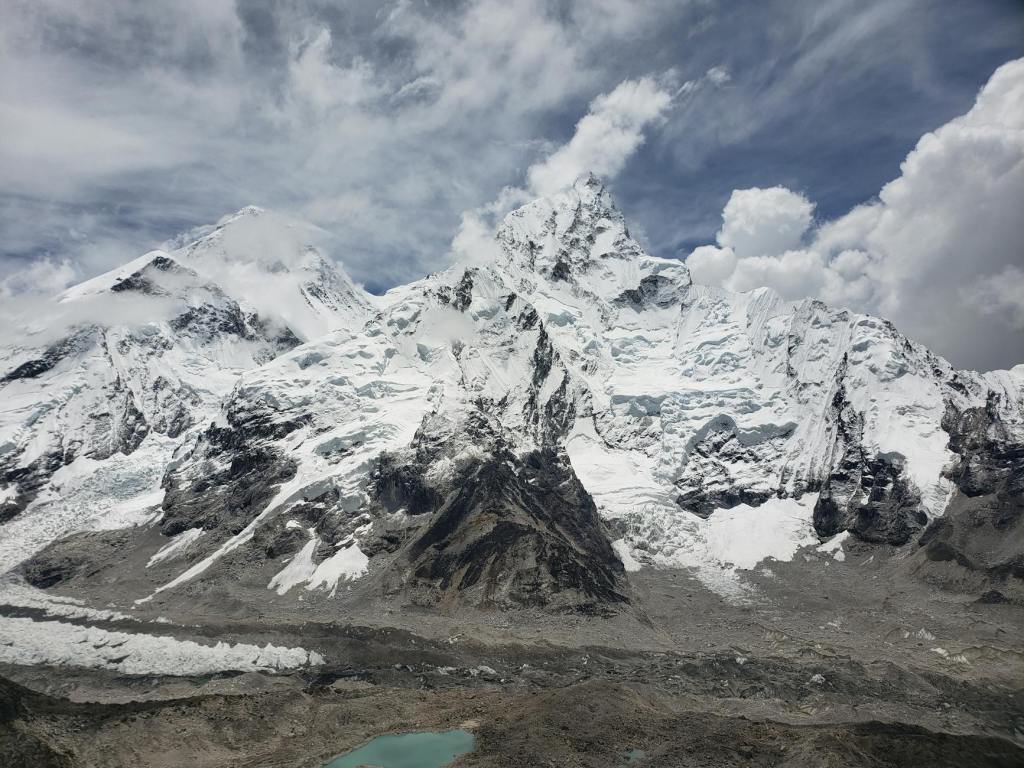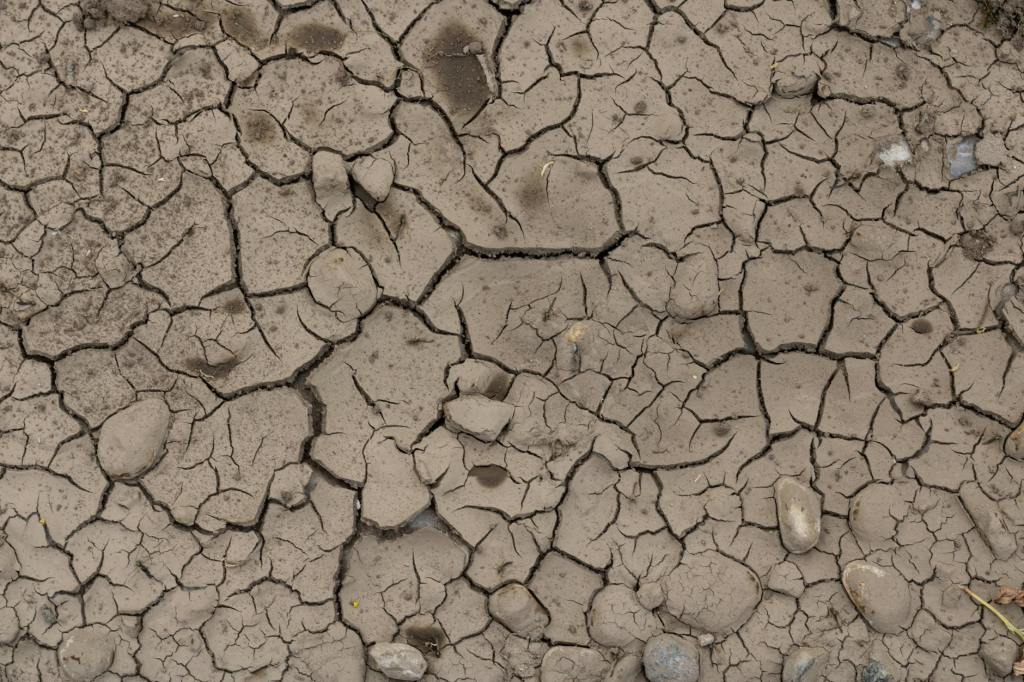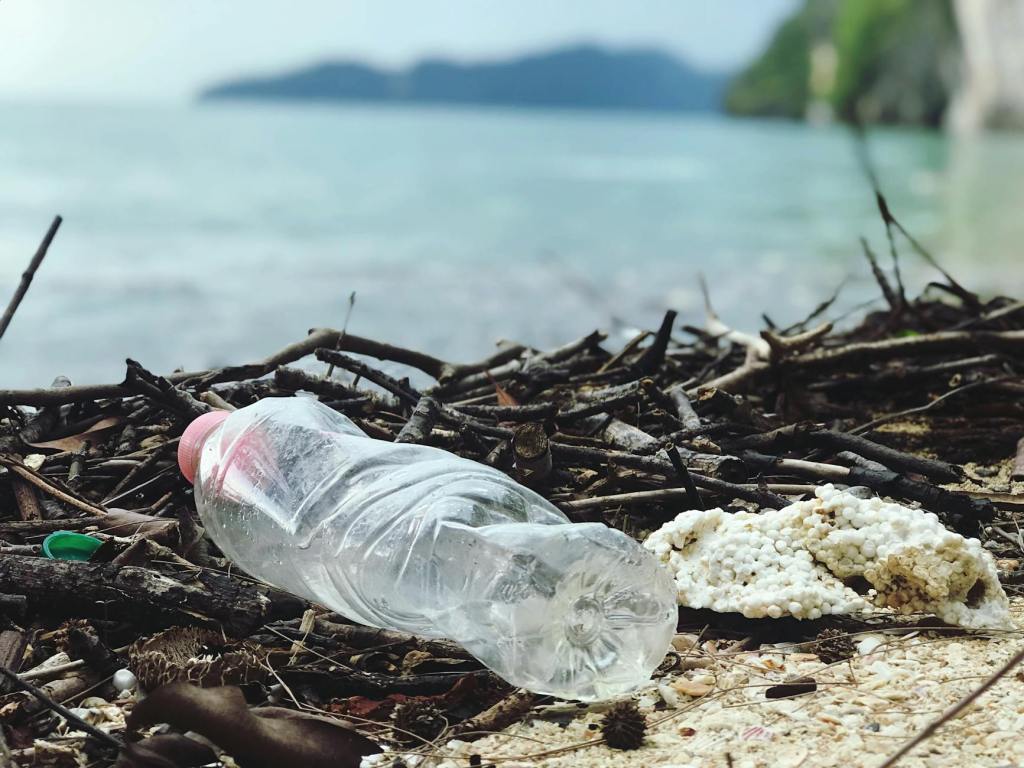
Here is the weather forecast: there will be a World government, soon

We at LSS might not want a world government: we might be quite happy with the State we’re in. But you can’t avoid the inevitable. And the hard data, the ineluctable facts from the weather forecasters, suggest that this inevitable may come sooner rather than later, But before we draw our conclusions: what are these facts?

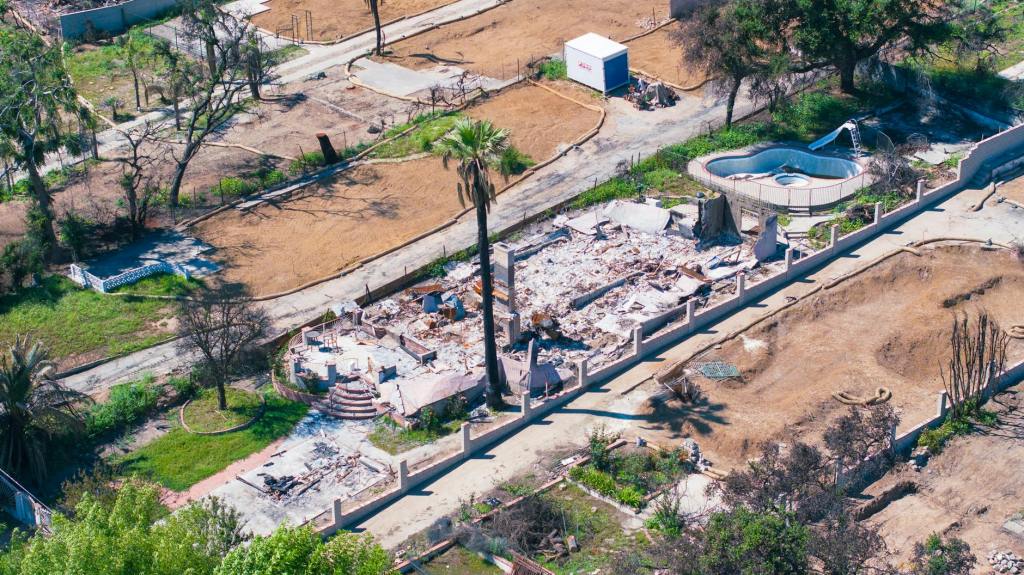
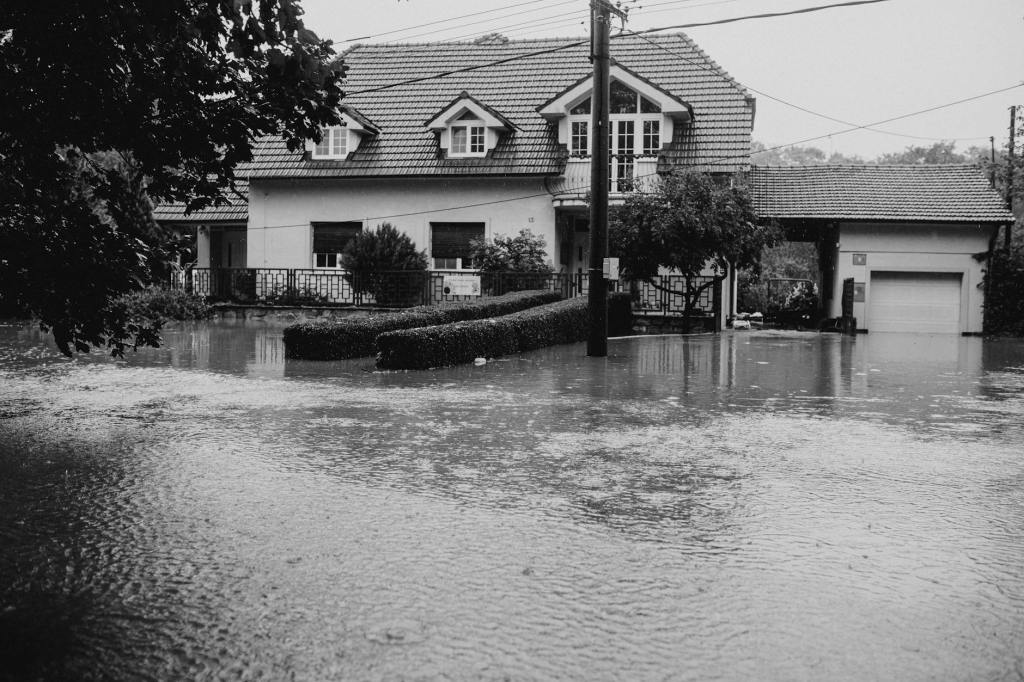
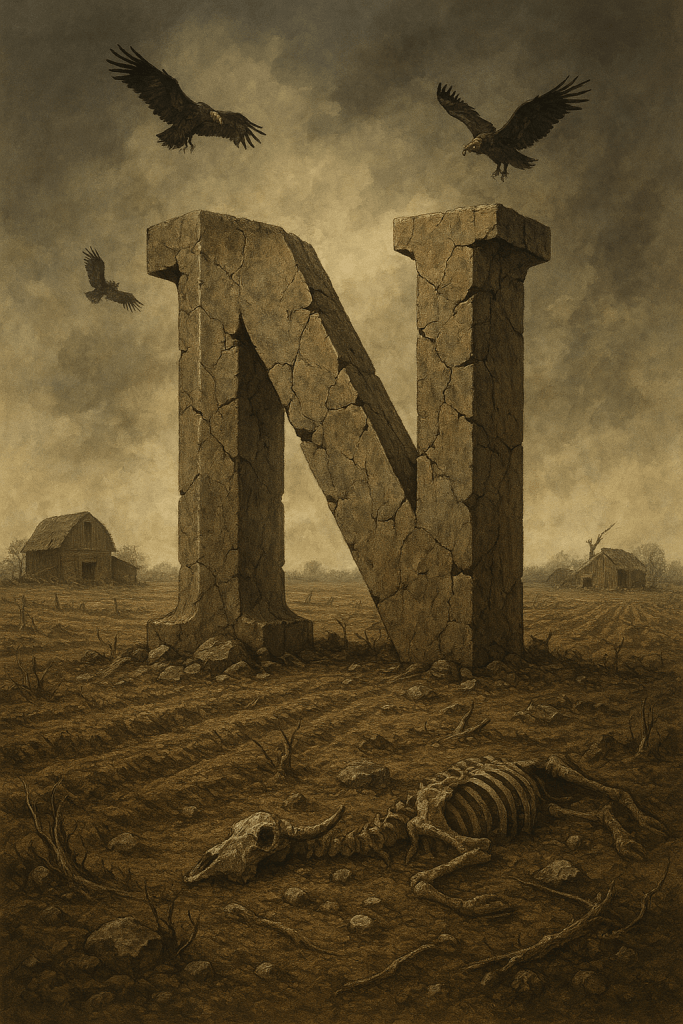
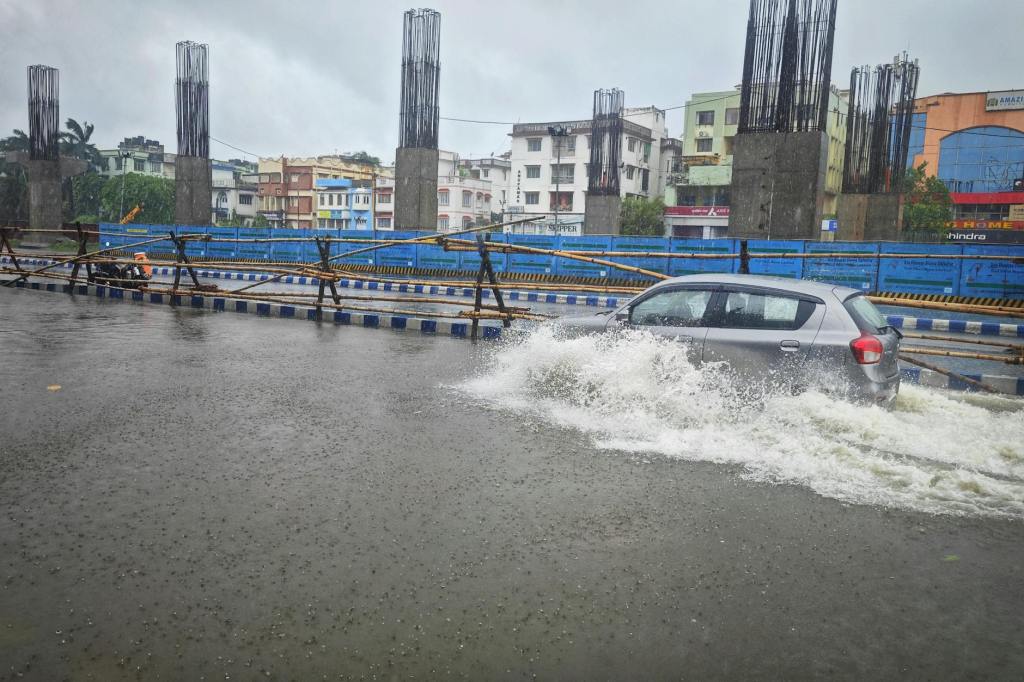
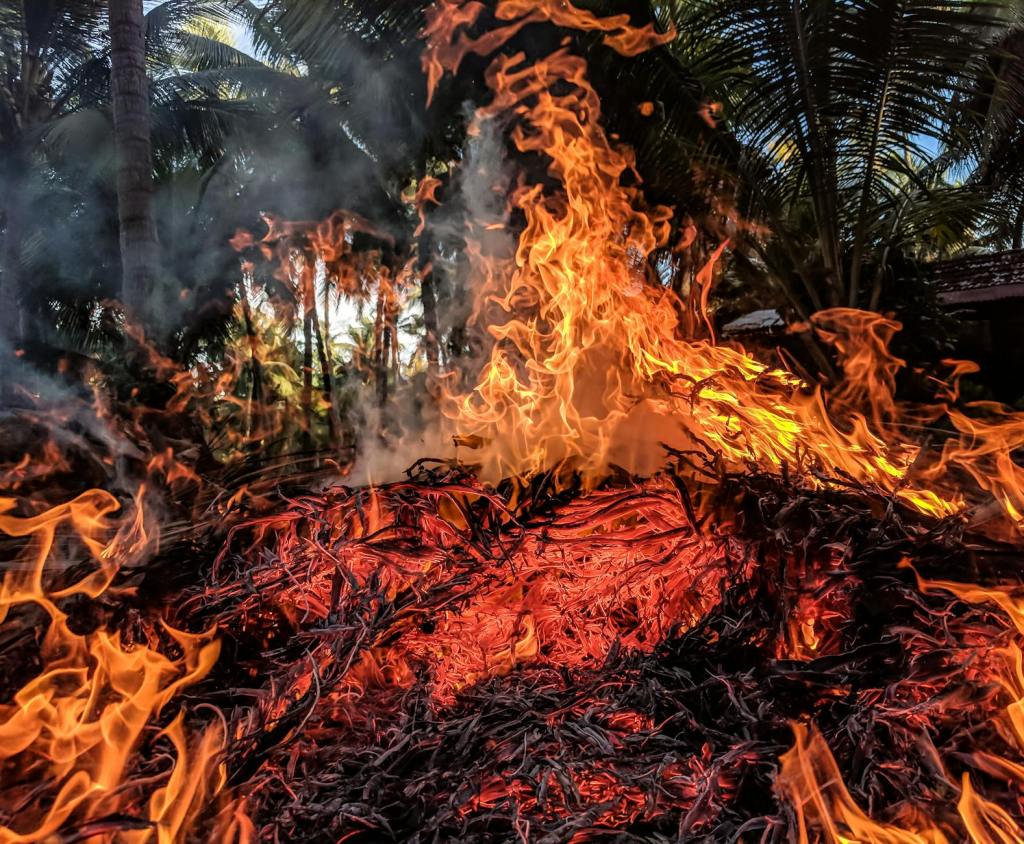
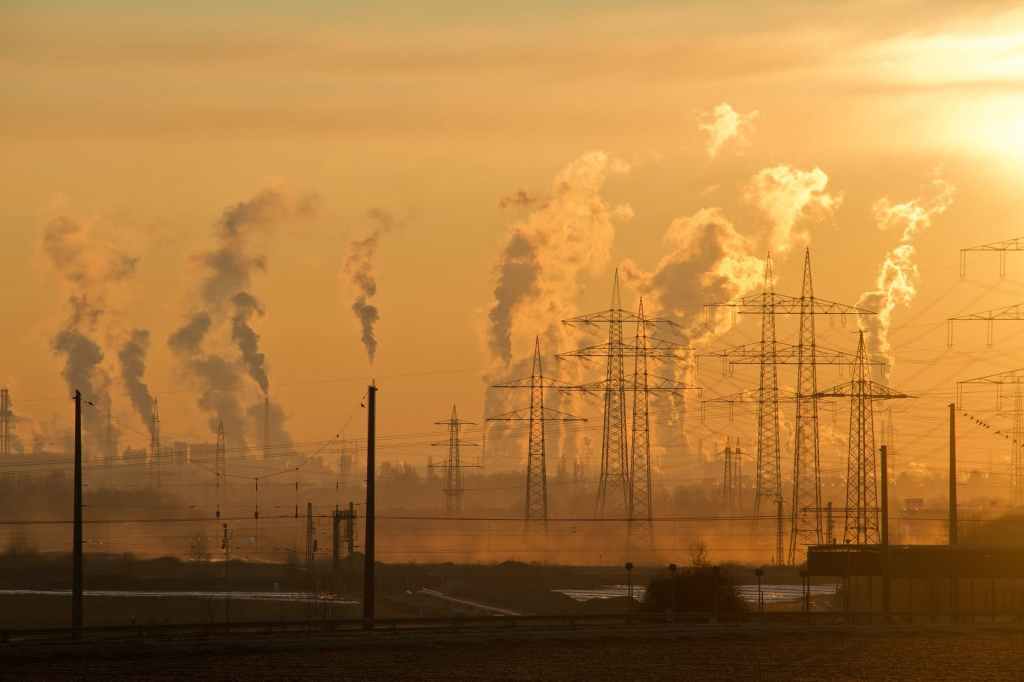
If we break 1.50C global warming (and all the evidence suggests we shall) the effects will be dramatic. There will be alternating cycles of fires and floods in many countries, and for the first time the trend of ever rising food production will go into reverse. The loss of land, and the beginning of floods in coastal cities will lead to rapidly increasing migration pressures. Many would say that is already happening. But it’s as nothing compared to smashing the 20C limit. At that point, sea levels will rise by 40cm by the end of this century, displacing hundreds of millions and wrecking the pattern of the world economy. The surviving lands, wracked by floods and droughts, will start to lose their capacity to produce food at all . The resulting migration pressures will make todays numbers look negligible. As for 30C? It’s too scary to give the full details. But its got something to do with complete collapse of the seasons, fires in the tundras, and social unrest brought about by massive flows of refugees.

In such circumstances a World Government would form very quickly. Because it would be the only body capable of addressing the multiple threats at a global level; Which is the only level at which they can be tackled. History shows that sudden changes in ecology (usually plagues or climate changes) produce truly massive, paradigmatic changes in politics and society . The ending of the Roman Climatic Optimum meant the end of the Ancient world. All its customs, norms and beliefs were washed away in a new Medieval Europe. Similarly it was the Black Death that nailed the coffin of Feudalism, and an utterly new capitalist world was born. The nation state has served us well for hundreds of years. But then-so did cathode ray TVs, plastic musical records and steam trains. So-do we cling to what we’ve got? Or replace it it in anticipation, saving everybody time in the long run?

Further reading:

LSS 3 1 25 et al.

Anatole Lieven Climate Change and the Nation State Penguin 2021

Harriet Bulkeley and Peter Newell Governing Climate Change Routledge 2033

John Vogler Climate Change in World Politics Springer 2016

#black death #climate change #global warming #ecological collapse #capitalism #world government #nation state

Could global warming have been avoided?

Historians of the future (assuming there will be any such) will probably point to the 2020s as the decade when the world began its short unhappy slide into climate catastrophe. The Greek forest fires of 2021; the Californian ones of 2023, combined with floods in Pakistan in the same year that drowned fully one third of that country, were proof, attributable proof ,[1] that human induced climate change had started to wreak incontrollable and irreversible destruction to the fabric of planet’s surface. A fabric that human beings needed to be intact if they were to survive. They will also ask how it was possible that a society with the most advanced techniques of science and communication had allowed itself to arrive at such a point.

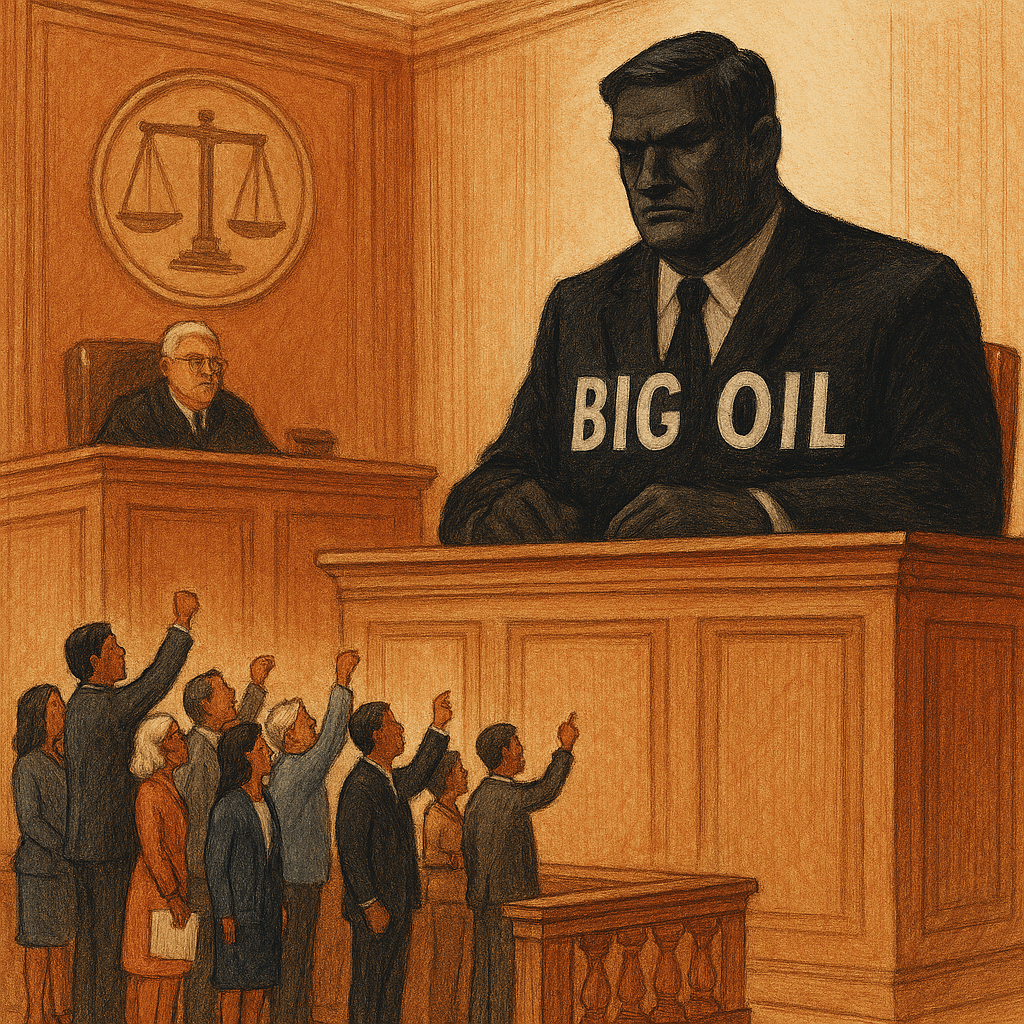
Starting in the 1960s, the warnings had been coming, like the steady rise if a beating drum. The Keeling curve and the concerns of the LBJ administration were early examples. In the 1970s even the CIA (hardly a bastion of Green Woke Communism) had got in on the Act. Through the 1980s and 1990s there were conferences, resolutions and rising alarm. All action was undermined, subverted and rendered null by the fossil fuel industry and the petrostates. Whose actions bore such a resemblance to the tobacco industry and its efforts to deny the links of their product to lung cancer.[3] Perhaps the last reasonable chance to act in time was the Kyoto summit of 1997. Which, if its recommendations had been implemented in full, might have avoided the enormous costs, both economic and in lives, of what was unstoppable by 2020.

And that future was to be? As the temperature gradients warmed through 20, 2.50 and 30C , rising sea levels and wildly fluctuating weather conditions caused whole societies to collapse. The resulting waves of refugees were halted, temporarily, on the borders of safer lands, Until those fleeing returned with armies and weapons which could never be stopped; and the last bastions of order fell. Like a smoker dying of cancer, or a boozer from liver failure: humanity as a whole could just not kick its habit.

[1]https://www.worldweatherattribution.org/

[2]https://earth.org/data_visualization/the-keeling-curve-explained/

[3]https://www.bbc.co.uk/news/stories-53640382

#global warming #forest fire #climate change #flood #oil industry #fossil fuel #cancer #tobacco industry #greece #california #pakistan

Climate Change denial: latest round in a long war of deception

First deny there’s a problem. Then do all you can to delay a solution. Buy up politicians, scientists, bloggers, and bots. The tactics of the fossil fuel industry and outriding nations as they seek above all to protect their comfy lifestyles and exorbitant profits. It’s not just made abundantly clear in this report by Damien Carrington in the Guardian: it nails down every last nail to be had into the coffin lid. [1]

But we’ve seen it all before gentle readers. We recall walking down an alley in London in 1971 with a close relative who assured us there was no definite, provable link between smoking and cancer, OK!? (he died of the latter) Why was he able to state this? Because for decades the tobacco industry had managed a huge campaign of deception, obfuscation and general misinformation designed to give him and his peers every excuse they needed to continue their tragic addiction. Using exactly the same techniques now employed by climate change deniers, funnily enough.. The only difference was that they didn’t have the Interweb to turbocharge their propaganda and illusioning. This rather depressing link to the WHO explains the ghastly details to anyone who may want to know more about the fundamentals of human nature [2]

And what are these fundamentals, by the way? We don’t know them all But we can hazard a guess at some, provisional though we may well be

1 Some people will do anything to make some quick cash, Anything at all.

2 Many people will do anything to avoid facing the consequences of the vile little habits which they have acquired in the course of a lifetime of self indulgence and self deception.

3 Just because you are educated and slightly more far seeing than others around you does not give you tactical superiority in the current wars between the intelligent and our enemies They are incredibly cunning and well funded

4 This ain’t over yet. Keep a close eye on rising sea levels, if you want to live

We will be ready with further insights. inspirations and bons motifs in future blogs. Keep reading. And thanks for all the recent sigh ups and likes. Keep ’em coming.

[1]https://www.theguardian.com/environment/2025/jun/19/climate-misinformation-turning-crisis-into-catastrophe-ipie-report

[2]https://www.who.int/news/item/16-11-2023-new-who-campaign-highlights-tobacco-industry-tactics-to-influence-public-health-policies

#climate change #global warming #ecology #fossil fuels #tobacco #cancer

Renewable energy from seaweed Now there’s a thought

If we are going to get through the current climate crisis, and come out alive at the other end, we ‘ll need to consider every new idea, however outre it may sound at first sight, Which is why we want to showcase, via the Conversation,[1] the work of Mike Allen , Professor of Genomics at the University of Exeter and founder of SeaGen,[2] a company which has the courage and vision to think differently. ]For Mike thinks that by using robotics, he can harness the enormous biomass of seaweed in the sargasso sea, and other places

Now we’ve always been pro- seaweed here. Veteran readers may recall our promotion of the new Sussex kelp forest, both on this site and in articles in local newspapers and websites [3] and we certainly talked about how the stuff, especially kelp, could be a source of all kinds of useful things like food and fertiliser. But as his article and website makes clear, Mike is taking this to a whole new level. By using autonomous robotic systems, the harvesting and processing of the weeds can be done on an ergonomic and industrial scale.

We have no financial or any other connection to this man or his company. But we are massive fans of the hopeful start-up. Because we believe that progress, real progress grows form that complicated network of new companies , university departments, government agencies and anonymous little industrial estates where the real dreams of the future are born. We’ve done stories like this before, and will do more in the future. If you really need a declaration of interest it is this: they may help us to survive.

[1]https://theconversation.com/how-seaweed-is-a-powerful-yet-surprising-climate-solution-251195?utm_medium=email&utm_campaign=Latest%20from%20The%20Conversation%20for%

[2]https://www.seagen.io/

[3]https://www.sussexgreenliving.org.uk/sussex-kelp-forest-leads-the-way-by-keir-hartley-first-published-in-west-sussex-county-times/

#seagen #seaweed #sustainability #robotics #ocean #climate change

Is this a collapse of Civilisation?(they’ve happened before)

Do Civilisations collapse? Do elaborate trade networks fall apart? Giant cities turn into uninhabited ruins? Ancient systems of law, education and custom vanish entirely ? Leaving nothing but an illiterate dark age, racked by violence and disorder? Yes, they can. We’ve alluded once or twice here to the collapse of the Greco-Roman world (LSS 10 3 21; 17 12 22) Professor Harper makes a convincing case for climate change and disease pandemics as the causes of that one. We in western countries are haunted by the Fate of Rome; it was relatively close in time. But there have been others.

The Bronze Age collapse 1200 BCE is further back in time, and has left fewer records, That it occurred there is no doubt. [2] For several centuries a large network of trade had built up across regions which we now call the Near East and Europe. There were cities, elaborate systems or wring and belief, Considerable prosperity; for some, and by the standards of the time. Around 1200 BCE all this was suddenly and violently cast down, with waves of wars and invasions. It took four or five hundred years at least for order of a sort to be restored and progress to resume, Further afield , the collapse of the Shang dynasty in China (c. 1050 BCE) and the Olmec Civilisation of Central America (c, 400 BCE) are chilling reminders that civilisational collapse is not unique to the West.

Art this distance in time it is possible to see a pattern. The natural human instinct to trade and ma make a bit of spare cash gradually leads to the growth of larger and larger cities. These require common systems of law to maintain the rising levels of prosperity. The resulting peace is very pleasant to live under for a few generations. But lurking in the trade routes are the pandemic diseases which can shake societies to their foundations. When you combine that with the ability to cause massive changes in climate(no one would dream of blaming the Myceneans for that!) the potential for sudden catastrophic failure is multiplied exponentially.

Such an event would confront the educated classes(of which the readers of this blog are such valuable members) with a number of inconveniences. We will look at possible responses in the next few blogs,

[1]Kyle Harper The Fate of Rome Princeton University Press 2017

[2] https://en.wikipedia.org/wiki/Late_Bronze_Age_collapse

#olmecs #shang dynasty ##kyle harper #pandemic #climate change #global warming #collapse

Do glaciers have political opinions? and some other mystery questions do get you thinking

Instead of all those discourses on things like microbiology or economic history, we thought we’d offer you something a little different today, gentle readers. We’ve decided to come up with one of those puzzle exercises, you know, brain teasers they call them. So here are 11 questions designed to get you thinking, to stretch the old grey matter as t’were. And the good news is: Most of the answers will be available somewhere on the Interweb, or via the websites we have so helpfully posted below.

1 How do you explain the change in the ratio of C13 to C12 in the atmosphere since 1850? Why did this ratio seem have fallen especially quickly after 1950?

2 Since 1750 about 2400 gigatonnes of carbon dioxide have been added to the atmosphere. If this call came from volcanoes, why is the isotopic signature of atmospheric CO2 so different from that from volcanic sources?

3 Do glaciers retreat because they share the political opinions of the Green Party, or is all this melting caused by something else?

4 Why have global surface temperatures increased by 1.2% since the late nineteenth century, but stratospheric temperatures actually fallen?

5 Why is the ocean warming faster than the land? Why would the land warm fastest first if all this were caused by the Sun?

6 Why does spring arrive earlier and earlier in the Northern hemisphere?

7 Do fish conspire with extremists,or have their migrating patterns changed for other reasons?

8 What is causing all these temperature rises anyway?

9 Why is the atmosphere of Venus so hot? And why is the atmosphere of Mars so cold?

10 Do you think rises in sea levels will drive increases in human migration?

11 If scientists are right about cures for cancer, physics, astronomy computers and many other things, why are they suddenly wrong about climate science?

[1]https://royalsociety.org/news-resources/projects/climate-change-evidence-causes/

[2]https://science.nasa.gov/climate-change/evidence/

[3]https://www.climate.gov/news-features/climate-qa/what-evidence-exists-earth-warming-and-humans-are-main-cause

#climate change #global warming #climate science #carbon dioxide #ecology #pollution

Capturing Carbon from the sea-a new idea to contain global warming

One thing we know for certain: the amount of carbon dioxide in the atmosphere isn’t going down any time soon. Last time we looked, it was about 420ppm, which is 50% higher than it was before the industrial revolution. [1] People are not cutting back fast enough. Natural “sinks” like oceans and forests are being destroyed. And despite all the valiant efforts to replace these natural systems with technologies that capture CO2 from the burning atmosphere, they are not happening fast enough. We are going to crash through the 1.5O safe limit. Is there any hope of a short cut which might give us a lifeline?

According to Professor Tom Bell of Exeter University there is indeed. Seawater holds 150 times as much carbon dioxide as air does. And so he and his teams have devised a Cunning Plan to start pulling all the extra deadly gas form the water, and putting it to safe storage. We’ve two versions of the story today. One from Jonah Fisher of the BBC[2] if you’ve only got time for a quick espresso. For the double latte and piece of cake crowd, there’s a really clear set of pages from Exeter University itself.[3] We found the graphics to be rather good on this one.. so give it a go.

All of which brings a wry smile to those of us with long memories. Notice, good reader, how the project is being funded by the UK Government. Back in the 1970’s it used to run hundreds of initiatives like this. Many of which later spun off into successful products which in turn founded the fortunes of many a successful export company. (An elderly member of our Editorial Board can bear personal testimony of this from the world of Forensic Science) Then along came the free marketeers, bleating their mantra “Private sector good; public sector bad” like so many sheep from Animal Farm. You can see the results of that “thinking” in the UK Trade Gap, which has been widening steadily ever since. Professor Bell thinks his project can be scaled to capture 14 billion tonnes of carbon dioxide a year. It could be a major industrial and export success for Britain. Surely this one should be left to the pragmatists?

[1]https://www.ibtimes.com/atmospheric-co2-more-50-percent-higher-pre-industrial-era-3529972#:~:text=Concentrations%20of%20carbon%20dioxide%20in%20the%20atmosphere%20in,

[2]https://www.bbc.co.uk/news/articles/cr788kljlklo

[3]https://sites.exeter.ac.uk/seacure/

#global warming #carbon capture #atmosphere #oceans

24 Deadly Diseases that could land on our shores

Of all the ways to go, Ebola Fever is one we’d prefer to avoid. First, your temperature shoots up to an unhealthy 39 C. This is followed by agonising bowel cramps and uncontrolled bloody diarrhoea. Finally the patient starts vomiting blood. Death, which usually follows in 80-90% of such cases, may begin to seem a mercy. Readers with long memories may recall an epidemic of this disease in Africa between 2013 and 2016. Fortunately it was contained, due the efforts of public health officials and brave, skilful medical professionals. Who managed-just- to confine the death rate to 11 323 unfortunate souls. It doesn’t bear thinking about what might have happened had they failed. But according to Professor Harper, a pandemic caused by a similar disease broke the back of the Roman Empire and effectively ended the civilised world[1]

Now a report by the UK Health Security Agency[2] [3] lists Ebola as one of a group of 24 deadly diseases which could land on the shores of this sceptr’d isle at almost any time. As most readers will recall, Ebola is part of the Filoviridae family(an honour shared by the mortiferous Marburg virus) But travelling companions include the Flavoviridae (dengue, zika) Coronaviridae and all sorts of bacteria including the ones for bubonic plague and anthrax. Kat Lay of the Guardian has a nice quick take on the story. And its proximal causes, most of which come down to climate change and habitat destruction.

And our take? It’s good to have some sort of professional public health body that can at least take note of, and warn about, these sorts of things. But the poor old UKHSA has been starved of funds, largely to finance tax cuts to pay for the purchase of Bright Shiny New Things. The production of which leads to climate change, habitat destruction, and…………….you get the picture. If today’s seems a bit of a UK-centric blog, so be it. We are a pretty representative average sort of country, and you face the same threats that we do. If these diseases are appearing on our threat list. they’ll be coming up on yours soon. They have the same ultimate causes.

[1] Kyle Harper The Fate of Rome Princeton UP 2017

[2]https://www.theguardian.com/science/2025/mar/25/uk-experts-urge-prioritising-research-into-24-types-of-deadly-pathogen-families

[3] https://www.gov.uk/government/news/ukhsa-highlights-pathogens-of-greatest-risk-to-public-health

#pandemic #virus #bacteria #epidemic #climate change #global warming

Sustainable building materials? UK Hempcrete shows the way ahead

For those of us who spend our working lives worrying if the next generations will even survive, the global building and construction industry is a source of some angst. Yes, all those people have got to have places to live, and work, and to get cured of diseases caused by lack of antibiotics (LSS ad nauseam) The trouble with Construction is that it’s so eye-wateringly carbon expensive. Here’s one long fact for one short blog: if you add all their carbon costs together (resource extraction, transport, construction, demolition, recycling, plus cooking all those enormous English Breakfasts they all eat), it all adds up to a whopping 37% of global emissions. Any ideas?

One way ahead is to make the materials they use for things like floors, ceilings, walls and so on, a lot more planet- friendly. Which is why we want to showcase the work of a British firm called UK Hempcrete. [1]Hempcrete is an exciting new type of biocomposite made from the stalks of hemp plants, as well as more traditional materials such as lime and sands. [2] But the new mix carries two key advantages. Firstly , and unlike traditional building materials it actually acts as a sink for CO2 over the course of its use. Secondly, it’s hygroscopic, allowing for much better moisture balance in buildings made from it. Every year we burn billions of tonnes of fuels trying to keep our buildings warm and damp- free. This new material gets around that problem almost entirely. But you can read a lot more about this company and its subsidiaries from their website and our other links; they’re much better at it than we are.

And, as you’re asking, do we have an interest in this company? Financially, no-we’d never even heard of them, or hempcrete, until our researchers flagged them up this morning. But we do have an interest in survival. And long ago we decided that it would not come from making people more virtuous, but by setting up ways to let people make money from progress. Which is why we plug, shamelessly, the work of all sorts of companies here, from net zero aviation folk to Biotechnology enthusiasts in the heart of the Cambridge Science Park. (LSS passim) Of course we keep the usual media/PR links to these outfits when we’ve finished. But that’s more on your behalf, gentle readers, not ours. Any attempt to get our construction industry onto a more sustainable, cleaner and rational footing will always earn the support of this blog. Good luck, UK Hempcrete-and keep it coming.

[1]https://www.ukhempcrete.com/

[2]https://en.wikipedia.org/wiki/Hempcrete

[3]https://www.ukhempcrete.com/services/material-supply/

#global warming #carbon emissions #ukhempcrete #sustainability #consrtuction industry #building

Is Carbon Dioxide already killing us? An old blog revisited

About five years ago we published this blog called is Carbon Dioxide the new Passive Smoking?

We already know that rising levels of carbon dioxide from global warming are bad for the planet. They are ruining the climate, causing floods raising sea levels, and making fertile areas uninhabitable. But are they already starting to kill us individually?

Before global warming, the average level of CO2 in the atmosphere fluctuated around 280 ppm (parts per million). Now it hovers around 410 ppm; by the end of the century it could be around 670 ppm or even higher.

The human body can sustain low levels of CO2 in the atmosphere-we’ve adapted to it. High levels are normally only a problem for people like building workers, astronauts and captains of nuclear submarines. Research shows that there is no question that the sorts of levels these people can meet will do you serious harm, but most of the work is concentrated around very high CO2 concentrations at thousands of ppm, with very short exposure times , both for obvious reasons.

But as CO2 levels rise, what happens to all of us as we breathe in steadily rising levels day in day out, without a break? Especially in places like offices, where it tends to become more concentrated.

Now a paper from Nature Sustainability by Tyler Jacobsen, Jasdeep Kler* and their co-workers looks at this question.   Some of their findings are disquieting, to say the least. Firstly chronic CO2 exposure does seem to have health risks. There’s a long list, but the main stand outs are on cognitive ability, kidney calcification and endothelial dysfunction. Secondly, this is a preliminary paper, as the authors admit. A very great deal of work remains to be done. And that will mean setting up research programmes, signing up scientists and re-budgeting whole departments.

There is a worrying historical parallel. When the first early papers on the effects of cigarette smoking were published, they were largely ignored. Which only gave the danger time to grow. And at least individual smokers were able to mitigate the risk by giving up. But for passive smokers the risk was everywhere. If you lived or worked or socialised with a smoker, you couldn’t help breathing the stuff in. It’s the same with carbon dioxide-there’s no getting away from it

We are aware of the dangers of crying wolf, and of course it’s perfectly possible that this may not be as serious as some of the other problems currently besetting the world. But isn’t it time we researched a little, just to make sure? (LSS 11 2 2020)

Since when very little has changed, Except perhaps that atmospheric levels of CO2 have almost certainly risen a little. Again, we stress that we don’t know the answer, and are calling for research, not immediate action. But this this blog has a lot more readers now. We include the reference below. Do you know anyone who thinks this ought to be investigated further, by practising scientists or doctors?

Direct Health Risks of Increased Atmospheric CO2

Tyler A Jacobson, Jasdeep Kler, Michael T Herneke Rudolf K Brown, Keith C Meyer and William E Funk

Nature Sustainability Review Article Vol 2 August 2019 pp 691-701

#globalwarming #climatechange #co2levels #health risks #environmental health #passive smoking #health #medicine