Carbon Brief: What a website for all things Global Warming!

Readers, contributors, even our downtrodden staff, we apologise wholly and unreservedly for not telling you before about Carbon Brief.  Because what a website it is, ladies and gentlemen! For here you will find everything you need in what is rapidly becoming the only issue of our soi-disant times, clear and present climate breakdown due to human induced global warming. But do not despair For Carbon Brief [1] has  in depth coverage of climate science, policy, newsletters analysis and a handy Fact Check custom made to refute all the hot air opinions you’ll hear in the Dog and Duck this weekend. Has Mr Trump got it entirely 100% right about the IPCC? Can you think of nine myths about oil in the North Sea? What is really keeping UK energy prices so high (if you’re a mum with a family you might find that last one especially poignant) Answers to these and many more canards are to be found in this excellent section of the website. But of course there is much, much more.

Dear ladies and gentlemen, once more we can only apologise. For we have tried our best, our level best here on Climate change. But to be frank, compared to this lot we  “am become as sounding brass, or a tinkling cymbal”, as St Paul memorably observed in his notable e mail to the Corinthians.  From now on we honestly and humbly advise you to check out Carbon Brief wherever and whenever you need facts and balanced reason on the whole catastrophic matter. Teachers in particular might find swarms of subjects for lesson plans. Those enduring social visits from cantankerous relatives, or who have to deal with the opinions of elderly neighbours over the garden fence will find even more. We will end with an even more relevant extract from that same  e mail from theat same wily  old scribe from Damascus:

For now we see through a glass, darkly; but then face to face: now I know in part; but then shall I know even as also I am known.” That’s 1 Corinthians 13:12, to you and me.

Even if you’re not a Corinthian,  click on Carbon Brief now. What are you waiting for?

[1] Home – Carbon Brief

#carbon brief #global warming #climate change #fossil fuels #coal #oil #ecological collapse

These fires are predictions coming true: so what about the future?

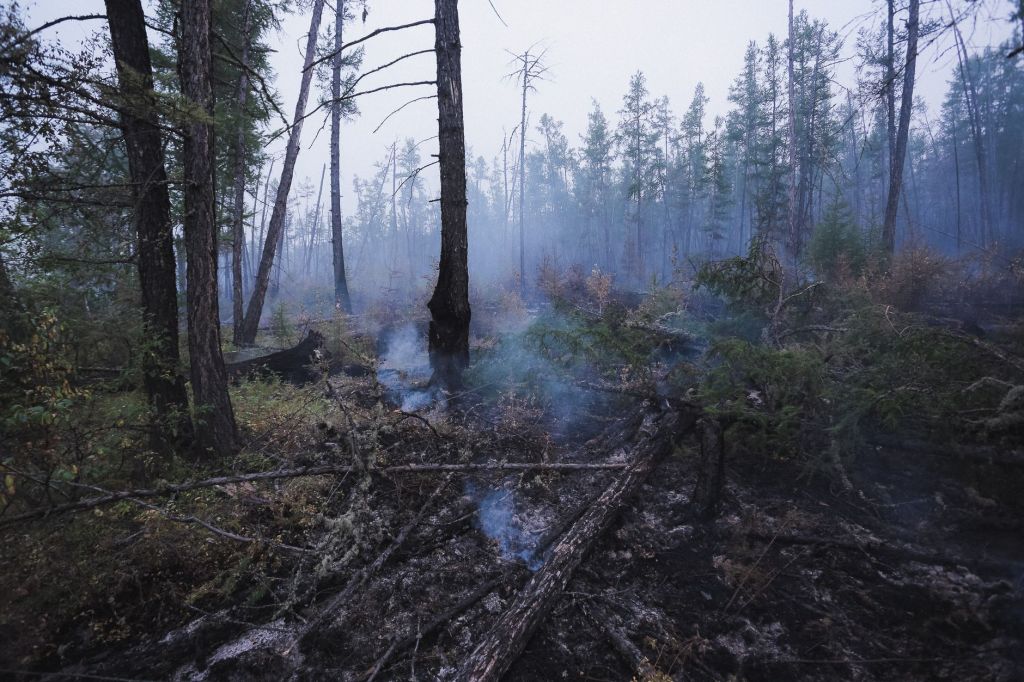
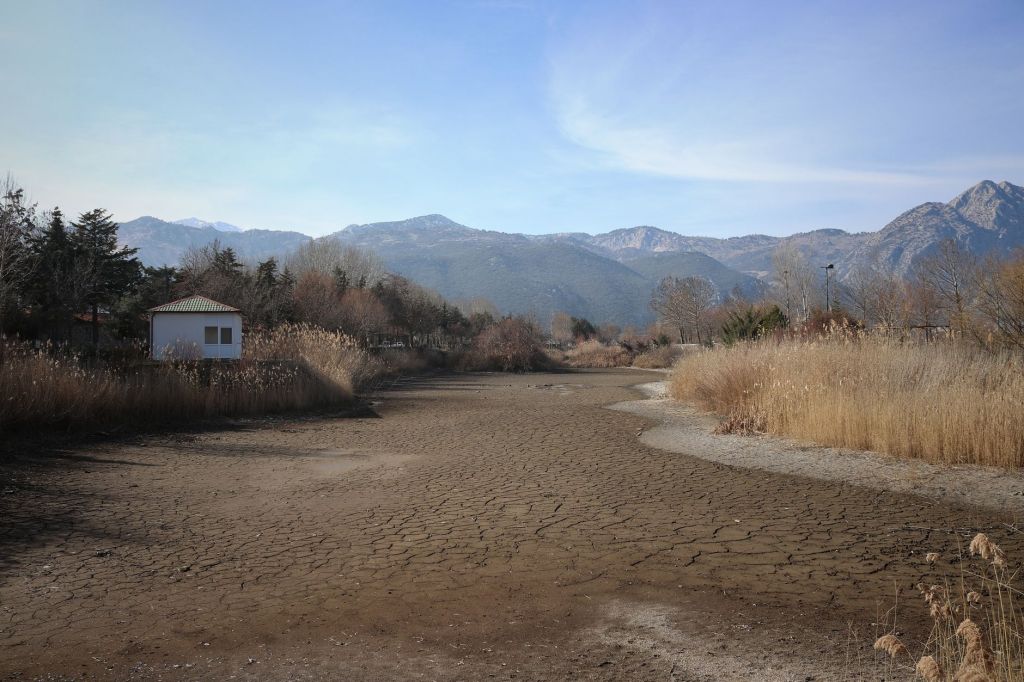
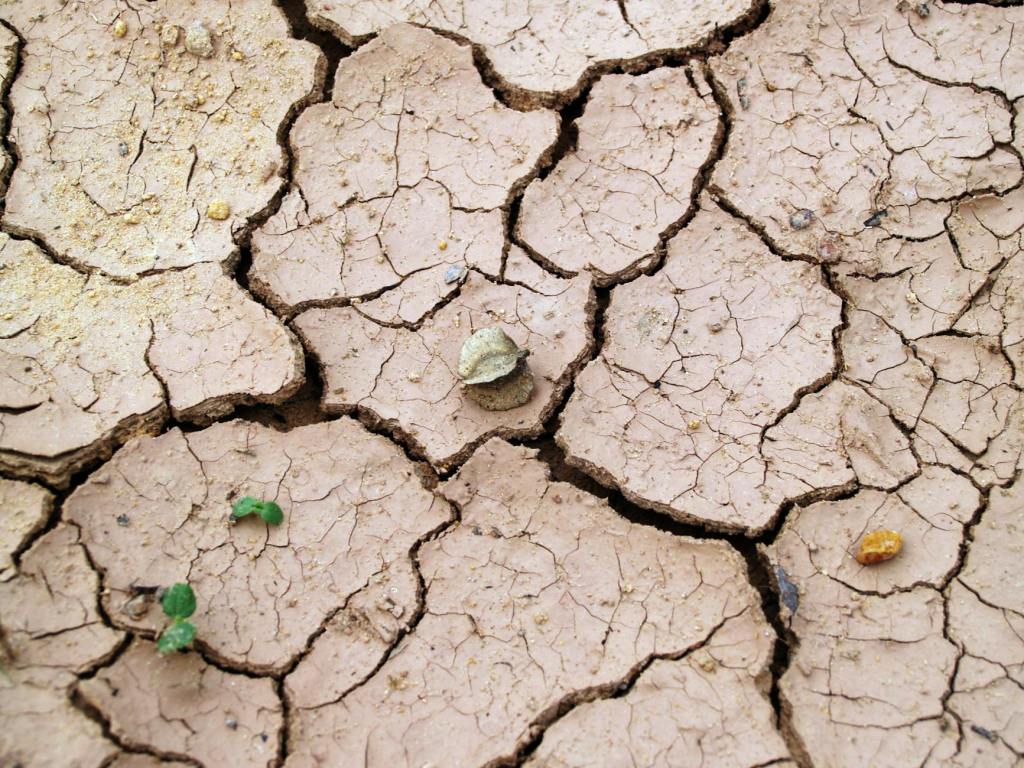
Europe burns: June 2026 was the hottest June ever recorded in western Europe, driving temperatures to the highest levels seen in more than a century. In France, drought, low humidity and repeated heatwaves have turned forests into kindling; wildfires have already burned 35,400 hectares, four times the usual area for this point in the season, while Spain has lost 55,128 hectares, double its average. Across the continent, extreme heat is desiccating lakes, soils and crops at rates made many times more likely by human‑driven warming. Rivers across Europe are running so shallow that cargo ships are restricted, hydropower is curtailed, and Danube and Rhine river‑boat holidays are being cancelled because the Alps did not produce enough snow to melt into summer water levels.

Beyond Europe, the world’s high places are breaking too. In the Himalayas, the 2026 monsoon outlook warns of a dangerous paradox: long droughts punctuated by sudden cloudbursts, raising the risk of flash floods, landslides, and glacial‑lake outbursts across Nepal, Bhutan, India, and Pakistan. North America is enduring its own climate convulsions. The United States — where the cultural refrain “drill, baby, drill!” still echoes in parts of the political landscape — has been hit repeatedly by record‑strength heat domes, driving temperatures past human‑health thresholds and straining power grids from California to the Midwest. Canada, meanwhile, continues to reel from unprecedented wildfire seasons, with boreal forests burning at scales once considered impossible.

As early as the 1990s, researchers warned that rising temperatures and shifting rainfall would intensify fire regimes, especially in regions where drought and heatwaves coincide. By 2001, the IPCC’s landmark report Climate Change 2001: Impacts, Adaptation and Vulnerability [1] had already catalogued the pattern: climate change would alter “disturbance regimes” in forests, increasing the frequency and intensity of fires as ecosystems dried and heat extremes sharpened. It noted that major fire events in the 1990s — from the Amazon to Indonesia — were early signals of a climate‑driven shift, and that future warming would make such events more common and more severe. These were predictions, not scare stories, made by scientists who understood the physics, ran the models, and told us plainly what was coming. Remember: making accurate predictions is one of the signs of good thinking. Yet we also remember the barrels of scorn and opprobrium poured upon them by various well‑oiled journalistic and political machines that helped avert any meaningful action.

And the latest predictions? If we continue on our present path, the IPCC projects that by the 2030s and 2040s vast regions of the world will shift into permanent fire weather, with fire seasons lengthening by one to two months in southern Europe, western North America, and Australia. The World Meteorological Organization expects 1.5°C of warming to be locked in during the 2030s [2], a threshold at which extreme heat becomes annual, drought becomes structural, and forests lose their ability to recover between burns. By the 2040s, climate models show Mediterranean Europe facing megafires every few years, Canada’s boreal forests transitioning into a fire‑dominated ecosystem, and the American West experiencing summers where smoke becomes a chronic public‑health hazard, not an occasional crisis. The Himalayas, meanwhile, are projected to lose up to half their glacial mass, destabilising rivers and increasing the risk of catastrophic glacial‑lake floods. None of this is speculative; it is the median outcome of the world we are building. The scientists have already run the numbers. Will you still let a politician or a journalist tell you these scientists have been wrong all along? [3][4]

[1] Climate Change 2001: Impacts, Adaptation and Vulnerability — IPCC

 [2] WMO Global Climate Update; IPCC AR6

[3] Royal Society: Evidence & Causes of Climate Change

 [4] IPCC AR6: Impacts, Adaptation and Vulnerability

#Nepal # Bhutan # India #Pakistan#United States #canada #spain #france #climate change #fossil fuel #global warming #alps #snow

New batteries offer more hope on Climate Change

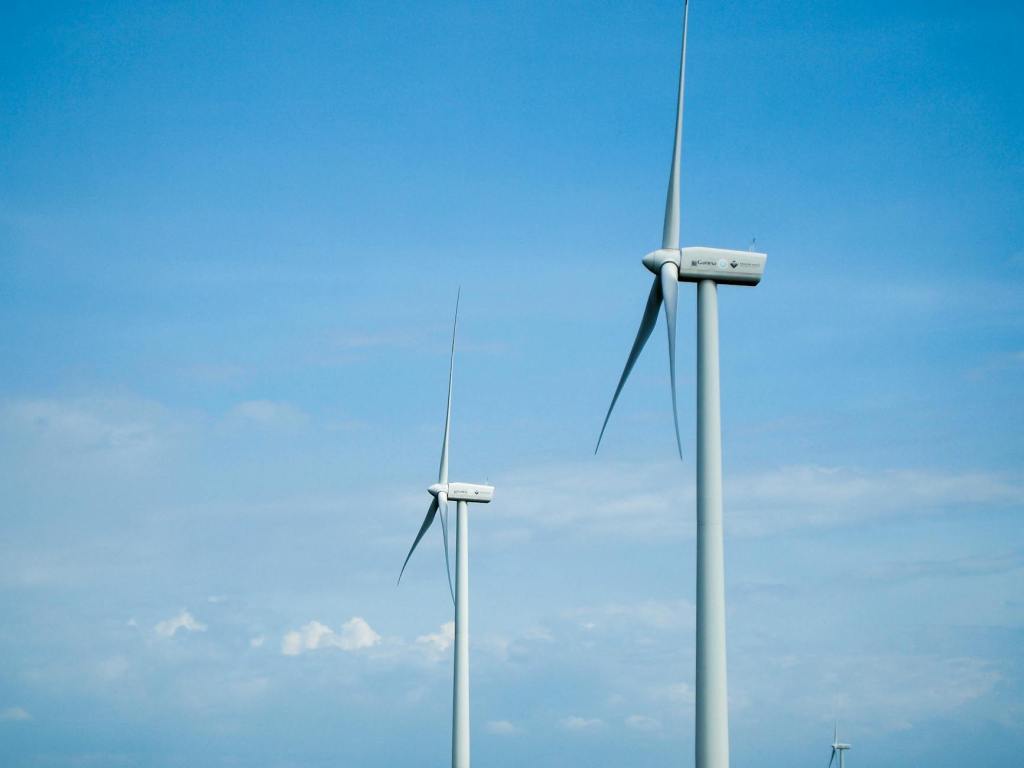
Ever since climate deniers lost the argument on basic science, they have spent their time sneering at every new sustainable initiative. Targets of their scorn include solar panels, windfarms and of course batteries, which will never be big enough/stable enough/environmentally friendly enough for their liking. That last bit always makes us laugh; so should their reaction to this new development in sodium-ion batteries as explained by Nature Briefing in this excellent piece called The Battery that could change everything

Sodium-ion batteries promise to be cheaper, safer and more environmentally friendly than the lithium-ion cells that currently dominate technologies such as electric cars. And the sea-change could finally be here: CATL — the world’s largest battery producer — has announced that it will start mass-producing sodium-ion batteries by the end of the year. A swell of interest from battery makers and researchers has helped to solve longstanding challenges, such as a lack of durability. Nature | 10 min read

There’s so much to like here that we don’t know where to begin. Sodium is so much more abundant and easier to mine than lithium: so that’s the environmental and cost bases covered in a nutshell. Sodium batteries[1] will be safer, and better in cold weather than their lithium-ion cousins that we use so much now, Yes, they will be heavier and have lower energy densities. But that will not matter in most applications such as short-range cars, domestic and industrial power storage, the delivery market and back up of all kinds. Lithium will still probably win out in areas of high performance like luxury long distance EVs and aircraft propulsion. But- energy technology is not about final winners, it’s about horses for courses.

And there’s a final, Devil-whispers-in-our-ear warning for fans of Geopolitics. Note once again how the initiative in all this is coming from China. One hundred years ago, America was the home of all that was new. Now it seems determined to stick to the old methods of fossil fuels as if the blissful moment of its perfection can somehow be preserved forever.  Not a happy choice.

[1] Sodium-ion battery – Wikipedia

#sodium ion batteries #lithium batteries #climate change #renewables #global warming #energy #sustainability

Rechargeable liquid battery-one of the best news stories for a long time

One of the great pleasures of writing this blog is the opportunity to riff on really good news stories. Especially when they come from trustworthy and erudite sources like Nature Briefing. Even more when they fit so clearly with our own ideas on how humanity might survive this interminable polycrisis.  Let’s begin with the story,  New Liquid acts like  rechargeable battery which they are basing on Science and Chem (their links below)

A new type of liquid can harvest and store energy from light to act as a rechargeable power source. The liquid contains a molecule that absorbs electrons from light, which prompts a restructure into a jelly-like substance. This gel remains stable for months at a time and can release the stored electrons upon contact with oxygen to power chemical reactions. The research is still in very early stages, but such a metal-free energy storage system could one day be useful to power small devices such as smartwatches. Science | 4 min read
Reference: Chem paper

And our thoughts? They are both particular and general, gentle readers. In particular; it’s early days yet but if it works, we are looking at a metal free battery replacement. Think of how much dirty, energy intensive mining that could save. No more batteries to throw away. Even the complex panels and wires of modern panels suddenly look a tad passé, don’t they? Putting the new technology firmly on the same road as other new imaginative third-generation systems such as organic solar cells and self-charging polymers. The portfolio of ever more imaginative and ever more ecologically sound generation systems just grows and grows. Which leads us to our general points. Firstly: to preserve such archaic technologies as oil and gas is as mistaken as wanting to go back to typewriters in offices or using huge stone circles such as the one at Stonehenge to tell the time. Any nation that chooses fossil fuels will soon be at a hopeless technological disadvantage.  But secondly: get this from the Science article, because we think it’s a killer point about everything we do here

The new material draws inspiration from the behaviour of the cytoskeleton, the constantly self-assembling and disassembling network of protein filaments within a cell that enables it to move and divide.

Yes, you guessed it, That same oft-repeated truism we’re always trotting out “basic research in one area will produce unexpected dividends elsewhere”  has been proved again. That’s something  our readers all around the world will agree with.

 #energy #technology #sustainability #solar power #batteries carbon emissions #renewables

Round Up for Bank Holiday Weekend: Climate Migrants, Migrating whales, Wales’ climate-and more

Stories we liked but never had time to cover this week

Every Immigrant an Emigrant If you’re really serious about migration, tackle the causes, we say. This article from the Conversation makes our point rather well. Economics and ecology: tackle those and you will have solved the problem.

https://theconversation.com/who-moves-away-when-climate-change-hits-the-hidden-household-politics-of-migration-281470?utm_medium=email&utm_campaign=Latest%20from%20The%20Conversa

Wandering whale The immense migrations that some animals make have always impressed us none more so than the journeys of this remarkable humpback whale as chronicled by The Guardian. Incidentally, cetacean fans will be delighted by the forthcoming edition of that remarkable magazine Sussex Local, which carries a tour de force of in-depth reporting on dolphins and other large mammals in the English Channel. Don’t miss it!

Twenty-two years and 15,000km later: fluke discovery sets new record for humpback whale journey | Marine life | The Guardian  wandering whale

Was T Rex fairly armless? Sorry we couldn’t think of a single Marc Bolan gag that we could decently publish  here, so we’ll let you read this article about one of the more famous unsolved puzzles in science.

Why did T. rex have such small arms? Scientists finally SOLVE the mystery – and say the answer may lie in their giant heads | Daily Mail Online

How long can a civilisation last anyway? If you’re one of those types who thinks “I don’t give a monkey’s about climate change, I’ll be dead before it happens” then this article from EL País may give pause for thought.(note-in Spanish)

https://elpais.com/ciencia/2026-05-20/cuanto-tiempo-puede-vivir-una-civilizacion-antes-de-colapsar-las-utopias-estables-son-los-escenarios-menos-probables.

Fortress Britain People in Britain used to sneer at the disasters-climatic, political, economic-which befell less fortunate countries. Not any more, as climate change erodes their complacency in many forms, including biting insects, burning summers and flashing floods. Even in cool green Wales, as this link from the BBC makes clear

‘Negligence’ not to prepare for climate change emergencies in Wales – BBC News

Basically, it’s reckless indulgence in our beastly pleasures that have brought the climate crisis upon us.  Shakespeare had this to say

Thou art so fat-witted with drinking of old sack… that thou hast forgotten to demand that which thou wouldst truly know.” — Henry IV, Part 1 (Act 1, Scene 2)

#climate change #global warming #whales #dolphins #dinosaurs  #economics #sociology

Hats off to the Ellen Macarthur Foundation, doing so much to make a sustainable world

Give us credit: we’re always trying to cover organisations who are  trying to make a difference to the enormous toxic mountain of stuff that everyone throws away every day. We’ve no ideological bias- we’ve lauded the efforts of governments, charities and universities down the years. One thing though: we’ve always had a soft spot for is start-up companies, because they are often where the best and the brightest are to be found. Over the years we’ve looked for them in places as diverse as Nigeria (LSS 23 12 25) Australia (LSS 13 11 25) and the UK (19 9 23;3 3 25) A tiny sample of what’s out there, but we know it gives you all hope. And if you want more hope, we have discovered an amazing place to look: The Ellen Macarthur Foundation.

Because their website [1] is a cornucopia of good news about companies, initiatives, and projects all designed to create a circular economy, which is, in their words:

a system where materials never become waste and nature is regenerated……. products and materials are kept in circulation through processes like maintenance, reuse, refurbishment, remanufacture, recycling, and composting. The circular economy tackles climate change and other global challenges, like biodiversity loss, waste, and pollution, by decoupling economic activity from the consumption of finite resources.

And there is a truly encyclopaedic guide to the vast range organisations they work with to achieve this laudable end Click for yourself, it’s so far up our LSS street we could put our brass plate on one of the doors. It’s always unfair to pick examples: but we could not resist telling you about Arda Biomaterials of the UK who are transforming waste barley grains from the drinks  industry into new types of fabric. And a Spanish outfit called AOS who build advanced insect bioconversion plants using larvae to recycle food waste and by‑products into organic fertilisers and animal feed ingredients.

It’s funny where people get their hope from, isn’t it? Some from a bottle, some from various white and brown vegetable products. Ours comes from knowing there are still many intelligent and rational people labouring their utmost to overcome this sorry mess which the ignorance and greed of others has landed us all into. And the Ellen Macarthur foundation is a big part of the solution.

[1] Leading the Transition to a Circular Economy | Ellen MacArthur Foundation

#circular economy #recycling #sustainability #waste #commerce #business #green economy #The Ellen Macarthur Foundation

Eleven Hottest Years: While the world argues, the planet sets another relentless record

We once asked someone who is far more intelligent than we are: “what is the secret of intelligence-what do intelligent people really do?” And he replied, “they pick out what is really important from what is merely important,” And in that spirit we urge you gentle readers to approach this story from Nature Briefing with due attention. Put it, as t’were in context with the doings of Mr Trump , the England cricket team and the various rescued felines who will flicker across your screen this morning. All important, no doubt. Yet this is the story which will affect you, your children and their childrens’ children for decades to come. Or maybe not: for it has the potential to ensure that such generations do not exist They’ve  called it We’ve just had the hottest 11 years on record

The years from 2015–2025 have been the hottest stretch on record, according to a report by the World Meteorological Organization. For the first time, the report includes a measure called Earth’s energy imbalance — the difference between incoming energy from the Sun and the amount radiated back into space — which is at its highest level since observations started in 1960. And in 2024, the latest year that global figures are available, atmospheric CO2 reached its highest concentration in two million years. “In this age of war, climate stress is also exposing another truth: our addiction to fossil fuels is destabilizing both the climate and global security,” said United Nations Secretary-General António Guterres in a statement.

Nature | 5 min read
Reference: State of the Global Climate 2025 report

There are many sorrowful things in here gentle readers, but we advise you to read them for yourselves. What actually scares us is this. Humans seem really good at identifying a perceived threat from other groups of humans. And reacting to it with hysterical fear and anger. They seem less good at perceiving and contending with long term insidious but ineluctable threats that threaten them all with extinction. Is this an actual cognitive defect of the human mind? In which case what chances will Natural Selection offer us in the next few decades?

#climate change #global warming #fossil fuels #oil #middle east #pollution #human extinction

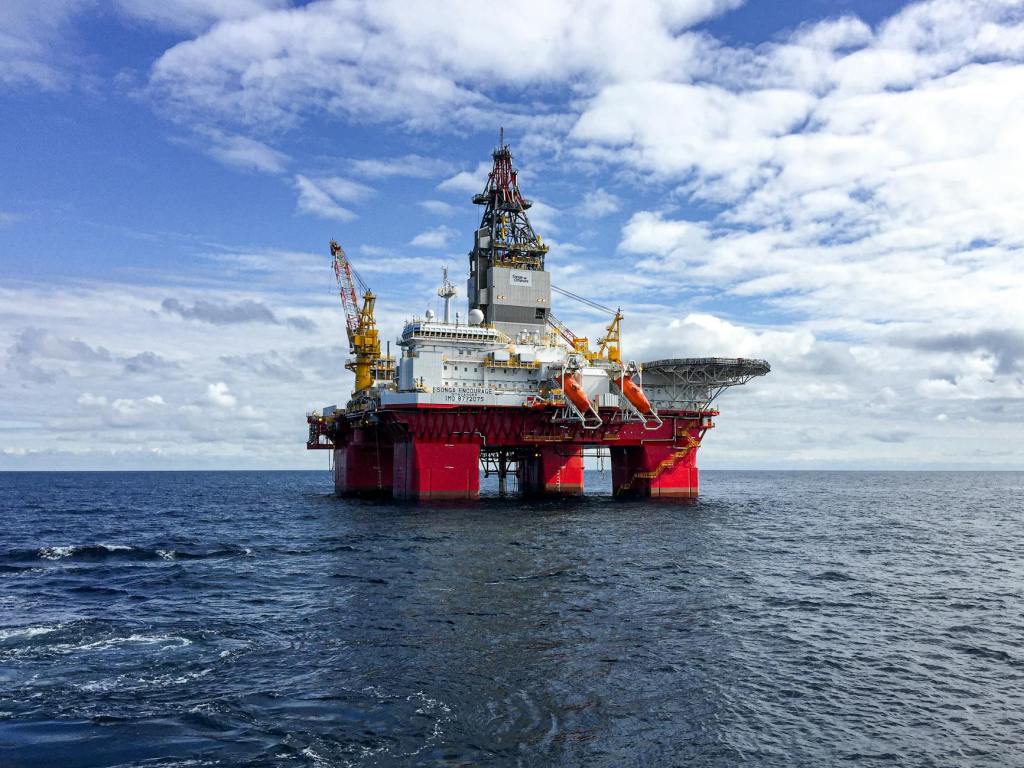
Why North Sea Oil is an error in critical thinking

It’s always touching to listen to the philosophical musings of our old friend Dave Watford and the lads at the Dog and Duck. Last night they favoured us with their thoughts(is that the right word?-ed) on the current Energy crisis:

Iss Bonkers! Why don’t we jus drill fer all that oil inna (expletive deleted) norwf sea, an forget orl this (expletive deleted) green palaver? There’s loads of it aht there, an we’d be enji sufichent and all that. Thass wot we did inner noineen (expletive deleted) ighteez an we ad loadsa munny”

That was the gist of what they said. But however well-meant their intentions, their  chain of reasoning suffers from two fatal flaws: availability bias, and simplification.  In fact this article from Cassandra Etter-Wenzel Anupama Sen and Nadia Schroedern so utterly confronts these errors that we offer it to you more in the spirit of a master class in clear thinking than a comment on energy policy.

Availability Trap 1 Yes there is oil under the North Sea. But even if extracted, it would go straight to world markets, meaning it would have no effect on consumer energy prices in the UK.

Simplicity Trap 1 All that gas would bring down prices  The precise cost of the energy (gas renewable, whatever) is called the wholesale price and consitutes only 41% of the price paid per house. The rest includes many other factors like network running costs, etc.

Availability trap 2 Ignore the potential cost savings from renewables, which would actually bring the wholesale price of energy faster

Simplicity trap 2 Ignore other factors like insulation (at which the UK is dire) which would be addressed by a renewable based modernisation policy

Availability Trap 3 Completely ignore that the UKs utter dependency on fossil fuels has led to disaster in the past (1973: 2022) and is therefore likely to do so again

And finally: nostalgia for a vanished golden age is no guide to policy whatsoever. We don’t know the name for that error, but it’s probably the biggest one of all.

Hats off to Will de Freitas of the Conversation for commissioning this exquisite article

https://theconversation.com/would-more-north-sea-drilling-lower-uk-energy-bills-our-analysis-says-no-278467?utm_m

#fossil fuels #renewables #energy #climate change #north sea

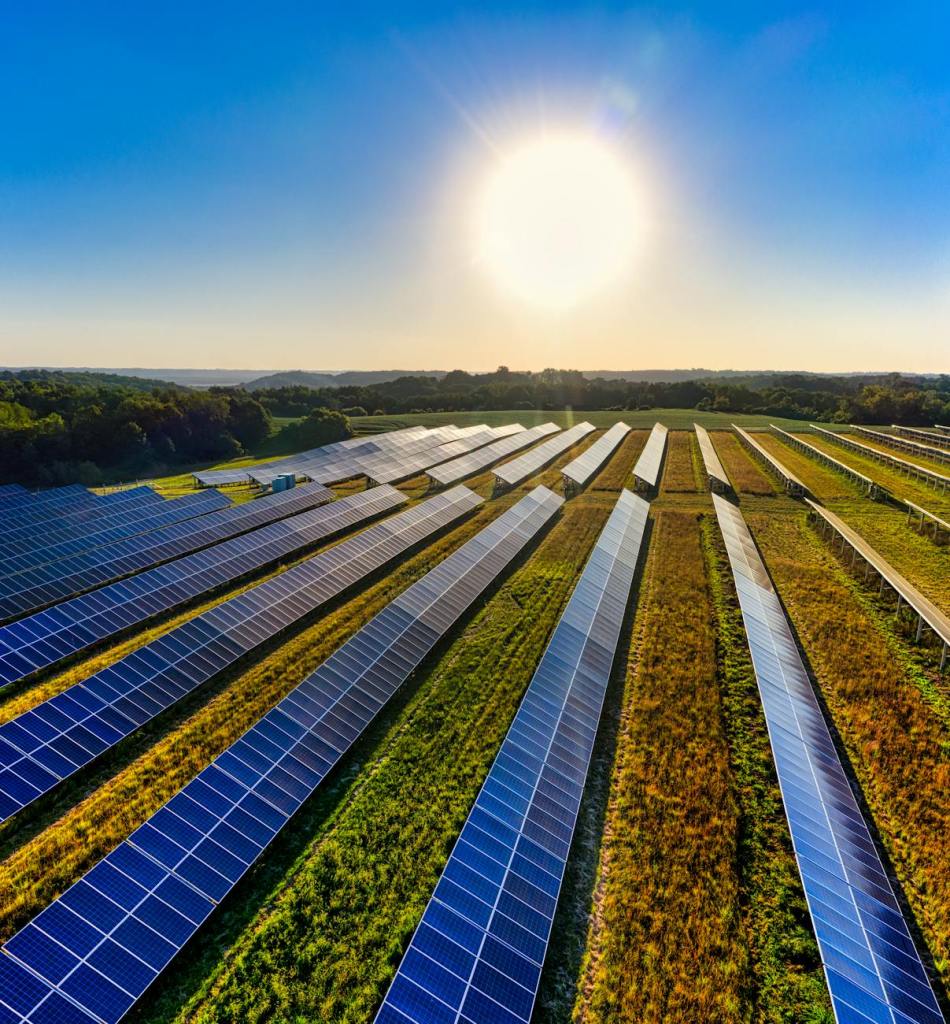
Solar power: a ray of sunshine in dark times

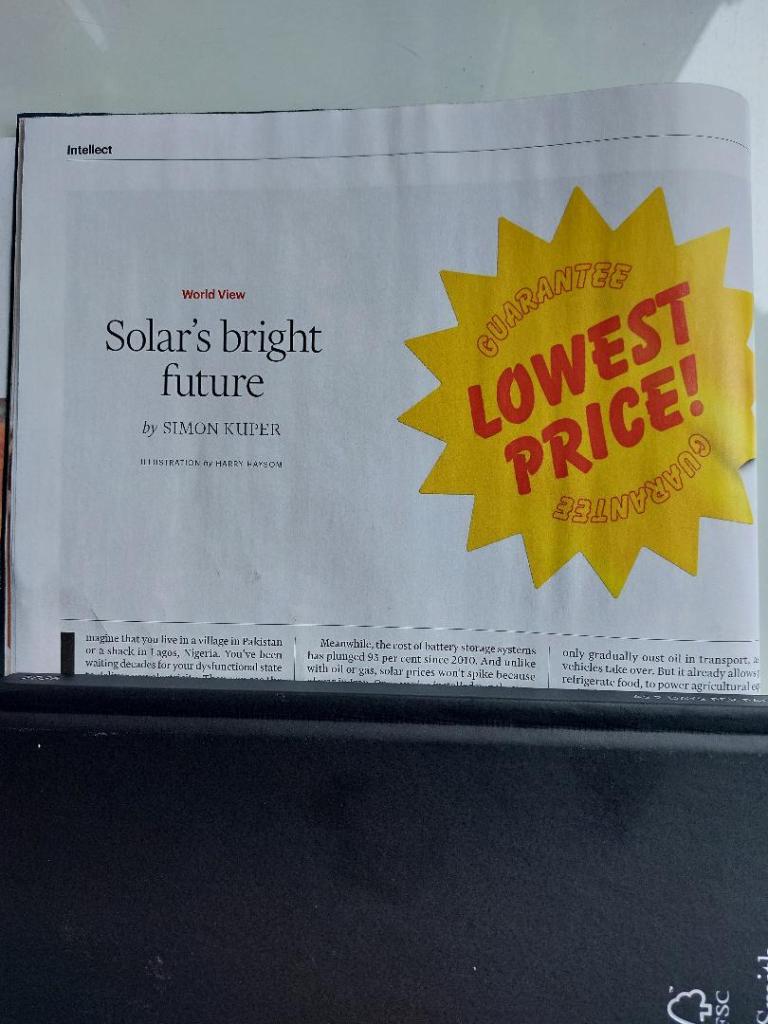
Just when you thought we were becoming too gloomy  we cheerfully present a  story of sunny optimism which we hope will lighten your day. It’s via the work of Simon Kuper of the Financial Times, [1] a writer we have showcased here before. Like many FT writers, Simon’s work is behind a paywall. So although we believe that   crossing that wall is well worth the cost, we have provided a summary of Simon’s main points. Followed by our own riff, which you will note has been carefully kept separate so that we do not ascribe meanings where none were intended by today’s source author.

SIMON SAYS

The advent of cheap reliable solar panels, and efficient batteries to store their produce, is working wonders  in poor countries. Imagine cash-strapped villagers who have waited generations for their -ah, malfunctioning– States to provide power grids and generators suddenly witnessing the arrival of cheap reliable panels! Suddenly everyone gets a fridge, a phone charger, and goodness knows what else at prices all can afford. At once their country leapfrogs all those installations like pylons and dams which our GCE Geography books told us were essential, and bounds into the 21st century.  Proof positive is in the pricing. The cost of panels is down a whacking 99% on what they were in 1975 and  95% on 2007. Being clever sorts of fellows, sub-Saharan Africans imported 60% more panels last year alone.  OK, solar isn’t quite so hot for industry, as Simon notes. But when it comes to everything else-transport, everyday things like computers, it’s utterly feasible. Which must be a start on at least reigning back the vertiginous rise in emissions which is still the most pressing threat to our survival. (sorry to antibiotics fans everywhere)

LSS SAYS

1 Why bother with nuclear fusion down here when there is a huge nuclear fusion reactor for free a handy one astronomical unit away?

2 Solar panels are following the exact laws of economics everything else new did: colour tvs, cars, computers, cameras, fridges(OK that’s enough devices-ed) Once the research is completed  and mass production starts, costs fall away.

3. This also casts an interesting retrospective light on the warnings of past decades: that solar was too expensive, wouldn’t work in hot countries, or could never be stored, etc etc. etc. Our legal team has advised us not to speculate about anyone’s motives or affiliations, so we won’t. Even the most honest and well‑meaning people can be mistaken: we’ll leave it at that.

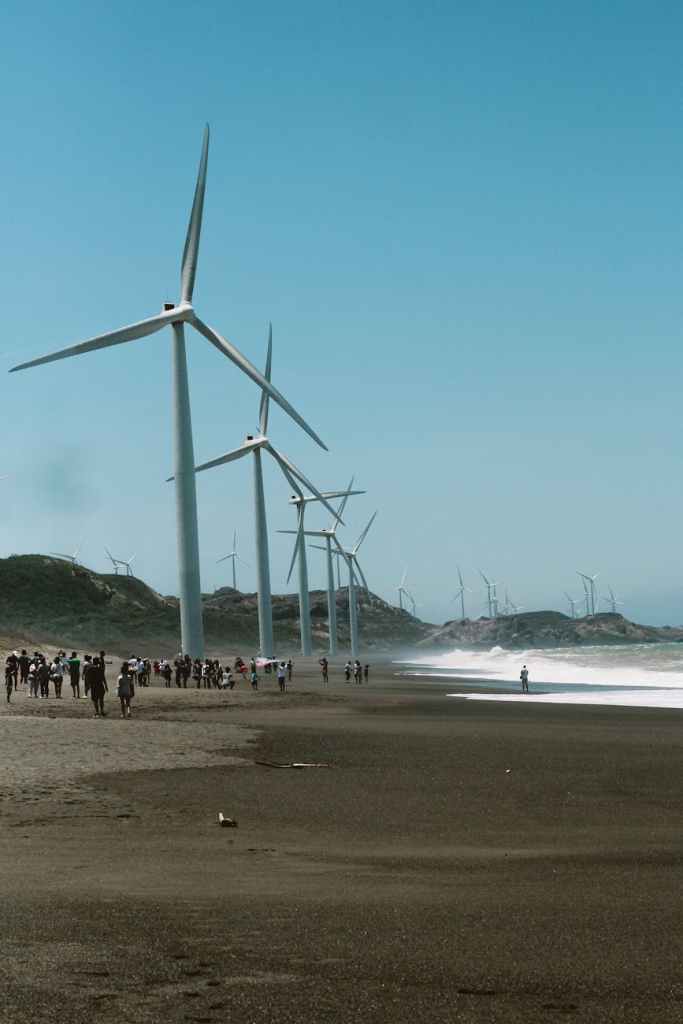
4. And finally: whatever anyone says now, the implications are clear. Renewables are on track to dominate. Those who oppose them may find themselves stranded on a cultural and technological shoreline, like so many ageing Miss Havishams. Good luck with that.

THE REFERENCE {1]

Because the showcase article is behind a paywall, the best we can do is show you a picture which may serve in a good search engine such as Google. From there you may access via the paywall if you wish. Once again we strongly urge that you do: because the FT is a great source of quality information, with many, many other good writers. We get no money whatsoever for this, we just honestly believe it.

Did Christopher Columbus start an Ice Age?

We know that rising levels of carbon dioxide are driving climate change. We know the mechanism, we know the statistics, and people all across the world are feeling the consequences in floods, fires, crop failures and migrations. But has CO2 changed the climate before? More pertinently has human meddling with this potent greenhouse gas already unleashed a disaster or so? To our astonishment, some people think it has  Stand by for an amazing idea we got from the BBC podcast  In Our Time [1] of which more below.

When Columbus sailed to the Americas in 1492 it was not to an empty, underpopulated hemisphere. Both American continents contained thriving populations of agriculturalists. Now, 1492 was indeed the start of huge exchanges of many things-foods, cultures, languages-between Old World and New. But among the earliest and most significant were European diseases like smallpox and measles to which the American populations had no resistance whatsoever. The result was a catastrophic mortality which carried off between 80 and 90% of them.[2] The abandoned farms and croplands quickly reverted to nature. Meaning a sudden massive capture of carbon dioxide which began to cool the planet quickly, leading to the famous Little Ice Age which reached its coldest in the  early Seventeenth Century.

And the evidence ? The Little Ice Age is an incontrovertible fact. [3] Ice core samples and climate records indicate the early 17th century as suffering some of the coldest decades in recorded history. But correlation is not cause, as we always say at this blog. Overall, it looks as if the trend towards the dip had started centuries before, and the recovery was still going on centuries afterwards. The cooling may well have been regional rather than global and there is strong evidence to suggest that other factors such as volcanoes and solar cycles may have played their part.  However, that CO2 is indeed such a potent greenhouse gas makes its role as a contributor to the Little Ice Age all too  plausible. And that is what worries us about levels of the stuff shooting up so dramatically in our own times. Although not proven to the levels of certainty like tigers bite and smoking gives you cancer, we think there is enough here for further research, both by scientists and by you, gentle reader. And now on to our thanks.

Because In Our Time,now presented by the urbane Misha Glenny, is one of the greatest cornucopias of intellectual treasure you will find. gentle readers. By spending an hour in its company once a week you will discover the most eclectic range of fine subjects -Science, History, Art, literature, what have you, all presented by leading experts at Tertiary education level or above(see LSS 9 6 22) In an age where so much media chases sensation over substance, its very existence is a reminder that rationality and intelligence still have a place. And we know we have that on the Highest Authority: read this if you don’t believe us:

Happy is the man that findeth wisdom, and the man that getteth understanding. For the merchandise of it is better than the merchandise of silver. And the gain thereof than fine gold. She is more precious than rubies and all the things thou canst desire are not to be compared unto her

Proverbs 3 12-15

[1] BBC Radio 4 – In Our Time, The Columbian Exchange

[2] Columbian exchange – Wikipedia

[3] Reconciling ice core CO2 and land-use change following New World-Old World contact

#global warming #pandemic #columbus #in out Time #little ice age