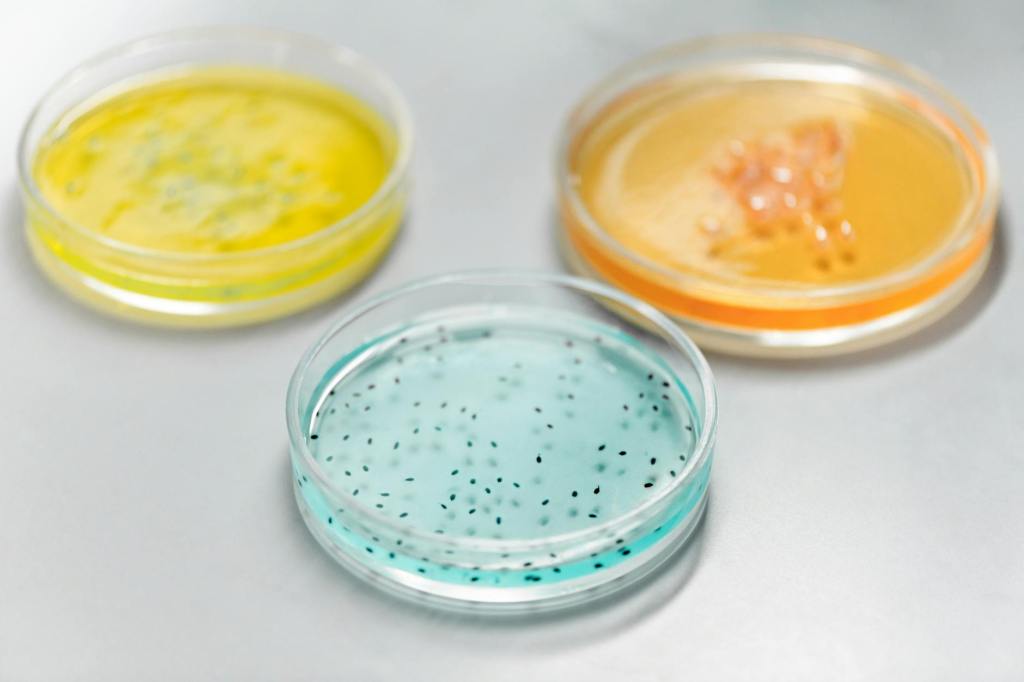

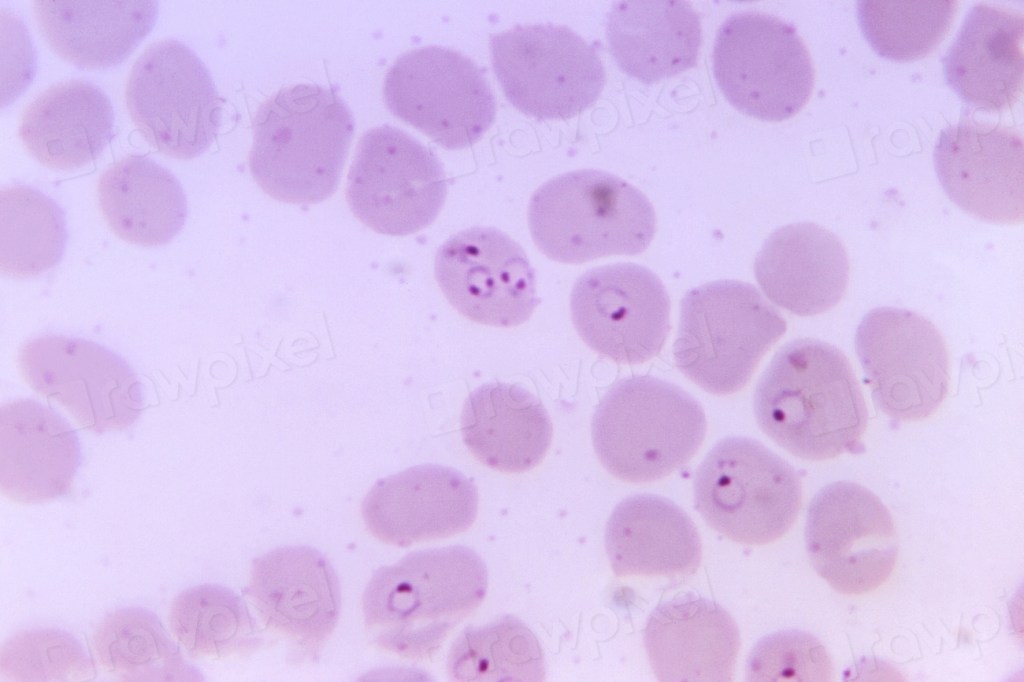
The idea of whole and unexpected possibilities in antibiotic research excites our highest hopes-and those of readers who have accompanied us on this journey for years. None more so than this report from Nature Briefing Gene Megacluster boosts antibiotic arsenal. We’ve set up their usual summary, plus links: and then we’ll try to answer a few of your questions as best we are able
A newly discovered gene ‘megacluster’ in Streptomyces bacteria enables them to produce a variety of potent antibiotic compounds. These compounds act as a multi-pronged offensive weapon against other species, with each targeting different stages of the bacterial metabolic process. It’s more difficult for bacteria to develop resistance to attacks that hit several targets, so the discovery could lead to the development of new antibiotics, experts say. The research has “discovered something new in a system so extensively studied — hidden in plain sight,” says medicinal chemist Mark Blaskovich
| Nature | 4 min read Reference: Nature paper |
So, what is this gene megacluster? An unusual stretch of DNA in Streptomyces that encodes four distinct families of natural-product antibiotics, including: one compound entirely new to science, another never previously recognised as an antibiotic, and two known families deployed in a new coordinated fashion. Not a bad haul for one discovery, we think.
What does it do in Streptomyces? All four molecules target biotin (vitamin B7)—a universal cofactor required for growth, cell division, and metabolic enzyme function in most bacteria. They attack different points in the biotin pathway: production, uptake, use, and availability, aided by flanking streptavidin genes that bind up free biotin.
Why is this discovery genuinely new? Well , all sorts of reasons: here are a few of the best
–Co-location is unheard of: Antibiotic biosynthetic pathways are usually scattered across the genome. Here, four unrelated antibiotic families sit side-by-side, implying intentional evolutionary selection.
–Coordinated multi-antibiotic strategy: Natural antibiotics typically act alone. This cluster encodes a team of molecules that hit the same vulnerability from different angles—something not previously documented.
–Hidden in plain sight :Streptomyces genomes have been mined for decades, yet this megacluster was overlooked because genome-mining tools historically focused on single-product clusters. We love this bit, as regular readers will have already discerned
–It appears to be widespread. The megacluster is present across multiple Streptomyces species, suggesting an ancient, conserved strategy rather than a rare curiosity.
Could similar clusters exist in other organisms? Likely, yes. The discovery provides a road map for genome mining that looks for coordinated multi-pathway clusters, not just single biosynthetic islands Early research might do better to focus on procaryotes rather than eucaryotes-but who knows?
How could it help us to develop new antibiotics? This is the Big One for us , isn’t it? Lots of ways potentially, but as of late June 2026 three practical routes suggest themselves:
1. Direct development of the four biotin-targeting molecules. Because they attack different steps in the same essential pathway, they could be: used individually, combined as a cocktail, or engineered into hybrid molecules. Multi-target antibiotics are inherently harder for pathogens to resist. So that will teach them we’re serious this time.
2. Synthetic biology reconstruction. The megacluster’s architecture can be transplanted into: Streptomyces strains, E. coli or yeast expression systems, or modular cell-free platforms, permitting all sorts of scaling and production advantages
3. Drug discovery by analogy The discovery provides a template: look for clusters that coordinate attacks on other essential pathways (e.g., folate, isoprenoid synthesis, lipid II). Genome mining guided by this logic could uncover dozens of new multi-pronged antibiotic families.
4. Biotin-pathway inhibitors as a new class Biotin metabolism is conserved across many pathogens, including Gram-negatives—historically hard to target. These molecules could seed a new class of antibiotics that bypass existing resistance mechanisms
At this blog we tend to rate discoveries by the possibilities they open rather than the questions they answer. By that metric, this one is big indeed-and we think you’ll al agree with that.
#antibiotic research #antibiotic resistance #health #medicine #biotechnology #genetic engineering #research #bacteria


