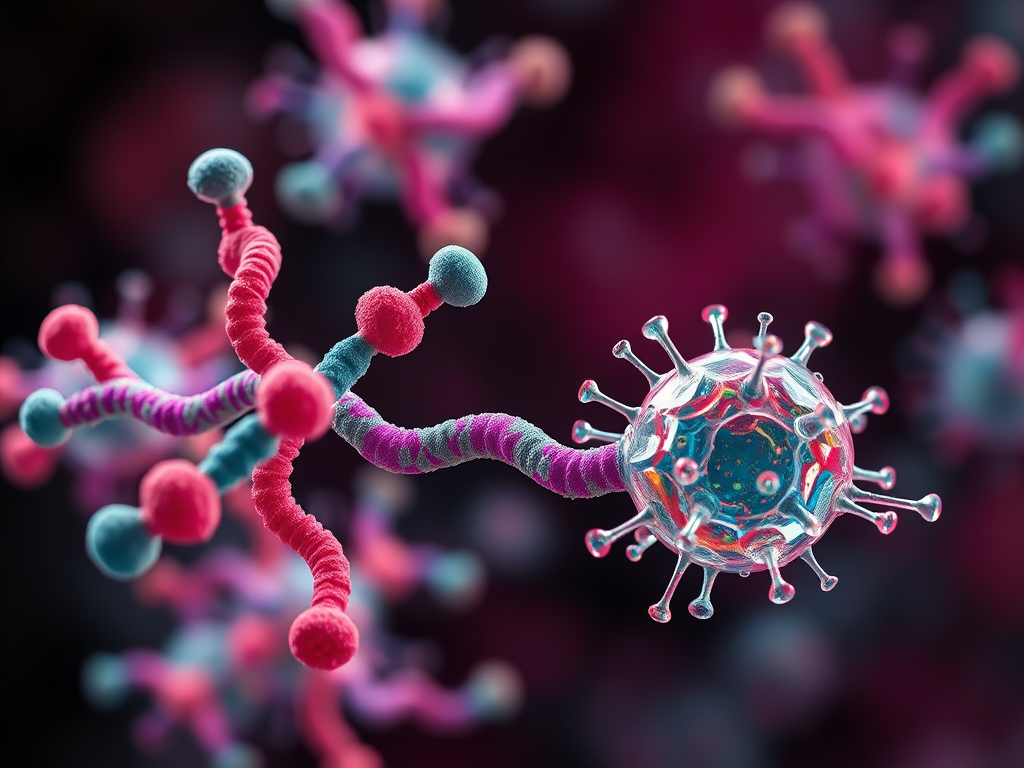
Programmable Therapeutics(here’s what they’ll be talking about in 2046)


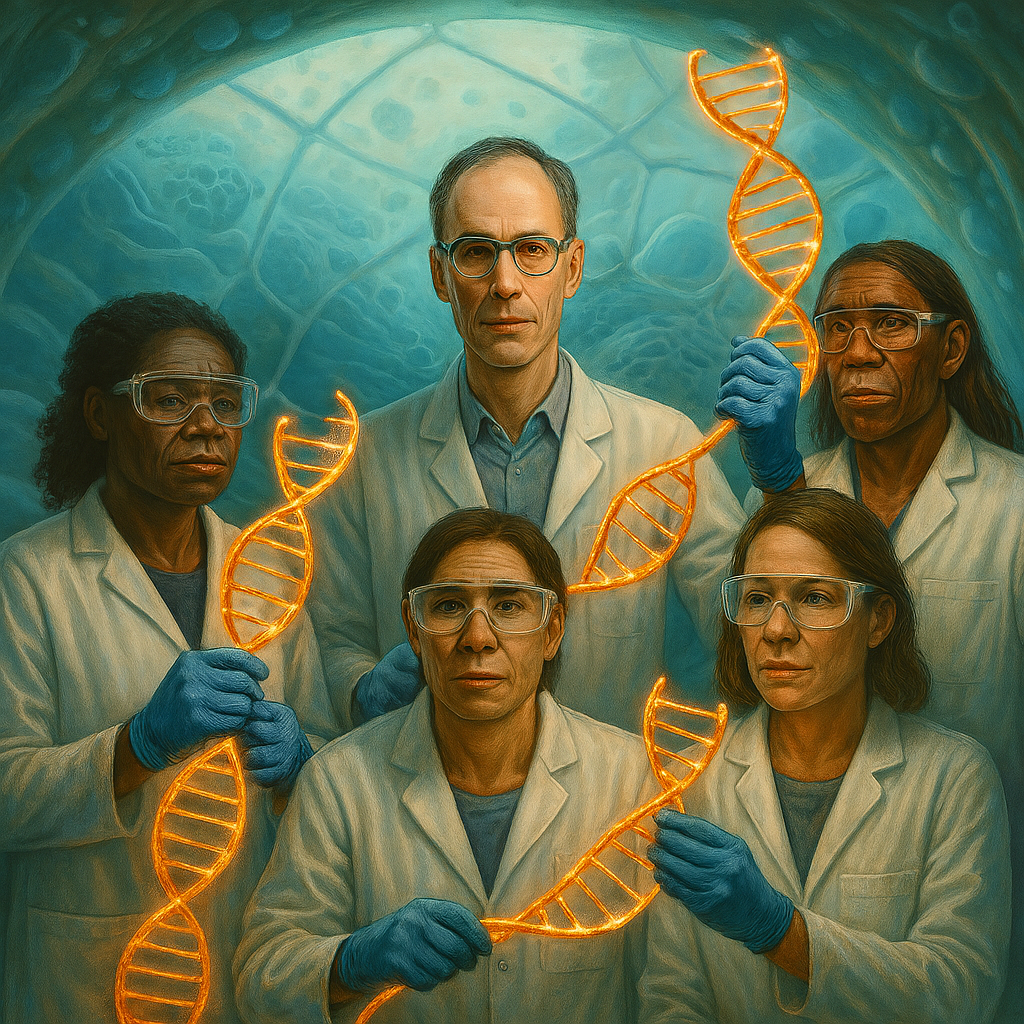
In these happy, carefree days of 2026, we almost take the success of advanced techniques like CRISPR–Cas9 and CAR‑T for granted. Yet not so long ago they were obscure experimental curiosities, known only inside specialist laboratories. So we asked ourselves: is there something equally obscure in 2026 that will be the stock‑in‑trade of doctors in 2046? We think there might be: programmable cell therapeutics.[1]

The jumping‑off point is the logic behind CAR‑T. Readers will recall how T‑cells are removed from a patient, engineered to recognise the chemical signatures of their cancer, and then reinfused to hunt down malignant cells. Researchers are now extending this idea to a wider cast of immune cells, stem cells, and progenitors, so they can tackle diseases far beyond oncology.

What makes the next generation different is the importation of ideas from electrical engineering. Instead of a single engineered receptor, cells can be fitted with ON/OFF switches, logic gates, multi‑step decision pathways, and feedback loops. In other words, cells that don’t just attack — they compute. They sense the molecular environment, decide what’s happening, and act accordingly.

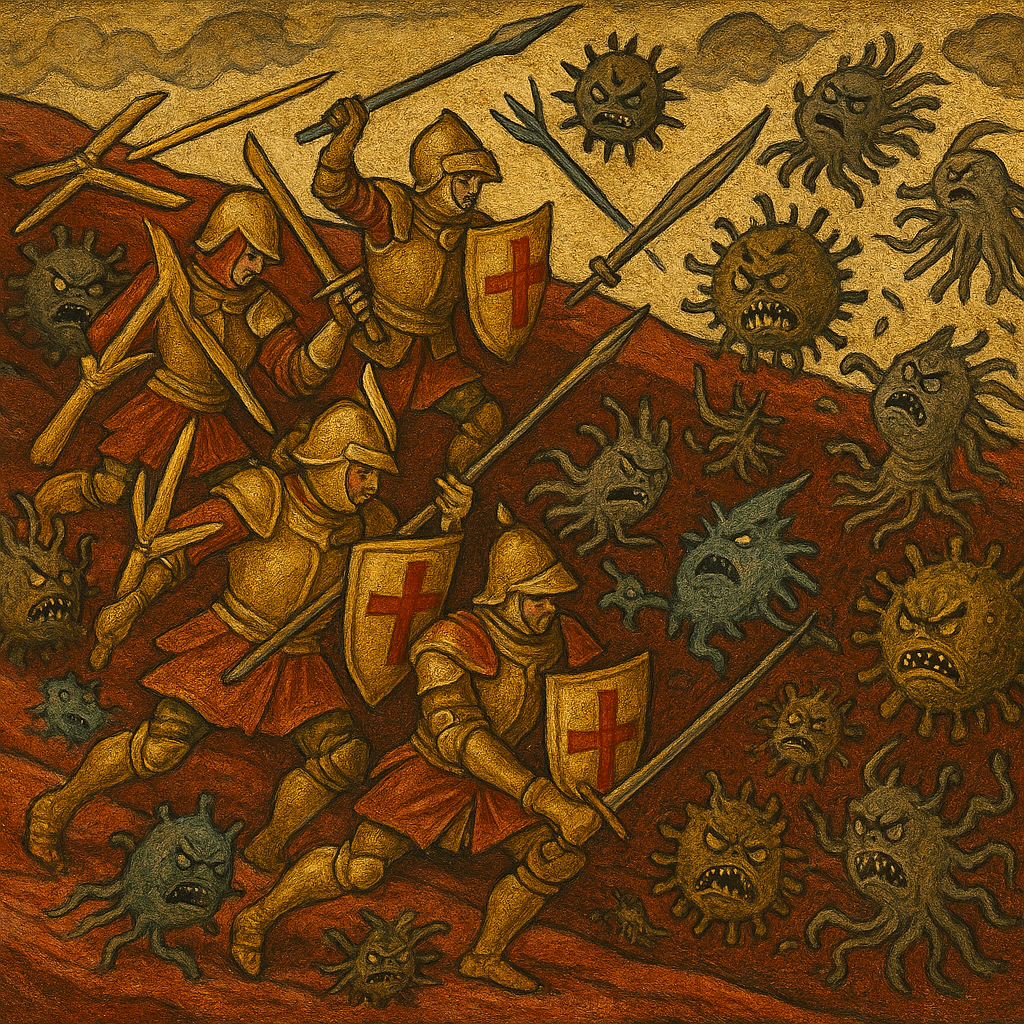
And thanks to delivery tools such as viral vectors and mRNA‑carrying nanoparticles, these circuits can increasingly be installed in vivo. Rather than the expensive choreography of removing cells, re‑engineering them, and putting them back, the ambition is to program the cell to reprogram itself. Why rebuild the army in the barracks when you can train the soldiers already in the field?

Gentle readers, we are always looking for ways to put you ahead of the curve — not what is happening now, but what will be happening in five, ten, or twenty years’ time. By 2046 we could plausibly see:

  • cancer therapies that activate only in tumour microenvironments
  • gene therapies that self‑limit to avoid toxicity
  • immune cells that make multi‑step decisions
  • RNA‑based switches that restore gene expression dynamically

All this, of course, depends on continued investment in scientific research and a strong ecosystem of independent universities and research institutes. Hopeful, isn’t it.

[1]Next-generation programmable cell therapies for precision medicine | Nature Reviews Genetics

#gene editing #medicine #health #cancer #mRNA #CRISPR #CAR-T #DNA


Progress on Multiple Sclerosis: When Big Data meets Molecular Genetics

Few of us have not met someone who is suffering from Multiple Sclerosis, that terrible wasting disease wherein the immune system seems to turn on its own body, especially in the fatty sheaths around the neurons. Leading to a progressive deterioration in mobility before confining victims finally to a wheelchair-or even worse. The experience for families and victims was extra-bad because for many years the cause seemed unknown, making hope of any cure quite unlikely. Michael Marshall of the New Scientist has been covering this story most assiduously. And so we are pleased to showcase it, because it celebrates achievements in two our our favourite fields-big data and molecular biology-and the benefits which accrue when scientists from both work together.

We urge you to read Michael’s article either by buying the hard copy mag (there’s tons else to read inside it) or paywalling past the link below [1] Suffice it to say: #1 The molecular evidence that the Epstein Barr virus (which can cause glandular fever) is involved. #2 That this has a strong effect on both B cells and T cells in the immune system, which ,when they go rogue, are essentially responsible for the terrible lesions of MS #3 That not all hosts of Epstein Barr virus go on to develop MS, because the chances of that depends on certain genetic propensities and variants and, best of all #4 the above and more, which we report so glibly, has been elucidated by the use of huge data studies : 10 million people in one, 617, 186 in another, even 471 000 B cells in another-how’s that for numbers, folks?-which were only possible because: #5 places like the UK and USA have worked to build big collaborative things the the UK Biobank and All of us. Well some of the people in those countries have anyway.

All of which leads us to few reflections, some of which will not be uncongenial to regular readers. Firstly, it seems a pretty good idea to spend money on science, especially basic research, instead of cutting it. Secondly scientists these days work best in large teams whose members come from all sorts of backgrounds and this is especially true when you throw multidisciplinarygroups of them together. And that this also seems to be true of football teams: how far would Arsenal FC. for example, have enjoyed their current success if they had insisted on retaining a staff entirely composed of plucky British lads? [2] The implications in turn for visa systems, cultural openness and plain common sense are clear in turn.

[1]Huge study reveals how Epstein-Barr virus may cause multiple sclerosis | New Scientist

[2]‘Everything can happen’: Trossard confident of Arsenal’s chances in final | Arsenal | The Guardian

#multiple sclerosis #Ebpstein-Barr virus #T cells #B cells #autoimmune disease #medicine #health

Hydrogen from Microbiology-another hopeful story from Nature Briefing

You might be forgiven for thinking we’re against bacteria at this blog. Got a beef with them, want more antibiotics to kill them, especially that pesky little Escherichia coli that is always clogging up the pristine pages of our little website. Nothing could be further from the truth: we are simply against bacteria that kill people, that’s all, and we admire the little creatures for all the useful things they do

Nothing more useful it seems than generating hydrogen in clean green ways that massively reduce greenhouse gas emissions. Of course we need hydrogen for all sorts of things-food, drugs, plastics-but the way it is currently made is depressingly energy intensive  Which is what this remarkable team of researchers at Edinburgh University have done, re purposing E coli to make hydrogen in amazingly clean ways Get this extract from the admirable Nature Briefing:

. The new process involves growing a strain of Escherichia coli that naturally produces hydrogen when deprived of oxygen. The researchers added a palladium catalyst and substrate for the hydrogen to bind to, and when they removed oxygen, hydrogen was bound to 94% of the substrate.

And they didn’t stop there:

The team then turned waste bread into a food source that could be given to the bacteria instead of glucose, to show that this type of food waste can be repurposed. The system resulted in a three-fold decrease in greenhouse-gas equivalent emissions compared with using fossil fuels, according to the team’s modelling.

There’s a lot to be said here. First our admiration for the amazing work and intelligence of the scientists[2] whose original paper we seem for once to be able to reproduce in full. The marvellous ways old things like bread and E coli are recycled to useful purposes. And a further point which the team at the admirable Nature Briefing know well. Progress, hope even, comes from the application of the scientific method. The use of evidence and reason to judge it in that order. Nothing else, however much you might want it to be so.

[2] Native H2 pathways enable biocompatible hydrogenation of metabolic alkenes in bacteria | Nature Chemistry

#microbiology #palladium #greenhoiuse gas# hydrogen# E coli #sustainabilityn #drugs #plastics

Breakthrough for blindness, an old lesson re-learned: and a mystery question

Leber congenital amaurosis, called LCA for short, is the most common form inherited sight loss in children[1] It’s caused by defects in a cluster of genes including RPE65 and until recently was quite untreatable. Now, as Ian Sample reports for the Guardian,[2] a team of researchers have effected a major new treatment called Luxturna: a gene‑replacement therapy delivered by injecting a working copy of the RPE65 gene directly under the retina. By giving retinal cells the functional gene they’re missing, it restores the visual cycle and can improve light sensitivity, visual function, and navigation ability in people with RPE65-related Leber congenital amaurosis. Interestingly the team comprises a husband and wife called Jean Bennett and Albert Maguire who share the prestigious Breakthough Prize [3] with their colleague Katherine High.

Regular readers will share our admiration for the work of this remarkable trio. They may note moreover that the researchers have something else to teach us, something that strongly concurs  with opinions often expressed in this blog:

Bennett said it was a “tremendously exciting time” for scientific and medical research, but warned that the US administration’s attacks on science could “cause damage for generations to come”, leading her to fear a brain drain that the country would struggle to recover from.

“Agendas have become politicised, government agencies that support basic and applied research have been undermined, knowledgeable advisers and experts have been dismissed or have fled and revised guidelines contradict decades of rigorous research,” 

Says it all really. But don’t just sit around reading it here:tell your friends and neighbours. For us there still  remains outstanding question. Is Albert Maguire by any chance a relation of Ken Maguire, one of the best pub landlords of the 1990s, being sometime manager of the superb Latymers in Hammersmith Road London W14?

[1]Leber congenital amaurosis – Moorfields Eye Hospital

[2]‘Oscar of science’ awarded to team behind gene therapy that restores lost vision | Science | The Guardian

[3]Breakthrough Prize – Wikipedia

#LCA #Blindness #gene therapy #medicine #health #science #research #pub #beer

Two new stories give fresh hope on cancer

Two stories give us hope of real progress in understanding and treating cancer. The first from the excellent Emma Gritt of the Mail [1] concerns the work of the great  Dr Mariano  Barbacid whose work has been so crucial in elucidating and developing the whole theory of oncogenes and the role they play in cancer. His team has been studying the effects of three drugs on the KRAS gene, deeply implicated in the development of the pancreatic form of the disease. But:  don’t read us, read Emma-she knows a lot more  than we do

The second story, from the inimitable Ian Sample of the Guardian [2] concerns the application of the Google Deep Mind AI tool to study genetic drivers of cancer-and other diseases too. To quote Ian:

We see AlphaGenome as a tool for understanding what the functional elements in the genome do, which we hope will accelerate our fundamental understanding of the code of life,” Natasha Latysheva, a DeepMind researcher, told a press briefing on the work.

Once again click!. You’ll get a lot more from Ian than you will from us.

Both stories blend into two of our old LSS favourites. Firstly, the use of AI to look at complex biological patterns which humans alone struggle to perceive. (LSS 1 12 20 et seq) Secondly, that repeatable frequencies in DNA may be tied, probabilistically, to repeatable patterns of symptoms. Veteran readers will recall our hopes that this methodology may apply to psychiatric disorders too: (LSS 18 12 25 and 29 12 25). Of course, we expect to learn of environmental and epigenetic factors as well.  But if we are right, these genetic advances may provide a firmer starting point for future investigations than we have now.  How much more is achieved when facts are sacrosanct, not convenient entities to be selected and disposed according to the immediate convenience of their user! A lesson which certain  US politicians and the news channels which so fanatically support them would do well to learn.

[1] Huge pancreatic cancer breakthrough as scientists achieve ‘permanent disappearance’ of disease with new triple-threat approach tested in lab | Daily Mail Online

[2]Google DeepMind launches AI tool to help identify genetic drivers of disease | Genetics | The Guardian

#AI #deep mind #cancer #genes #DNA #medicine #health #oncogenes #psychiatric disorder #heart disease

Now AI is designing antibodies too

Do you understand the human immune system, or the even vaster world of immunology? Neither do we. Too big, too vast, too complicated. And that’s despite 43 years of trying and working along side some pretty nifty immunologists, back in the day. But AI does, Fresh from its triumphs on protein design (LSS passim) its superior intelligence has now been turned on the knotty problem of how to run up new antibodies. Read this, AI designed antibodies race towards trials from the indefatigable Nature Briefing

Scientists say they are on the cusp of turning antibodies designed by artificial intelligence (AI) into potential therapies just a year after they debuted the first example of an entirely AI-designed antibody. Previously, the structure of antibodies proved somewhat of a black box to AI models. But new and improved models — such as an updated version of AlphaFold — have more successfully predicted the shape of flexible structures that give antibodies the specificity they need to bind to foreign molecules. Researchers at several companies now say they’ve designed ‘drug-like’ antibodies. Nature | 5 min read

There’s a lot to unpick here, and we won’t try to do it all. The first thing that stands out is how quickly this is moving from proof of concept to clinical reality, The second is that the possibility that designed antibodies will target receptor sites hitherto off-limits to their natural predecessors. Think infectious diseases first, and rightly. But the implications for cancer therapy -and dare we hope, neurodegenerative diseases?- are clear after a moment’s reflection. Designer antibodies will greatly reduce the need for much animal immunisation and testing. And, perhaps a best of all, a thriving commercial ecosystem of start-up companies is beginning to form around the new learning, ready to turn it into everyday reality in a hospital or medical prectice near you, gentle reader.

Although we can’t claim credit for these advances-you all know us too well- we think it striking that they have come from the qualities we prize . Careful observation. Null hypotheses testing. Slow steady work. And always looking for what proves you wrong not what proves you right. Those qualities are what save lives and generally make them better. A shame that they are being abandoned now by a hysterical ignorant population and so many of its foolish leaders.

#immunology #antibodies #medicine #health #cancer #disease #biotechnology

Stem Cell Therapy: Lamarckism by Force Majeure

First of all hats off to Oliver Chu, the brave boy from California who has just undergone a successful trial of stem cell therapy for a terrible condition called Hunters Syndrome. [1] as Ian Sample of the Guardian explains. It’s caused by a simple mutation in a gene called IDS-1 which controls the production of a vital enzyme Iduronate-2-sulfatase; without which the body cannot break down key sugars, leading to organ damage of all sorts and cognitive decline. The trick has been to extract the stem cells from Oliver’s blood: replace the faulty gene with a true copy using a viral vector; and pop them back in to Oliver, whenceforth they will thrive happily, self reproducing from their own line, and producing bountiful quantities of the enzyme for life.

And this for us is the key part. Let’s repeat : the new stem cells with the engineered gene will start their own self replicating line. In Oliver. Now Oliver himself started from a single stem cell-a single fertilised ovum, as do all living things. With DNA that was used to build every single following cell as it grew . An Ur stem cell if you like. But now. young Oliver has two. All the cells from his original cell, Plus the new line, from the engineered stem cell. whose line is now flooding his system with the good enzyme..

The central tenet of biology up to now is that we all of us-tigers, pterodactyls, humans, whatever-have a single unmodifiable line of DNA in our cells. Random variations may be passed to the next generation and tested by Natural Selection. But the actual DNA deep in the cells cannot be changed or modified. That’s the Darwinian positioned its held up pretty well for centuries. The alternative, proposed by Lamarck is that organisms are modified by the environment and this information can be learned inthe genes and passed on. So far there has been no evidence to support this view whatsoever . But what if the environment contains clever humans who can choose to modify DNA, and thereby create what are in effect hybrid organisms with two separate DNA lines-like young Oliver? Is this Darwinian? It’s not how it happens in nature, and its been done by force majeur. But it sounds a lot like Lamarckism from where we sit.

[1]https://www.theguardian.com/science/2025/nov/24/groundbreaking-uk-gene-therapy-manchester-hunter-syndrome

#stem cells #hunters syndrome #darwin #lamarck #evolution #medicine #health

PERT: Next step in gene editing offers real hope for hereditary diseases

Almost a quarter of hereditary diseases can be put down to mutations which break an established pattern of DNA, so it can no longer be read. No wonder they are called nonsense mutations. Often these mutations are expressed as STOP codons: just a short three letter sequence that stops protein synthesis dead, like a bad piece of coding in a computer programme. Now a new technique called PERT (Prime Editing RNA Therapy)allows the cellular process to override glitch in the DNA and resume synthesis. The new technique equips cells with engineered tRNAs that override these stop signals, letting the ribosome continue translation and produce the full protein. Here once again is Nature Briefing with one of their excellent short explanations Versatile gene-editing tool fixes nonsense, plus hyperlinks if you wish to delve deeper.

A multipurpose gene-editing tool can correct several genetic conditions in mice by restoring proteins that have been cut short by disease-causing mutations. The method, called PERT, uses engineered RNA molecules that allow protein synthesis to continue even when a DNA mutation tells it to stop prematurely. These ‘nonsense mutations’ comprise nearly one-quarter of known disease-causing DNA variants. As such, if PERT proves effective in humans, it could overcome the need to design bespoke treatments for individual diseases.Nature | 5 min read
Reference: Nature paper

There’s a lot to like here. Firstly the prime editing is straight out of the same stable as the CRISPR and Base Pair Editing techniques which we have heralded here for years (LSS passim) Secondly, unlike most gene therapies, which must be tailored to each mutation, PERT could treat many different diseases with a single editing agent. This is a huge shift in scalability. And if the suppressor tRNA is permanently installed in the patients genome, it is possible that only one treatment may be needed. Once again we are reporting at the early stages (that’s our brief) so all parties are careful to emphasise we are nowhere near clinical applications yet. However, just as we learned during the COVID 19 pandemic , the ability to intervene at the RNA level, precisely between gene and protein, appears to be one of the most fertile areas in medical knowledge for years to come.

#hereditary disease #RNA #DNA #molecular biology #health #medicine

Two good news blogs:#1 AI designer phages against antibiotic resistance

Its not often we bring you unabashed good news, gentle readers. Nor moreover, blow our own trumpet. But the following from Nature Briefing AI Helps design E. coli killing viruses not only unites so many of the themes we push here-(AI molecular design, multidisciplinary studies, bacteriophages etc etc)-that we think that the advance it represents it makes this one of our more significant blogs in months.

Using artificial intelligence (AI), researchers have designed novel viruses capable of killing strains of Escherichia coli. The team used the DNA of a simple bacteriophage called ΦX174 to guide AI models to generate viral genomes with the specific function of infecting antibiotic-resistant strains of E. coli. Researchers used the model’s suggested sequences to select 302 viable phages. When put to the test, 16 of these phages could infect E. coli, and combinations of them could kill three strains of the bacterium, a feat the original ΦX174 couldn’t pull off.Nature | 5 min read
Reference: bioRxiv preprint (not peer reviewed)

its certainly worth clicking on the Nature article and even the Preprint, which has a surprisingly well written summary

Old hands to this blog will recall our long standing worries about this organism. Normally Escherichia coli (named after the ingenious Dr Theodor Escherich) is a fine upstanding member of the microbiological community, being common in nature and a doyenne of experimental departments in microbiological schools. But certain strains of it are developing a profound resistance to our best antibiotics including piperacillin/tazobactam combinations. Which could have made it a very False Friend indeed. But now it seems that Dr King and his team have got ahead of the game.

Note the careful language, full admissions that peer review awaits, and generally understated claims that mark the true signs of trustworthy scholarship. How different from some situations where leaders of great nations go before the cameras and make huge unsubstantiated claims about phenomena of which they have no certain knowledge, But when you choose to believe only what you want to believe, fate has a nasty way of catching up eventually. Wait for the next blog and we’ll tell you more .

#E.coli #bacteriophages #AI #designer biochemistry #antibiotic resistance #microbiology #medicine #health

Mirror Organisms: the ultimate bioweapon?

Anyone who got beyond basic school science will recall the frustrating new level of complexity when the teacher first told you about stereoisometry. You recall-all biomolecules starting with the slightly complicated upwards really have two identical forms, left hand and right hand. Amino acids, proteins you name it. And life can only work with one. All amino acids in living things on this planet have left handed amino acids and right handed sugars. Of course living systems could work the other way round, It just has happened yet on this planet. Until now. Read this Debate heats up over mirror life from Nature Briefing

At a meeting this week in the United Kingdom, scientists are deliberating whether to restrict research that could eventually enable ‘mirror life’ — synthetic cells built from molecules that are mirror images of those found in the natural world. “Pretty much everybody agrees” that mirror-image cells would be “a bad thing”, says synthetic biologist John Glass. Such a cell might proliferate uncontrollably in the body or spread unchecked through the environment, because the body’s enzymes and immune system might not as readily recognize right-handed amino acids or left-handed DNA. But there are disagreements about where to set limits on research — the ability to evade degradation could also make such molecules useful as therapeutic drugs.Nature | 7 min read
Read more: Life scientist Ting Zhu, whose work explores various mirror-image molecular processes, considers how to bridge divergent views on such research. (Nature | 11 min read)

Unfortunately its the down size that worries us here, Not only the uncontrolled spread alluded to by the learned scientists above. But, as the world falls into the grip of authoritarian dictators and ever more powerful plutocrats, the potential these tools give them to get rid of surplus and redundant sections of humanity. Forever.

#isomers #biochemistry #bioweapons