LSS at 5:A blog of all our blogs

It’s funny, we’ve been doing this blog for more than five years now. And in response to growing numbers of readers and requests, we thought it might be time to provide a round up, not of the week, but of our whole outpourings which might be interesting to those who seem to have been trawling avidly through our archives of late.

It all started back in 2020, around the time of the great COVID-19 epidemic. Our initial aim was to raise awareness of the problem of antibiotic resistance in microbes, and the health dangers that posed. The idea was a short three paragraph hit the sort of thing that informed readers could take in over a quick coffee, while giving them a few links and references if they wanted to follow up. Just to keep it interesting, we started throwing in other topics on other areas of science. And these widened to include economics, social issues like women’s safety, and of course our regular Friday cocktail night, which certain readers still recall fondly.

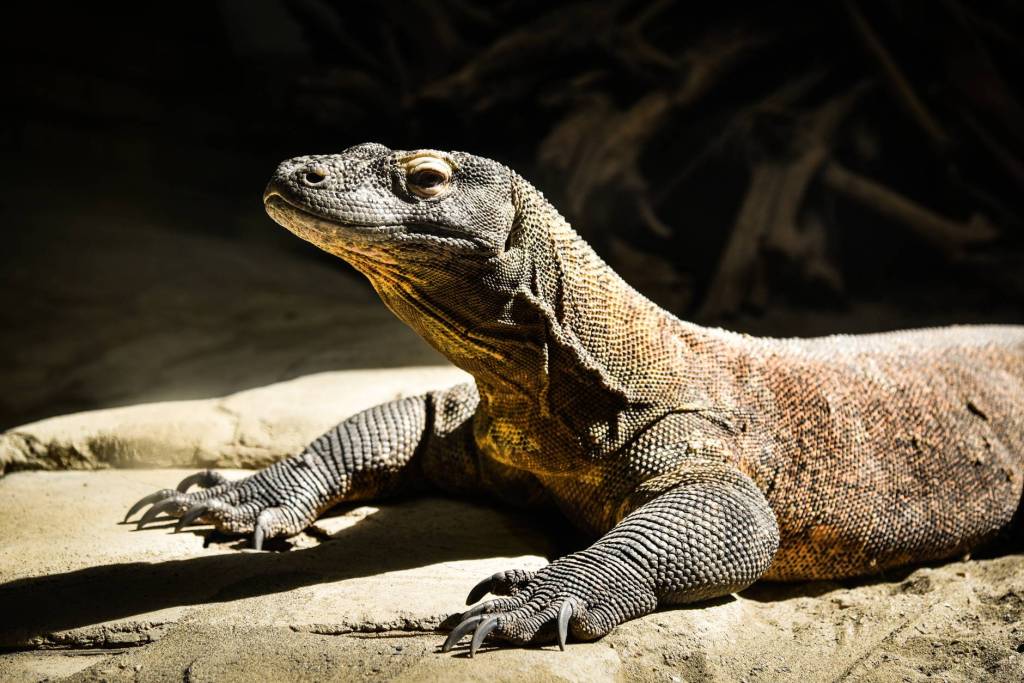
Antibiotics and associated matters have remained well represented. We have looked for untapped sources in nature, even including the unlikely Komodo Dragon( LSS 3 5 21) the evolutionary arms race between bacteria and antibiotics which humans have been forced to join(LSS 8 6 23) and all sorts of new discoveries and techniques including AI (LSS 6 6 24) Being who we are, and untied to the constraints of any institution, we were quick to suggest that bacteriophages might be a useful adjunct to the general theme of overcoming resistant bacteria(LSS 17 3 22, 10 9 25 et al) Ever mindful that lack of antibiotics might not be the only catastrophe waiting we have provided handy little guides to what might happen if the magnetic poles flip, sea levels rise and even more endocrine disruptors are poured out from our factories. Other scientific tropes like evolution get a look in too. We enjoyed posing you a few puzzles on things like Homo naledi (LSS 4 4 21) the tools of Socotra (LSS 17 6 22) and even the possibility of Denisovan Fine Art( LSS 9 8 23) But these last were mainly for entertainment.

Our general theme has, we think been broad but consistent. The scientific method, of gathering objective evidence and analysing it by the rules of logic are the most reliable manner to fashion a passingly decent way of life. To this end you will have noticed is praise all kinds of people from journalists like Larry Elliott and Simon Kuper to more general thinkers like John Rawls, EO Wilson and Carl Sagan. We have tried to keep away from obvious stars like Darwin, Einstein, Bach, Keynes and the others as these thinkers speak for themselves. Instead we have tried to put forward slightly overlooked figures such as Ada Lovelace, Peter Ramus or Cassiodorus. Our Heroes of Learning feature is the place to look for those.

But above all we thank you, our readers, contributors and researchers for all their good companionship. All those who posts likes, shares and comments-it shows someone out there is interested. We wish all of you well with your various blogs, careers, lives and families. As Gore Vidal observed , it is the top one or two percent who carry knowledge through and pass it from generation to generation. And you are in it.

#antibiotic resistance #bacteriophages #environment #pollution #economics #history #evolution #science #reason #cocktails

CRISPR gallops ahead (article contains a warning for xenophobes)

Warning: this article may make uncomfortable reading for xenophobes everywhere)

Progress in CRISPR-Cas-9 (Clustered Regularly Interspaced Short Palindromic Repeats)[1] and the associated enzyme is getting faster and faster. We started reporting on this truly innovative technique in 2020 and regular readers will recall updates ever since. Only four years ago it still felt a bit theoretical. But now radical applications are coming thick and fast Read this from Nature Briefing CRISPR horses spark debate reporting on the rather recondite world of polo pony breeding

the horses pictured above{*} are the first of their species to have been created with the help of the CRISPR–Cas9 gene-editing technique. They are clones of the prize-winning steed Polo Pureza, with a tweak to myostatin — a gene involved in regulating muscle development — that is designed to quicken their pace. Critics say that genetic manipulation has no place among polo’s traditional breeding practices — it has already been banned by some of the sport’s governing bodies. But a zoo of CRISPR-edited animals, from cows to sheep, is gaining acceptance in agriculture.Nature | 5 min read

{*} sorry LSS readers-we can’t show this-ed

In one sense there’s nothing new here. Humans have been modifying the genetics of plant and animal species since the dawn of the Neolithic. CRISPR and other base editing techniques have simply speeded the whole process up by making specific, designed changes and crucial nodes in the subject organism’s development. There is every reason to suppose that any number of new modifications to animals(and crop plants such as wheat) will be developed in the next few years. Some may even enable us the preserve the integrity of food supplies despite the ravages of things like plastics pollution and global warming. Also, as we have also reported here, gene editing is beginning to show real applications in medical fields such as sickle cell disease and certain cancer therapies. All of which leads us to an intriguing thought.

If ponies may be so easily modified, why not humans? One could start small by just modifying athletes and other small groups. Yet eventually the techniques could become ubiquitous in our species. Hang on-our species? Because the genetic differences between beings consisting entirely of CRISPR modified genes and the rest of us would then be far, far greater than those currently existing between our different races and ethnic groups. Are xenophobes everywhere already wasting their own time?

[1]https://www.yourgenome.org/theme/what-is-crispr-cas9/

#CRISPR Cas 9 #base pair #medicine #biotechnology #sickle cell #agriculture #stock breeding

How life evolved long ago is absolutely relevant today

Long suffering readers of this blog will recall our occasional sallies into the remote past. Like some latter day Doug McClure we occasionally take you into a world stuffed with dinosaurs, ape men and pterodactyls, to the detriment of more relevant stuff on antibiotics or the US Ten Year Bond. And so, although we were privately raving about this piece below called How did life get multicellular? from Nature Briefing, we thought we ‘d spare you from our private obsessions about things that took place between 800 -600 million years ago.

Until a chance encounter with one of more intelligent friends in the car park at our Spanish Conversation group produced the most inspiring thought. “All those Choanoflagellates. protometazoans. Filasterea. whatever, have to do several things if they are to succeed in living together. To glue up to each other. To signal little messages. To co-ordinate the cycles of cell division. Just like cancer cells have to, in fact. And then it hit us. These funny little organisms are the perfect way to model the behaviour of cancer cells. Not just the molecular and genetic mechanisms, but also the Information and Complexity models we must build to understand them: a cancer cell is a typical metazoan cell gone wrong.

Which confirmed a very old principle of this blog. All research however abstruse it may seem, will have a pay off somewhere one day. If it doesn’t benefit the economy, it will make us live longer; sometimes it may do both. These researchers are not just having fun on the edge of time: they may be contributing directly to the study of a disease which will kill half of us. There’s a thought for anyone who wants to cut university budgets or meddle with the findings of scientists.

To play out we shall first post the Nature Briefing paragraph. If you can get past that we’ve some supporting evidence for our basic proposition. We hope both will inform

Across all forms of life, the move from being single-celled to multicellular seems to have happened dozens of times — for animals, though, the jump was one-and-done. The unique cocktail of environmental and genetic factors that helped animal ancestors make that jump still eludes our understanding. To investigate, researchers are focussing on unicellular organisms that ‘dabble’ in multicellularity, occasionally forming colonies of many cells. By studying these organisms as they flit between the two states, scientists are hoping to illuminate how multicellularity stuck in animals — and what sparked the single successful event that gave rise to the animal kingdom.Nature | 11 min read

ASTRACT BECOMES APPLIED

This work discusses how cancer disrupts the gene regulatory networks (GRNs) that evolved to coordinate multicellular life. These networks balance genes inherited from unicellular ancestors (handling basics like metabolism and division) with newer multicellular genes (handling coordination, differentiation, and tissue integrity). https://genomebiology.biomedcentral.com/articles/10.1186/s13059-024-03247-1

and this how somatic mutations in early metazoan genes specifically disrupt the regulatory links between unicellular and multicellular gene networks. The result? Tumours behave like rogue unicellular entities, ignoring the cooperative rules of multicellularity. Some of these disrupted genes even correlate with drug response, hinting at therapeutic relevance

thanks to R Muggridge

https://elifesciences.org/articles/40947

#cancer #evolution #multicellularity #medicine #health #choanoflagellates

Bacteriophages v Bacteria: this arms race offers opportunities

We’ve always hymned the praises of bacteriophages here (LSS passim): that they will be a vital second option to supplement the next generation of antibiotic drugs. But we have a confession. We didn’t understand them. We didn’t appreciate that they are biological systems (viruses) interacting with other biological systems (bacteria). And as such, will obey all the usual rules of all such systems, such as arms races between predator and prey, Now a new article by Franklin Nobrega for the Conversation puts that right. [1]

Bacteria have evolved some fascinating defence mechanisms to ward off the relentless attacks of their phage enemies. These involve cutting the nuclear material of the viruses: building up strong cell walls and cellular shutdown mechanisms which act a bit like your IT Department does when it detects a global virus attack on your building’s systems. Recently Franklin and his team have investigated an early warning system called KIWA which gives the bacteria advanced notice that an attack is imminent. To which phages have in turn responded by their own mutations, and so it goes on, etc etc.

There’s a lot to encourage us here. Firstly, human knowledge of bacteriophages and their ways is deepening all the time, always a good thing. In fact Franklin is part of the University of Southampton phage collection project which we showcased here a few weeks ago (LSS 1 7 25) More strikingly, as two systems attack each other in an arms race, they leave little gaps, tiny vulnerabilities, which outsiders can exploit. The promise of new drugs and new bioengineering techniques looks very real indeed. Especially, we suggest if information scientists and complexity theorists are brought in to work alongside the biological teams. All in all, a rather good day for those of us interested in the problems of microbial antibiotic resistance. Go boldly, gentle readers, and be of good cheer.

[1]https://theconversation.com/how-ancient-viruses-could-help-fight-antibiotic-resistance-261970?utm_medium=email&utm_campaign=Latest%20from%20The%20Conversation%20

#microbial antibiotic resistance #bacteria #bacteriophage #health #medicine #phage collection project

This is what awesome intelligence looks like

No we’re not writing about ourselves as some hardened readers may have already guessed. Because we couldn’t achieve what the researchers in these two stories, both from Nature Briefing, have indeed achieved. Sorry guv- we don’t have their intellectual bandwidth . Cognitive intricacy. Brains, in good old fashioned English But we know intelligence when we see it, and we know you do too.

Algorithms design remarkable enzymes Researchers have used computer algorithms to design highly efficient synthetic enzymes from scratch, reducing the number of tedious hands-on experiments needed to perfect them. The products facilitate a chemical reaction that no known natural protein can, with an efficiency similar to that typically achieved by naturally occurring enzymes. One design was also 100 times more efficient than similar enzymes previously crafted using artificial intelligence. In comparison to enzymes that occur in nature, the algorithm’s creations are less complex and can’t grapple with multi-step chemical reactions, but they’re proof that the approach has promise.Nature | 4 min read
Reference: Nature paper

The medical potential of designer enzymes will not be lost on readers as intelligent as our own. Yet some discoveries are to be relished not for their use, but for what they tell us about the world and our real place in it Try this for size

Dragon Man was a Denisovan Ancient proteins and mitochondrial DNA extracted from the ‘Dragon Man’ fossil — a cranium found in northeastern China that is at least 146,000 years old — have confirmed that it belonged to a Denisovan, an archaic human group. The fossil is the first skull to be definitively linked to the group, which sheds light on what the ancient people looked like, putting an end to decade-long speculation.Nature | 5 min read
Reference: Cell paper & Science paper

Learning. Reason. Curiosity. Handy, aren’t they? Their absence can lead to different outcomes indeed. As the inhabitants of certain regions of the globe know only too well.

#protein #mRNA #medicine #health #evolution

We said Base Pair editing would outshine CRISPR. This breakthrough proves we were wrong. Or not

When is CRISPR- Cas-9 Base Pair Editing, and when is Base Pair editing CRISPR Cas-9?. Readers of this blog may be forgiven for thinking Base Pair Editing was the exciting new kid in town that was going to make CRISPR look like VHS tapes ( what they?ed) But according to reports of a recent breakthrough in medicine, they are, sort of, one and the same thing.

Perhaps we had better start with the breakthrough. Doctors in Pennsylvania in the USA have used gene editing techniques to treat a poor little boy whose liver lacked the necessary enzyme system to process ammonia. Our reports come firstly from Ian Sample of the Guardian and the New England Journal of medicine via hyperlink) , where Base Pair is very much to the fore While Nature Briefing has the following take , again with the hyperlink to the NEJM, Baby Boy Receives CRISPR for One Therapy

A baby boy with a devastating genetic disease is thriving after becoming the first known person to receive a bespoke, CRISPR therapy-for-one. KJ Muldoon, now almost 10 months old, received three doses of a gene-editing treatment designed to repair his specific disease-causing mutation, which impaired his body’s ability to process protein. While Muldoon appears healthy, it is too soon to use the word “cure”, says paediatrician Rebecca Ahrens-Nicklas. “This is still really early days.”Nature | 5 min read
Reference: New England Journal of Medicine paper

From all of which we have obtain the following Learning Points for your Edification , gentle reader:

1 It matters less what you call it, and more that it works-the kid’s OK now!

2 Maybe Base Pair Editing is a subset of CRISPR the way that Hammersmith is a region of London. OK, it’s Hammersmith. But it’s London too. What’s the big deal?

3 It would be interesting to learn if other big cities like New York or Madrid for examples, contain smaller areas with funny names. But we will leave that to another day.

4 If you educate people, teach them critical thinking skills and give them some money to buy test tubes with, things like this can happen

5 If you keep people working long hours for little money, educate them to a minimum and give them things like Fox News to watch, societal outcomes may be very different

[1]https://www.theguardian.com/science/2025/may/15/us-doctors-rewrite-dna-of-infant-with-severe-genetic-disorder-in-medical-first?CMP=Share_iOSApp_Other

also: see LSS 23 7 2022 and follow ups

#gene therapies #base pair editing #CRISPR Cas-9 #medicine #health

Evolution is happening right now in South Korea

We tend to think of Evolution as something happening over millions of years. First, all those trilobites and early fish swimming in the warm Devonian seas. Then early newts and scorpions slithering out onto land, followed by dinosaurs and pterosaurs dodging the cycads; and finally those desperate battles between humans and mammoths in the frozen wastes of the tundra. Millions of years-billions if you look at things like bacteria and red algae.

But evolution isn’t like that. The change of one species into another is a by product some something much smaller, local and more rapid. It is about the environment selecting a gene here, now, for one small purpose. Read this from Nature Briefing, No Diver is an island

A tradition of diving on the South Korean island of Jeju might have influenced the genomes of all of the islanders. The Haenyeo — meaning ‘women of the sea’ — have been cold-water diving year-round and without any breathing apparatus for centuries. A genetic analysis revealed that gene variants associated with reduced blood pressure, cold water tolerance and red blood cell count — which is related to oxygen-carrying capacity — are more common in people from Jeju, regardless of whether they dive themselves, than in other South Koreans.CNN | 7 min read
Reference: Cell Reports paper

In other words, good old fashioned Darwin-Mendel natural selection of the central DNA of the organism. Because one gene variant conveys a selective advantage which the other allele doesn’t. Textbook case: on single genetic change will transform a bacterium into an antibiotic-resistant organism, with profound consequences millions. Of course, if you have enough of these over time, you might eventually transform a tabby into a tiger, or a dinosaur into a bird. But those are second order consequences.Recent discoveries have made our understanding a little more complicated. We have to factor in epigenetics (the great Nessa Carey is good guide [1] ) and even the possibility of some environmental feedback into the genome, to which we have alluded here sometimes(LSS passim)

Every so often we come across some fool, usually a pub bore or right wing columnist, who loudly declaims” I don’t believe in evolution-why would a fish want to transform itself into a salamander?” Here is your answer. The majestic old Darwinian model still functions, Right at the heart of one of the most modern countries in the world.[2]

[1]https://en.wikipedia.org/wiki/Nessa_Carey

[2]https://en.wikipedia.org/wiki/Haenyeo

#natural selection #evolution #epigenetics #darwin #mendel #dna #gene #south korea

Gepotidacin marches on

Gentle readers we’re more than happy to present the next chapter in the story of Gepotidacin. Against all the gloom and doom we serve up here, it really is a wonderful new class of antibiotic We have covered it before (LSS 30 1 23 ; 17 4 23) but today Manuel Ansede of El País [1] serves up a handy little resumé, not only of where we are now,  where we have come form, and all kinds of hyperlinks to bring you up to speed.  We can add little but to such erudition as Manuel’s. But for the sake of long term readers will riff  on these few -humbly derived- observations

Firstly, this really is a new class of antibiotic., going by the snappy name of triazaacenaphthylene bacterial topoisomerase inhibitors.  Unlike traditional antibiotics that target bacterial cell walls or protein synthesis, gepotidacin disrupts bacterial DNA replication by inhibiting two essential enzymes: DNA gyrase and topoisomerase IV. Which as most readers will instantly recall, are crucial for bacterial DNA replication and cell division. Thought so.

Secondly its already showing real world efficacy against all kinds of  bacteria, including antibiotic-resistant strains like methicillin-resistant Staphylococcus aureus (MRSA) and multidrug-resistant Neisseria gonorrhoeae. Get that: real science works.

Thirdly, to make  our old LSS point: effective action in medicine takes time. It requires teams of intelligent people. Who do not act alone, but exist in an ecosystem of universities . research institutes and government agencies. Which in turn requires careful nurturing , funds and right to feel safe enough to make long term plans without bullying and interference from the proudly ignorant and impulsive. American readers take note.

[1]https://elpais.com/ciencia/2025-04-14/el-primer-antibiotico-descubierto-en-30-anos-llega-justo-a-tiempo-de-evitar-que-la-supergonorrea-sea-imposible-de-tratar.

#gepotidacin #antibiotics #antibiotic resistance #health #medicine

Is that an Antibiotic in the Azaleas?

We started out as an antibiotics blogs, and we’ll always defer to it when a good story comes up. So don’t be surprised as we offer you a really good story, which we found in Nature Briefing, that inestimable source of the very best stories on science and all its ramifications. Scientists unearth new anitbiotic-literally

Researchers searching far and wide for new antibiotic molecules have discovered one in their own backyard. The new molecule — found in soil samples collected from a lab technician’s garden — targets a broad range of disease-causing bacteria and doesn’t appear to be toxic to human cells. From the soil samples, the team spotted a lasso-shaped molecule they named lariocidin, which is produced by Paenibacillus bacteria. Lariocidin attaches to structures called ribosomes in bacteria, which disrupts their protein production. The molecule slowed the growth of a range of common bacterial pathogens, including many multidrug-resistant strains.Nature | 4 min read
Reference: Nature paper

We know, gentle readers that we can occasionally overdo the bad news a tad on these pages. Today we’re glad to tip the balance back a little the other way.

If you want to receive the very latest on science and cutting edge technology, you won’t do beetr than sign up to Nature Briefing. We don’t know of anything as good as this which is still absolutely free. What’s more they have some sub briefing sites on more specialist areas if your want to keep up with a particular area why not visit these sites and see for yourself?

 briefing@nature.co

Alphafold for RNA?

Back in 2023 we praised the achievements of Google Deep Mind and its Alphafold system for predicting protein structures (LSS 23 2 23) The step change in productivity , (no disrespect to human biochemists) was so remarkable that we compared it to the invention of stone tools. Since when it has pretty much become a standard tool in medical research.

So much for proteins. What about RNA? Advances in understanding its structure, maybe even making a little of our own, might convey enormous medical benefits. Read this from Nature Briefings Seeking an alphafold moment for RNA

Protein-structure-prediction tools such as AlphaFold have transformed biology. But RNA is a tougher nut to crack: it poses unique molecular challenges, and relatively few data are available to train computational models. So researchers have been getting creative, building a toolkit to aid the prediction of RNA structure that incorporates the latest developments in artificial intelligence.Nature | 10 min read

“A tough nut to crack” Indeed. For one thing RNA has always suffered from that “middle child” syndrome, lost between its more glamorous siblings, DNA and proteins. So there is a lot less data to feed into the AIs. And even the main forms, t-RNA and m-RNA are fiendishly complicated, like any biological macromolecule. Fortunately, there is a superb article from the main part of Nature by Diana Kwon[1] which lays out the problems and challenges with great clarity; well worth a glance, However the advantage of getting on top of RNA and bringing it, so to speak, into the twenty first century could be colossal, Never forget that it was an m-RNA vaccine that finally got the SARS-Cov-2 virus on the run. That is a glimpse of what might one day be acheived.

[1]https://www.nature.com/articles/d41586-025-00920-8?utm_source=Live+Audience&utm_campaign=bc74eaec70-nature-briefing-daily-20250326&utm_medium=em

#rna #AI #alphafold #medical research #biotechnology #nucleic acids #proteins #vaccines