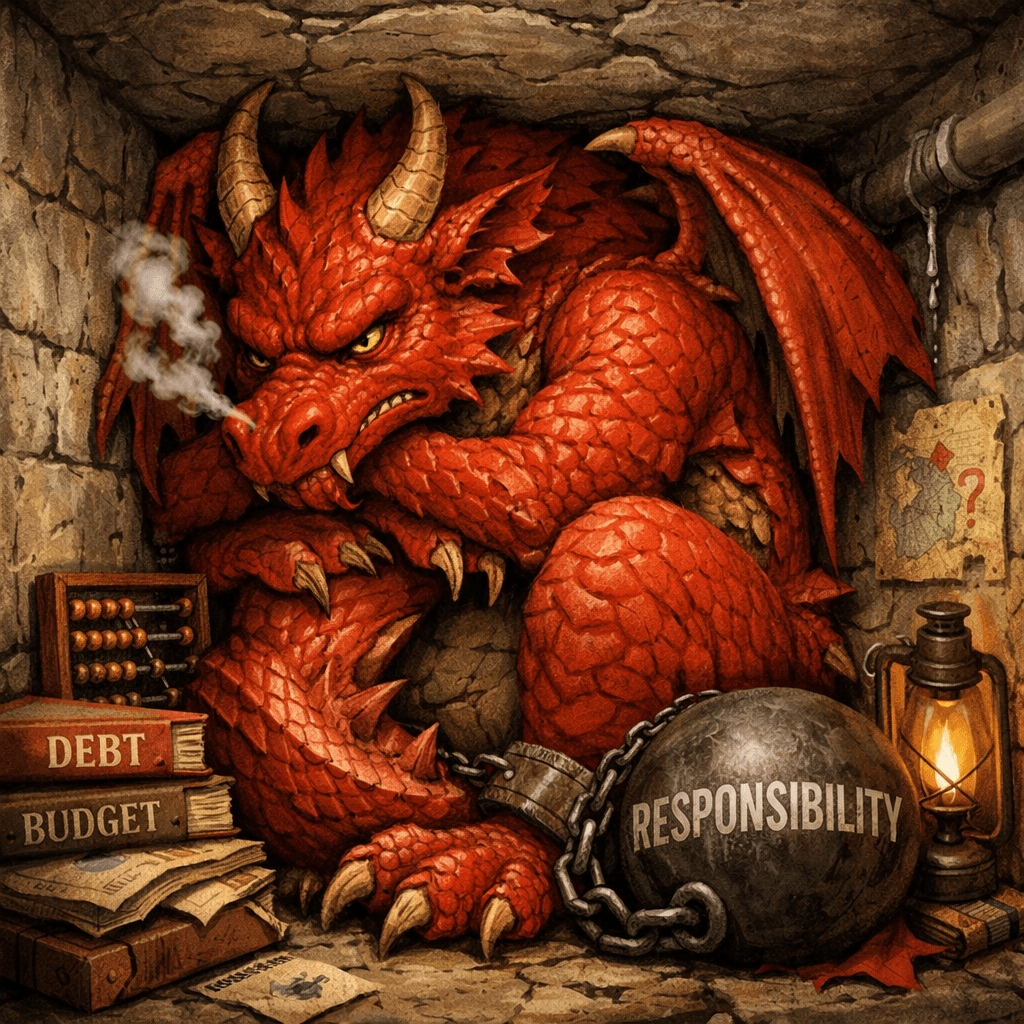


Identity, it is said, is the most important thing a People can have. So what better way to guarantee that identity than by taking back control and assuring it inside a sovereign nation state.? It’s a very popular policy at the moment, so there must be advantages. But it’s worth at least noting the counterfactual argument, because it has consequences for what we try do here.
If you’re going to have a sovereignty worthy of the name, you must have the following: Defence, Intelligence, Borders, Customs, Taxes, Tariffs, Executive, Legislature, Judiciary, Foreign ministry ,Legal system, Central bank, Currency, Police and Regulators. To say nothing of the fixed obligations such as pensions you inherited from the larger state you have left. You could opt for health education, culture, policy, tourism and transport as well; but these are discretionary. So could smaller entities bear all these costs if they went it alone? Could California? (large-ish) Wales?(medium) Or Jersey? (rather small, with due respect). Take Wales as a hypothesis : let’s say the UK spends £50 billion on Defence and Wales is 3.1% of its population. That ratio would entitle an independent Wales to £1.5 billion. Would they be as well defended? The answer is no. For one thing they would have to set up entirely new structures of command, procurement, intelligence and all the other essentials of a modern force. Secondly, there is the brute fact that larger purchases always generate cheaper prices for anything Defensive-aeroplanes, tanks, guns, even the dusting cloths you need to keep them clean. Bulk purchase means cheaper unit cost. And it works the other way. Even a superb Welsh manufacturer of tanks would only enjoy tiny assured domestic markets, making its borrowing and production costs prohibitive in a world market. That is why American giants like Ford and General Motors thrived in the twentieth century: they had fixed access to the largest Single Market then available. That is why nations which have tried to downsize, like the UK after Brexit, have struggled so badly ever since.
The argument to grow polities into larger units is the same as that for growing companies. Economy of scale and stripping out fixed costs. A World Government would only need one of each the exhaustive list above. Imagine the procurement advantages in any number of things-medicines, schoolbooks, computers or even those wretched dusters again. What a saving for taxpayers! A single world Ministry of Defence would enjoy the highest possible bargaining power against its suppliers, cutting the cost of the $2.7 trillion we spend as a planet on defence by whole orders of magnitude. Of course, if there were a World Government most defence spending would become unnecessary anyway, as most nations’ armies exist sole to defend against other nations’ armies. But that’s something for another day
#nation state #history #politics #economics #world government


