As terrible events unfold in Ukraine, those of us still fortunate enough to lead comfortable lives in peace are forced to ask the question “what are the causes of evil?” Quite a few thinkers have been having a go at this one since at least 600 BCE. But no question is ever entirely answered: so today we think the psychologists should have a try.
Nadja Heym and Alexander Sumich, writing for the Conversation, identify a “dark triad” of personality traits-psychopathy, Machiavellianism and narcissism. To which, tentatively, they add sadism. They point out that some people are so bad you can sometimes see them coming. But they point to a hidden, deeper group of baddies who may be hiding in plain sight, whom they label as “dark empaths“. A chilling thought indeed! Anyway, read for yourself. And think-do I know anyone like this, perhaps at work or who has been in the news recently?
We thank Mr P Seymour of Hertfordshire for today’s story
Every schoolchild will remember Π, pi, 22/7, that curious number you get when you divide the circumference of a circle by its diameter and which works out to a series of digits which no one has ever finished. Okay, it’s good for geometry and engineering, the Ancient Greeks knew that, but- so what else? Well the odd thing is that it seems to crop up in other branches of mathematics which are completely unrelated to geometry.
In today’s El Pais, Fernando Chamizo explains how. Take a very large number-call it N. Now multiply the products of all the even numbers that lead up to N. Call it q. Now the odd numbers and call it p. Divide p/q, square it and multiply that by 2N. You will get an approximation to Π. We tried it for N=10 and got 3.302, but as Fernando explains, the bigger the value of N, the closer you get to the real value of Π. Somehow our old friend pi is nested in the deep structure of the numbers.
It’s the same for Euler’s number, e , 2.718…which crops up all over the place in mathematics, compound interest, and computing, to paint the matter with a broad brush. And other abstruse things like imaginary numbers which equals the square root of -1.
And so we ask-is this a coincidence, a random consequence of numbers and algebra? Or is it a tiny hint, a clue of a clue if you like, to some deeper structure of reality which we have barely glimpsed? The potential dividends of such research might be enormous for us all. Instead of which we must spend our time dealing with the actions of a sociopathic tyrant whose learning is confined to some half digested mystical versions of history, and mopping up the blood which flows from it. (English speakers, get those translators ready!)
a weekly look at stories of more than short term significance
Does Covid affect your brain? Covid-19 shows worrying signs of returning-and the effects may not be too nice. For The Conversation, Jessica Bernard considers if even a mild dose may affect your “grey matter”.
Chile takes the right path The true sources of national greatness lie in building up the economy and by advancing technology. Once you turn to excessive reliance on armies and fleets you are already in decline, as history shows. It’s a lesson Chile seems to have learned. Nature Briefings has a nice summary, with a link to click if you want to know more Hope is the word for scientists in Chile
Chile’s new president is ushering in what many scientists see as a new era for the country. Gabriel Boric, who is only 36, enlisted scientists in his election campaign and has given some of them top jobs in his administration. He has promised to take strong climate action, boost stagnant science funding and fight inequality. For scientists who lived through the 17-year dictatorship that followed a coup in the countryChile in 1973, the promise of this new era is exciting — and long overdue. “Hope is the word” to describe how researchers are feeling, says neuroscientist Jacqueline Sepúlveda.Nature | 7 min read
Bionic eyes? No disability moves us more than that of the blind. We love to read stories of hope, and here’s an exciting one from Live Science’sMark Smith, Bionic Eyes: how tech is replacing lost vision
A song for us all Yes, the Star Spangled Banner is the National Anthem of a particular state Yet the American Revolution was also a victory for the Enlightenment in general, as its protagonists knew well. For all its faults, the USA and its allies in the EU , Canada, Britain and around the world still represent the best hope for mankind. That’s why we still love this version by Lady Gaga
the next part of our series on the transition to a new world
We promised you, gentle readers, a series based this war. Our thoughts on how it began, what happens now, and what might yet be to come. And how we dreaded writing some of them! Especially the one about how we got here. Complicated or what?
Fortunately, we found the work of Keith Gessen. Ladies and gentlemen, this little piece he put in today’s Guardian is so remarkably fair, full and above all clear, that we recommend it wholeheartedly and without further ado.[1] And don’t be put off by the “long read” strapline, because it’s really not that long at all.
The story dates at least to that fateful coup d’etat in 1991 and has one central theme. Mistrust. The Baltics and others could never trust the Russians, and longed for NATO/EU membership as the ultimate guarantees of freedom. Russia smarted from what she saw as a humiliating defeat in 1991. Every political change in Russia, or any or any of the border republics, was seen as evidence of nefarious American purpose. This was especially true of Putin and his coterie of KGB men who seemed unable to ask a simple question “why might people prefer the West to us?”
In the end all roads lead back to Putin, who believes violence and terror are the only certain guides to human conduct. His concerns therefore cannot be with the real or imagined grievances of national minorities, or local lines on maps. They are pretexts for a bigger project: the restoration of the USSR in its entirety. And who can say with confidence that this time it will stop on the Elbe?
A new heaven and earth -part 2 :The world we left behind
The world which was snatched from us on 24th February 2002 was not perfect. Our astute readers will be aware of many of its imperfections Yet this Lost World was actually trying to solve some of them and might have done so, but for Vladimir Putin.
Climate change was the obvious one.[1] COP 26 for all its faults marked a genuine momentum towards net zero emissions. Now the urgent need for energy, any energy has all but vitiated climate reform for many years. If your home is drowned by rising waters, blame Vladimir Putin. The same is true with this blog’s own little obsession with antibiotics. The urgent needs of war and refugees will destroy attempts at rational prescription, and much research capacity will be diverted to military ends. If your child dies of an antibiotic resistant disease, blame Vladimir Putin. We could say much the same about his destruction of the global market, which was doing so much to lift billions out of poverty.
Yet his real legacy will be far more terrible. Older readers will recall how Ukraine gave up its Soviet era nuclear weapons in1994. A real gesture to peace and trust. Now it has been invaded by a nuclear level power. We doubt that would have happened if Ukraine had kept its nukes. The message to nations large and small is: get nukes! And if you have them, keep ’em at all costs! The risks of nuclear wars is now infinitely enhanced. And if you die in one, perhaps from the explosion, the burns, or cancer, you will know who to blame.
[1] This Financial Times article is via Nature Briefings
On top of the human suffering and death that Russia’s invasion of Ukraine is causing, it will complicate global cooperation on climate change and the transition to greener energy. The conflict could make some European countries in Europe more reliant on coal in the short term, as they work to break their dependence on Russian gas and oil. The good news is: Europe is increasing its investment in clean energy. “Many of the strategies to lower dependency on Russia are the same as the policy measures you want to take to lower emissions,” says energy-politics researcher Thijs Van de Graaf. “They say, never waste a good crisis.”Financial Times | 10 min read
#russia #ukraine #vladimir putin #zelensky #ukraine war #nuclear proliferation #weapons of mass destruction
At times of stress everyone needs a little escape. Gentle readers, we’re going to offer you Euronoir– the genre of crime, murders, mysteries and general skulduggery in the lands of our Allies. Yes, you’ll never surpass the American masters like Hammett and Chandler. But you can be just as good. And no, we haven’t read it all, we’re on a journey of discovery as well. Let’s tell you about what we’ve found so far.
Maestro of the Euro mystery novel is Manuel Vázquez Montalbán (1939-2003) who brought the world a tough private eye called Pepé Carvalho. Something of an outsider-he hails from Galicia and, unlike our other characters, has no Police department to back him up. Pepe’s adventures began in Barcelona of the 1970s. A grainy treacherous world of criminals, whores and big shots set against the background of Spain’s lumpy transition from Francoist Dictatorship to fragile democracy , with all its moral compromises. As the series progressed, Carvalho’s pursuit of murderers spread out across the world, giving him ample opportunities to pursue his spare time interests of fine food and accommodating ladies. We recommend the early work Tatuaje (1974) as a starter.
There is no greater tribute to a writer than another great writer paying him homage. That’s why Andrea Camilleri (1925-2019) named his detective Salvo Montalbano. Geddit? Those of you who have seen the TV series will know how this intelligent, grumpy man negotiates his way through the underbelly of modern Sicily. He has problems enough with subordinates, criminals and the local Mafia. But the real angst is from the network of well-padded police chiefs, politicians and judges who sit above him: Camilleri’s oblique slant on the mores of his society and the way it functions, or does not. Like his Spanish ancestor, Salvo is a bit of a gourmet, and is not immune to the charms of the female of the species. For an intriguing, funny and deeply moving mystery we recommend Il Cane di Terracotta (1996) which we know you will find in English and Spanish!
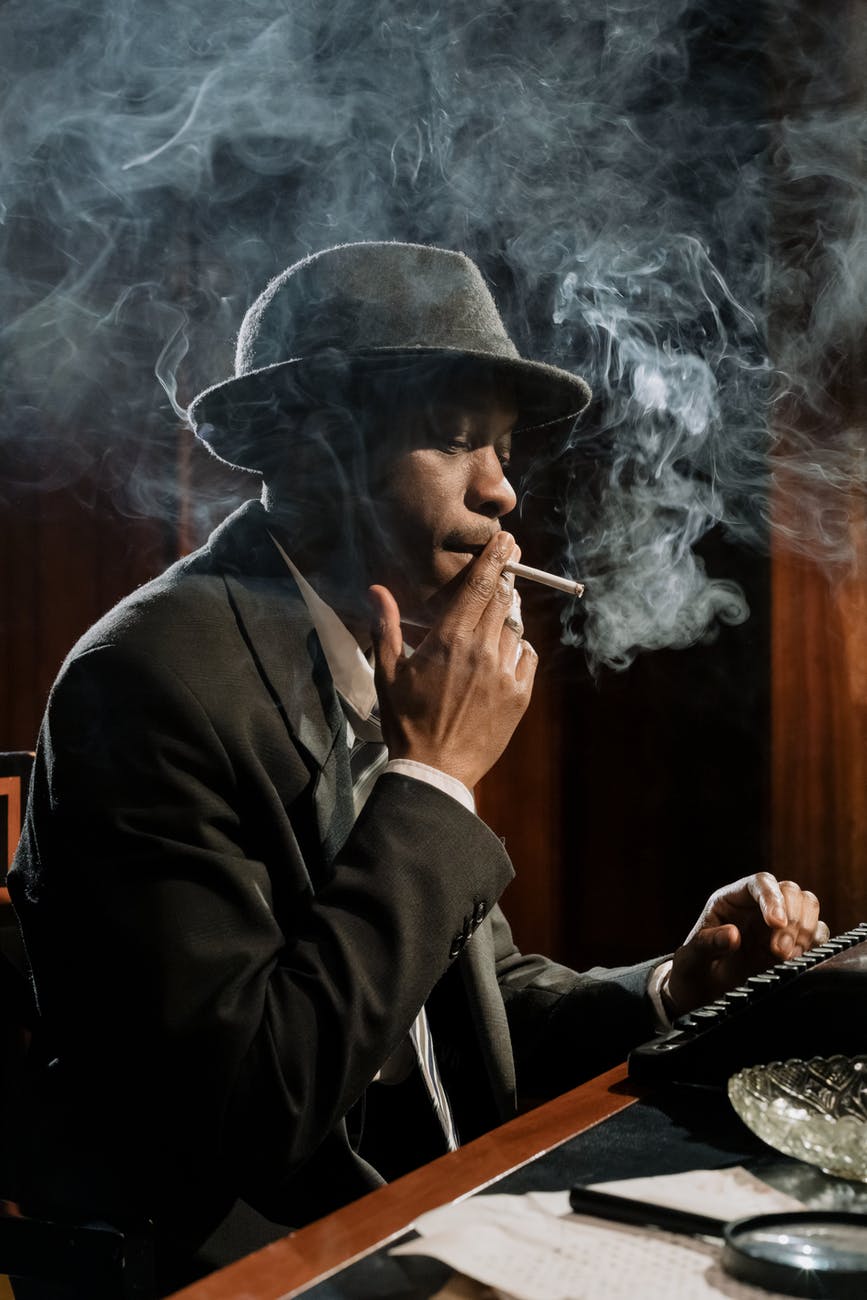
The moody atmosphere of Galician rías and fishing towns is captured by Domingo Villar (b1971). His chain smoking Policeman Leo Caldas and his good natured, violent side kick RafaelEstévez pursue their killers against a background of tight-knit suspicious communities, dark secrets and their own bickerings and doubts. Leo’s personal cross is being forced to make regular contributions to a local radio show whose vacuous host is a cryptic synecdoche of the shallowness of much of modern society. La playa de los ahogados (“beach of the drowned”, 2006) is a great place to start, but you’ll find the translation sold as Death on a Galician Shore.
Spain is a land of competing jurisdictions, There’s a Guardia Civil, a Policia Nacional, a Policia Municipal and other forces in certain regions, all jealously guarding their respective rights, labs, crime scenes and shares of the pot. So Lorenzo Silva‘(b 1966) makes Guardias Ruben Bevilacqua and his assistant Virginia Chamorro negotiate any number of tripwires before they get near a murderer or a witness. Spanish readers will have guessed that Ruben too is a bit of an outsider, having been born in Uruguay, and it doesn’t help his concentration that Chamorro, like Spain, is both attractive, and yet quite unavailable. We won’t spoil El Alquimista Impaciente(2011) too much except it’s got something to do with dirty dealings in a nuclear power station. Which makes it rather scary, especially now.
As we set off to discover more, we hope you will too. Next time you’re on holiday remember-behind the hotels bars and cafés there may be murky goings-on. Salud!
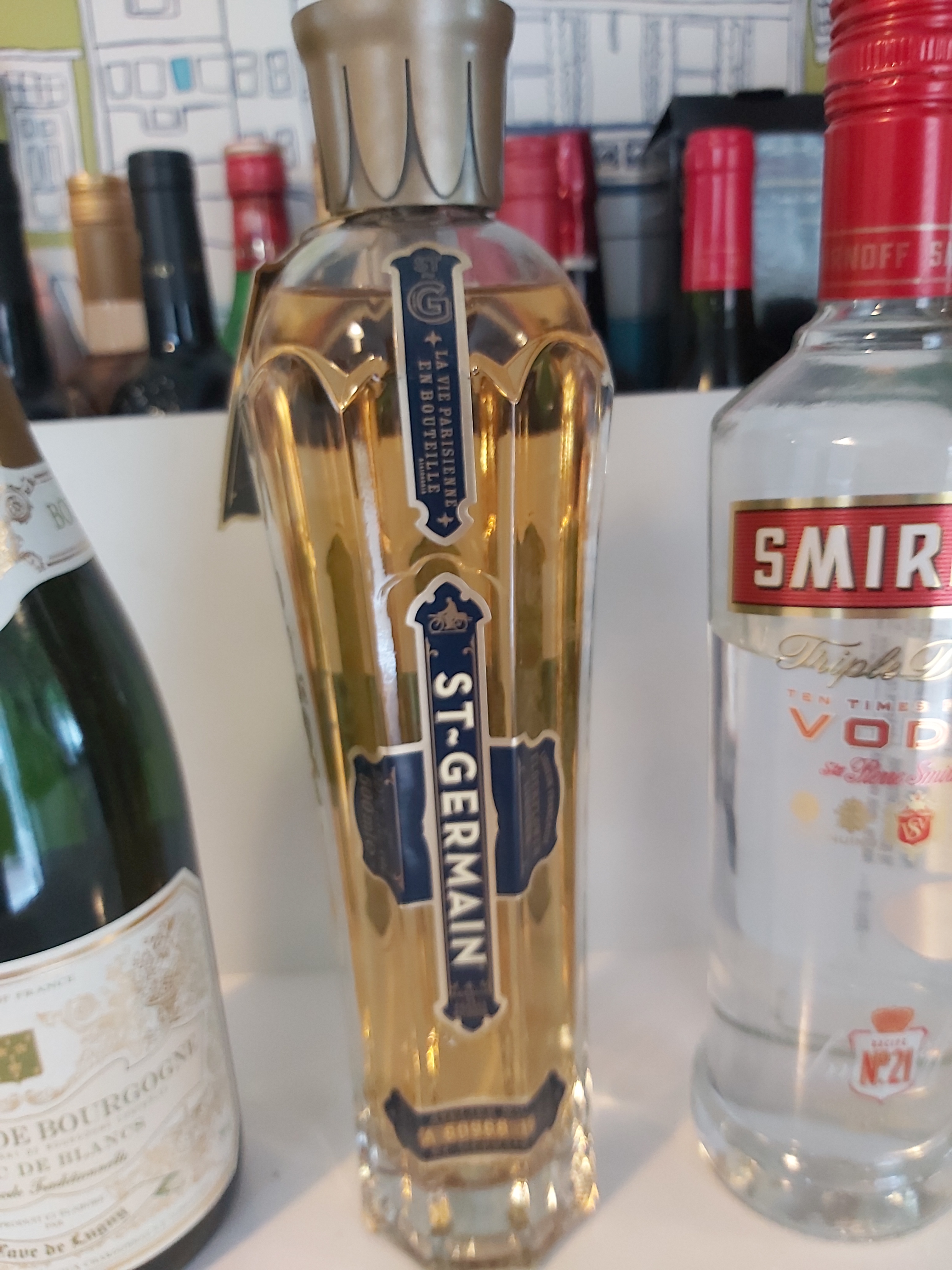
Back in the 1970s, Vladivar marketed itself as the “Vodka from Warrington” with heavy plays on Soviet jokes and all things Russian. The Soviet Embassy protested, but to no avail as there was no KGB agent able to deal with the upstart company (that came later in Salisbury, you may remember) We are pleased to report that Vladivar are still trading: [1]and their stuff is still brewed in the free world, albeit no longer in Warrington. Smirnoff too state that all their juice is made and bottled outside Russia, and we will take them at their word.[2]
But today we raise the ante with a marvellous site called Coffee or Die with thier Boycotter’s guide : five Ukrainian Vodkas [3]whose sale purchase and consumption will annoy ol’ Puters and his gang. Because however small the step, it’s worth taking. So yes, you can drink Vodka. And as you do, think of the brave Ukrainians who are fighting everyone’s battle. No cocktails for them.
And I saw a new heaven and a new earth: for the first heaven and the first earth were passed away Revelation 21 .1
The invasion of Ukraine has changed the world forever. Geography, politics, economics and culture, even the way we feel, will never be the same again. The reverberations of 24th February 2022 will be felt by generations yet unborn. In the next few weeks we at LSS will be running a sequence of pieces in response. They will look at things like how we got here. Back at the age we have lost. How things in our new world may start to play out. The opportunities we have now missed. And maybe, just maybe, how something positive may be salvaged from this mess-if only for the sake of the children.
To start you off, we have chosen Robert Peston of ITV. Always an admirable thinker, his piece called How Putin has killed globalisation and what that means for us, is a must-must-must read. [1] Robert starts with economics, then draws his conclusions appropriately
Firstly, it’s the final death of globalisation (the patient has been sick since 2007). This is bad news for people in new economies like India and China, where living standards have been rising. But it’s good news for people in the old rustbelt towns in the US and elsewhere. Because supply chains will shorten, manufacturing will be repatriated, and wages will rise. However, so will inflation. Traders will no longer be able to source the cheapest product, and the world will divide into “capital blocks”, meaning interest rates will rise and stay high. Security will trump efficiency, always. Perhaps most significant of all is this extract from the end of Robert’s article:
…. unless we recognise the magnitude of the shock this crisis has caused to us, we’ll be less able to challenge the current tyrant, his imitators and successors.…..
……….we may decide that the definitive moment globalisation died was when China, India and South Africa all abstained on the United Nations Vote condemning Putin’s invasion.If they are so alienated from the global rules and norms that have delivered rising prosperity to them in recent decades, we have to look much more to ourselves for our economic security.
To which we add: there can be no economic security without political and military security. You have been warned.
One thing we do know. The quicker you can identify a cancer and stop it spreading, the more chance you have of stopping it in its tracks. Any new way of doing that has to be good. Now a remarkable application of Fractal mathematics may do just that.
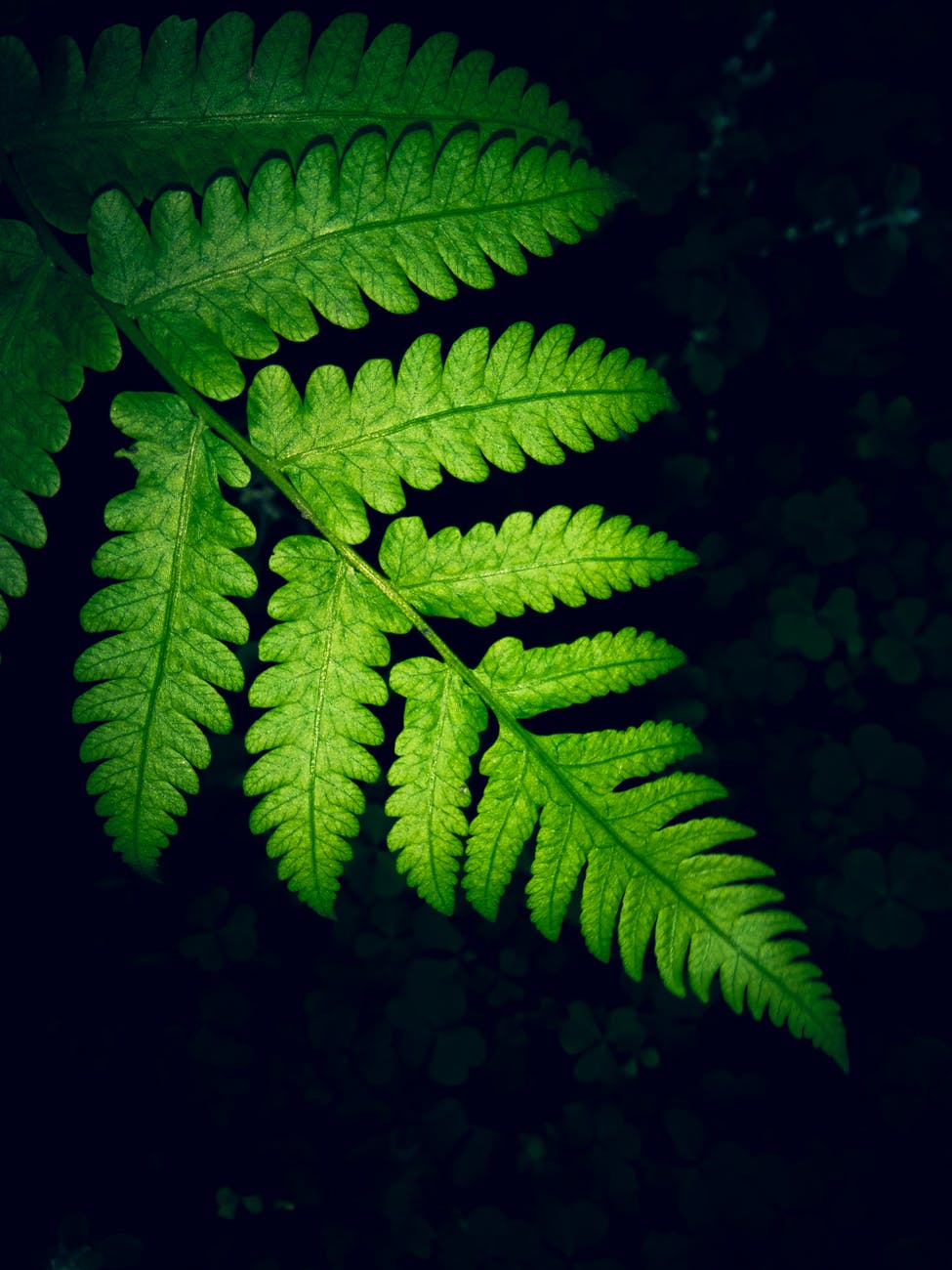
Most readers will have some ideas of what fractals are. It’s a branch of geometry that studies ever repeating patterns and the way they change. The work of Benoit Mandelbrot(1924-2010) is a good place to start if you want to know more. At first it all seems very abstruse and pure mathematics sort-of-stuff. But actually we find examples of fractal patterns in nature, such as the fronds of ferns. So they could be useful in human health.
Which is exactly what American research teams think. Your link today by Juan Matias Sepulcre Martinez of El Pais describes how the fractal analysis of tissue patterns may reveal the early warning signs of developing tumours. (spoiler alert for anglophones-you’ll need to hit the ol’ translator button) It’s early days yet. But it proves one old trope we keep banging on about-today’s pure research is tomorrows application.
Imagine if all the money the world is spending on Putin’s ego-trip into Ukraine were spent on research-what would our lives be like then?
Ever since we have been following human evolution(and it’s a long, long time) we’ve noticed one constant thread: the splitters v the lumpers. Outsiders may require a little gloss at this point, so here goes
Splitters: Tend to give every new fossil they dig up a new species name wherever possible. Live in a world of bones, measurements, cladistics and statistics. We could fill a paragraph with the names of species and genera they have named and, quite often, change. Have made most of the running for the last 100 years or so, but:
Lumpers Tend to downplay the extent of the differences between all the different bones and look for long lineages changing slowly in time. Recently have received support from advanced DNA and other genetic studies which suggest modern human DNA is a “mosaic” of bits from different places in space and time. And some of it from beings whom the splitters insist were not fully human.
It is in this light that we invite you to look at this fascinating piece by Yan Wong and Antony Wilder Wohns for the Conversation.[1] They’ve tried to pull together gene sequences from all kinds of humans, including Neanderthals and Denisovans, and have a fascinating animated graphic suggesting a true origin in Africa for us all, maybe around 2 million years ago. Splitters will love that this seems to fit with the appearance of Homo erectus/ergaster-but still can’t decide if they were one and the same.
Learning goes on in every field (and will even survive Mr Putin) and scholars will always fight over small differences, as their shaggy ancestors did long ago. Meanwhile, keep smiling, keep an open mind, and delight in every new discovery of human intelligence. We will win in the long run.










 Learning, Science and Society