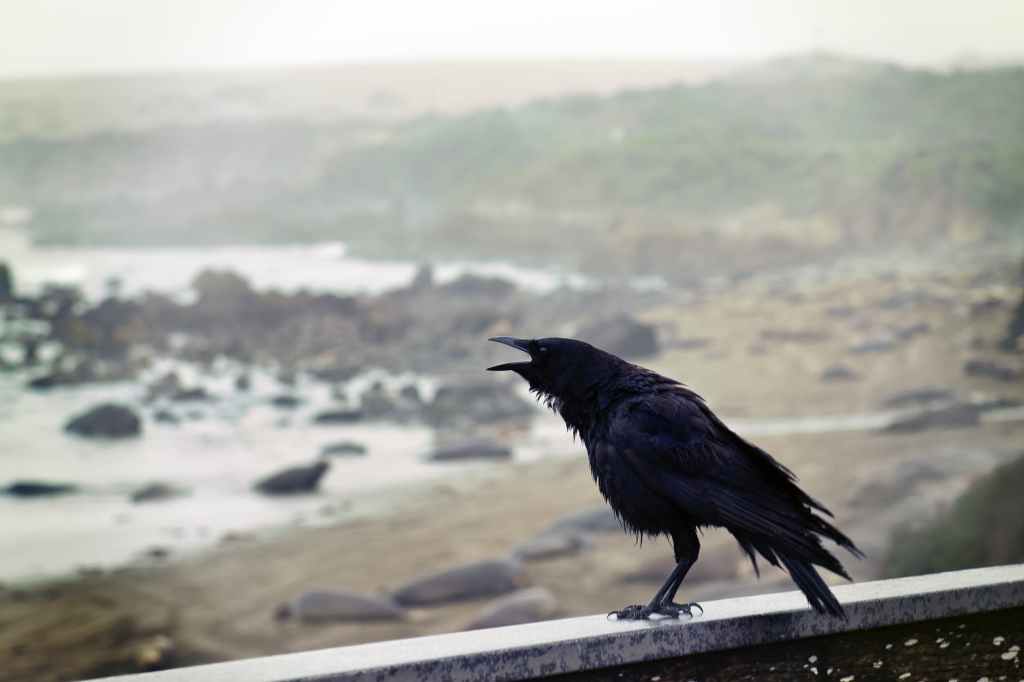
Closing down crows is running away from the future

Ask any educated person to name the most iconic laboratories in the world, and they will reel of a list which might include Los Alamos, CERN, the Broad Institute, the Max Planck……we could go on. But how many would name the Comparative Cognition Laboratory[2] at Madingley in Cambridge, and its handful of little offices and aviaries? Yet the work done there is just as surprising, and as prestigious as any done at those somewhat larger and much better-heeled institutes.

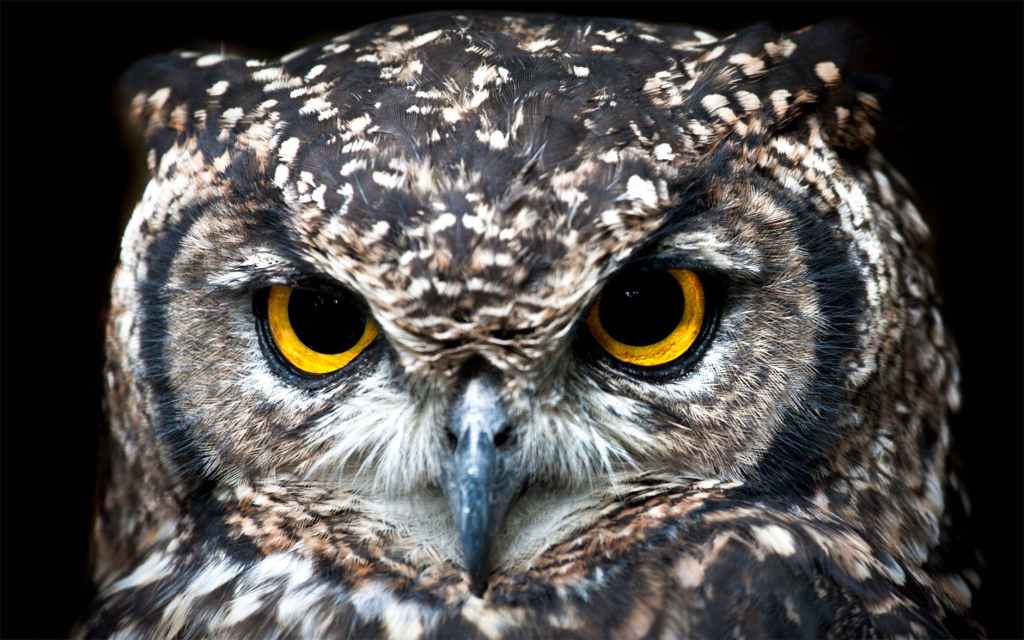
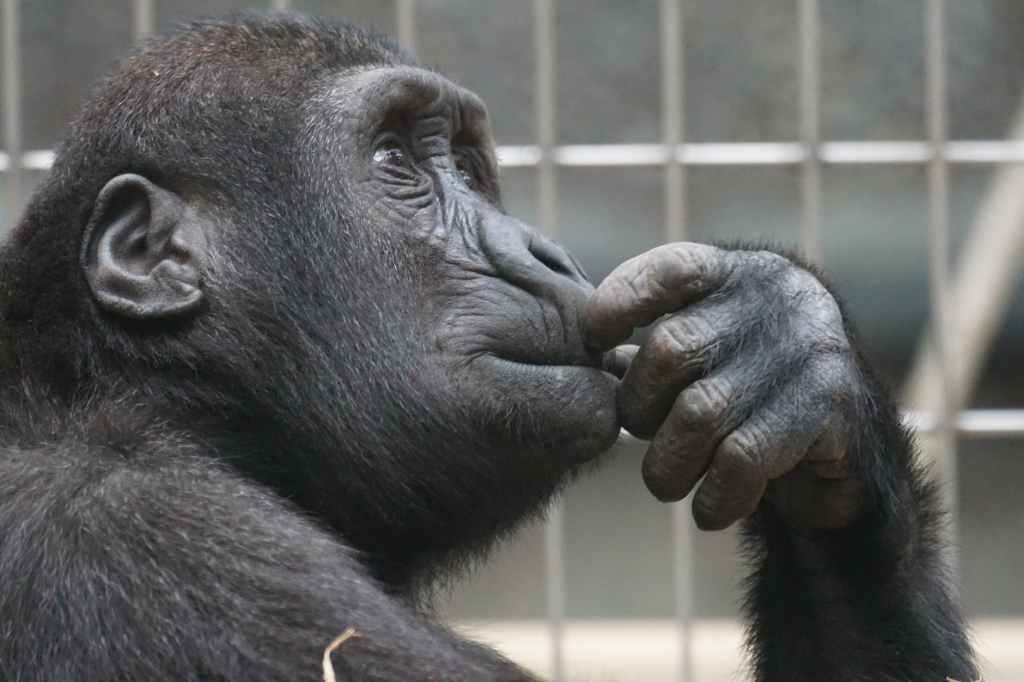
For the work of Professor Nicola Clayton and her team has shown that the Corvid family of birds-whose members include crows, jays, rooks and ravens are intelligent. Maybe very intelligent, right up there with chimpanzees and the other bright stars of the animal kingdom. People have suspected this since the time of Aesop, but the Professor and her team have shown, unequivocally, that these clever birds can use tools, plan ahead and second guess the actions of those around them. That’s a pretty good definition of intelligence in anyone, certainly anyone in the present Government.

And now this fascinating, value-for money little outfit is to close. You can read the hows and whys in Will Coldwell‘s coverage for The Guardian.[1] What we want to point out, rather sourly, is how a genuine cultural treasure, a source of new learning, is being thoughtlessly vandalised. Yes, we in Britain are very keen to save bits ancient culture, like big country houses and old steam trains. But, given the chance to preserve something new, and potentially game changing, it’s spurned. That seems to us at LSS to be the very opposite of taking back control.

[1]https://www.theguardian.com/environment/2022/jun/19/queen-of-corvids-the-scientist-fighting-to-save-the-worlds-brainiest-birds

[2] https://www.psychol.cam.ac.uk/ccl

#psychology #intelligence #research #crow family #aesop
Weekly Round Up: Peat bogs, AI Bards, Ancient Plagues and a Spanish hero

some things that made us think this week

Whose climate change is it? The developed world has been cutting down forests and pouring out CO2 for centuries. Now we learn that peat deposits in Congo could act as enormous carbon sinks, and ought to be preserved. Trouble is: they belong to the Congolese and as they point out: “why should we stay poor to fix your climate problem?” Good question. Here’s Andrew Harding of the BBC.

https://www.bbc.co.uk/news/world-africa-61708452

Multidisciplinary teams amaze on Black Death It’s incredible to think that the precise point of origin of the Medieval Black Death has been located. This was the work of scientific detective teams comprising archaeologists, DNA experts and historians and of course the Max Planck Institute which does so much to understand the deep past with such modern techniques. Nature Briefings, Ancient DNA Traces origins of Black Death

A strain of Yersinia pestis, the bacterium responsible for the Black Death pandemic in the 1300s, has been traced back to a fourteenth-century outbreak in what is now Kyrgyzstan. “It is like finding the place where all the strains come together, like with coronavirus where we have Alpha, Delta, Omicron all coming from this strain in Wuhan,” says palaeogeneticist and co-author Johannes Krause. The area was on the Silk Road trade route, which might have helped the plague to spread westwards.Nature | 6 min read
Reference: Nature paper

Can computers write? Remember HAL the singing computer in Stanley Kubrick’s 2001: A Space Odyssey? Well he probably couldn’t have written the lyrics. Not yet anyway, according to Alex Connock and Andrew Stephen, who tried to train AI systems to write like Shakespeare. Their own jottings are recorded in The Conversation:

https://theconversation.com/we-taught-an-ai-to-impersonate-shakespeare-and-oscar-wilde-heres-what-it-revealed-about-sentience-184969?utm

Antonio de Nebrija-this week’s hero of learning Today we salute this eponymous pioneer of language learning, who among other things produced the first grammar and dictionary in Castilian Spanish. Somehow the Iberian Peninsular gets sidelined in studies of the Renaissance, but here was one Spaniard up there with the best of them

https://en.wikipedia.org/wiki/Antonio_de_Nebrija

#global warming #climate change #peat #carbon sink #nebrija #renaissance #iberia #AI #black death

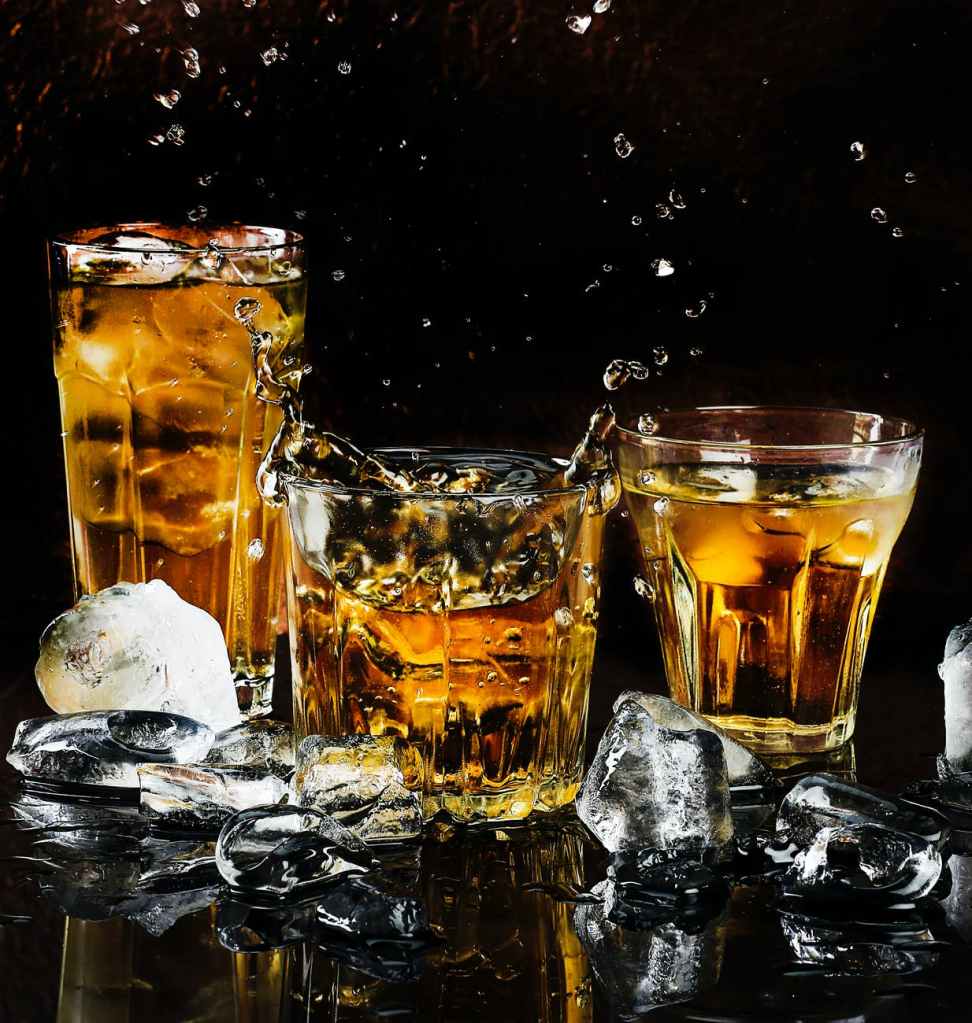
Friday Night Cocktails: putting you in the pitcher

Now, as the sun approaches its zenith in the northern skies , what better way for us sophisticates and all-round cognoscenti to relax and enjoy a fine long cocktail on warm summer evenings? And what better way to do it than invite friends and neighbours for a long cool pitcher, or jug, of some favourite tincture? A sturdy jug crammed with fruits and ice, its sides beady cold, makes such a fine addition to a well-trimmed lawn and immaculate flowerbeds. And once again, our researchers have come up with so many that all we can do is to pick the highlights of the highlights, as t’were, and give you some more leads for you to check out for your self.

The cocktail department of the BBC Good Food Website can call on some of the very finest brainpower from some really cutting-edge researchers. Here are a few of their finest:

Pimms– Shakespeare eat your heart out. Because nothing evokes the greening swards and summer skies of an English summer so much as a tasty drop of the ol’ No1. We’ve done it before, but that just proves how good it is. The BBC give us a basic, one with basil, another with Pomegranate………….go click for your self

Sangria– For our Iberian chums, who are not only avid readers of this little blog, but know that the Spanish have been knocking this stuff back ever since El Cid captured Valencia. For many elderly Brits of the BEA-Viscount Generation, it was the first hint that a drink could be more refreshing than Brown Ale with a plate of whelks.

Long Island Iced Tea A true louche rendolence of the age of F Scott Fitzgerald and all those wild parties of the Jazz age. Be warned-this is a strong one and you could end up feeling like you’re under concrete before you’ve even met a real gangster.

Here’s your BBC link:

https://www.bbcgoodfood.com/recipes/collection/jug-cocktail-recipes

If you are frightened because you think Rupert Murdoch will find out if you have visited the BBC, here are some other websites which our researchers rate as well

https://www.olivemagazine.com/recipes/collection/4-quick-and-easy-jug-cocktails/

https://www.townandcountrymag.com/leisure/drinks/g834/pitcher-cocktail-recipes/

(note to researchers-OK you can go home , this is finished. Be here all the earlier tomorrow morning, and get me a mcdonalds and fries from the one by Croydon East station Delete pre publication -ed)

#coctails #sangrai #pimms #long island iced tea

Changing English, changing England

The type of English you’ll hear in the street is going to change radically in the next hundred years. At least according to an intriguing report by Craig Simpson of the Daily Telegraph [1] The type of idiolect and pronunciation characteristic of high immigration areas of London and other inner cities will slowly displace the old “cockney” and other dialects spoken by the lower classes during the Industrial Revolution.

There is nothing new in all this. If you went back to Chaucer’s London you would not understand the chat of the characters at the Tabard Inn. For this was before the Great Vowel shift, which in turn was probably driven by immigration into London after the Black Death. Again, the sounds of Elizabethan London would have been very odd to the modern ear-a bit like Americans crossed with a bunch of Devonian farmers.

Speakers of Spanish will know that whole new accents can arise in that language(the special accent of Buenos Aires is a case in point) and we don’t doubt the same has occurred in other languages known to the readers of these pages. As societies change, so do languages-and vice versa. Perhaps the wisest comment came from that speaker of old Anglo-Danish King Canute who knew he could not stop the tide from coming in.

[1] https://www.msn.com/en-gb/news/uknews/wagwan-street-slang-to-be-britain-s-main-dialect/ar-AAYpPvj?ocid=msedgdhp

#dialect #idiolect #linguistics #society #culture #immigration

Dogger Bank rewilding-and a deeper truth

If you had visited the Dogger Bank in the north sea in 1830, you could have pulled up a tonne of fresh halibut in a day. If you look at the combined catch of that fish for the whole of 2022, it amounts to a miserable 2 tonnes per year. Why is that? Because all the halibut, and just about every other living thing have been eliminated by decades of brutal, efficient and utterly unsustainable trawling, and other crazed fishing methods, which have reduced it to the marine equivalent of the Sahara desert.

Yet Charles Clover, writing in the Guardian,[1] has some good news. By an accident of Brexit, the British Government has been forced to protect 12000 km2 of the bank. There is a chance wildlife may recover. If the success of the Lyme Bay project is anything to go by, there will be an enormous diversification of marine life. Perhaps even more fish to catch-an outcome beyond the cognitive horizons of many free market theorists.

Because for many decades western populations have been dragged to worship at the altar of unfettered free markets. To exalt the kind of stripe shirted, hypermasculine free wheeling go getters of the sort personified in Wall Street or The Wolf of Wall Street. To whom the highest, shortest term profit is the greatest good of the greatest number. And that anyone who asks rather plaintively about the possible human, social or environmental costs is regarded at once as a”nut job” or a communist (and is often implied to be of a certain suspect sexuality to boot).

Well now the evidence is in. Regulation saves markets from themselves. More fish. More jobs. A cleaner world. No it isn’t communism, it’s more like putting brakes on a car-the benefits are clear to all but the most juvenile type of mind. The battle over marine protection is far from won. There will be fleets of hostile fishing vessels straining to get into the Dogger Bank from now on, longing to reduce it back to nothing in weeks. But a start has been made. And it points the way to bigger things to come.

https://www.theguardian.com/commentisfree/2022/jun/13/britain-rewilding-north-sea-dogger-bank-biodiversity

#fisheries #dogger bank #free markets #sustainability north sea #lyme bay #sussex kelp forest

Charles works for the blue marine foundation whose home site is

Homepage

Friday Night Cocktails: The Two-Hit quickies

Imagine that Her Majesty Queen Elizabeth II suddenly shows up at your home, right now. (can you say for sure it won’t happen?) How are you going to entertain her? Because surely someone like that deserves a drink, don’t they? Be warned: the Queen doesn’t travel lightly. There’s her personal entourage-ladies in waiting, servants, equerries, silver sticks, you name ’em. All her security-policemen, plainclothes, soldiers, helicopters overhead, the whole kit and caboodle. To say nothing of the press pack and photographers. That’s a lot of thirsty people. You gotta work fast. And you might run out of ingredients!

Stop worrying, for help is at hand. The two-hit quickie cocktail. So fast to prepare, so economical on ingredients, so easy to understand that even readers of the Sun can make these ones. A group of drinks which, as it serendipitously turns out, contains some of the very finest classics to hit a bar top from San Francisco to Singapore. Our researchers have come up with three fantastic sites for you today. So many recipes in fact, that all we can do is pick out some of the highlights. So here goes , and the links are below. (thanks researchers, you can go now-we’ll see you over at The Porter in ten minutes.) For the record two ingredients means the main ones-we don’t count simple additions like ice, waters or decorations, without which they’re not cocktails but just booze.

Gin and Tonic: So obvious, so cool, so simple. Why didn’t we think of at earlier?

Martini: sophisticated blend of gin and a dash of dry vermouth. What is your pleasure, Mr Bond?

Manhattan: More sophisticated adult fun-just a vermouth variation on the above, really.

Pink Gin: For nautical types: no doubt: the Royal Yacht club could whip one of these up quicker than it takes to rent a new buoy.

Gibson: From that immortal moment on the train in North By North-West where Cary Grant and Eve Marie Saint are on that train and he slips one in before dinner

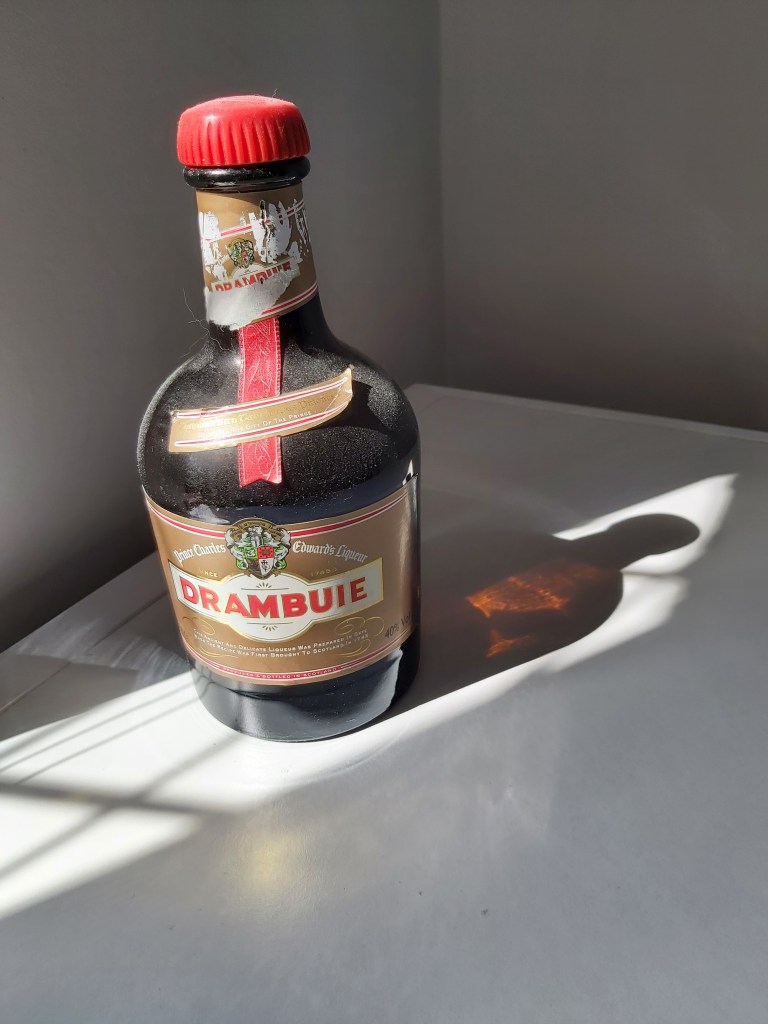
Rusty Nail: Drambuie and scotch, the kind of strong one Boris Johnson resorts to after a meeting with Nicola Sturgeon. Not during lockdown of course

And now here come lots more. Our three fantastic sites for you to click are Taste of Home, tps://www.tasteofhome.com/collection/2-ingredient-cocktails/ liquour.com ttps://www.liquor.com/easy-two-ingredient-cocktails-4802618 and foodfor net More power to their excellent researchers, mixologists and writers, we say !

#coctails #friday #gin #vodka #whisky

Everyone can go to University with Melvyn Bragg

Ask any overseas reader “what is the Best of British?” and they usually cite the BBC and its ecological superstar Sir David Attenborough. But the BBC contains another hidden gem. One that is free, easy to access, and which you may not have heard of. Ladies and Gentlemen, allow us to present Melvyn Bragg and In Our Time. [1]

For this is a golden trove of learning on every conceivable subject and every intelligent man or woman who has ever lived(except for the ones they haven’t covered yet) Aeschylus, the Artheshastra, Booth, the Bacchae……Shakespeare, Schopenhauer……we could go on. All presented in the same easily-assimilable 48 minute format where Melvyn gets in three of the top academics in any chosen field and lets them talk. But not at length! A recurring highlight is when he reigns in some rambling academic and reminds them that they’re there to talk about that day’s topic, not some obscure side branch from one hundred years before. And every show since 1998 has been collected and archived so you can dip in to as many or as few as you wish.

This is learning as it should be. Before they came along and ruined it for you with endless exams, assessments, targets and crushing assignments. A world of eclectic discovery and thought-and wonder. We have never been sure if those who didn’t go to a University at 18 ever missed much, at least not with the state of contemporary education. But now, thanks to Melvyn, anyone can get what is most worthwhile from that experience, while avoiding all the soul-destroying torments that have been layered on top. Now everyone can go to University.And this time they can enjoy it.

[1]https://www.bbc.co.uk/sounds/brand/b006qykl?page=3

#bbc #melvyn bragg #learning #science #art #philosophy

What is Conservatism? The Kronenbourg Question

Shortly after the 2016 Brexit Referendum, we were accosted in our local pub by an acquaintance who testily demanded “why are you drinking that [foreign beer] Kronenbourg now we’ve had Brexit? You should be drinking [British] Fullers!” A trivial question? Mistaken? We don’t think so. Because we think it goes to the very heart of what it means to be a Conservative, and to the present troubles of our Prime Minister.

One honourable tradition in Conservatism is that the greatest good lies in belonging, usually to a nation and its particular culture. Symbols are indeed important. In England these include the Monarchy, Cricket, village greens-and what the English call Real Ale, such as Fullers. All are admirable, and all contribute to that sense of continuity which is such a vital national cement. [Overseas readers will be able to think of their own immediately] You tamper with these things at your peril, as Edmund Burke so rightly knew.

The other, equally honourable, is free markets. Low taxes and individual freedom are its nirvana. So trading goods and services freely across the widest area is the surest way to achieve general advance and prosperity. It’s been pretty well proved to work in practice. The alternatives have been truly cruel and inefficient. But of course it tends to wash away all that is local and particular, replacing them with a crude meritocracy of world brands. Like Kronenbourg. Microsoft. And McDonalds.

Which brings us back to that night in the pub. Should I be free to choose Kronenbourg? Or will its existence threaten the livelihood and traditions of thousands of British workers? Will choosing Fullers make me more British, or just more English? And anyway, it’s now owned by a Japanese company. As for Kronenbourg, some of it is brewed in the UK- but where do all those hops and barley come from? You could Google the answer on your I-phone, but where was that made-and who wrote the programmes that run it? Where? If we start restricting the movement of goods and people for the National Good, have we not opened the door to other interventions like raising taxes to the same end?

Boris Johnson’s real sorrows stem from the fact that he is presiding over a party and a country which has not truly answered these two questions. Nor have the Right and Conservatives in general. Until they do, the outcome will be incoherence and confusion on all sides, and an open goal to the Left. If they are clever enough to see it.

#boris johnson #free markets #conservatism #hayek # margaret thatcher #edmund burke #tradition #tax cuts #keir starmer #labour party #conservative party

A Big Thank you, and apologies for a temporary Silence

Thanks to all readers and contributors home and abroad, who are now becoming too numerous to mention by name. Starting from today the Editorial Board will be entering into an intense period of work which will carry us far from the old computer. We’ll be passing briefly through Washington*, engaged in extensive horticulture and participating in retail business at the highest level. Meanwhile all our staff-transport, HR, finance, security, IT, engineering, catering, cleaning and property services, and all the others whose names and roles we have forgotten, but you see them in the lifts and that, have been granted the weekend off to celebrate Her Majesty’s Jubilee in the proper feudal spirit. Which means no Cocktail Night, no Round-Up and no other posts and blogs and links which you have all come to love so much

So whatever you are doing and wheresoever you may be enjoy a happy weekend and we look forward to being back next week

THE EDITORS

*and many other places on the A24 such as Horsham and Dorking

The Dunning-Kruger Effect, or why you’re not so clever as you think you are

Around 1999 two psychologists called David Dunning and Justin Kruger did some pretty solid empirical studies. They found that people in the early stages of learning things quickly acquired a massive over-confidence. They rapidly overestimated their performance, hopelessly exaggerated their knowledge and proceeded to all all kinds of blunders in both fact and reason. Only by long dedication to a discipline did the provisional nature of their learning become apparent, and the humility to distinguish between conjecture and fact.

All pretty human, you might say. We’ve known about it for centuries. “if you want to know the answer to anything, ask a teenager” as the wise adage goes. You have to be really immature to possess cocksure certainty, and that over a wide range of subjects. So why does the Dunning Kruger effect[1] matter? Firstly because it is the beginning of good empirical evidence for what was previously supposition. And secondly because of journalists.

Journalists? The trouble is that journalists, and the proprietors they obey, are responsible for about 90% of the information we use, particularly in rather important areas like health and public affairs. In a typical day, a working journalist may have to master two or three new things, and then try to explain them to the public. And at the same time accede in all respects to the political and personal belief systems of the editors and newspaper owners who pay their salaries. The potential damage which this can afford was nowhere more clearly shown than in the MMR controversy of the 2000s when large sections of the UK press completely misunderstood and misrepresented scientific and medical findings to the immense detriment of all,

We leave the details to Dr Ben Goldacre who in his masterful Bad Science [1] describes the whole sorry affair, from his point of view in the epicentre. He is surprisingly fair, seeing poor Dr Wakefield more as victim and fall guy as much as anything else. His real ire is reserved for journalists who decided that they knew more about science than the scientists, journalists who believed they (or their owners) were the keepers of the flame of public morality. The Dunning Kruger effect indeed. MMR has passed now. But the same people and papers have gone on to mislead on many weightier matters. They have a right to speak of course; but we have a duty to make sure they speak responsibly from now on. The margin for error has almost disappeared.

[1] https://en.wikipedia.org/wiki/Dunning%E2%80%93Kruger_effect

[2] Ben Goldacre Bad Science Harper Collins 2008 see especially chapter 15

#mmr #dr andrew wakefield #media ownership #press bias