
Could AI transform the lives and prospects of the world’s poor so quickly that they reach the standards of advanced countries in decades, rather than the centuries needed according to many gloomy predictions? The indefatigable Heather Stewart of the Guardian reports on a study by the World Bank [2] which suggests it just might.[1] According to the Bank’s Chief Knowledge Officer (can we get him for the quiz team?-ed), if AI is adapted correctly:
“……… economic development in the countries ……. that could have taken centuries …… the potential is there for …… economic development now to happen within decades,”
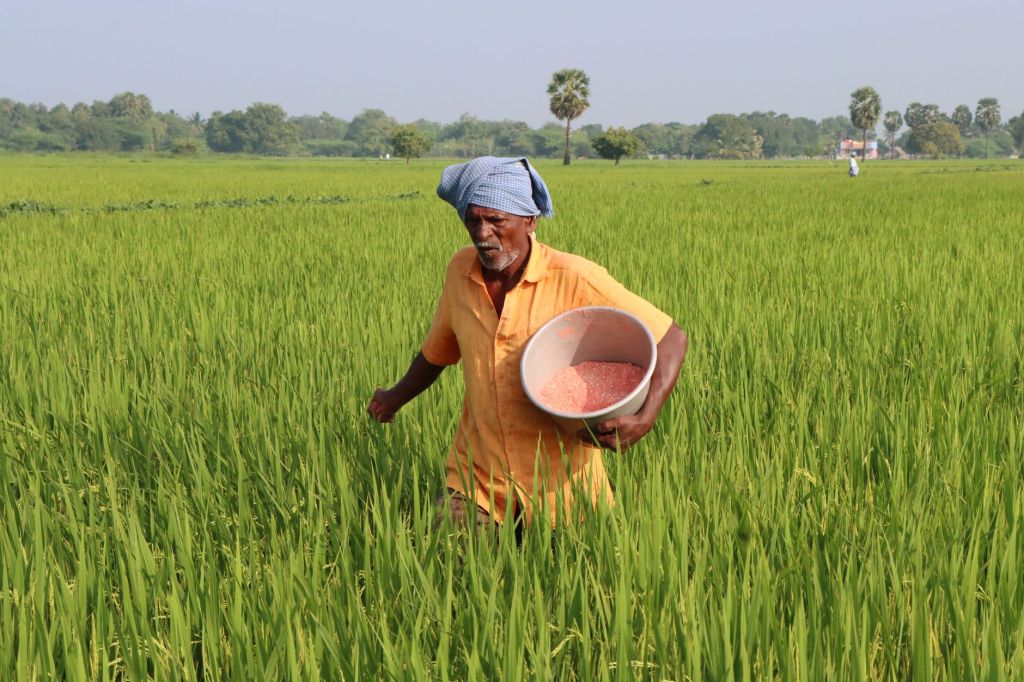
He (and Heather) channel the example of poor Indian farmers, for whom locally adapted AI on their phones could substitute for the kinds of advisors, scientists and agrarian experts they would never expect to meet in a lifetime. We have no doubt that readers as alert as you will now have no trouble spotting many more such possibilities.
Because we think that there’s something much more profound going on here. Veteran readers will recall our earlier blog Solar Power a Ray of Sunshine in dark Times(LSS 3 9 26) showcasing the work of FT journalist Simon Kuper who pointed out how solar power was allowing African countries to leapfrog decades of development by allowing them to bypass all the immense power grids and communication networks and all the other immensely expensive hardware which the G7 countries spent most of the twentieth century installing. But it wasn’t just pylons: they built a whole network of universities, agricultural ministries, and many other such institutions which powered their economies ahead. If solar power and now AI can allow that massive investment to become unnecessary, then the poorer economies could catch up in decades indeed.
And what a day that might be, gentle readers! Suddenly there would be no need for mass migrations, because who would choose to leave one rich country for another? New markets of prosperous consumers would open around the world: people will still buy something, even if it’s not sugary foods and high-pollution cars. And all the evidence convinces us that as prosperity rises, fertility falls, meaning vast areas could be turned over again to planet-resuscitating rewilding. We hope this Chief Knowledge Officer really does know his stuff. If he does, and if Heather Stewart’s optimism is justified, then this could be one of the most encouraging stories we have read for some time.
[2] Who We Are: Our Mission to End Poverty | World Bank Group
#Articial Intelligence #India #agriculture #development #poverty #world bank #simon kuper #heather stewart #solar power #economics