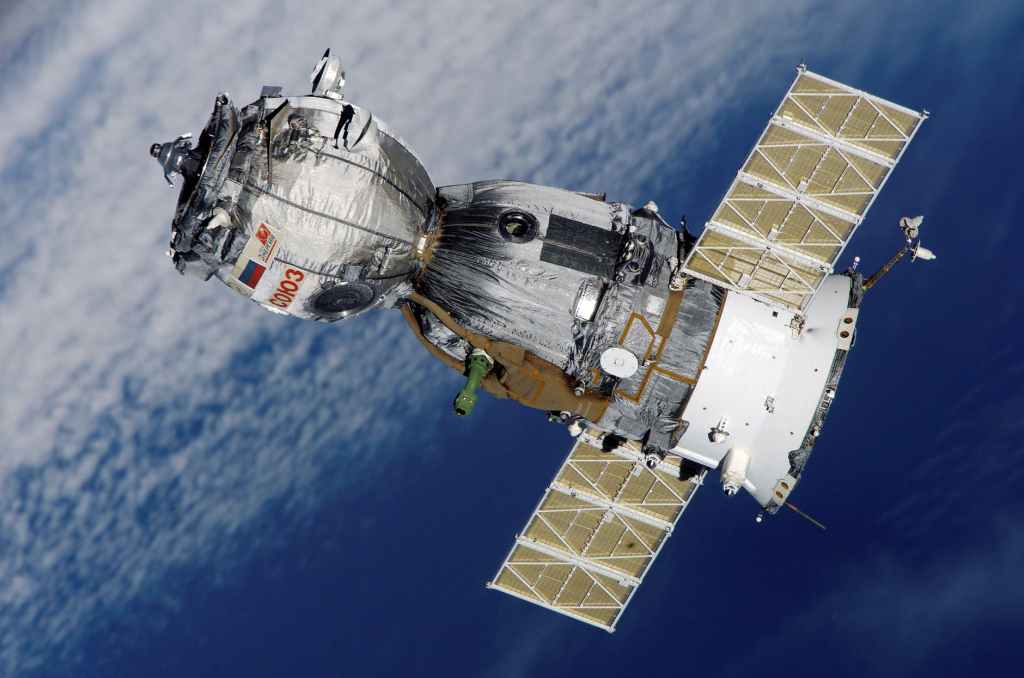
Following the allegations by the UK, the USA and Canada that those naughty Russians have been hacking their Covid-19 research facilities, we thought that tonight should have a Russian theme. Remember, oh my droogs, that these are just allegations-nothing has been proved! *
So, for all you thirsty malchicks and devotchkas, we have not one but two Russian-themed cocktail recipes for you tonight.
The Black Russian
You don’t need a bolshy great shaker for this, oh my brothers. Just get about four big ice cubes (plenty of them in Russia) and add two measures of vodka. 1 measure Kahlua. Decorate with a chocolate stick. Some persons like theirs topped up with coca cola or pepsi, but that is strictly an optional extra. Da?
The White Russian
You’ll need a shaker, droogies. Put five ice cubes theirin. Add one measure vodka, and one of Tia Maria. Ideally you need to add 1 measure of double cream, but if you can’t get it, the old moloko will do. Shake like you’ve just been handed a ten year stretch in the gulag, and pour into a tall glass. Some say a straw is hrorshow for this one, but we say it’s up to you.
And so – a toast. To Russian-British friendship. Let the findings of all our scientists be shared world-wide as soon as possible!
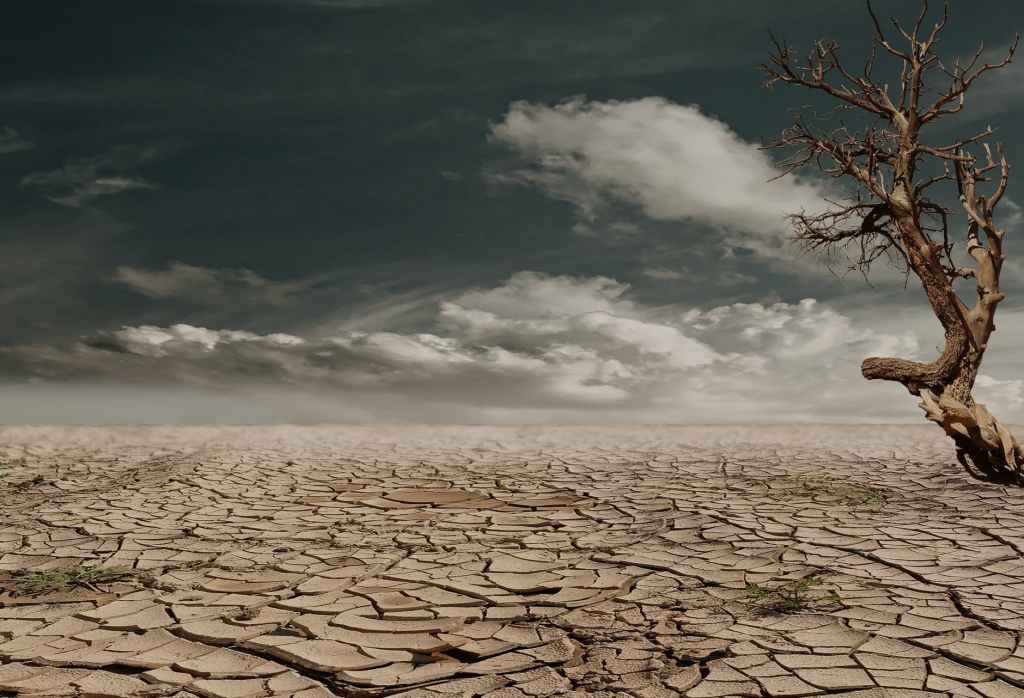
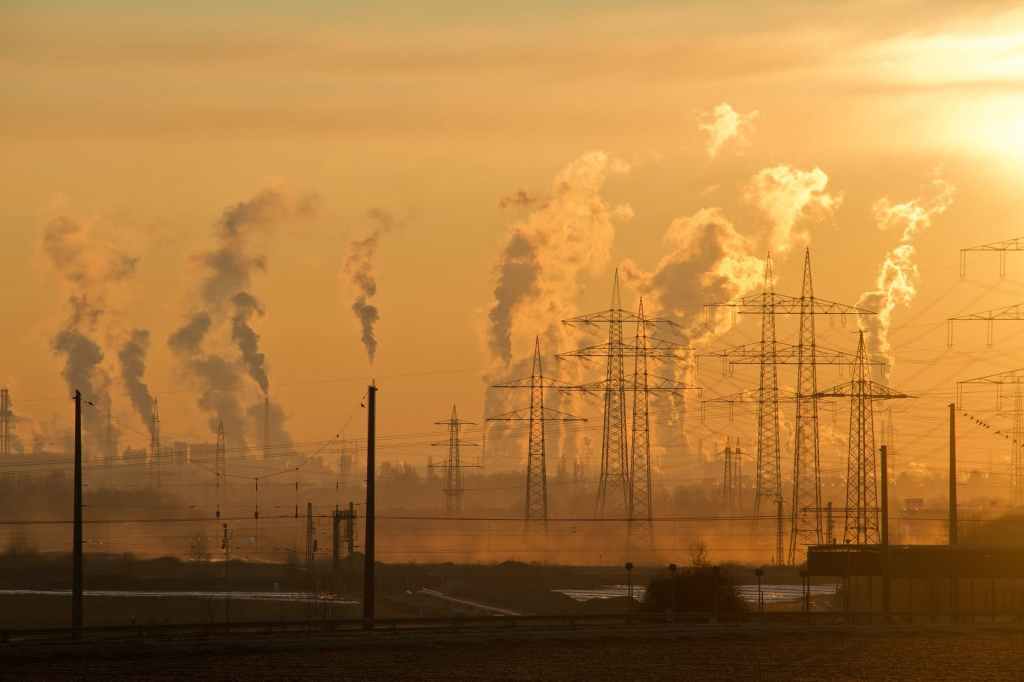
The news of sweltering temperatures in Siberia should now be enough to awaken basic fears in anyone who wants any sort of future. Their decade-long series of heat waves culminating this year in record breaking temperatures, can only reasonably be explained by human global warming, as our links make clear. ** So what’s the beef? Siberia’s a big place, you might be tempted to say. Well, that is the problem; it’s so big that it holds colossal areas of permafrost. That in turn contains colossal amounts of methane, which as every schoolchild knows, does a far better job of global warming than carbon dioxide ever did.* Twenty five times better in fact. It is perfectly possible to envisage a real runaway greenhouse effect now. Siberia goes down releasing all that methane, which in turn triggers North America above the 60th parallel and the rest of the Arctic. If it was just CO2, we might have controlled it, but this……..
All of which calls for global leadership, during which people at the top earn their money by drafting new laws, setting up research programmes and above all setting the tone, like the grown-ups are meant to. And, to be fair to Vladimir Putin, he did let this data go out. There are a quite a number of regimes around the world who try to bury any bad news, whatever the consequences. But what of his great friend Donald Trump-what example did he set? As his contribution, the Immortal Thinker of Pennsylvania Avenue has announced a review of environmental impact reviewing, making it easier for polluters to get away with even more damage and destruction. The fact that our link is from Forbes today should show that it is not Green Commie Propaganda. Read it; but he most important fact is that Trump wants to eliminate the requirement to assess the impact of global warming on new projects. Yet we still hope that the President of The United States might be more curious about the effects of global warming. Let him therefore answer one question, just to get started: what will be the effect of rising temperatures on hair lacquer, and will new brands be needed?
This link is from inside climate news, which we recommend to anyone who wants to read up more
The news of sweltering temperatures in Siberia should now be enough to awaken basic fears in anyone who wants any sort of future. Their decade-long series of heat waves culminating this year in record breaking temperatures, can only reasonably be explained by human global warming, as our links make clear. ** So what’s the beef? Siberia’s a big place, you might be tempted to say. Well, that is the problem; it’s so big that it holds colossal areas of permafrost. That in turn contains colossal amounts of methane, which as every schoolchild knows, does a far better job of global warming than carbon dioxide ever did.* Twenty five times better in fact. It is perfectly possible to envisage a real runaway greenhouse effect now. Siberia goes down releasing all that methane, which in turn triggers North America above the 60th parallel and the rest of the Arctic. If it was just CO2, we might have controlled it, but this……..
All of which calls for global leadership, during which people at the top earn their money by drafting new laws, setting up research programmes and above all setting the tone, like the grown-ups are meant to. And, to be fair to Vladimir Putin, he did let this data go out. There are a quite a number of regimes around the world who try to bury any bad news, whatever the consequences. But what of his great friend Donald Trump-what example did he set? As his contribution, the Immortal Thinker of Pennsylvania Avenue has announced a review of environmental impact reviewing, making it easier for polluters to get away with even more damage and destruction. The fact that our link is from Forbes today should show that it is not Green Commie Propaganda. Read it; but he most important fact is that Trump wants to eliminate the requirement to assess the impact of global warming on new projects. Yet we still hope that the President of The United States might be more curious about the effects of global warming. Let him therefore answer one question, just to get started: what will be the effect of rising temperatures on hair lacquer, and will new brands be needed?
This link is from inside climate news, which we recommend to anyone who wants to read up more
Survivors of the culture wars of the nineteen seventies will recall the profound influence of EO Wilson and his seminal Sociobiology. It was, said some, the first clear eyed picture of the biological roots of human behaviour. To others, it was the Devil’s work, accused of laying the intellectual foundations for such diverse creeds as Thatcherism, racism and biological determinism of all kinds-at least in the hands of some of his followers. Both positions utterly distorted the honest intellectual enquiry of a learned man, but he managed to unite both Marxists and Evangelical Christians into attacking him, some of them violently.*
All of which tells us he’s probably on to something.
Now in his ninety first year, he has thrown another massive rock into the pool, in the shape of a heavy tome called Genesis: the origin of societies. Drawing on the works of able thinkers such as Robin Dunbar, Maxime Derex and many others, he surveys a vast range of human societies, mainly from the point of view of evolutionary anthropology. And the picture is pretty bleak. Humans have always lived in closely related groups, suspicious of outsiders and indulging in endemic and violent intertribal wars. The main feature which distinguishes them from chimpanzees is the ability to organise in larger groups. This in turn was a result of larger brains and language, developed in long chats around the campfire. In the morning these tended to be practical in nature- agendas for which bison to hunt or where to find healthy foods. In the evening it was more story telling, with things like families neighbours and the crimes of evil foreigners high on the list.
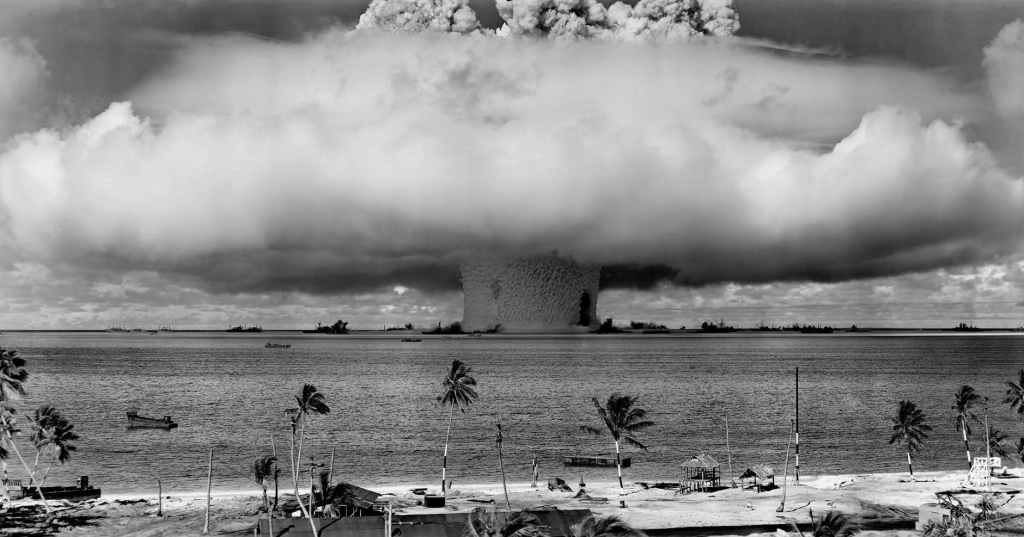
Readers of LSS will surely groan-“here we go again! Are we once more condemned to live like programmed ants, fighting and hating until we vanish into some self-created nuclear armageddon?
But there are some crumbs of hope. Firstly, the myth of the Noble Savage can be laid to rest. People in their natural state really are brutish, violent, and self defeating. Proof of the latter is shown by the fate of hunter gather societies the world over when they meet better organised, and educated, groups. Secondly, the achievements of the educated in creating cooperative institutions like universities, corporations and science, or multinational entities, have made things marginally more pleasant. However much they are held to be against the grain of human nature. However much our side seems to be in retreat now, we have done the right things in the past, and may yet be able to again the future. Thirdly, like him or hate him, Wilson is a deeply honest and erudite man, whose first commitment is to finding the truth as he sees it. And so we hope and pray that this is not the last production from a man we call the Sage of Birmingham. (Alabama)
yourfirst link is in Spanish, so if you live in Birmingham or Barcelona, you’ll need your translator
Because maybe your immune response won’t last too long, that’s why. One thing we do know: Sars-CoV-2 is in the same family as cold viruses. And, as any schoolchild knows, they keep on coming back.
Today Ian Sample of the Guardian * reports the first study which seems to show that your antibody response to a Covid 19 attack lasts for about three months at best. We much prefer you to read the story, linked below, because of the superb graph from the team at Kings College London who carried out the study. Here we want to talk about the questions and implications that Ian’s report raises.
Firstly, if immunity to infection can fall away, so can immunity induced by a vaccine. So will we now need a regular booster programme? If so, how much will that cost, and how shall it be administered? Would you, gentle reader, care to pay more taxes for that? Or could states pool the costs via supra-national bodies like the WHO?
On the other hand, does the immune system “remember” the antigen, and return to antibody production later? What role do T- cells have in all this, as Ian very sensibly asks? And finally, like an old bore in a pub, we at LSS are going to return to an old theme. Why isn’t someone using Artificial Intelligence algorithms to predict the likely evolutions of the virus? Surely that’s a better use of resources than just another mobile banking app?
Hi and welcome to our weekly round up of news stories and other feeds which didn’t make it into the rest of the week.
How badly has the world economy been hit by covid-19? Dreadfully, according to the Mail. Here Ryan Morrison estimates the hit at $3.8 trillion. That is an enormous red hole in the world balance sheet.
But, never forget, it is just money. Everything we need to make a successful economy function is still there. All the ships, farms, planes, factories, IT systems, malls, roads and people haven’t gone away. They are the same ones we had before the virus struck. The job now is to get them running again.
One way to get an economy running is to look for new markets. The obvious place to go is space-it is limitless. Up to now, space exploration has been the province of visionaries like Arthur C Clarke, or cold war warriors. Sensible people say, understandably-“there’s no money in it!” The only profitable bit is near earth satellites. Now all that may be about to change. NASA hope to explore an asteroid out in the belt between Mars and Jupiter that seems to carry inestimable mineral wealth. Here’s Ryan Morrison again, for the Mail. Oh and by the way, it was visionary Arthur C Clarke who dreamed up the idea of geostationary earth satellites back in 1947. Try to live without them now!
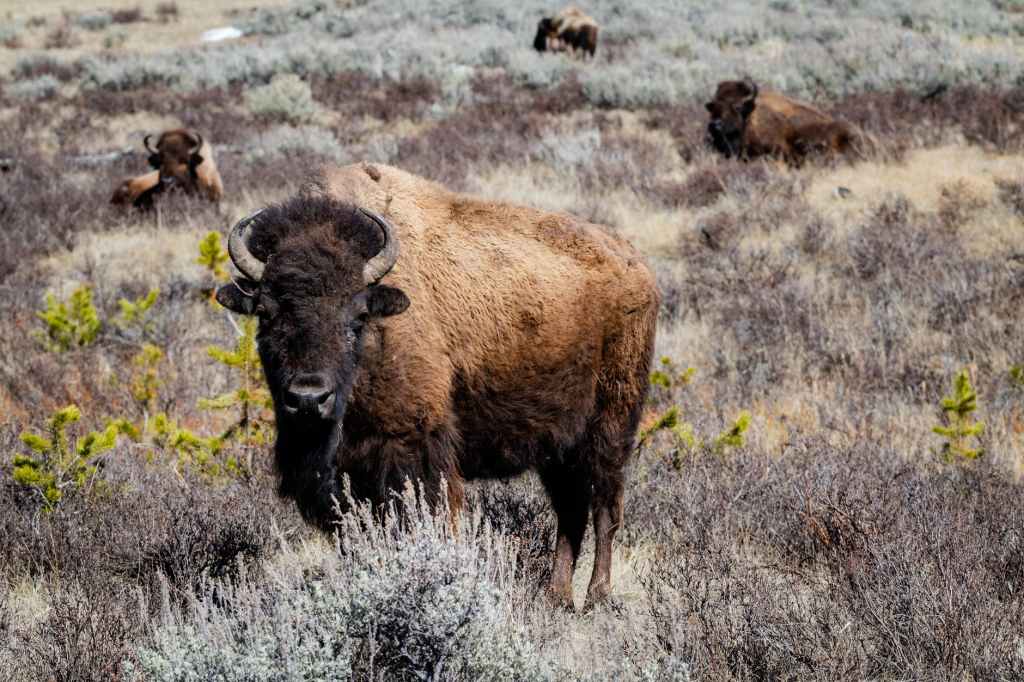
We at LSS support every possible step in re wilding. It’s not about cuddly animals. it is about creating stable habitats which can soak up carbon dioxide. That contain chemical riches, like new antibiotics, in their plants and fungi. That may provide the basis for a new, sustainable economy, to replace the mess we’re in. Here is a lovely story from The Guardian, by Damian Carrington, about the return of wold bison to Kent in the UK
Still wandering in the shadowy borderlands between science and political economy, we come again to the idea of a universal basic income. Before the corona virus pandemic, it was dismissed as a hopeless idea by the experts. The only way to universal prosperity was to make as many people as possible work for as long as possible, for the lowest wages it was possible to pay them. And, anyway, the poor are always hopelessly lazy, so it was good for them. Suddenly governments around the world are shelling out astronomical sums to ensure the common good. So let’s at least consider-if it works once, could it work always, at some level? Here Nature briefings looks at Spain’s experiment.
Spain’s epic economics experiment
Last month, Spain launched a website offering monthly payments of up to €1,015 (US$1,145) to its citizens to spend however they choose. Economists welcomed it as the largest test yet of an idea called universal basic income (UBI). The government estimates that the scheme will cost at least €3 billion per year. Evidence from smaller trials of UBI indicates that the benefits could include better health and higher school attendance. But the scheme is not truly universal — it’s only for 850,000 of the nation’s poorest families. Critics worry that the income limit will create a disincentive to earn more that would act as a ‘poverty trap’ and tarnish the natural experiment. Nature | 6 min read
Well, that’s it for this weekend. Thanks for reading, we hope we have given you food for thought at Saturday Night Dinner. Drink responsibly!
When you are at the top, everyone else wants to be like you. That’s because what you do every day. without really thinking about it, gives them something they want. So we believe the news that Boeing is going to end production of its iconic giant 747 and that Brooks Brothers has filed for section 11 Bankruptcy are more than just business decisions. They represent the passing of an age.
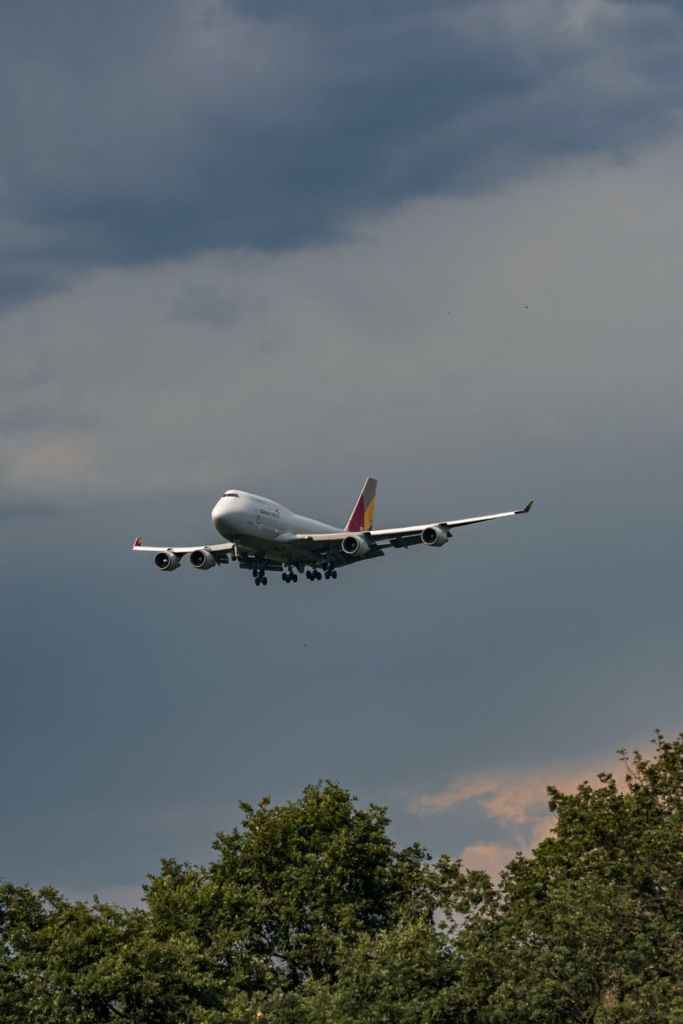
When the Boeing 747 was launched in 1970, it represented the epitome of the American idea. Huge and powerful like the engines of a Saturn V rocket. Brash like rock or soul music. Democratic, like the Constitution, opening the skies to everyone. And whatever livery was on the plane you knew this was America. The huge shadow loomed low in the skiesover airport approaches throughout the world. Who can forget that funny hollow sound on take off as the early models pulled out of Heathrow in the sunny far off skies of fifty years ago? When President Reagan wanted a new Air Force One at the height of his imperial powers, what else would he order but a 747?
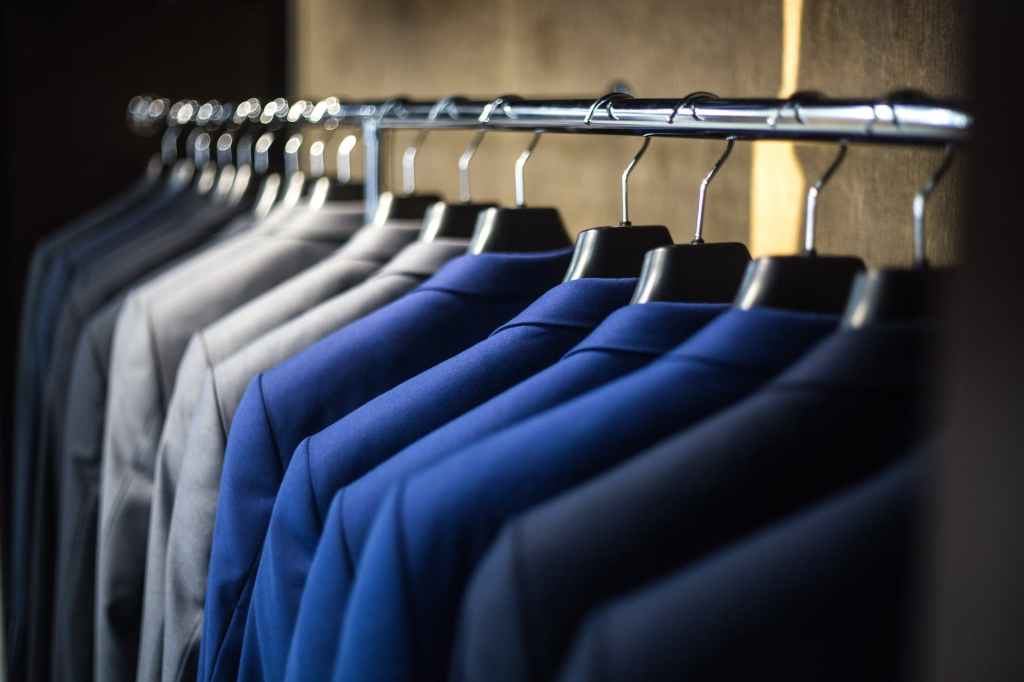
And if you were in the first class lounge, the chances were you were wearing a classy suit and tie from Brooks Brothers, the tailor of choice for rich and powerful white American men who peopled the world beating corporations of the time. Esso, IBM, ITT, all had the look and feel of future success. Even off duty, your Brooks Brothers polo and chinos signified you weren’t quite as relaxed as the others. Something might come up-perhaps a decision to invest a billion dollars, or approve the rum punch at a party in Martha’s Vineyard. It was ,and is, good stuff, perhaps a little expensive.
The trouble for the Brothers and Boeing was that things were changing. More and more women, with very different ideas on dress were entering the corporate world. Brooks Brothers introduced a women’s section in their catalogue, and doubtless it was good. But someone else had got to the ladies first. And modern styles in biotech and IT start ups don’t always lend themselves to preppy button downs and fine jackets, however good the design and manufacture. As for the poor old 747, well apparently it’s a bit of a gas guzzler, like the cars of the seventies, no longer fit for a world of melting icecaps and growing deserts.
Boeing is far from finished, because they still make superb aircraft. Brooks Brothers is far from finished, because they still sell superb clothes. But the brand they in turn represent, Brand America, is itself now struggling to adapt to a fast changing world. And what follows may not be quite as democratic.
Personal note: On a trip to America, to buy our very first Brooks Brothers shirts, we had the honour to be invited onto the flight deck of Virgin Atlantic 747. We have never forgotten the kindness of all the staff from the Captain downwards, nor the interest of the occasion. The date? September 11 2000.
How vast the Atlantic must have seemed in the time of the Romans or the Middle Ages. Huge, dangerous and absolutely unnavegable with the ships of the time. How very much bigger then must the Pacific have seemed to people in the tiny scattered islands. Or to the peoples who lived along its coast in places we now call Peru or Colombia.
Yet it now seems somebody did cross the Pacific, centuries before Europeans like Columbus and Magellan made their epic voyages. It looks as if, some time around 1200 AD either a group of Polynesians crossed to South America, or some Americans went the other way. The clue has always been there in sweet potato fields in places like Tonga (sweet potato comes from South America). But now a team led by GA Ioninnidis and his colleagues have used a sophisticated DNA technique to not only confirm the hypothesis but give an approximate date-probably between AD1130 and AD 1220. We have to link to two articles here, if only because the pictures are so good. We have chosen Nature and El Pais.** We’ll leave the story to them, but must wonder in amazement.
Before modern transport, astronomy and communications (in fact any time before about 1520AD) the world was so big that it must have felt almost infinite. And there is nothing bigger than the Pacific. Up to Easter Island, islands are pretty few and remote. Beyond Easter Island there is nothing at all. What sort of boat did they use? How did they navigate? Above all, why keep going, if you don’t know what’s at the other end? We stand in awe, gentle readers, at the implications of this research, and the people who were on those boats. Any budding novelists out there?
Photo by Ali Mu00fcftu00fcou011fullaru0131 on Pexels.com
There’s a dangerous killer lurking inches from you feet as you stand in your shower. No it’s not a new type of spider, or even rats. It turns out that drains, dishwashers, shower pipes and all the other outflows are perfect breeding grounds for all sorts of antibiotic resistant bacteria. Writing in New Scientist,Alice Klein reports on a recent German study which found antibiotic-resistant bacteria in no less than 82% of the sites they sampled.* The outfalls are ideal breeding grounds because they are warm, shady and supply endless nutrients in the form of your dead skin and your organic products. Yeech! The cause seems to be that manufacturers are pouring antibacterial agents into soaps and cleaning products, so giving a carte blanche to all those nasty little organisms in the pipes to develop their resistant ways.
Why does all this worry us? Because as they breed, super-resistant bacteria and their genes will get into the food chain and start to spread. According to John Naish in the Mail,* two new genes called MCR-1 and NDN-1 ,which confer the ability to resist the strongest antibiotics available, are now spreading rapidly. They can spread between different types of bacteria. They are potentially lethal.
The death toll from antibiotic resistant infections is now rising at 10% a year. last year in the USA there were 35000 such deaths. There were 800 000 world wide. By 2050 there will probably be 10 million a year. We will be back to the days when even a sore throat could kill you, depending of course on things like your age and other health factors.
We post your links below, and also one to that excellent charity antibiotic research uk, who are trying to contend with this terrible problem. Before modern medicine as we know it literally goes down the drain
Long term followers of LSS will recall several blogs discussing the prevalence of coronavirus strains in wild populations. (LSS passim). We relayed the thoughts of those far more erudite writers at places like Nature and New Scientist, which pointed to a fascinating ecosystem of viruses, small mammals and dank dirty caves along the wild borderlands of China, Laos and Myanmar.
Fascinating for the scientist; but now things down there may suddenly have global geopolitical significance, gentle readers. As you know, there is a massive blame game going on as to whose fault all this is. At the moment, the two chief protagonists are the United States of America and the Peoples Republic of China. And the following story, which today we source from Mail writer Sam Blanchard, will only add fuel to the fire.
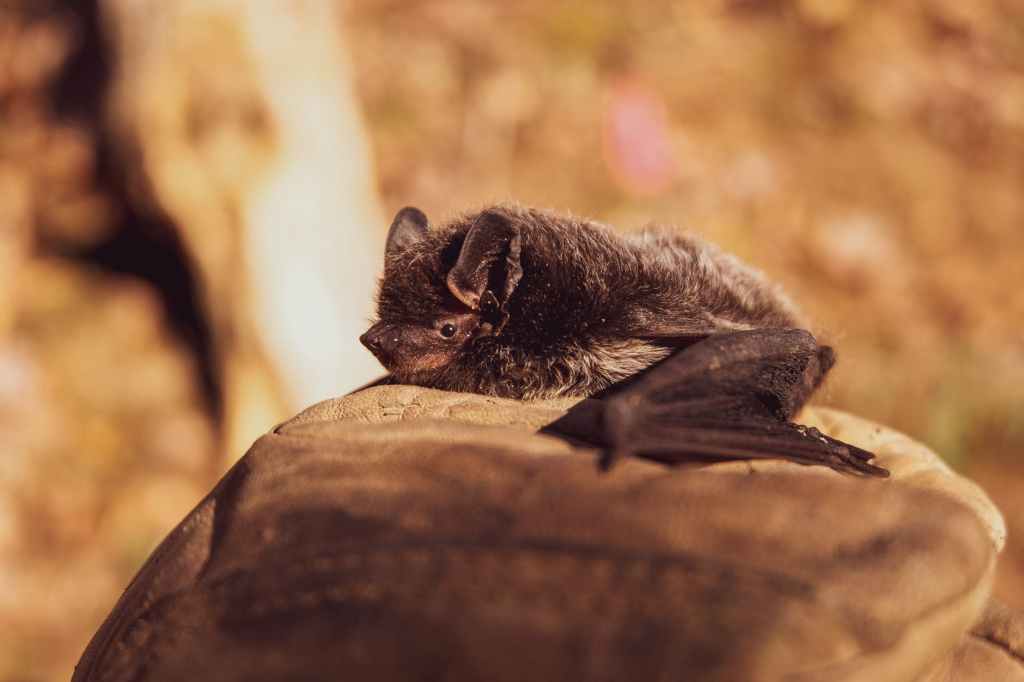
Back in 2012 (that’s seven years before the outbreak, gentle reader) Chinese scientists became aware of a virus in bats in a place called Mojiang in South western China. It was a coronavirus. It produced nasty symptoms, some of which were lethal. It was 96.2% similar to SARS-CoV-2. They wrote it up in a paper, giving it the catchy name of RaBtCoV/4991,and you can-should, actually-read the rest in Sam’s story.
Our aim at LSS is always to stand back from the stories, and ask questions. As this has explosive political significance, we think all citizens need answers to the following questions
1 What does “96.2% similarity “mean? Where are the differences in the other 3.8%? Is it in the spikes? Or the RNA-or what?
2 How many other viruses are in wild bat populations? What about other mammals? How much time and money will it take to find out?
3 Did any samples from Mojiang travel to other parts of China-or elsewhere? Under what conditions of storage, transport and security?
4 How can the rest of us stop the two most powerful nations in the world from playing and endless blame game, and instead show leadership on this as well as many other problems, like antibiotic resistance and climate change?
Don’t send your answers to us, send them to the governments of those countries. Oh yeah, postcards are a bit passe now-try a social media platform.