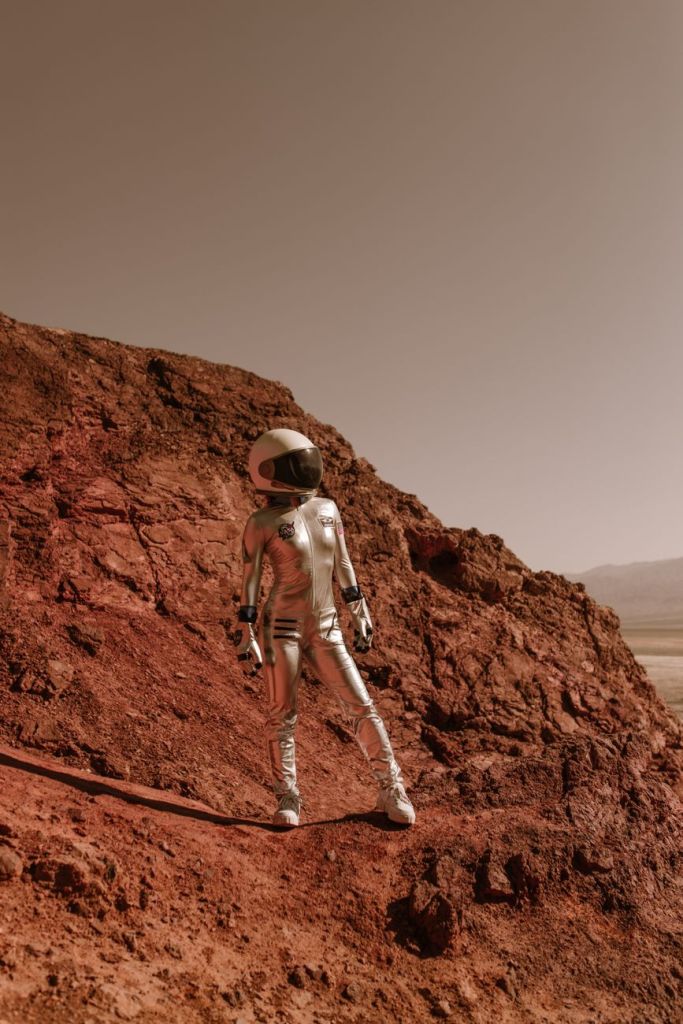
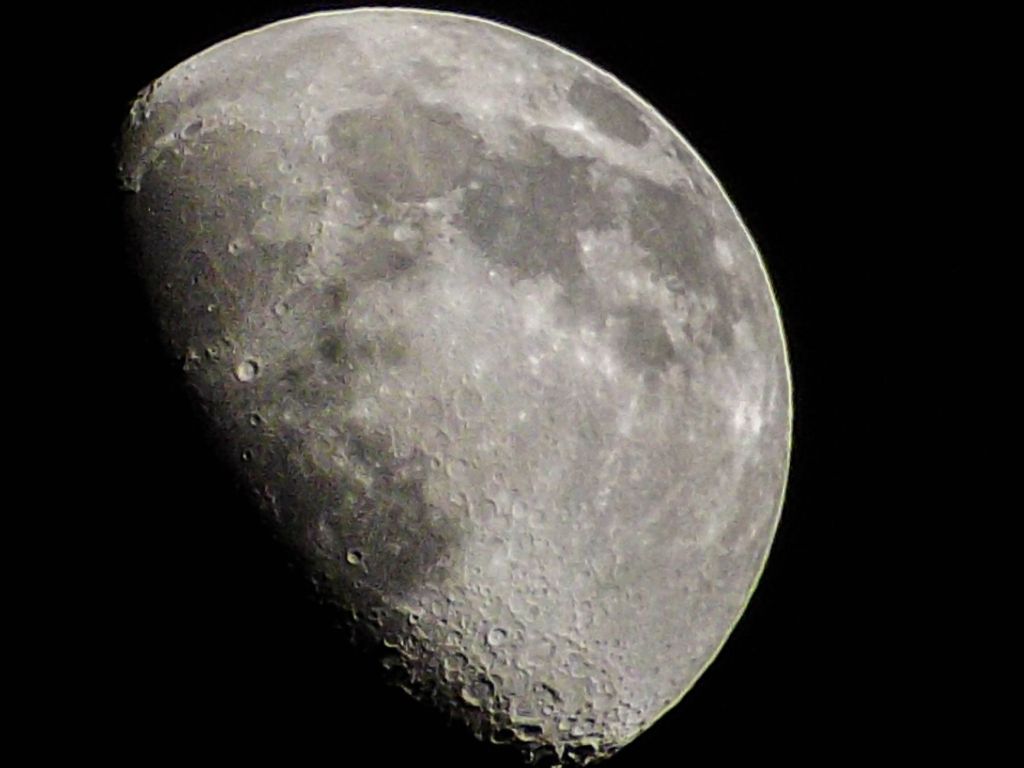
NASA has been recruiting people who have The Right Stuff for nearly 70 years. Now they’re at it again, to staff long term colonies on the Moon– and who knows, maybe even Mars-according to this excellent story by Kelly Aouga of the Guardian Yet it’s our job to look for the long term implications, gentle readers. And we think they may be very great indeed Maybe today, the 9th November 2026 is the point at which humanity begins to fissure into two, three- and maybe more species. [1]
Consider the gravity of the situation. The Moon has only one sixth of the heavy stuff we enjoy down here. If long term colonies form, and start having children, then Moon humans will be taller, lighter boned, with huge eyes adapted to dim habitats, and perhaps living largely underground to avoid radiation. Above all ,anyone born and raised on the Moon will be far too fragile for any meaningful life on Earth-so they won’t try. On Mars the gravity differential will be less: but we will still find Mars humans to be significantly different to Terrestrials, adapted to enclosed environments, their culture shaped by permanent scarcity and engineering discipline. Cue searches for sexual partners and breeding patterns away and apart from the ancestral stock. And there will be other factors such as distance and cultural affiliation driving these populations into reproductive isolation long before it becomes biologically determined.
It has happened before: the leap from water to land was just as biologically momentous as the leap from land to Outer Space. But when the first amphibians crawled ashore in the Devonian . they just looked like the newts in your garden pond. They had no desire, and no wish, to be transformed into frogs, crocodiles, pterodactyls, birds, giraffes, rats, bats, cats or humans. But it happened just the same, because of the forces of Natural Selection on the original body plan. And notice, gentle readers-none of the new species co-operate much or get on very well together, do they? Perhaps that is a warning as well.
It was the late great Arthur C Clarke who first noted this trope. But we have found one website called Sentinel Mission which will give you a launch pad for further exploration. [2]
[1] Nasa seeks next generation of astronauts to live and work on the moon | Nasa | The Guardian
#vertebrates #devonian #evolution #space exploration #moon #space colonies #amphibians #human biology #kelly aouga #arthur c Clarke


