
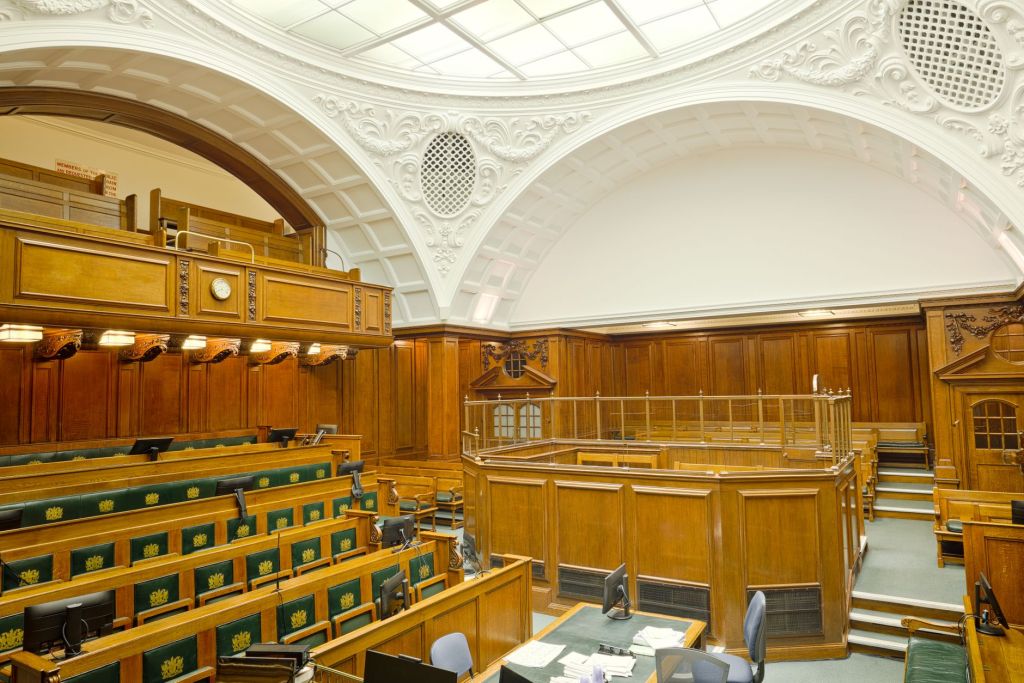

In the last blog we saw how King Henry II faced a problem like the one we have today: if everyone obeyed a single common set of laws, then things could only get better: but how, when everyone was attached to their ancient and extremely local, system?
Henry’s insight was not to abolish local courts and customs. Instead, he sent out Royal Justices in eyre: itinerant experts who stopped at different places to offer Assize courts. These judges were not usually local landowners. They were royal servants, administrators, churchmen and lawyers chosen for their loyalty and competence. Acting in the King’s name, each travelled on regular circuits, sometimes across several counties hearing disputes, bearing writs, investigating crime and supervising local officials. Their judgements might draw from the best aspects of local laws, from established practice or sometimes plain reason. But they were carefully recorded providing bodies of best practice by which future judges might be advised in their deliberations…
A Norman lord, an English freeholder, a townsman and a church institution might all possess different customs and privileges, but when a dispute entered the King’s jurisdiction it was increasingly handled according to common procedures. The question became less “What is the custom in this village?” and more “How does the King’s court deal with such a case?” A merchant from Yorkshire could sell fish in Somerset with growing confidence that local connections and customs would not be used against him. Such confidence is one of the foundations of prosperity. England would become the financial base of Henry’s wider empire. Yet that was eight centuries ago. Could the same principle of common rules work in the twenty-first century? In our next blog we shall ask not what ought to be done, but what might be possible. Always a good place to start from
Henry II of England – Wikipedia
#justinian #napoleon #statute law #common law #trade #finance # justice #cutom #history #society


