
Today we are showcasing an article by George Monbiot of the Guardian. It’s not that we always agree with everything he says, nor revere every word he writes. But we do read a lot of writers: and no one among them surpasses him for clarity, learning and above all fearlessness. Which means that we really ought to bring him to you gentle readers, so you can at the very least make up your minds for yourselves. And when his article touches on two of our most nurtured preoccupations, then our choice is complete. [1]
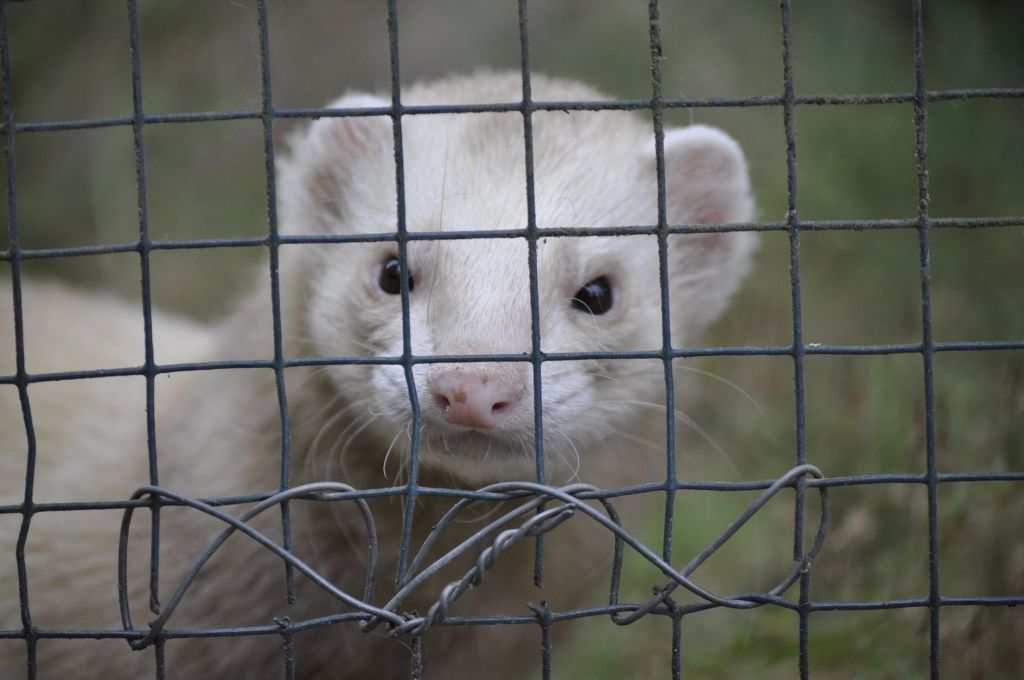
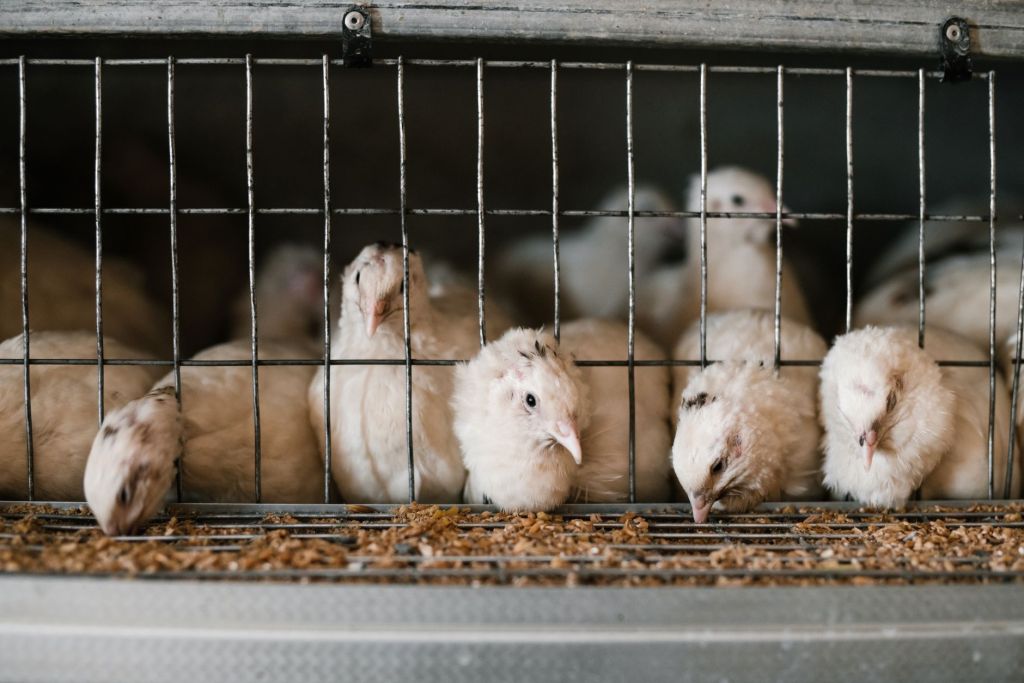
For George is deeply concerned with mink farms, which he believes present a particular risk in the emergence of the next major pandemic. Older readers will remember something called COVID-19: but George’s bête noire is the risk of another avian flu pandemic, that is to say our old friend the H5N1 variant (LSS passim) which could be considerably worse. And George cites three reasons which worry him:
mink are fed on the offcuts of chickens, cows and other farm animals, in which new viral variants often develop; mink readily host both avian and human flu viruses, which can then exchange genetic material, turning a bird disease into a human one; and mink possess extremely high “zoonotic potential” – the ability to infect animals of other species, including human beings.
And being the good writer that he is, George widens out to make the case against many forms of similar farming and livestock management, and how they hold a sinister potential to affect Antibiotic Resistance, that other Favourite Cause of this blog and its myriad readers.
But once again we urge you to hit on the hyperlink and decide for yourselves, gentle readers. The feared plague has not happened yet. And while there are scientists, good legislators, veterinarians and honest journalists like George, it may yet be averted.
[2] Avian influenza – Wikipedia
#mink farm #pandemic #avian influenza #health #food production #farming #virus antibiotic resistance #medicine #factory farming #agriculture #george monbiot


