

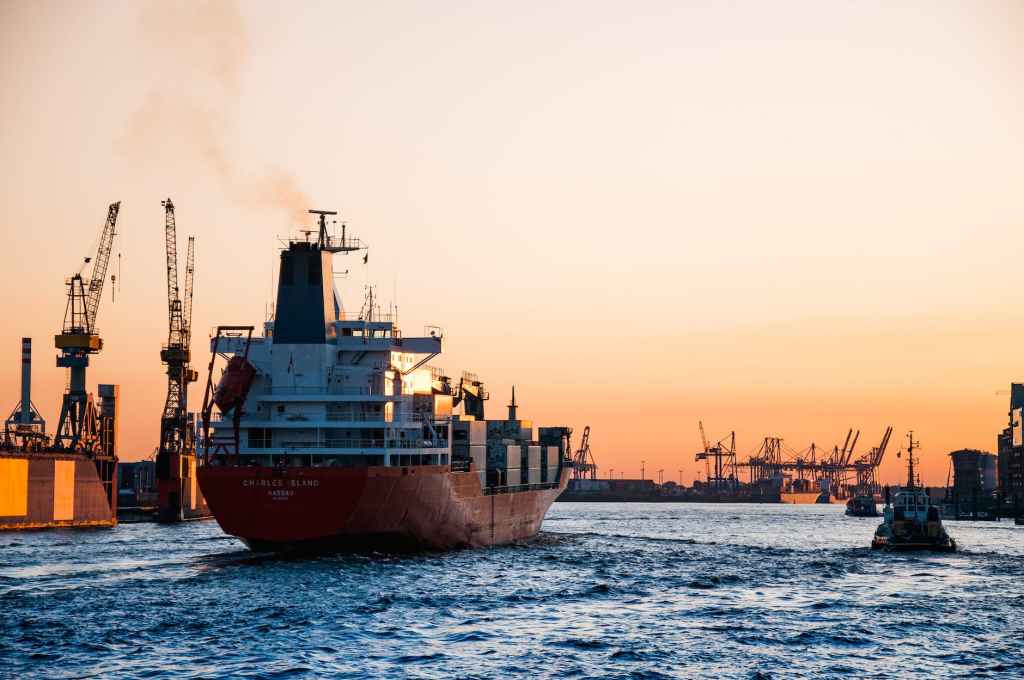
Despite everything you read, America still counts. So when it makes a move on something as big as tariff reform, as President Trump did almost a year ago, the rest of the world is affected, Big time: and responds accordingly. Veteran readers will recall our coverage of this trope (LSS 19 5 20) and subsequent riffs on the same theme. Our misgivings were pretty clear. But, how is the world really coping with all these tariffs, counter-tariffs and all the other red tape which has appeared in the last year or so?
At first sight: it’s coping: just. In an excellent article for the Conversation Umair Choksy cites reports from both the IMF and the WTO that world trade actually increased last year. But let’s not get carried away, he warns. In the short term companies can adapt, briefly, by dipping into reserve stock or changing supplier(always to a more expensive one) But both for companies and nations, this can only last so long:
But if costs and availability remain in doubt, these temporary fixes stop working. Stock runs out. Emergency suppliers cost more. And when margins are squeezed for long enough, businesses respond by raising prices, freezing hiring, cutting hours, delaying pay rises or shedding jobs altogether.
The long term consequences are admirably summarised by this report from the Word 360 {2] In a nutshell, they are reduced trade volumes, higher inflation and reduced business confidence, which really does chime with the message of our earlier blogs. It’s quite simple really: if tariffs are such a good idea would Scotland do better by imposing them upon England? Or Kansas upon Arkansas? It was David Ricardo who summarised the benefits of free trade when he wrote:
Under a system of perfectly free commerce, each country naturally devotes its capital and labour to such employments as are most beneficial to each. This pursuit of individual advantage is admirably connected with the universal good of the whole.” [3]
We have written before on the possible advantages of a World Government. One would be the immediate abolition of all trade tariffs for they would be no longer necessary. The world would function as a single unit, with all the same internal tariff-free advantages currently enjoyed by the nations mentioned above. Time for serious consideration?
[2]https://theword360.com/2025/09/13/the-long-term-effects-of-global-trade-wars/
[3] David Ricardo, On the Principles of Political Economy and Taxation (1817), Chapter 7
#tariffs #wto #IMF #trade #economics #manufacturing #inflation

 Learning, Science and Society