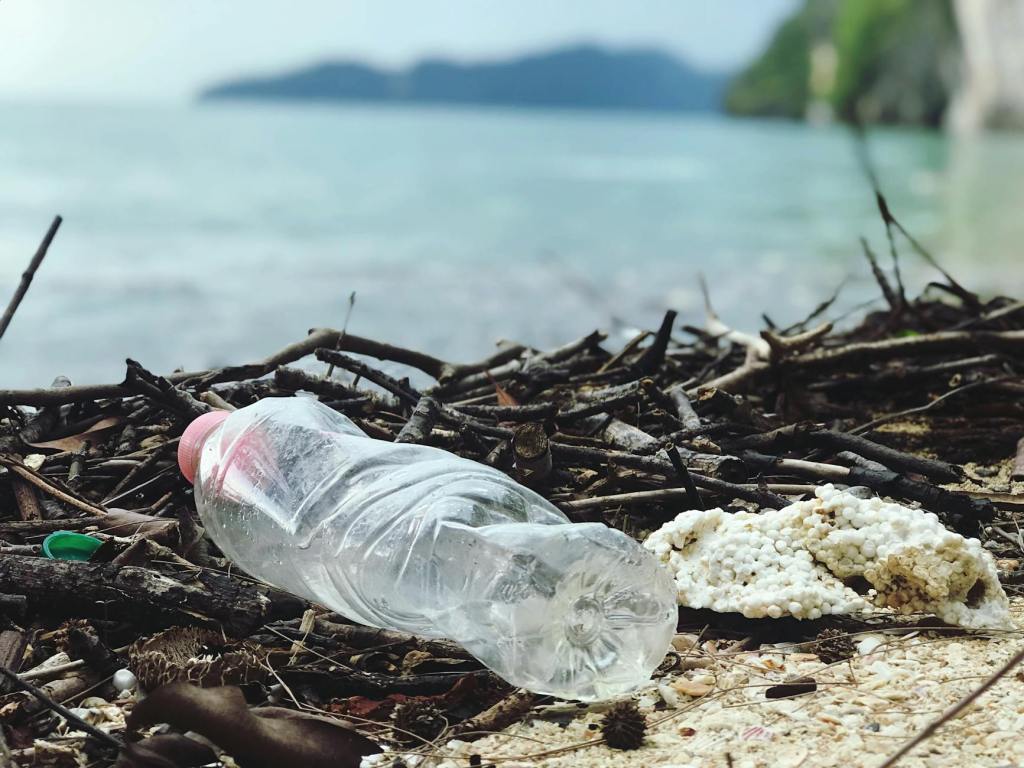


So-are all our bodies full of microplastics, ready to reach out their oily hands and strike us all down with heart disease, tumours and goodness knows what else, or not? It’s a story we’ve covered before (LSS 9 4 24) and to be fair we even approached it with a certain moderation (LSS 12 3 25)
But who are we to advise you, when we can point you at once to the works of science journalist Debra Mackenzie, writing in the Guardian? [1] Not only is the science interesting. She also gets to the heart of why scientific controversies arise. In the case of microplastics, because one lot of researchers (medical folk) are approaching the problem one way. And another lot (analytical chemists) come from somewhere different, with other methodologies And this is ominous: as we have seen time and again, with CFCs, with tobacco and with fossil fuels, there could be interested parties who will be waiting to pounce on those disputes , to use them to allege that the science is not certain, that no action is needed. To quote one of the more chilling passages of Debra’s article
The plastics industry is more powerful than the CFC-makers were, and it has friends who know how to manufacture doubt. (Researchers I spoke to said that their papers have been denounced to journal editors by chemical industry figures who were not analytical experts.)
Now we at LSS are not medical experts. gentle readers. We do not know where the truth lies, although we may suspect. And, as in many scientific debates, there may be actors with differing levels of enthusiasm about where the evidence ultimately points. In any case, you should read Mackenzie’s article. You will learn a great deal more than just about plastics..
[1]https://onlinescientias.wordpress.com/wp-admin/post.php?post=13505&action=edit
#health #pollution #microplastics #science

 Learning, Science and Society