
Microplastics: Let’s be cautious with the data

Read not to contradict and confute, nor to believe and take for granted, nor to find talk and discourse, but to weigh and consider

It was Francis Bacon , the founder of the scientific method who recorded those words in his famous work Of Studies. We have always followed them assiduously, as you know well gentle reader. So today we present a diptych of stories on our old bugbear microplastics pollution, because togethe, they illustrate the Baconian approach very well.

All of you share our worries about the dangers of microplastics. We tried to count the blogs we’ve done on it but ran out of patience early on. And today’s first story, from the learned Damian Carrington of the Guardian fits well into the gloomy canon.[1] Damian reports some truly alarming studies which suggest that microplastics are seriously threatening photosynthesis among our most vital food crops, such as wheat and rice. Get this for a killer quote

Asia was hardest hit by estimated crop losses, with reductions in all three of between 54m and 177m tonnes a year,

Although they are hitting food production everywhere and not just crops: seafoods are particularly vulnerable as well. Case proven again: microplastics are hell, right?

But we would not be LSS, we would not be Baconians, if we didn’t then go to this story in Nature Briefings Micoplastics Research Needs Ironing Out

Last month, Briefing readers recoiled from the news that human brains seem to be full of plastic bits — with a recent study of autopsied bodies finding our brains might contain as much as 4.5 bottle caps’ worth of plastic. But some of the most shocking studies about microplastics in human tissues rely on small sample sizes, lack appropriate controls or “are not biologically plausible”, write four health researchers. “Without more rigorous standards, transparency and collaboration — among researchers, policymakers and industrial stakeholders — a cycle of misinformation and ineffective regulation could undermine efforts to protect both human health and the environment,” they argue.Nature | 8 min read
Reference: Nature Medicine paper

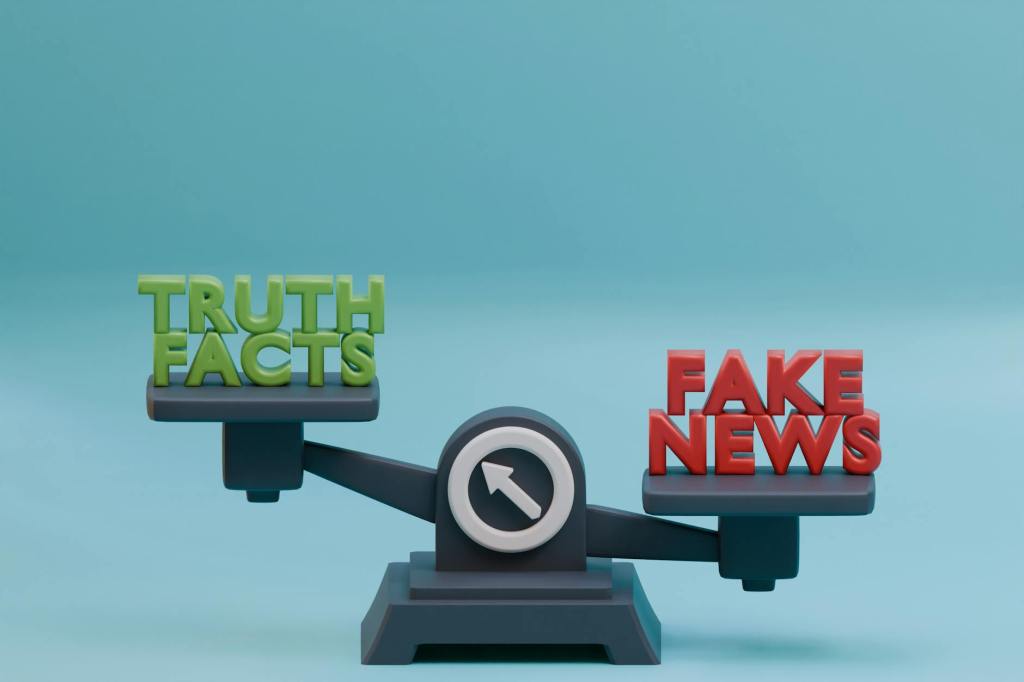
And the point? It’s this need for our side to be rigorously scrupulous wherever and whenever we can. When climate scientists offered the slightest room for doubt, Big Oil and its well-funded armies of deniers and manipulators pounced, casting doubt, insinuating, opening the door to denial. We are the smaller, weaker side and must tell the truth if we are to be believed. During the Second World War, Goebbels and the Nazis flooded the media with and endless stream of new claims, false facts, non sequiteurs and fake news. And at first it worked. But the BBC played a different game. Carefully to admit Allied losses and defeats as well as victories they slowly built trust among even their German audiences. In the end, their radio broadcasts were the main source of news for millions of Hitler’s followers.

We will play the long game,. And reality will justify us.

[1]https://www.theguardian.com/environment/2025/mar/10/microplastics-hinder-plant-photosynthesis-study-finds-threatening-millions-with-starvati

#microplastics #francis bacon #pollution #hunger #food production

Heroes of Learning: Peter Ramus

Due to difficulties with the Word press site we are unable to bring you images. We hope to resume this function soon

Remember your first textbook? Your first real textbook, when you’d left school and started to learn something which you really wanted to? It could have been one on  Accounting, Zoology, Economics or something altogether more useful like Nursing or Housing Studies. OK,  It wasn’t light reading, exactly. But here was real serious learning, laid out by experts, divided into chapters, references, sections, with questions and answers. The very essence of professional: but, sometimes, there was wonder in there too, as it made you think. And how far would you have got without  this guidebook, comfort and, above all, friend? RP Littlewood, Living Spanish , that was our personal favourite. They’re still publishing it today, much updated of course.

Well what if we told you that all this was down to one man. He is called Peter Ramus in English, but he was one of those typical polymathic polynational scholars that the Renassance was always throwing up. There were brighter and better scholars at the time. But Peter had one insight which made his contribution to our progress as good as any of theirs . He realised that knowledge had to be organised, systematised and arranged into an orderly manner, enabling students to access it far more quickly, freeing up new time for creative thinking and discussion. And so he invented the Textbook. It was a force multiplier of immense power. Combined with effective use of the new printing technology it allowed learning to spread quickly and effectively in many fields. No single textbook or edition is ever perfect. They must be updated every few years as new  discoveries ensue. But the method and layout guarantee a sure design which has lasted, as its easy transference to the internet shows. An so we hail Peter Ramus as a true hero of learning, who helped make us what we are today.

Our link today comes from the BBC , the UK’s publicly funded source of news and information. It is rigorously objective and independent, and as such is hated by private purveyors of news of all sorts . Please support it where you can.

[1] https://www.bbc.co.uk/sounds/play/m0026vst

[2]https://en.wikipedia.org/wiki/Petrus_Ramus

#textbook #learning #teaching #renaissance