Cancer testing saves lives-and shows why science works

Today we a re going to talk about cancer. In the UK alone it kills 167 000 people annually, which is about 29% of all recorded deaths . Meanwhile about 3.5 million people are trying to live with it on a daily basis. The statistics for your country will be comparable, gentle reader. Nothing would cheer us more than to report some good news. And today we think we can, courtesy oft the far sighted Professor Peter Sasieni and his team at London’s Queen Mary University via the Mail [1] [2]

Professor Sasieni and his team are not pioneering cures directly. Their skill is devising new ways of testing. To detect the terrible disease early, before it can wreak havoc, and unleash the cures when they have the optimal chances of success. The linked article is a good summary of all the wonderful work they are doing. But we have filleted out this tiny quote which will give you some flavour of what they are achieving

Yearly screening under the fast tumour growth scenario led to a higher number of diagnoses than usual care – 370 more cancer signs were detected per year per 100,000 people screened. There were also 49 per cent fewer late-stage diagnoses and 21 per cent fewer deaths within five years than patients receiving usual care. 

If that’s not hope we don’t know what is

But there’s a deeper story here. For us, the best working definition of intelligence is how you respond to reality. You may have a lot of money, talk well, and even have a genius IQ. But if you ignore facts, deny them, or distort them, then you are a fool. There’s no mystery about science. It is simply a way of collecting true facts and organising them according to the rules of logic, which is what Professor Sasieni has done. This works globally for things like changes in the climate. It works locally, for things like diseases in the human body such as a diagnosis of cancer To deny truth once is the start of denying it always. With fatal results.

[1]https://www.dailymail.co.uk/health/article-14694059/blood-tests-detect-earliest-signs-cancer-prevent-advanced-stage.html

[2]https://www.qmul.ac.uk/wiph/people/profiles/peter-sasieni.html

#cancer #testing #screening #health #medicine

Is this plastic eating bacterium the ultimate in antibiotic resistance?

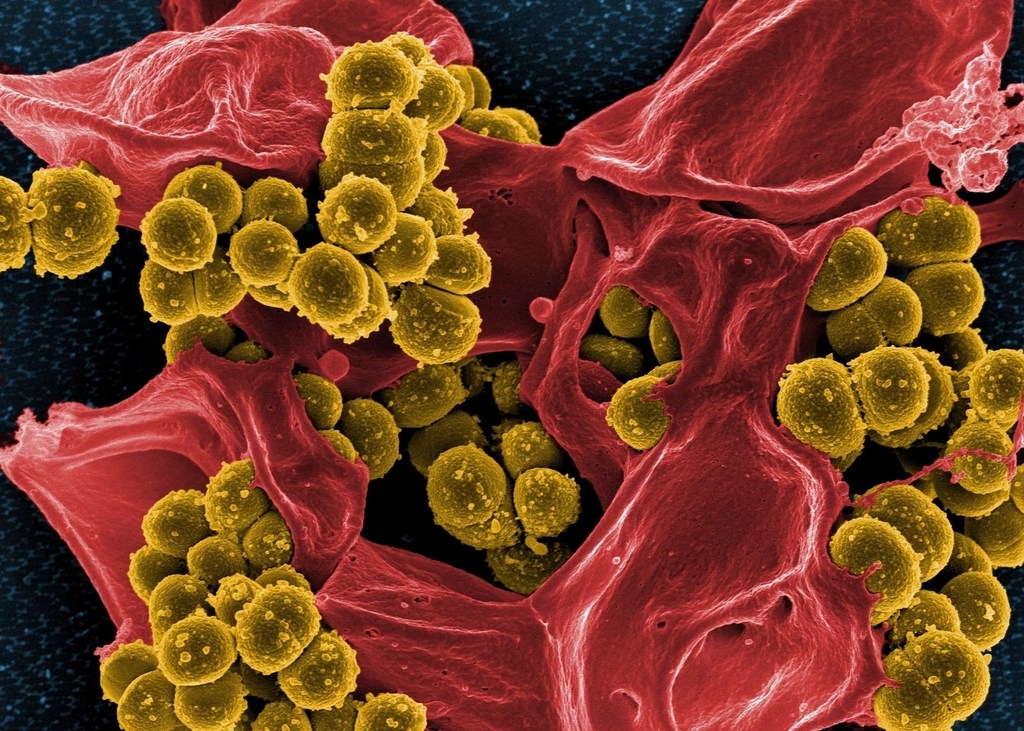
Bacteria that mutate to resist the strongest known antibiotics. At this blog, it’s in our DNA, if you will pardon the flippant quip. But-get this-what if the bacterium in question starts eating the walls you are trying to contain it in? Sounds fantastic, like the plot of one of those old 1950s B movies. Read this piece called Hospital Superbug eats Medical Plastic from the admirable Nature Briefings

Pseudomonas aeruginosa — a strain of bacterium that often causes antibiotic-resistant infections in hospitals — can produce an enzyme that can break down medical-grade plastic. Researchers found that the enzyme, dubbed Pap1, can break down a plastic called polycaprolactone that is commonly used in health care because of its biodegradable properties. The ability to break down plastic could explain why these microbes persist in hospital environments, says biomedical scientist and study co-author Ronan McCarthy.Nature | 4 min read
Reference: Cell Reports paper

We’ve put up the Cell Reports posting for you too here[1]in case the clicker above does not get you through

So is this it? The big one? A wave of highly infectious bacteria that not only eats us humans, but gleefully chomps its way through the very defensive systems we use use to contain it? Possibly, yes. But-let’s keep our Alans on, as they used to say in the old Guy Ritchie movies. For there are two good reasons to do so.

First, it’s only eating one type of plastic, so far. There are lots of others which could be deployed for special medical uses which will be less vulnerable.

Secondly, the fact that this plastic is indeed biodegradable, and that something has found a way to do it, offers great hope. Imagine a plastics ecosystem wherein every bottle, every carton, each piece of wrapping is open to attack by this Pap-1 enzyme. Potentially it opens the way to clean beaches, litter- free hedgerows and unblocked rivers and sewers. There is no reason that the genes to make the enzyme could not be spliced into a safer organism than Pseudomonas aeruginosa. It’s an ill wind that blows no one any good, we say.

[1]https://www.cell.com/cell-reports/fulltext/S2211-1247(25)00421-8

#plastics #antibiotics #microbial antibiotic resistance #science #ecology #pollution

More good news on dementias

Dementia is our own internal pollution. Clear that pollution away, and the brain may start to function well again. If the systems which clear it slow down with age, then of course you won’t think so well. That is the startling new research reported today in the Mail by the admirable Syeeda Saad. [1] According to Syeeda and the rather clever scientists whom she channels, the brain is well equipped with these clearance systems when we are born. [2] They go by such recondite names as microglia, glymphatic and lymphatic systems. They clean up all the horrible waste we produce as we think-bits of cells, proteins, toxins, what have you. If they don’t, you accumulate all this detritus and your brain slows down, exactly like a sewage system blocked with fatbergs (yuck!-ed) [3]

Essentially the ingenious researchers target lymphatic networks outside of the brain in order to boost the clean-up systems within it. And get this-they have found new pathways called T Cell gateways which let them overcome the blood brain barrier, a wall that has bedevilled researchers for decades. [3]

All in all rather hopeful. Though as everyone admits these discoveries are at the early, tentative stage. Meanwhile there are lots of proven methods we can apply in order to reduce the risk of developing dementias. Including unpleasant ones like eating less junk food, drinking less booze and getting more exercise. There’s a thought. And here’s another to close. The team of scientists who did all this useful, public spirited, and one day profitable research are based at Washington University in the United States of America, What will become of them and their University in the financial and intellectual climate currently prevailing in that fallen country?

[1]https://www.dailymail.co.uk/femail/article-14560527/neuroscientist-remove-brain-waste-prevent-dementia-age.html

[2]https://www.vice.com/en/article/clearing-brain-waste-could-prevent-dementia-in-the-future/

[3]https://www.nature.com/articles/nature14432

#alzheimers #dementia #brain #t cells #lymphatic #medicine #health

Round Up: Unpleasant drinks, New antibiotics for old, weight loss and clever cats

What’s in the water? Water is good for you, beer is bad. True, up to a point, especially for those of us who worry about our girth. But think before you drink, as they say. There may be more in that innocent glass of tap water than you bargained for, as this piece from The Conversation makes clear. Forever Chemicals in our drinking water……………

https://theconversation.com/forever-chemicals-are-in-our-drinking-water-heres-how-to-reduce-them-241645?utm_medium=email&utm_campaign=Latest%20from%20The%

Clever moggy finds new virus Ailurophiles of all lands will applaud the tale of this serendipitous kitty who brought home a mouse that contained a hitherto-unknown, and rather scary virus, to his biochemist owner. Here’s the Daily Mail

https://www.dailymail.co.uk/health/article-14021477/florida-rodent-virus-human-infection-potential.html

Antibiotics from the past Leafing through our old pharmacopoeias and other databases may yet be an important new source of antibiotics. God knows we need to look anywhere and everywhere. Fortunately, Science Alert shows the way, with really good graphics(yes we always like those)

https://www.sciencealert.com/forgotten-antibiotic-from-decades-past-could-be-a-superbug-killer

Can weight loss drugs boost your mental health? We at LSS recommend no drug or substance, as we are not doctors. But we will report on new reports about those drugs, provided these are covered by reputable outfits such as New Scientist. Here’s one about new research into possible mental health benefits of these new weight loss drugs which are so fashionable in today’s Zeitgeist, as t’were. Two caveats: once again, don’t do anything with these until you’ve spoken to your doctor; and, moreover, you’ll have to jump the paywall on this one. Thanks to G Herbert

https://www.newscientist.com/article/mg26234953-900-the-surprising-mental-health-and-brain-benefits-of-weight-loss-drugs/

#weight loss #mental health #antibiotic #cat #pollution #forever chemicals #serendipity #medicine health

Processed Foods: Reader Feedback

Today we reproduce the comment of our regular reader Ms Gaynor Lynch, on our recent piece about processed foods. Many thanks to her for taking the time to contact us:

Ultra-processed foods are bad for you – full stop. They are highly addictive and affect your brain chemistry so that you crave them more. Emerging research suggests ultra processed foods are particularly bad for not just the gut but the heart and brain as well, with mood and cognition badly affected.

Professor Tim Spectre is the go expert on the gut https://zoe.com/post/tim-spector-gut-tips,

There is an excellent excellent article in National Geographic on brain health but there is a pay wall. It may be available through your library service.

https://www.nationalgeographic.com/premium/article/ultra-processed-foods-damage-brain-depression-anxiety-cognitive-decline#:~:text=Although%20many%20ultra-processed%20foods%E2%80%94soda%2C%20candy%2C%20energy%20bars%2C%20fruit-flavored,brain%2C%20with%20mood%20and%20cognition%20taking%20a%20hit.

Abstract of research article in the journal Neurology on associations between ultra-processed food consumption and adverse brain health outcomes. Free, paywall to full article.

https://www.neurology.org/doi/10.1212/WNL.0000000000209432

We at LSS think that this whole issue is only going to grow in the next few years and welcome the thoughts of any other readers who might care to join the debate

#nutrition #obesity #food #diet #sustainability #health #heart

Are Ultra-Processed foods bad for your immune system? The Conversation thinks they might be

Go on any diet course these days (we’ve been on many) and the chances are that your course leader will inveigh against the dangers of processed foods[1] You know, those ones that saved us all so much time in the 1980s and 1990s, when it was essential to answer your e-mails and plan a talk over a delicious microwaved chicken korma. Well, processed foods comprise a lot more than just quick ready meals.And, l like a lot of labour-saving devices, they’re not all bad if used in moderation. Trouble comes when we all go too far. And our old friends The Conversation have an intriguing take on that. [2] Look at this extract frpm their article by Sam White and Phillipe Wilson

[there is] growing evidence that ultra-processed foods may affect how our immune system works. This may explain why some studies have linked ultra-processed foods with inflammatory bowel disease and potentially autoimmune diseases.

We on this blog have been tracking stories which link the digestive tract and immune system for some years. So it’s nice to see some real scientists really opening up this field. But there is a deeper lesson for us here, and it’s from economics, not science. Because economists of the classical school, or at least those who swallow their undergraduate textbooks, whole, always asseverate the a pure free market is the quickest way to achieve the optimum benefit. Well, processed foods are certainly free market. They have developed at breakneck speed, and certainly give the people what they want. The question is: how much do they need it? And at what cost does it come?

[1]https://www.nhs.uk/live-well/eat-well/how-to-eat-a-balanced-diet/what-are-processed-foods/

[2]https://theconversation.com/ultra-processed-foods-heres-how-they-may-affect-the-way-the-immune-system-functions-231884?utm_medium=email&utm_campaign=Latest

diet #food #microbiome# gut #immune system

How to really help Antibiotics Research UK for just one hour a week

We often talk about the Charity Antibiotics Research UK on this blog.[1] Since 2015, they have been doing invaluable work. Not only have they pointed to the need for new antibiotics. They have also tried to fund research. But they do a lot more than that.

Now, many people think “Disease-Diagnosis-Antibiotic-Cured-bosh!” is the way it works. That’s the ideal of course, and in many cases, it’s true. But all too often people have long term chronic conditions. [2] Such poor souls need all kinds of advice on treatments, health care, contacts-and sometimes just someone to talk to. And that is where antibiotic research UK’s brilliant patient support services comes in. If it’s done properly, it will eke out the effectiveness of our dwindling supplies of antibiotics, and , who knows, have support networks in place if new ones are developed. And now, gentle reader, is where YOU come in. To quote their appeal

We’re currently seeking volunteers to review the information we provide, whether it’s directly from our website or in response to enquiries. We’re looking for two types of reviewers:

  • Lay reviewers: Individuals without a healthcare background who can assess whether our articles are easy to understand and digest.
  • Expert reviewers: Professionals with a background in science or health who can provide insights into the accuracy and comprehensiveness of our content.

Come on, it’s not as if we’re asking you to climb Mount Kanchenjunga backwards, or swim the English Channel while dressed as the Red Queen from Alice Through the Looking Glass, is it? We bet a few of you reading this are retired after a successful career and are now sratching round for something useful to do. Could this be it?

[1]www.antibioticresearch.org.uk

[2]patient.support@antibioticresearch.org.uk

#antibiotics #patient care #medicine #health #hospital #nurse #doctor #bacteria #infection #chronic