Nature Briefings upsets the apple cart. Big Time

What if everything you learned forty and fifty years ago was wrong? Where would you be then. Something a bit like that happened to us this week when we read this piece from Nature Briefings, Bizarre bacteria scramble workflow of life

Bacteria have stunned biologists by reversing the usual flow of information. Typically genes written in DNA serve as the template for making RNA molecules, which are then translated into proteins. Some viruses are known to have an enzyme that reverses this flow by scribing RNA into DNA. Now scientists have found bacteria with a similar enzyme that can even make completely new genes — by reading RNA as a template. These genes create protective proteins when a bacterium is infected by a virus. “It should change the way we look at the genome,” says biochemist and study co-author Samuel Sternberg.Nature | 4 min read
Reference: bioRxiv preprint (not peer reviewed)
For more coverage of the most abundant living entities on our planet — microorganisms — and the role they play in health, the environment and food systems, update your preferences to sign up to our free weekly
 Nature Briefing: Microbiology

When we were young, there was a central doctrine in biology. Information was stored in genes, deep in the cell nucleus. These were made of DNA. This information was turned into RNA, then used to make proteins. The DNA code was unchangeable, inviolate which made the operations of natural selection all the easier to facilitate. If a large cat suddenly developed DNA to give it stripes, then it could hide better in the jungle, and pass on more copies of the DNA. Hence tigers evolved. Job done. To think the DNA could be modified by some environmental feedback was not only Lamarckian heresy, there was no obvious mechanism by which it could come about.

Now we are Not saying that the above discoveries overthrow the central tenet. Not yet. But remember how the Michelson Morley experiment in the 1880s posed a deep, unanswerable question at the heart of physics which was not fully resolved until Einstein came along a generation or so later. And we are certainly not going to make impulsive conclusions . But our story today, combined with all the recent advances in Epigenetics, do suggest however that the old model is now awaiting a major rethink.

[1]michelson morley experiment##biology #cell biology #dna #rna #darwin #lamarck #bacteria #protein #gene
Has the James Webb really found life? Let’s not jump to conclusions

Has the James Webb Telescope found life at last? Solid, incontrovertible evidence of biosignatures on another planet? We write these words in the afterglow of a half-heard item on BBC News this morning, which so far (8.30 27 4 24 UK time) we can’t confirm anywhere on the web, including the BBC itself. The story is intriguing, not only because of the implications if it’s confirmed, but as as an example of how good science journalism should work. First, a little background.

Well-informed readers will the recall the media excitement last autumn, when provisional findings suggested that the James Webb Telescope had indeed detected the presence of methane (CH4), Carbon Dioxide (CO2) and Dimethyl sulphide (CH3)2S on the planet K2-18-b which lies about 120 light years from Earth in the constellation Leo.[1] That last molecule was particularly intriguing, because according to many, it can only be produced by living process. All the traditional media wrote it up. Certain news magazines, not always renowned for cool and reflective judgement, seemed to get more than a little carried away. Was this it? Was this, you know, them, ET and all that? At which point we turn to an excellent piece of journalism by Eric Berger of Ars Technica, a model of level-headed reasonableness which all of us would do well to imitate. In this racket, and many other walks of life. [2]

Instead of commenting on Press Releases and other journalists’ stories, Eric went back to NASA and got quotes. These it turned out, were much more subtle, nuanced and provisional. The signs of real knowledge in fact. The difference, in fact, between the provisional first interpretations of a crime scene examiner, and their write-up months later in a final statement, when all findings have been integrated with a much larger investigative process. And, above all, reflected upon.

Perhaps today, perhaps next week we’ll get more reports, both in the mainstreams and in the science journals which will help us confirm or deny this potentially exciting discovery. But when it comes we will still ask the following questions

1 Is there any possibility, however small, that DiMethyl Sulphide can be produced by non-biological processes?

2 How easy is it to distinguish the spectroscopic signature of DiMethyl Sulphide from other molecules?

3 Are there other molecules which indicate the presence of life, and if so, have they been detected on K2-18-b?

4 Are there other factors(the presence of noxious compounds, extremes of temperature or radiation, for example, which make life impossible, despite these hopeful findings.

We await today’s news with anticipation.

[1]https://www.msn.com/en-us/news/technology/webb-studies-planet-k2-18-b-again-to-confirm-presence-of-gas-only-produced-by-life/ar-AA1nGfUo

[2]https://arstechnica.com/space/2024/01/no-the-james-webb-space-telescope-hasnt-found-life-out-there-at-least-not-yet/

#dimethyl sulphide #ocean planet #james webb telescope #exobiology #alien #astronomy #spectroscopy

More hidden numbers – Or a glimpse of the Mind of God?

A couple of years ago, we published a little blog in which we dared to suggest that the recurrence of certain numbers, such as pi and Euler‘s might hint at deeper universal phenomena that are not yet fully understood.(LSS 14 3 22) So we were more than gratified to come across an intriguing article by Steven Pappas for Live Science which further confirms our suspicions.

A team led by Vaibhev Mohanty at MIT has been trying to answer a simple but profound question. “How many mutations do you need in a genome before it changes the phenotype( i.e. proteins, etc) of the carrying organism? Now, we will confess at this point that our grasp of mathematics is appalling. However:

Scientists have discovered that a key function from a “pure” branch of mathematics can predict how often genetic mutations lead to changes in function. These rules, laid out by the so-called sum-of-digits function, also govern some aspects of protein folding, computer coding and certain magnetic states in physics. 

The report explains, in verbal form, some more about how the team arrived at these conclusions. But for us the key is that the same mathematics applies across several fields of science, as though something much deeper is going on. Well, that’s what we speculate. But we were not the first. As educated readers will recall, Plato speculated that the universe was formed of deep underlying structures, which he termed “forms”. And in his view a single Divine mind had created the universe through these same forms. So we pose this question: have these scientists, and others, had a tiny glimpse of the Mind of God?

[1]https://www.msn.com/en-gb/health/mindandbody/scientists-uncover-hidden-math-that-governs-genetic-mutations/ar-AA1f95OM?ocid=msedgdhp&pc=HCTS&cvid=7d80

[2] https://academic.oup.com/edited-volume/41754/chapter-abstract/354205224?redirectedFrom=fulltext

#genes #proteins #mathematics #plato #theology #mutation

Two stories that hint how we may become a new species

Things aren’t going too well for poor old Homo sapiens. Like a bacterial colony in a petri dish, we are starting to use up our resources fast, and pathological symptoms are appearing. When a species runs up against its ecological limits, it is quickly replaced by better adapted competitors. Two stories from Nature Briefings indicate how things might go. And that we have a way out of this if we are prepared to adapt.

Report Charts machines meteoric rise Better at maths. Better at pattern recognition. Better at reading. Remember that bright kid in the class? Next time you heard of him was twenty years later and he was Chief Executive Officer of a blue chip corporation. Well, that’s the way it is with AI now. .

Artificial intelligence (AI) systems can now nearly match — and sometimes exceed — human performance in tasks such as reading comprehension, image classification and mathematics. “The pace of gain has been startlingly rapid,” says social scientist Nestor Maslej, editor-in-chief of the annual AI Index. The report calls for new benchmarks to assess algorithms’ capabilities and highlights the need for a consensus on what ethical AI models would look like.Nature | 6 min read
Reference: 2024 AI Index report

Milestone Map of Brain Connectivity Yet there may be a chance of survival. First read this

Researchers have mapped the tens of thousands of cells and connections between them in one cubic millimetre of the mouse brain. The project, which took US$100 million and years of effort by more than 100 scientists, is a milestone of ‘connectomics’, which aims to chart the circuits that coordinate the organ’s many functions. Identifying the brain’s architectural principles could one day guide the development of artificial neural networks. Teams are now working on mapping larger areas, although a whole-brain reconstruction “may be a ‘Mars shot’ — it’s really much harder than going to the Moon”, says connectomics pioneer Jeff Lichtman. Nature | 12 min read

The point is that AI and mammal brains have one thing in common. Both depend on networks and the system control architecture that runs them. In theory it should be possible to create beings which fuse AI with biological neurons. This has already begun, in a small way, with things like brain implants and limb attachments which can interface with the nervous system. It is possible to imagine biocyber hybrids with advanced intellectual and physical capacities which are ready for the challenges of the future. It looks as if Homo sapiens itself may no longer be up to it. But the genus Homo will survive, albeit in modified form. Which has happened successfully before. We’ll leave you with some thoughts from the old British Rocker David Bowie, who memorably observed

The earth is a bitch, we’ve finished our news/Homo sapiens have outgrown their use

Which is the exact text of this blog. He just said it better.

#davis bowie #AI #neural networks #future #pollution #global warming # genetic engineering

AI-designed Antibodies: Not another medical breakthrough story?

Oh no, not another medical breakthrough story on LSS? What happened to all those cocktails? What about all the economics and evolution stuff we used to get? Yet let us remind you of the words of our Founding Charter,* gentle readers: this started out as an antibiotics website, even more so when it was a post on Facebook. Of course when supplementary techniques like bacteriophages and improved antibodies came along, we welcomed those too. Which is why we have to give this new report from Nature Briefings AI helps design antibodies from scratch, front and centre on today’s blog. When you read this, you will understand why

For the first time, an artificial intelligence (AI) system has helped researchers to design completely new antibodies. Creating new versions of these immune proteins, which can be used as drugs, is usually a lengthy and costly process. An AI algorithm similar to those of the image-generating tools Midjourney and DALL·E was trained on thousands of real-world structures of antibodies attached to their target proteins. It then churned out thousands of new antibodies that recognize certain bacterial, viral or cancer-related targets. Although in laboratory tests only about one in 100 designs worked as hoped, biochemist and study co-author Joseph Watson says that “it feels like quite a landmark moment”.Nature | 4 min read
Reference: bioRxiv preprint (not peer reviewed)

Once again, we are at the start here. It’s still, at proof of concept stage, and awaits peer review. On the other hand, this is genuine landmark moment which people of the future will look back on. And whatever you are doing now as you read this, remember it. You were there on the day it happened.

  • a copy of the founding charter is still visible in the flowerbed round the side near the car park, the bit where all the smokers go. Actually, could we clean it up a bit?

Two amazing stories from genetics that woke us up this morning

One of our great pleasures in life is to stand amazed when someone does something amazingly clever. Especially when you get that feeling that what they did was there, waiting to be done, all along. Which is why we bring you two such stories, all gift wrapped up by the admirable Nature Briefings and BBC, for you to click on at your delight.

A Cure for HIV? Anyone who lived through the 1980s will recall the terrible ravages of the AIDS pandemic, caused of course by the HIV virus. Even if you were lucky enough to be in a low-risk group, we all knew someone or a local community organisation who suffered the ravages. Sad. Sad. Sad. Now that old friend of LSS, CRISPR gene editing may actually offer some hope towards the final elimination of the virus from our genomes. It’s early days yet, as both Michelle Roberts of the BBC and the researchers themselves say. Proof of concept and all that. Good, it’s better to be cautious. But if they can “snip” the HIV virus out of your cells, what else might not be achieved?[1]

Ghost DNA made us brainy Talking of embedded DNA, many a 1980s conversation concerned all that mysterious DNA lying around our genomes that didn’t seem to do anything (no, it was mainly about EastEnders-ed) Was it some of it ancient embedded viruses that attacked our ancestors long ago, in some forgotten Permian Pandemic? Well, get this from Nature Briefings, Virus Helped Brain Evolution

Remnants of an ancient viral infection are essential for producing myelin, a protein that insulates nerve fibres, in most vertebrates. Certain viruses insert DNA into the genetic material of the cells they invade. Sometimes, these insertions become permanent and even aid evolutionary processes. Myelin helps nerves to send electrical signals faster, grow longer and thinner so they can be packed in more efficiently. “As a result of myelin, brains became more complex and vertebrates became more diverse,” says stem-cell biologist and study co-author Robin Franklin.Science News | 6 min read
Reference: Cell paper

The implications are rather profound. The idea of the single autonomous gene line, the pure selfish individual at the core of your biological identity is rather compromised, isn’t it? What if the genetic “you” isn’t just “you,” but is you+some (rather random )free riders, who may or may not be helpful? That Natural Selection is acting on several of you at once. and may force you to cooperate? What price The Selfish Gene now?

[1]https://www.bbc.co.uk/news/health-68609297

#genetics #dna #rna #hiv #aids #myelin #evolution #CRISPR #medicine

Worms and trains gave us two unexpected shocks for the weekend

A philosophy derailed For more than fifty years, the Mail and its collaborators in the right wing media have been pushing one simplistic mantra “Private Sector Good. Private Sector Bad.” So it came as a surprise to see this candid admission of the appalling state of Britain’s privatised railway system.[1] It’s a story that’s repeated across swathes of our economy. Public Housing, water and sewage, Forensic Science, energy regulation… the attempt to privatise and create a market at all costs has often been a costly failure. Now, anyone who has y worked in the public sector and seen its inefficiencies close up cannot remain a socialist. Or not enjoy the delight of pompous civil servants being exposed to a little competition. But the invariable prescription of a single nostrum, whatever the circumstances, that so appalled us. Good to see a little honest admission of error.

[1]https://www.dailymail.co.uk/news/article-13172415/Rail-cancellations-Avanti-Northern-CrossCountry-TransPennine-Express.html

Immunity to radiation? When we were young we thought “radiation is an ineluctable killer. It so affects the genetic material that there’s no way back.” Wrong again! As this intriguing article from the Independent shows, to our extreme chagrin. Apparently the famous nuclear disaster zone of Chernobyl in Ukraine has nurtured a whole new type of radiation resistant worms. [1] The implications for life on earth are intriguing enough. But even more so in our quest to find living creatures both in our own stellar system and in more distant ones. What a way to end the week.

thanks to p seymour

[2]https://www.independent.co.uk/news/world/europe/chernobyl-worms-nuclear-power-plant-b2509161.html

#chernobyl #worms #radiation #privatisation #public sector

Kill Krill? You’ll pay a bill

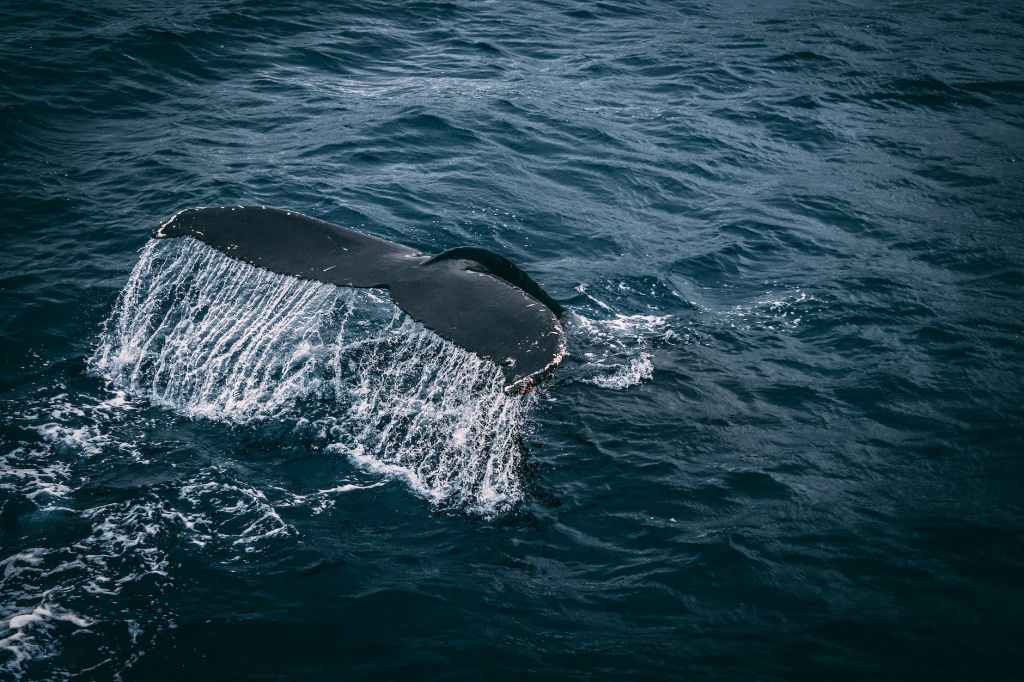
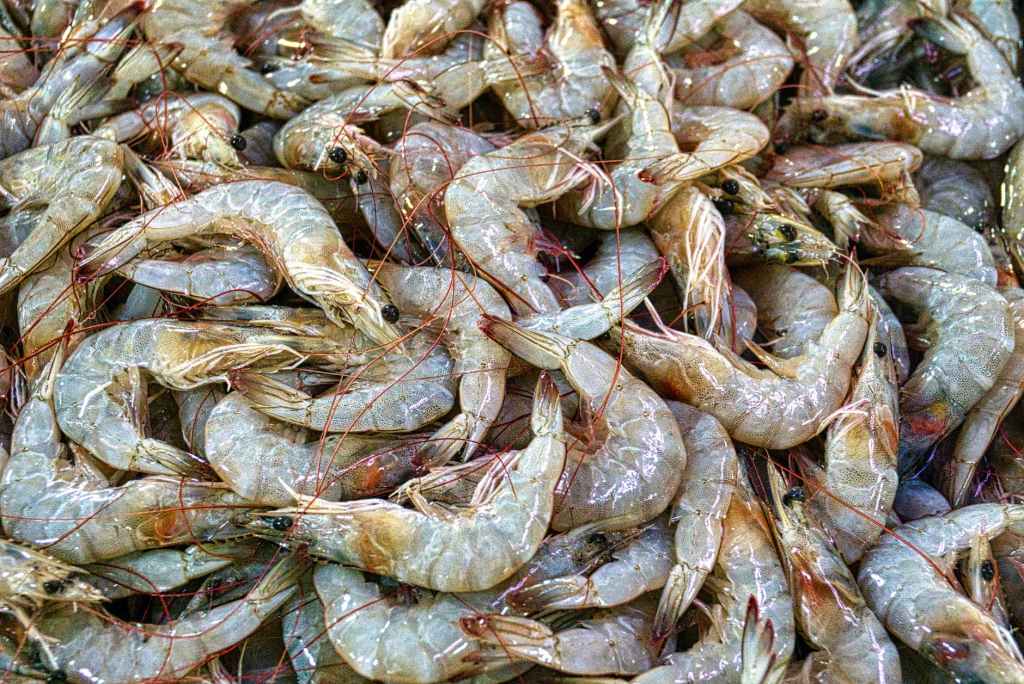
Today we’re devoting our blog to Krill, those humble but immensely prevalent crustaceans which form the basis of immense and vital ocean food chains. [1]They even form the breakfast of the Blue Whale (Balaenoptera musculus), that mighty monarch of the sea. They may even play a role in carbon capture and sequestration [2 see part #9] and now, you’ve guessed it-they are under threat. From that brutal ignorant species that has the vanity to call itself Homo sapiens. Not only are they being massively overfished. But now the melting glaciers and ocean acidification, both caused by global warming, are starting to eat into their numbers at alarming rates. If that goes on happening then the whole ocean ecology will collapse, with incalculable consequences for the stability of human society.

“So-what can I do?” we hear you asking. It’s a perfectly good question. And in the last analysis, only you will know the answer, gentle reader. But here at LSS we know one thing. The days of living the quiet suburban lifestyle at sports ground and shopping mall are over. We’re not saying it wasn’t good while it lasted. But it can’t be sustained any longer, not at least without some major social and technological engineering. Could you at least help one organisation that is trying to do something? What about the WWF, who have supplied one of today’s links? What have you got to lose? Well you know the answer to that.

Thanks to Gary Herbert

[1]https://en.wikipedia.org/wiki/Krill

[2]https://www.wwf.org.uk/learn/fascinating-facts/antarctic-krill#:~:text=They%20are%20under%20threat,interest%20in%20the%20krill%20fishery.

#krill #crustaceans #ocean #food chain #blue whale #climate change #global warming #glacier #ice sheet

If the Gulf Stream collapses, you won’t need ice in your Gin and Tonic

According to the American writer Gore Vidal, one must choose between two missions in life. Either to Comfort the Afflicted; or to Afflict the Comfortable. Now, generally speaking, the Daily Mail is normally very much on the side of the Comfortable. Hardly a bunch of Islington Green Remoaner Marxist Liberals, you might say. So when they publish something which might in some way be slightly comfort-afflicting, we know it’s been through a pretty fine toothcomb first. And today we present just such a story by their admirable Jonathan Chadwick called The Real Life Day After Tomorrow. Not only does it speculate that the warming currents of the North Atlantic might collapse, plunging us into a new Ice Age. But there is a chance that it might happen rather soon. [1]

Most people know that the reason that Western Europe is tolerably warm is due to the fact that certain ocean currents move vast quantities of heat up from the warm waters of the Gulf of Mexico to these otherwise benighted shores. Thanks to global warming and melting ice caps, those currents could switch off as early as next year. We cannot hope to improve on the excellent explanations and top notch, easy-to-understand graphics in Jonathan’s article. But we could beg you to look at some of the comments. and the squeals and howls of outrage from those whose weltenschauung is horribly imperilled by Jonathan’s words. Denial, evasion and getting shouty are common psychological defence mechanisms of people who are often uncertain of their own case. Blaming the messenger can be another; although we are all guilty of that.

Perhaps the latter was on display in the case of climate scientist Michael Mann, who, because of his scientific work, became the subject of unpleasant personal attacks from those who objected to his findings. To us it all seems a bit reminiscent of what happened to Galileo in the 1640s. Fortunately Mann has won damages from some of his adversaries , and this may buy back some space for objective debate in some areas of science. We wait to see. Whatever happens, those who prefer to deny, for whatever reason, should remember. Reality, be it economic, physical or logical, will eventually come round to charge a price. The longer you leave it, the higher that price will be.

[1]https://www.dailymail.co.uk/sciencetech/article-13073449/Gulf-Stream-plunging-Europe-deep-freeze.html

[2]https://www.nature.com/articles/d41586-024-00396-y?utm_source=Live+Audience&utm_campaign=0f1db6493c-briefing-dy-20240212&utm_medium=email&utm_term=

#jonathan chadwick #climate change #global warming #ice caps #AMOC #climate denial

Attack of the Killer Zombie Virus

Sounds like one of those old 1950s B movie titles, doesn’t it? But according to Robin McKie of the Observer, the threat is all too real.[1] According to Robin:

Humanity is facing a bizarre new pandemic threat, scientists have warned. Ancient viruses frozen in the Arctic permafrost could one day be released by Earth’s warming climate and unleash a major disease outbreak, they say.

No, despite our apparent credentials gained in monitoring the medical and science newsfeeds, we didn’t see this one coming either. We were more concentrating on the day that all that methane locked up in the permafrost spills out, and propels us all back to the Great Permian Extinction.[2]

And before you go, remember this. Firstly even the best antibiotics in the world will be of no use against viruses. Secondly, these viruses are likely to be of unknown types, and it will take time to run up meaningful vaccines against them. And above all, don’t think it won’t happen-remember what they were saying about global warming only twenty years ago?

[1]https://www.theguardian.com/society/2024/jan/21/arctic-zombie-viruses-in-siberia-could-spark-terrifying-new-pandemic-scientists-warn

[2]https://en.wikipedia.org/wiki/Permian%E2%80%93Triassic_extinction_event

#permafrost #climate change #global warming #virus #pandemic #vaccine #antibiotic