
Faecal Pellets: Watch the good bacteria chase out the bad

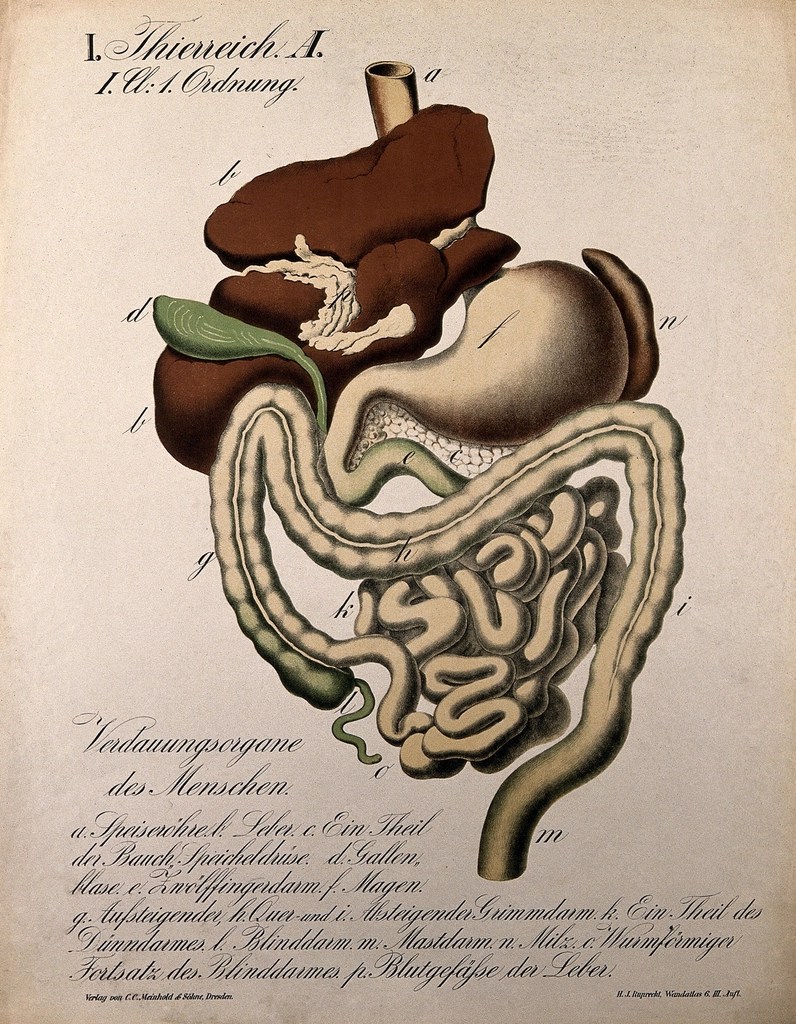
Imagine you get bad news: antibiotic resistant bacteria have set up a colony in your intestine. OK here’s some worse: they could escape and invade your blood, kidneys, whatever. In which case you have real problems. This is a very real scenario which that brilliant researcher Dr Blair Merrick of Guys and St Thomas Hospital has sought to address. [1] as reported by James Gallagher of the BBC Why not, he has reasoned, get some good non resistant bacteria to chase out all those bad ones? It is his chosen method which may raise more than one eyebrow among you, gentle readers

According to Dr Merrick, the way to get the good bacteria into his subjects is via pills made of…..well, made of faecal matter, you know,,,poo. To quote James:

Dr Merrick says there are “really promising signals” that poo pills could help tackle the rising scourge of superbugs and that donor bacteria could be going to microbial war with the superbugs as they compete over food and space on the lining of the gut and either rid the body of them completely or “reduce them down to a level that doesn’t cause problems”.

We like this for all sorts of reasons. Firstly the gut really is such a good harbour of antibiotic resistant bacteria. Secondly, as in all things ecological, making its flora more diverse can only be a good thing. Thirdly, we think it has a clever little principle behind it. Antibiotic resistant bacteria have devoted a tiny bit more of their genome to this purpose than non resistant ones. In the world of ecological competition, where tiny differences can make an enormous difference to long term survival, this could be crucial. If done correctly, the good non resistant ones should out compete the bad ones.

It’s early days yet, and the early trials have only been on 41 subjects But as seasoned veterans of the long wars of antibiotics will know, we at LSS welcome every initiative, however unusual it may at first seem. We wish every success to Dr Merrick and his team and hope that their early accomplishments continue in the bigger trials to come,

thanks to Ms G lynch

[1]https://www.bbc.co.uk/news/articles/clyge290l4xo

#gut #microbiome #antibiotic resistant bacteria #health #medicine

AIDS breakthrough shows what science can do

We now live in an age when science (and the rational habits  of mind it depends upon) is under attack.  Heirs to the rational tradition have always had to live with religious fundamentalists who deny inconvenient truths like evolution. But nowadays attacks come thick and fast from those who wish to deny  climate change, the dangers of  smoking, the efficacy of vaccines and much besides.   From people who nevertheless cheerfully accept other scientific findings which suit them.   So, just to redress the balance we thought we’d showcase this breathtaking new advance in AIDS research which, for the first time, holds out the hope of a permanent cure.

It comes from Kat Lay of the Guardian,[1] reporting the  work of the Peter Doherty Institute in Australia.[2] The background will be familiar: the great evolutionary survival trick of the HIV was to bury itself deep in certain white blood cells of the immune system, where it was immune to our attack. In the words of Kat:

In a paper published in Nature Communications, the researchers have shown for the first time that mRNA can be delivered into the cells where HIV is hiding, by encasing it in a tiny, specially formulated fat bubble. The mRNA then instructs the cells to reveal the virus. First AIDS was a death sentence: then it could be slowed with drugs. Now at last comes hope of a real cure for its 40 million or so sufferers

Science itself is a process, not a monolithic entity. It evolves, refines, and corrects itself over time. But when people selectively accept only the parts that align with their worldview, they undermine the very foundation of rational inquiry   This kind of cherry-picking often stems from cognitive biases, ideological commitments, or economic incentives. Climate change denial, for example, is frequently tied to political or financial interests, while opposition to vaccines or smoking regulations can be fuelled by misinformation or personal convenience.  But the deniers should remember one thing: if they do decide to overthrow the rationalists, will they put anything better in our place?

Truth is compared in Scripture to a streaming fountain; if her waters flow not in a perpetual progression, they sicken into a muddy pool of conformity and tradition.”

 Milton: Areopagitica

[1]https://www.theguardian.com/global-development/2025/jun/05/breakthrough-in-search-for-hiv-cure-leaves-researchers-overwhelmed?CMP=Share_AndroidApp_Other

[2]https://www.doherty.edu.au/

#HIV #AIDS #disease #mRNA #medicine #science #climate change #smoking

Bit of a round up: Yes Men, Fusion, Bowel Cancer, molecular shuttles and seething in the Sahel

Overwhelmed by a huge flood of suggestions , the only way we could cope was to pull them into this handy easy to access guide to some of the most significant happenings of the week. You don’ have to click on all of them

Will the Yes men Bring Down Donald Trump? As organisations get successful they attract more people who are adept at climbing the ladder rather than doing the job. The USA is somewhere near peak Trump at the moment. The Conversation warns how bad advice could end all in tears

Fusion on Trent The person who sent us this idea has had to endure our enthusiasm for nuclear fusion for more than fifty three years, despite the fact that it hasn’t worked for fifty of them. Now all that may be about to change in Nottinghamshire in the UK as The I newspaper explains https://inews.co.uk/news/politics/limitless-clean-energy-nuclear-fusion-3711971

thanks to P Seymour via Apple News

Weighing the risks of bowel cancer Inequality leads to poor diets. Poor diets lead to obesity. Obesity leads to bowel cancer. How ironic, therefore, to see a riff on this theme in the Mail, of all places. But there it is so, there you go, as they say(that’s enough cliches-ed)

https://www.dailymail.co.uk/health/article-14756279/Doctors-discover-vital-new-clue-search-cause-mystery-bowel-cancer-explosion-50s.html

Shuttle and open We’ve riffed a bit ourselves here about the blood brain barrier over the years. It’s a pretty tough problem for those who would like to treat various disorders of the central nervous system. Now new hope come sin the form of molecular shuttles as Nature Briefing explains

To reach the brain, drugs must pass through the highly-selective blood-brain barrier. Large molecules, such as antibodies, don’t cross easily, if at all. Now, small chemical tags that can ‘shuttle’ drugs across the barrier are offering a way forward. Several such shuttles, which take advantage of natural transport systems, are in the works. Some have already been trialled in rare diseases, with signs of success. The field is in its infancy, but these shuttles promise to revolutionize treatments for diseases from Alzheimer’s to cancer.Nature | 10 min read

When scientists have a bone to pick It is an invariable law in paleontology , especially of the human kind, that the rancour of the disputes between its protagonists is in inverse proportion to the numbers of remains they have to work with. There is no better example of fear and loathing than the disputes over the bones of Sahelanthropus, the famous Toumai, which was once hailed as the uber-ancestor of us all. Before you hand over the world to an Aristocracy of the Educated, as some advocate, read this.

https://www.theguardian.com/science/2025/may/27/the-curse-of-toumai-ancient-skull-disputed-femur-feud-humanity-origins?CMP=Share_iOSApp_Other

#cancer #bowel #nuclear fusion #dona;d trump #health #medecine #alzheimers #sahelanthopus

Brand New Antibiotic- a last hurrah for Harvard University?

Today we are brining you news of one of the best stories we’ve covered in many a long year of campaigning. Today Hofman-La Roche have announced late stage trials of a brand new antibiotic called Zosurabalpin. If all goes well it could be ready for clinical practice very soon. [1] We’ve been following this for a while now (LSS 1 4 24; The Conversation 5 1 24)[3] : it’s extraordinarily gratifying to see the long process so near to fruition.

There’s much to be excited about at a pure scientific level. Zosuralpin is designed to go after the particularly deadly bacterium Acinobacter baumannii, which can kill up to 50% of its victims. It’s one of those gram negative ones with a double cell wall. Zosurabalpin tackles this in a new way, specifically targeting lipopolysaccharides which the organism uses to maintain the integrity of those walls. For the first time since we entered the world of antibiotics, a gram negative bacteria, the ones which used to really concern the great Professor Garner and the other founders hasa been cornered. But that’s not our main learning point today.

Because Hofman did not develop this alone. Like all modern research it was international and collaborative. The international partner they chose was Harvard University, the oldest in the United States Of America, and one of the best in the world. Until recently. For as astute readers will know, this institution has recently been on the end of a tremendous kicking from President Donald Trump (pictured above with some of his supporters) and other members of his government. We are not certain yet if this will end terminally for Harvard. But at the very least, the time they spend defending themselves from their barbaric assailants would be time better spent developing new antibiotics. It’s worth balancing consequences like that against the savage impulses of the unreasoned, the unlearned and the unintelligent.

[1]https://www.ineosoxford.ox.ac.uk/news/new-antibiotic-class-shows-promise-against-drug-resistant-bacteria

[2]https://www.lbc.co.uk/news/health/new-antibiotic-could-defeat-resistant-superbug-human-test-zosurabalpin/

[3]https://theconversation.com/new-antibiotic-zosurabalpin-shows-promise-against-drug-resistant-bacteria-an-expert-explains-how-it-works-220564

#antibiotic resistance #hofman La roche #zosurabalpin #gram negative #medicine #healh #harvard #donald trump #harvard

We said Base Pair editing would outshine CRISPR. This breakthrough proves we were wrong. Or not

When is CRISPR- Cas-9 Base Pair Editing, and when is Base Pair editing CRISPR Cas-9?. Readers of this blog may be forgiven for thinking Base Pair Editing was the exciting new kid in town that was going to make CRISPR look like VHS tapes ( what they?ed) But according to reports of a recent breakthrough in medicine, they are, sort of, one and the same thing.

Perhaps we had better start with the breakthrough. Doctors in Pennsylvania in the USA have used gene editing techniques to treat a poor little boy whose liver lacked the necessary enzyme system to process ammonia. Our reports come firstly from Ian Sample of the Guardian and the New England Journal of medicine via hyperlink) , where Base Pair is very much to the fore While Nature Briefing has the following take , again with the hyperlink to the NEJM, Baby Boy Receives CRISPR for One Therapy

A baby boy with a devastating genetic disease is thriving after becoming the first known person to receive a bespoke, CRISPR therapy-for-one. KJ Muldoon, now almost 10 months old, received three doses of a gene-editing treatment designed to repair his specific disease-causing mutation, which impaired his body’s ability to process protein. While Muldoon appears healthy, it is too soon to use the word “cure”, says paediatrician Rebecca Ahrens-Nicklas. “This is still really early days.”Nature | 5 min read
Reference: New England Journal of Medicine paper

From all of which we have obtain the following Learning Points for your Edification , gentle reader:

1 It matters less what you call it, and more that it works-the kid’s OK now!

2 Maybe Base Pair Editing is a subset of CRISPR the way that Hammersmith is a region of London. OK, it’s Hammersmith. But it’s London too. What’s the big deal?

3 It would be interesting to learn if other big cities like New York or Madrid for examples, contain smaller areas with funny names. But we will leave that to another day.

4 If you educate people, teach them critical thinking skills and give them some money to buy test tubes with, things like this can happen

5 If you keep people working long hours for little money, educate them to a minimum and give them things like Fox News to watch, societal outcomes may be very different

[1]https://www.theguardian.com/science/2025/may/15/us-doctors-rewrite-dna-of-infant-with-severe-genetic-disorder-in-medical-first?CMP=Share_iOSApp_Other

also: see LSS 23 7 2022 and follow ups

#gene therapies #base pair editing #CRISPR Cas-9 #medicine #health

Cancer testing saves lives-and shows why science works

Today we a re going to talk about cancer. In the UK alone it kills 167 000 people annually, which is about 29% of all recorded deaths . Meanwhile about 3.5 million people are trying to live with it on a daily basis. The statistics for your country will be comparable, gentle reader. Nothing would cheer us more than to report some good news. And today we think we can, courtesy oft the far sighted Professor Peter Sasieni and his team at London’s Queen Mary University via the Mail [1] [2]

Professor Sasieni and his team are not pioneering cures directly. Their skill is devising new ways of testing. To detect the terrible disease early, before it can wreak havoc, and unleash the cures when they have the optimal chances of success. The linked article is a good summary of all the wonderful work they are doing. But we have filleted out this tiny quote which will give you some flavour of what they are achieving

Yearly screening under the fast tumour growth scenario led to a higher number of diagnoses than usual care – 370 more cancer signs were detected per year per 100,000 people screened. There were also 49 per cent fewer late-stage diagnoses and 21 per cent fewer deaths within five years than patients receiving usual care. 

If that’s not hope we don’t know what is

But there’s a deeper story here. For us, the best working definition of intelligence is how you respond to reality. You may have a lot of money, talk well, and even have a genius IQ. But if you ignore facts, deny them, or distort them, then you are a fool. There’s no mystery about science. It is simply a way of collecting true facts and organising them according to the rules of logic, which is what Professor Sasieni has done. This works globally for things like changes in the climate. It works locally, for things like diseases in the human body such as a diagnosis of cancer To deny truth once is the start of denying it always. With fatal results.

[1]https://www.dailymail.co.uk/health/article-14694059/blood-tests-detect-earliest-signs-cancer-prevent-advanced-stage.html

[2]https://www.qmul.ac.uk/wiph/people/profiles/peter-sasieni.html

#cancer #testing #screening #health #medicine

Is this plastic eating bacterium the ultimate in antibiotic resistance?

Bacteria that mutate to resist the strongest known antibiotics. At this blog, it’s in our DNA, if you will pardon the flippant quip. But-get this-what if the bacterium in question starts eating the walls you are trying to contain it in? Sounds fantastic, like the plot of one of those old 1950s B movies. Read this piece called Hospital Superbug eats Medical Plastic from the admirable Nature Briefings

Pseudomonas aeruginosa — a strain of bacterium that often causes antibiotic-resistant infections in hospitals — can produce an enzyme that can break down medical-grade plastic. Researchers found that the enzyme, dubbed Pap1, can break down a plastic called polycaprolactone that is commonly used in health care because of its biodegradable properties. The ability to break down plastic could explain why these microbes persist in hospital environments, says biomedical scientist and study co-author Ronan McCarthy.Nature | 4 min read
Reference: Cell Reports paper

We’ve put up the Cell Reports posting for you too here[1]in case the clicker above does not get you through

So is this it? The big one? A wave of highly infectious bacteria that not only eats us humans, but gleefully chomps its way through the very defensive systems we use use to contain it? Possibly, yes. But-let’s keep our Alans on, as they used to say in the old Guy Ritchie movies. For there are two good reasons to do so.

First, it’s only eating one type of plastic, so far. There are lots of others which could be deployed for special medical uses which will be less vulnerable.

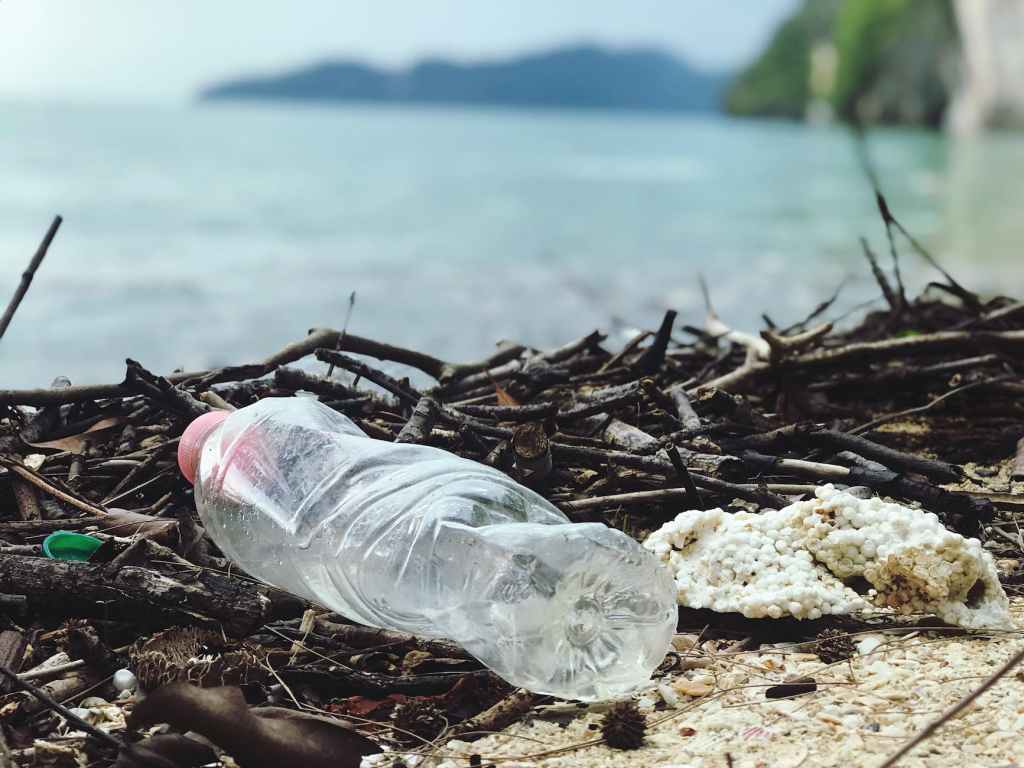
Secondly, the fact that this plastic is indeed biodegradable, and that something has found a way to do it, offers great hope. Imagine a plastics ecosystem wherein every bottle, every carton, each piece of wrapping is open to attack by this Pap-1 enzyme. Potentially it opens the way to clean beaches, litter- free hedgerows and unblocked rivers and sewers. There is no reason that the genes to make the enzyme could not be spliced into a safer organism than Pseudomonas aeruginosa. It’s an ill wind that blows no one any good, we say.

[1]https://www.cell.com/cell-reports/fulltext/S2211-1247(25)00421-8

#plastics #antibiotics #microbial antibiotic resistance #science #ecology #pollution

Deadly Fungus spreads as globe warms

Rising seas. Flooding rivers. Blankets of uncontrollable wildfires. But the latest risk from global warming is a humble fungus, which could now spread across the globe. We’ve mentioned the danger of antibiotic resistant fungi before here(LSS 21 10 24 et al) But we never thought to tie it to climate change.

Well all that’s just changed. Because according to a new study by Dr Norman van Rhijn of Manchester University, reported here by Alex Croft of the Independent, via Yahoo [1] dangerous strains of the Aspergillus family of fungi are starting to spread . If we carry on burning fossil fuels at the rate we do now, the strain A. fumigatus will probably extend its range by 77% by 2100, pushing up into polar regions such as Alaska. And the trend is worrying experts from many fields.[2] For one thing, fungi have an immense potential to damage drops. But they also pose a clear and present danger to human health, especially in those with weaker immune systems, such as the elderly and children. They may also produce substances such as aflatoxins which may cause liver damage and even cancer[3] It’s hard to get an exact figure which parses the number of deaths caused directly by fungi, and those cases where they become an opportunistic secondary infection. But about 3.5 million a year might not be a bad ball park figure. As the fungi become resistant to antibiotics and fungicides, this figure will grow and grow.

This is a bank holiday weekend in our country. People will be doing bank holiday things. A great many cars will be cleaned, tents put up, boats sailed and drinks drunk. But , we can’t help thinking, wouldn’t it be better to put all the fun on hold for a bit, until problems like this have been finally sorted out?

[1]https://uk.news.yahoo.com/killer-fungus-could-spread-parts-170653452.html#:~:text=Norman%20van%20Rhijn%2C%20the%20Wellcome%20Trust%20research%20fellow,a

[2]https://www.who.int/news/item/25-10-2022-who-releases-first-ever-list-of-health-threatening-fungi

[3]https://www.cancer.gov/about-cancer/causes-prevention/risk/substances/aflatoxins

#global warming #climate change # antibiotic resistance #aspergillus #fungi

Yes, the brain can erase unpleasant memories-but what does that say about who we are?

An old friend once told us about his experiences as a child evacuee during the Second World War. Or rather, he didn’t: because those memories did not exist. Like those of millions of others, his experiences were agonisingly traumatic. And he had blotted them out altogether. News of how the brain achieves this erasure of painful memories comes in this story from the inimitable Nature Briefing called Dopamine hit overwrites memories of fear

In mice, dopamine acts on neurons in a brain region called the basolateral amygdala (BLA) to kick-start fear extinction — the overwriting of fearful memories when danger has passed. Researchers found that this dopamine is produced in a separate part of the brain called the ventral tegmental area. Humans have “the same evolutionarily conserved parts of the brain that regulate these fear responses” as mice, says neuroscientist Larry Zweifel, which hints that neurons in the BLA could be a target for drugs to help to treat fear-related conditions such as post traumatic stress disorder.Nature | 4 min read
Reference: 
Proceedings of the National Academy of Sciences paper

Normally we would riff enthusiastically on the hopes of a cure for PTSD, or admire the ingenuity of the scientists who have made these discoveries. But today, if you’ll forgive us, we want to go in a different direction.

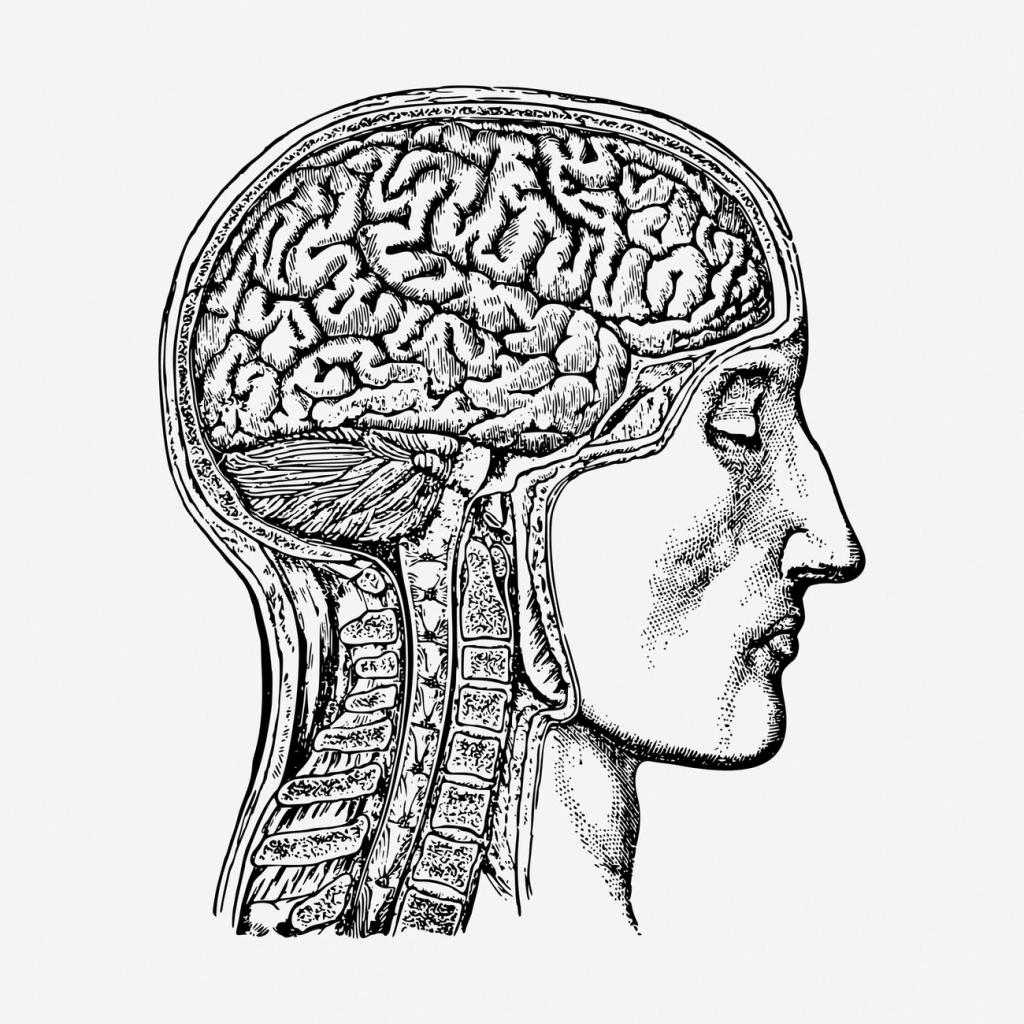
For if unconscious and automatic healing processes of the brain can so affect our memories, what does that say about our consciousness? Are you really in charge of the way you remember, feel, and think? At first glance this may seem to be the abstract playground of a lot of philosophers, psychologists and neuroscientists. The trouble for us is that many religious and economic systems depend on the assumption that each of us is an autonomous individual. Who freely chooses between good and evil or cheap and expensive. And these doctrines affect the real lives of millions. As Keynes observed, every politician who prides himself on being an entirely pragmatic individual is always the intellectual slave of some long dead economist. The writers of many religious books are much older still: but millions still kill and die for their words. We freely admit to being utterly baffled by all this, and are unlikely to return to anything quite so intricate again any time soon. But next time we hear anyone declaiming confidently on things like politics or religion, we will wonder deeply about what is happening in their mind,

As promised above we will endeavour to keep away from all this philosophical stuff. But if you want to know more, the works of Timothy O’Connor, Ben G Yacobi, Benjamin Libet, Daniel Dennet and Sigmund Freud provide useful starting points.

#free will #neurology #unconscious #conscious mind #economics #religion #politics #philosophy

Antibiotics saved her sight

Ellie Irwin seemed to have it all. She was beautiful, she was highly intelligent, she had graduated from medical school to what should have been a productive and fulfilling life. Instead, she was going blind in one eye, with terrifying possibility of losing sight in the other. Her life was an endless round of appointments, treatments and interventions. None seemed to come near to resolving the problem. At one point she had to have a cataract operation, and in despair, actually considered the possibility of having the problem eye removed.

But there turned out to be one last chance, as Fergus Walsh reports for the BBC. [1]Because thanks to a new science called metagenomics[2], doctors were able to identify the cause of her problem. To quote Fergus:

Metagenomics technology uses cutting-edge genomic sequencing, which can identify all bacteria, fungi or parasites present in a sample by comparing them against a database of millions of pathogens.

The cause turned out to be a rare bacteria of the leptospirosis family which Ellie had picked up while swimming in the Amazon river on a student holiday. The cure was simple: a good dose of antibiotics, as regular readers of this blog will have guessed. Today Ellie is a fully cured, happily functioning doctor. Recently, she even got married. Fergus knows how to end a story on a happy note!

For us there are a number of learning points here, faithful readers. One-what a good job antibiotics can do, Two-look what happens when you combine them with cutting edge techniques like metagenomics. Three-if you want new cutting edge techniques, it might help to employ a few well educated scientists to think them up, and universities to put them in. And four? No point going on with four. Everybody’s getting the drift.

[1]https://www.bbc.co.uk/news/articles/czx45vze0vyo

[2]https://en.wikipedia.org/wiki/Metagenomics

#antibiotics #metagenomics #science #research #health #medicine