Two good news blogs:#1 AI designer phages against antibiotic resistance

Its not often we bring you unabashed good news, gentle readers. Nor moreover, blow our own trumpet. But the following from Nature Briefing AI Helps design E. coli killing viruses not only unites so many of the themes we push here-(AI molecular design, multidisciplinary studies, bacteriophages etc etc)-that we think that the advance it represents it makes this one of our more significant blogs in months.

Using artificial intelligence (AI), researchers have designed novel viruses capable of killing strains of Escherichia coli. The team used the DNA of a simple bacteriophage called ΦX174 to guide AI models to generate viral genomes with the specific function of infecting antibiotic-resistant strains of E. coli. Researchers used the model’s suggested sequences to select 302 viable phages. When put to the test, 16 of these phages could infect E. coli, and combinations of them could kill three strains of the bacterium, a feat the original ΦX174 couldn’t pull off.Nature | 5 min read
Reference: bioRxiv preprint (not peer reviewed)

its certainly worth clicking on the Nature article and even the Preprint, which has a surprisingly well written summary

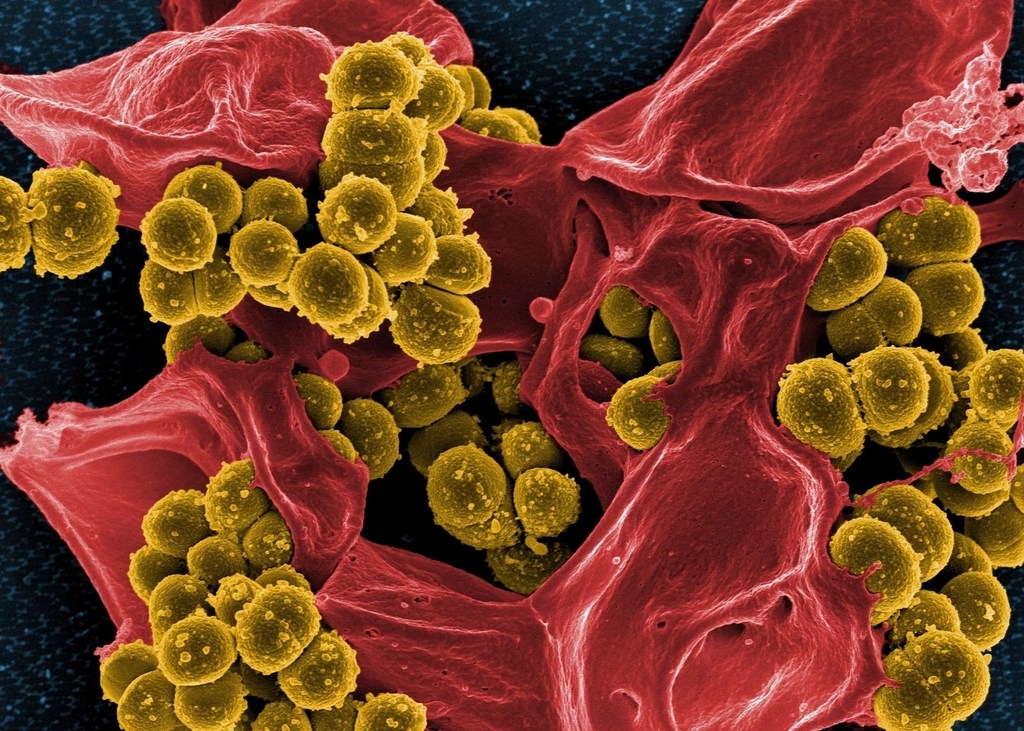
Old hands to this blog will recall our long standing worries about this organism. Normally Escherichia coli (named after the ingenious Dr Theodor Escherich) is a fine upstanding member of the microbiological community, being common in nature and a doyenne of experimental departments in microbiological schools. But certain strains of it are developing a profound resistance to our best antibiotics including piperacillin/tazobactam combinations. Which could have made it a very False Friend indeed. But now it seems that Dr King and his team have got ahead of the game.

Note the careful language, full admissions that peer review awaits, and generally understated claims that mark the true signs of trustworthy scholarship. How different from some situations where leaders of great nations go before the cameras and make huge unsubstantiated claims about phenomena of which they have no certain knowledge, But when you choose to believe only what you want to believe, fate has a nasty way of catching up eventually. Wait for the next blog and we’ll tell you more .

#E.coli #bacteriophages #AI #designer biochemistry #antibiotic resistance #microbiology #medicine #health

Hidden Dangers: The Conversation on PFCs

Today we unashamedly and wholeheartedly turn over our blog to a straight lift from The Conversation. And an excellent article from Professor Patrick Byrne of Liverpool John Moore University. Who has devoted his life’s work and formidable intelligence to tracking the sources of PFCs in the River Mersey (the one the Beatles grew up near)[1]

For those who want to come up to speed here are two paragraphs from Patrick’s article

Per- and polyfluoroalkyl substances (PFAS), more commonly known as “forever chemicals”, are a large family of human-made chemicals found in everyday products like food packagingwater-repellent clothes and fire-fighting foams. They are valued for their ability to resist very high temperatures and to repel water and oil, but these same properties make them extremely persistent.

Once released, some PFAS could take thousands of years to break down. They accumulate in the environment, build up – with different compounds accumulating at different rates – inside the bodies of wildlife and people, and have been associated with harms to health. The most studied types have been linked to cancers, hormone disruption and immune system problems.

And one elegaic, personal thought.Back in the 1960s when those same Beatles were growing up, the world was a different place. All those plastics and chemicals, now in Patrick’s rubbish dumps seemed part of a bright, dynamic new landscape of progress: a brave new world. There can indeed be progress, But be very careful how you go about it

#plastics #endocrine disruptors # PFCs #pollution #environment #toxins

More on undiscovered antibiotics in Nature

A few years ago we published a couple of blogs suggesting that the saliva of  Komodo dragons (Varanus komodoensis) might be a possible place to look for new sources of antibiotic compounds. (LSS 27 10 20; 6 9 21) Poor dragons! It now seems that their tantalising resistance to infection may be due to other factors than miraculous antimicrobial molecules. But at least it got us thinking:  might there yet be some useful aids to our antibiotic quest lurking out there, undiscovered?

The antimicrobial potential of some plants is quite well known. Garlic(Allium Sativum) turmeric Curcuma longa)and the tea tree(Malaleuca alternifolia) are classic examples. Best estimates suggest there are between 250 000 and 500 000 species of plant on out planet. Provided not too many are destroyed to make way for shopping malls, there may be hope of some more undiscovered potential among our leafy friends. [1] Turning to animals, our first candidate is the Matablele Ant (Megaponera analis)  They not only produce antibiotics from their metapleural glands,(what they?-ed) but they also diagnose infected wounds in their nestmates and apply targeted treatment. Their secretions contain over 50 antimicrobial compounds, some effective against Pseudomonas aeruginosa, a notorious human pathogen When Matabele ants are wounded, their cuticular hydrocarbon profile changes, signalling infection. Nestmates detect this and apply antibiotic secretions from their thoracic glands. This is the first known example of non-human creatures performing sophisticated medical wound care [2]. Other animals  such as frogs, insects, and marine life produce antimicrobial peptides (AMPs) as part of their innate immunity. These AMPs are being studied for their ability to combat resistant bacteria. And, if we were betting men, we might take a small punt on Sarcotoxin 1A and anti microbial peptide found in the saliva of flesh flies belonging, unsurprisingly, to the genus Sarcophaga [3]

Educated readers will recall how Alice met a Cheshire Cat in a wood. After imparting some words of wisdom, it vanished. But its smile remained. [4] So with our LSS dragon: it may be gone, but the smile of hope which it gave us lingers on.

[1] Plant Products as Antimicrobial Agents – PMC

[2] Ants produce life-saving antibiotics for treating infected wounds

[3] https://en.wikipedia.org/wiki/Sarcotoxin#:~:text=The%20proteins%20are%20present%20in

[4] Lewis Carroll Alice in Wonderland Chapter 6

#antibiotic molecules #ecology #habitat destruction #health #medicine #microbiology #tea tree #sarcotoxin

Mirror Organisms: the ultimate bioweapon?

Anyone who got beyond basic school science will recall the frustrating new level of complexity when the teacher first told you about stereoisometry. You recall-all biomolecules starting with the slightly complicated upwards really have two identical forms, left hand and right hand. Amino acids, proteins you name it. And life can only work with one. All amino acids in living things on this planet have left handed amino acids and right handed sugars. Of course living systems could work the other way round, It just has happened yet on this planet. Until now. Read this Debate heats up over mirror life from Nature Briefing

At a meeting this week in the United Kingdom, scientists are deliberating whether to restrict research that could eventually enable ‘mirror life’ — synthetic cells built from molecules that are mirror images of those found in the natural world. “Pretty much everybody agrees” that mirror-image cells would be “a bad thing”, says synthetic biologist John Glass. Such a cell might proliferate uncontrollably in the body or spread unchecked through the environment, because the body’s enzymes and immune system might not as readily recognize right-handed amino acids or left-handed DNA. But there are disagreements about where to set limits on research — the ability to evade degradation could also make such molecules useful as therapeutic drugs.Nature | 7 min read
Read more: Life scientist Ting Zhu, whose work explores various mirror-image molecular processes, considers how to bridge divergent views on such research. (Nature | 11 min read)

Unfortunately its the down size that worries us here, Not only the uncontrolled spread alluded to by the learned scientists above. But, as the world falls into the grip of authoritarian dictators and ever more powerful plutocrats, the potential these tools give them to get rid of surplus and redundant sections of humanity. Forever.

#isomers #biochemistry #bioweapons

LSS at 5:A blog of all our blogs

It’s funny, we’ve been doing this blog for more than five years now. And in response to growing numbers of readers and requests, we thought it might be time to provide a round up, not of the week, but of our whole outpourings which might be interesting to those who seem to have been trawling avidly through our archives of late.

It all started back in 2020, around the time of the great COVID-19 epidemic. Our initial aim was to raise awareness of the problem of antibiotic resistance in microbes, and the health dangers that posed. The idea was a short three paragraph hit the sort of thing that informed readers could take in over a quick coffee, while giving them a few links and references if they wanted to follow up. Just to keep it interesting, we started throwing in other topics on other areas of science. And these widened to include economics, social issues like women’s safety, and of course our regular Friday cocktail night, which certain readers still recall fondly.

Antibiotics and associated matters have remained well represented. We have looked for untapped sources in nature, even including the unlikely Komodo Dragon( LSS 3 5 21) the evolutionary arms race between bacteria and antibiotics which humans have been forced to join(LSS 8 6 23) and all sorts of new discoveries and techniques including AI (LSS 6 6 24) Being who we are, and untied to the constraints of any institution, we were quick to suggest that bacteriophages might be a useful adjunct to the general theme of overcoming resistant bacteria(LSS 17 3 22, 10 9 25 et al) Ever mindful that lack of antibiotics might not be the only catastrophe waiting we have provided handy little guides to what might happen if the magnetic poles flip, sea levels rise and even more endocrine disruptors are poured out from our factories. Other scientific tropes like evolution get a look in too. We enjoyed posing you a few puzzles on things like Homo naledi (LSS 4 4 21) the tools of Socotra (LSS 17 6 22) and even the possibility of Denisovan Fine Art( LSS 9 8 23) But these last were mainly for entertainment.

Our general theme has, we think been broad but consistent. The scientific method, of gathering objective evidence and analysing it by the rules of logic are the most reliable manner to fashion a passingly decent way of life. To this end you will have noticed is praise all kinds of people from journalists like Larry Elliott and Simon Kuper to more general thinkers like John Rawls, EO Wilson and Carl Sagan. We have tried to keep away from obvious stars like Darwin, Einstein, Bach, Keynes and the others as these thinkers speak for themselves. Instead we have tried to put forward slightly overlooked figures such as Ada Lovelace, Peter Ramus or Cassiodorus. Our Heroes of Learning feature is the place to look for those.

But above all we thank you, our readers, contributors and researchers for all their good companionship. All those who posts likes, shares and comments-it shows someone out there is interested. We wish all of you well with your various blogs, careers, lives and families. As Gore Vidal observed , it is the top one or two percent who carry knowledge through and pass it from generation to generation. And you are in it.

#antibiotic resistance #bacteriophages #environment #pollution #economics #history #evolution #science #reason #cocktails

Bacteriophages saved the life of this woman with cystic fibrosis

In 2023 Irene Nevado lay in hospital with little hope of anything much. She had been born with Cystic fibrosis. At he age of 8 she had contracted a persistent infection of Pseudomonas aeruginosa, which had filled her lungs with fluid, making them unusable. The bacterium was antibiotic resistant. And from that day on her life was filled with misery. All sorts of things were tried,: drugs, different antibiotics, even a lung transplant All to no avail. By 2023 she had come to the end of her road.

At this point Biologist Pilar Domingo-Calap enters the story( as told by the brilliant Nuño Domínguez of El País. For Pilar is an expert in phage therapy. She had been working closely with a team at the Centre for phage therapy at Yale in the USA. Together they had evolved a bacteriophage designed to attack and destroy exactly the strain of Pseudomonas which was plaguing Irene. They put her under ten days of treatment. The result? She now walks talks and leads as busy a normal active life as any human could wish for. She even does 4000m swims to raise money for cystic fibrosis charities. Bacteriophages saved the day.

We’ve often sang their praises here. And Nuño’s article is a brilliant summary of the current state of play, with lots of juicy links to big players, latest developments and so on. A go to for any one interested, although if you don’t speak Spanish you will need your AI translator. All in all it confirms the line we have always taken. Bacteriophage therapy is going to be a vital second method if we are to overcome antibiotic resistant microorganisms. Will you, dear readers, permit us a modest instant of self-congratulation?

[1]https://elpais.com/ciencia/2025-09-10/los-fagos-salvan-a-irene-que-recibio-y-rechazo-cuatro-pulmones-trasplantados.html

#bacteriophages #antibiotic resistant microorganisms #medicine #health #cystic fibrosis

CRISPR gallops ahead (article contains a warning for xenophobes)

Warning: this article may make uncomfortable reading for xenophobes everywhere)

Progress in CRISPR-Cas-9 (Clustered Regularly Interspaced Short Palindromic Repeats)[1] and the associated enzyme is getting faster and faster. We started reporting on this truly innovative technique in 2020 and regular readers will recall updates ever since. Only four years ago it still felt a bit theoretical. But now radical applications are coming thick and fast Read this from Nature Briefing CRISPR horses spark debate reporting on the rather recondite world of polo pony breeding

the horses pictured above{*} are the first of their species to have been created with the help of the CRISPR–Cas9 gene-editing technique. They are clones of the prize-winning steed Polo Pureza, with a tweak to myostatin — a gene involved in regulating muscle development — that is designed to quicken their pace. Critics say that genetic manipulation has no place among polo’s traditional breeding practices — it has already been banned by some of the sport’s governing bodies. But a zoo of CRISPR-edited animals, from cows to sheep, is gaining acceptance in agriculture.Nature | 5 min read

{*} sorry LSS readers-we can’t show this-ed

In one sense there’s nothing new here. Humans have been modifying the genetics of plant and animal species since the dawn of the Neolithic. CRISPR and other base editing techniques have simply speeded the whole process up by making specific, designed changes and crucial nodes in the subject organism’s development. There is every reason to suppose that any number of new modifications to animals(and crop plants such as wheat) will be developed in the next few years. Some may even enable us the preserve the integrity of food supplies despite the ravages of things like plastics pollution and global warming. Also, as we have also reported here, gene editing is beginning to show real applications in medical fields such as sickle cell disease and certain cancer therapies. All of which leads us to an intriguing thought.

If ponies may be so easily modified, why not humans? One could start small by just modifying athletes and other small groups. Yet eventually the techniques could become ubiquitous in our species. Hang on-our species? Because the genetic differences between beings consisting entirely of CRISPR modified genes and the rest of us would then be far, far greater than those currently existing between our different races and ethnic groups. Are xenophobes everywhere already wasting their own time?

[1]https://www.yourgenome.org/theme/what-is-crispr-cas9/

#CRISPR Cas 9 #base pair #medicine #biotechnology #sickle cell #agriculture #stock breeding

Driving drives Dementia

Cars, don’t you love them? They cost a lot of money, they run people over, they allow cities to sprawl out over the countryside. Now comes evidence that the pollution that they cause, along with many other sources of pollution it has to be said, may be causing a special form of dementia called Lewy Body Dementia. [1] Ian Sample of the Guardian reports on a massive study of 56.5 million patients carried out by Dr Xiaobo Mao of Johns Hopkins University in the United States. The team found that fine particulate matter called PM2.5 (LSS passim) caused proteins in the brain to form toxic clumps which slowly destroy nerve function leading to cognitive decline characterised by to memory loss, poor attention spans, visual hallucinations and sleep disturbance. The team went further and found the deadly particles induced similar symptoms in mice, confirming their evidence from population studies in humans .

When we did out background research for this article we were quickly overwhelmed by the amount of available evidence. This report [2] by the UK Government waxes lyrical on the different types of air pollutants-particulates, NO2 SO3, ammonia. and many more.. as well as the many symptoms the pollution causes in the human body. And this from the Alzheimers Society [3] puts the ball in the polluters’ court when it comes to neurodegenerative diseases particularly. We weren’t ever going to fit all that in paragraph two of a three paragraph blog, so we won’t try

What we will do instead is ask where does all this pollution comes from. Cars? Sort of. Factories? In a way. But the real source is a set of misguided economic policies which value growth numbers above all else. You have to have more growth than your neighbours or younare not reaklly worth anything at all. There must be more new cars, new washing machines new mobile phones, bright new shiny anythings, so that we can create a frantic cycle of production and consumption to prove how rich and clever and successful we are. But is the definition of the good life really to drive an overpriced automobile over concrete flyovers for a few years, followed by a long cognitive decline into dementia, really such a good life? Answers please-we’d love to hear them.

[1]https://www.theguardian.com/environment/2025/sep/04/fine-particulate-air-pollution-trigger-forms-dementia-study-lewy-body

[2]https://www.gov.uk/government/publications/health-matters-air-pollution/health-matters-air-pollution

[3]https://www.alzheimers.org.uk/about-dementia/managing-the-risk-of-dementia/reduce-your-risk-of-dementia/air-pollution

#automobiles #pollution #dementia #health # neurology

Two exciting new drugs for heart disease point a deeper lesson

News of two exciting new discoveries not only brings hope to cardiovascular sufferers around the the world. They also point the way to what has gone so terribly wrong and how despite everything, we could still get out of this mess.

First up is Baxdrostat, designed to reduce blood pressure. Sharon Wooler of the Daily Mail covers it here[1] As readers will instantly recall, it inhibits aldosterone synthase enzyme making it tough on hypertension and tough on the causes of hypertension. Yup, we guessed that was how it would work. Mmmm.

Next to the fore comes Clopidogrel, which is a doozy when it comes to preventing heart attacks and strokes: better than aspirin or so asseverates Andrew Gregory of the Guardian [2]Instantly we heard of the substance we asked” does it inhibit P2Y12 receptor on platelets?”-as any of you would have done, gentle readers, And the answer was: yes. It does!

The same Professor Bryan Williams and the same Conference of Cardiologists in Madrid cropped up in both stories, which we found confusing: but we have sorted it out for you gentle readers. All part of the service.

Oh yeah, what has gone wrong? Well, the fact is that both these drugs were developed using the scientific method. Which first needs long years of hard study to develop intellectual faculties like critical thinking, evidential assessment. probability theory and experimental design. Then many long hard hours in a laboratory learning to eliminate promising hypotheses and false lines of reasoning. This is a very different use of the word “research” to the activities of those who spend a few hours on the interweb, then jump to hasty conclusions which they spend the rest of their lives defending in an increasingly hostile aggressive and hysterical tone. it is this way of behaving which is slowly squeezing out scientific research. Cutting its funds and closing its laboratories. The longer it persists, the less new Baxdrostats and Clopidogrels there will be. And quite a lot more global warming.

[1]https://www.dailymail.co.uk/health/article-15050895/Game-changing-miracle-drug-slash-high-blood-pressure.html

[2]https://www.theguardian.com/society/2025/aug/31/doctors-find-drug-that-is-better-than-aspirin-at-preventing-heart-attacks-clopidogrel

#baxdrosat #clopidogrel #cardio vascular disease #heart #circulation #hypertensiion

How life evolved long ago is absolutely relevant today

Long suffering readers of this blog will recall our occasional sallies into the remote past. Like some latter day Doug McClure we occasionally take you into a world stuffed with dinosaurs, ape men and pterodactyls, to the detriment of more relevant stuff on antibiotics or the US Ten Year Bond. And so, although we were privately raving about this piece below called How did life get multicellular? from Nature Briefing, we thought we ‘d spare you from our private obsessions about things that took place between 800 -600 million years ago.

Until a chance encounter with one of more intelligent friends in the car park at our Spanish Conversation group produced the most inspiring thought. “All those Choanoflagellates. protometazoans. Filasterea. whatever, have to do several things if they are to succeed in living together. To glue up to each other. To signal little messages. To co-ordinate the cycles of cell division. Just like cancer cells have to, in fact. And then it hit us. These funny little organisms are the perfect way to model the behaviour of cancer cells. Not just the molecular and genetic mechanisms, but also the Information and Complexity models we must build to understand them: a cancer cell is a typical metazoan cell gone wrong.

Which confirmed a very old principle of this blog. All research however abstruse it may seem, will have a pay off somewhere one day. If it doesn’t benefit the economy, it will make us live longer; sometimes it may do both. These researchers are not just having fun on the edge of time: they may be contributing directly to the study of a disease which will kill half of us. There’s a thought for anyone who wants to cut university budgets or meddle with the findings of scientists.

To play out we shall first post the Nature Briefing paragraph. If you can get past that we’ve some supporting evidence for our basic proposition. We hope both will inform

Across all forms of life, the move from being single-celled to multicellular seems to have happened dozens of times — for animals, though, the jump was one-and-done. The unique cocktail of environmental and genetic factors that helped animal ancestors make that jump still eludes our understanding. To investigate, researchers are focussing on unicellular organisms that ‘dabble’ in multicellularity, occasionally forming colonies of many cells. By studying these organisms as they flit between the two states, scientists are hoping to illuminate how multicellularity stuck in animals — and what sparked the single successful event that gave rise to the animal kingdom.Nature | 11 min read

ASTRACT BECOMES APPLIED

This work discusses how cancer disrupts the gene regulatory networks (GRNs) that evolved to coordinate multicellular life. These networks balance genes inherited from unicellular ancestors (handling basics like metabolism and division) with newer multicellular genes (handling coordination, differentiation, and tissue integrity). https://genomebiology.biomedcentral.com/articles/10.1186/s13059-024-03247-1

and this how somatic mutations in early metazoan genes specifically disrupt the regulatory links between unicellular and multicellular gene networks. The result? Tumours behave like rogue unicellular entities, ignoring the cooperative rules of multicellularity. Some of these disrupted genes even correlate with drug response, hinting at therapeutic relevance

thanks to R Muggridge

https://elifesciences.org/articles/40947

#cancer #evolution #multicellularity #medicine #health #choanoflagellates