Autism: How many types?

Readers will recall the ancient controversy over claims that Autism was caused by the MMR vaccine. We didn’t believe those claims much then, and probably even less so now. But amid all the shouting we think that a point was missed. Is there really a single psychiatric condition called “autism”; or does that word conceal more than one condition lurking underneath?(see also LSS 28 8 25; 15 5 25 et seq)

Michael Marshall examines this question in a wide ranging article for the New Scientist[1] Now : when you do things as well as Marshall and the New Scientist do, you’ve every right to put it behind a paywall. So for those of you who can’t go round we’ll zoom in on two of the more intriguing research projects MIchael discusses, as they also hint at another topic we’ve also covered recently: but see below for that.

Firstly: what really does lie beneath the word autism? In different studies Dr Conor Liston and Dr Natalie Sauerwold were both able to group people with autism into four reliable categories according to the traits which their subjects presented. Unfortunately, the two classifications that each scientist came up with did not always overlap . But both teams were using different techniques: and of course this work is very new. Intriguingly for LSS readers Dr Liston also found

That brain regions with altered circuitry in autistic people……also showed characteristic changes in gene expression……

But being a good journalist , Michael warns us against over interpretation here. Modifications in neural architecture may not be caused solely by underlying genes: they could also be due to the brain re-wiring itself, to compensate for defects in an entirely different region, whose construction is the responsibility of an entirely different set of genes.

Hardened members LSS community will recall our enthusiastic blogs ( LSS 15 12 25; 29 2 25) wherein we discussed the exciting findings which do indeed hint at a demonstrable link between gene frequencies and reliable patterns of behaviour. Neither those findings, nor these ones on autism, are yet conclusive. But they show which way the wind is blowing: and we think it is in a hopeful direction

[1] https://www.newscientist.com/article/2509117-what-if-the-idea-of-the-autism-spectrum-is-completely-wrong/

#autism #psychiatric disorder #neurological disorder #genetics

Devi Sridhar on weight loss drugs: another class in careful thinking

If one thing has captured the zeitgeist this year , it’s weight loss drugs. You know the ones like semaglutide which mimic the effects of the hormone GLP-1. Everyone’s talking about them, half of everyone’s thinking of trying them, everyone knows someone who has started a course. Certainly an up-to-the minute, contemporary cutting edge (that’s enough adjectival phrases-ed) blog like LSS cannot afford to ignore them. But what to think? Who has the wisdom, the learning, the cool balanced judgement to advise, consult and warn?

The answer of course is Professor Devi Sridhar, whose sagacious thoughts we have channelled here before (LSS 3 4 25;23 8 24) on matters as diverse as antibiotics and how to read things you find on the Interweb. Writing in the Guardian[1] she presents not only a balanced view of the pros and cons, she acknowledges the complexity of the subject. In this she echoes the methods of another writer we have admired here. Simon Kuper (LSS 28 5 25)

And so she notes the advantages and disadvantages of these new drugs- what happens when you stop taking them? -is one caveat among many which she offers us . She smiles at The incipient war between the pharmaceutical companies who want to flog you these things, and the vast food and catering industries who want to flog you things which will make you fat. And above all the awful dilemma faced by decent rational people such as the World Health Organisation. Who know the real problem of obesity is rooted in poverty, ignorance, conspicuous consumption and other cultural tropes which reveal such unflattering truths about humanity. But who nevertheless have come to feel, reluctantly, that the new drugs offer the only practicable solution to the epidemic of obesity that threatens public health world wide. Amd perhaps this is the clearest cognitive lesson of all which she offers. For it echoes the doctrine of the great John Maynard Keynes who stated: “when the facts change, I change my mind. What do you do sir?”

A worthy doctrine for Whigs, rationalists and progressives of all shades, everywhere.

[1]https://www.theguardian.com/commentisfree/2025/dec/31/world-health-organization-anti-obesity-jabs-2025?CMP=Share_iOSApp_Other

[2]https://uk.news.yahoo.com/weight-loss-jabs-conditionally-backed-135200252.html

#obesity #public health #weight loss #poverty #lifestyle

LSS v The Guardian: Clash of the Titans. And the battleground is antibiotics

Readers of LSS, we present today a true clash of titans: us versus the popular daily newspaper The Guardian. For they have just published a leader article on antibiotics progress which takes an altogether different view to our own sunnily optimistic piece (LSS 18 12 25) about humanity’s general progress in solving the problem of antibiotic resistance. [1]

Avid readers will recall our effort well. Riffing on the work of the guardians very own Kat Lay (brilliant writer) we noted how the new antibiotics Zoliflodacin and Gepotidicin offered startling new horizons in the battle against gonorrhoea and other other unpleasant diseases of-well you know, down there, as they say. We hoped that, as antibiotics for these diseases had been developed, those for other diseases might soon follow. And thanks to Ms. Lay, we discovered the work of the Global Antibiotic Research and Development Partnership (GARDP) whose work we will now champion for ever more. All in all, everything was in a much better place than when we started this crusade, eleven long years ago, we concluded.

Not so fast, says The Guardian. Humanity may actually be losing the race to develop these new drugs. Since 2017 only 16 new antibiotics have achieved approval, and none of them are very different to the old ones. Which means resistance to them can be expected very soon. Point to them, we concede. They namecheck GARDP again, noting its work as a positive. But that the financial structures designed to encourage pharmaceutical companies to step up to the mark are still rather new. And-more points to the team from York Place- there is a rather incisive survey of where all these new antibiotics are to come from. Old LSS favourites like natural sources and AI modelling are acknowledged. But they are not all-curing magic wands. And what to do with any new antibiotics anyway? Ration them carefully, so that resistance develops more slowly? How do you do that in a world of billions, where people and information flow so freely, and the profits of piracy are so temptingly in reach? Gentle readers, your editors did not think of those ones fully either.

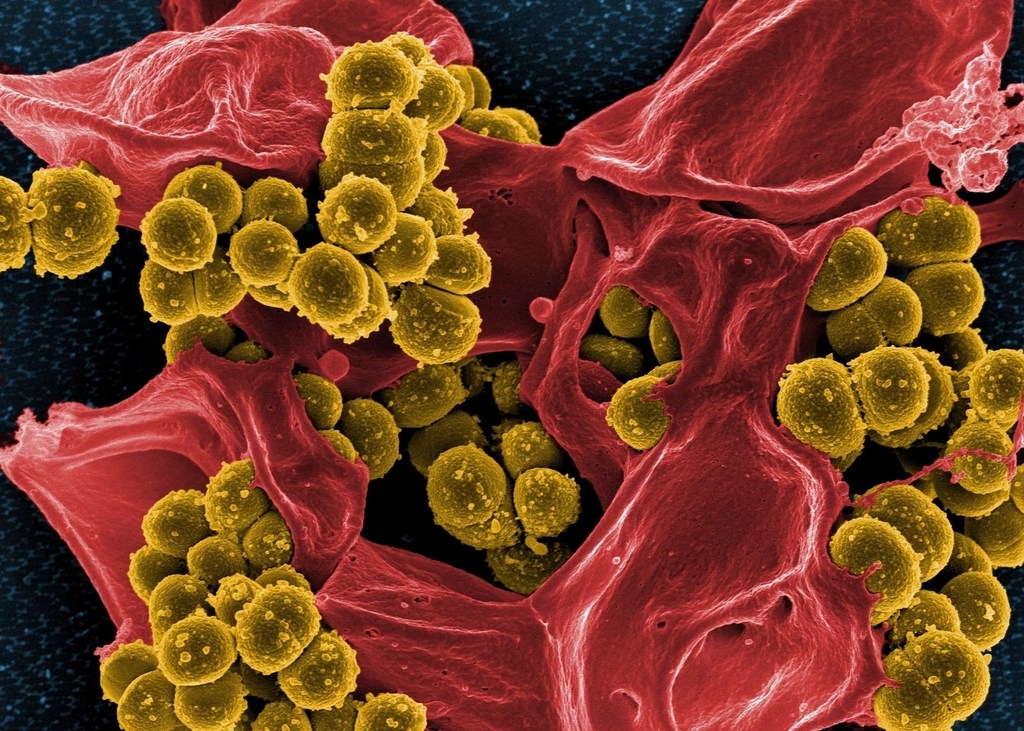
OK, we throw in the towel. Guardian 3 LSS 0 (FT). When it comes to superior knowledge, close reasoning and intellectual power, they have got us beat. But we take consolation gentle readers, When the genetic dice roll, they roll evenly. They got all the brains. We got all the charm and good looks. As the last picture above demonstrates very clearly. And yes- we promise another cocktail recipe before New Year.

[1]https://www.theguardian.com/commentisfree/2025/dec/29/the-guardian-view-on-antibiotics-recent-breakthroughs-are-great-news-but-humanity-is-losing-the-bi

#antibiotic resistance #antibiotics #health #medicine #microbiology #epidemiology #GARDP

More startling news on psychiatric disorders-and we think it’s even better than last time

It is our honest opinion, patient readers, that the terrible problem of psychiatric disorder is on the point of being understood. On the same level that is, as illnesses such as measles, salmonella poisoning or scurvy. We think we know why, as we will explain below. But first to the work which gives us this hope, following as it does on our recent blog Psychiatric Disorders: is this a game changing moment? (LSS 18 12 2025)

Writing for the Guardian, David Shariatmadari reviews The Divided Mind by Edward Bullmore, a profoundly learned man who has devoted his life to investigating and alleviating the sufferings of those afflicted by mental disorders. It is a sweeping book, magisterially covering the disputes between the warring schools of thought and the decades of honest but often misguided attempts to effect cures and diagnoses. Too much to cover here, but we implore you to read the review, if not the book itself [1] [2] But, in a nutshell, it was this passage that truly excited us

(shariatmadari notes the remarkable process in understanding diseases like TB),then :

Schizophrenia may finally be on the cusp of that transformation – something truly momentous, given the puzzle this strange and brutal disease has posed for so long. As Bullmore carefully explains, advances in scanning, maths, genomics and immunology have piled up to give us a clearer understanding of the illness. It is probably caused by the abnormal development of brain networks in childhood and adolescence; this, the evidence suggests, happens under the influence of immune dysfunction, and the cause of that is variation in a broad range of genes, interacting in particular ways with the environment. Triggers can include infections, abuse, social stress or drug use.

And now for why we are so hopeful. We genuinely think that the work of Bullmore, and the scholars covered in the last blog, suggest that at last a new paradigm has formed. It has only been possible because of advances in disciplines like Immunology, complexity theory, genetics and catastrophe theory, and the technologies to support the vast data sets which this new learning requires. And with them should come the key concepts of robust diagnosis, risk factor, causal mechanism and, please, God-lasting ameliorations. We stress again that we do not belittle the heroic efforts of past investigators, who did not have the tools now available. New paradigms never make the old ones wrong. But they suddenly solve the problems the last one could not, and open the way to new lines of discovery which the old one could never have predicted. Einstein did not refute Newton, he simply went beyond. And it was the same for thinkers like Darwin, Kepler and Planck. It is our honest opinion that another such paradigm shift has arrived, gentle readers, We hope it will make the life of the world better too,

[1]https://www.theguardian.com/books/2025/dec/17/the-divided-mind-by-edward-bullmore-review-do-we-now-know-what-causes-schizophrenia?CMP=Share_iOSAp

[2]The Divided Mind: A New Way of Thinking About Mental Health by Edward Bullmore is published by New River (£20). To support the Guardian buy a copy at guardianbookshop.com. Delivery charges may apply.

#psychiatric disorder #health #immunology #genetics #complexity #disease #medicine

Psychiatric Disorders: Is this discovery a game-changing moment?

Why can we not do more to address psychiatric disorders? We have always regretted the lack of a robust model which links biological cause to behaviour (LSS 11 5 22;14 9 24 et al) Without this treatment can never achieve the same efficacy as it has for thousands of “physical” disorders such as infectious diseases, cancers or deficiency diseases.

Today It is our earnest hope that all this may be about to change. Read this Hidden links between psychiatric condition from Nature Briefing

DNA data from more than one million people suggests that the genetic risk factors linked to many psychiatric conditions fall into five clusters that cut across current diagnostic boundaries. For example, attention deficit hyperactivity disorder and autism, which are classified as separate conditions, both fall into the neurodevelopmental category. The findings hint that the fact that people tend to be diagnosed with multiple disorders at once is a reflection of shared underlying biology, and could help to create a more biologically based way of understanding psychiatric conditions.

Nature | 5 min read
Reference: Nature paper

If this work can be confirmed and extended, then it offers a tantalising possibility: this particular observable gene cluster is associated with this set of behaviours. And not another set of behaviours, which turn have their own identifiable gene cluster. Simple. Robust. Falsifiable. Empirical.  What’s more, the clusters seem to make a curious rule-of-thumb sense.  One for neurodevelopmental disorders such as ASD and ADHD. The second for internalising disorders such as anxiety, depression and so on. A third for compulsive ones like OCD and anorexia. A fourth for psychotic ones such as bipolar and schizophrenia   And a fifth for substance abuse disorders. Simply put , each cluster may have particular underlying neurological architecture. In which case the underlying mechanism may be discerned; and treatment found.

Now for the caveats. First of all, it’s early days and we need to see how the work holds up against existing diagnostic frameworks. Secondly, only a fool would rule out epigenetic and environmental contributions to psychiatric malfunction. As for the thought of any treatments based on the new findings-well, they have to be decades away if possible at all,.

And yet….to end on a personal note. Nothing is sadder, nothing so moves us as seeing yet another lost soul, another hopeless cry for help, in the face of a victim pf psychiatric disorder. And to know the terrible sufferings imposed upon themselves, their families, carers and the professionals who come up against them, which includes anyone from emergency service workers to housing professionals. And to know that nothing can be done, despite the whole of modern science and learning. But now, just maybe, we have a real game changer on our hands, There is something to pray for this Christmas.

#psychiatric disorders #mental health #medicine #neurology #health #society

New antibiotic for gonorrhoea: more good news for antibiotic resistance fans everywhere

Once more we feel that things are moving in our direction. And just in time for Christmas too! Thanks to a story by the redoubtable Kat Lay of the Guardian, we bring you news of not one, but two new antibiotics, gentle readers. Both Zoliflodacin and Gepotidacin have passed major trials and have been approved this very month by the US Food and Drug Administration. Always a major step in their progress to world-wide use.[1]

We will keep our bit short today. Kat’s excellent story is a lucid and succinct presentation of all you need to know-infection rates, strains, statistics and the marvellous groups of educated, open minded people who have worked so hard to get humanity to this stage. Suffice it to say you might wish to learn more about Global Antibiotic Research & Development Partnership (GARDP)  who seem to be just the sort of people we have been hoping to have around in this crisis (thanks for that, Kat) So, go on-click.

Hardened fans of LSS and the antibiotics resistance community in general will be aware of our earlier thoughts on this aspect of the problem(LSS 19 2 24; 12 9 24) It is a genuine pleasure to see advances being made, and not just in STDs, after more than ten years of campaigning. The antibiotics crisis is not over yet; but compared with where we were about 2015, this feels better. So, although we are not going to let up, enough time has been bought to devote a little of it to another of our bêtes noires: the intractable mystery of mental illness and its causes. But this time, we think there’s hope there too. Don’t miss our next amazing blog.

[1https://www.theguardian.com/global-development/2025/dec/16/health-antibiotic-resistance-drugs-superbugs-sexually-transmitted-gonorrhoea

[2]https://gardp.org/

#antibiotic resistance #microbiology #health #medicine #bacteria #STD #GARDP

Now AI is designing antibodies too

Do you understand the human immune system, or the even vaster world of immunology? Neither do we. Too big, too vast, too complicated. And that’s despite 43 years of trying and working along side some pretty nifty immunologists, back in the day. But AI does, Fresh from its triumphs on protein design (LSS passim) its superior intelligence has now been turned on the knotty problem of how to run up new antibodies. Read this, AI designed antibodies race towards trials from the indefatigable Nature Briefing

Scientists say they are on the cusp of turning antibodies designed by artificial intelligence (AI) into potential therapies just a year after they debuted the first example of an entirely AI-designed antibody. Previously, the structure of antibodies proved somewhat of a black box to AI models. But new and improved models — such as an updated version of AlphaFold — have more successfully predicted the shape of flexible structures that give antibodies the specificity they need to bind to foreign molecules. Researchers at several companies now say they’ve designed ‘drug-like’ antibodies. Nature | 5 min read

There’s a lot to unpick here, and we won’t try to do it all. The first thing that stands out is how quickly this is moving from proof of concept to clinical reality, The second is that the possibility that designed antibodies will target receptor sites hitherto off-limits to their natural predecessors. Think infectious diseases first, and rightly. But the implications for cancer therapy -and dare we hope, neurodegenerative diseases?- are clear after a moment’s reflection. Designer antibodies will greatly reduce the need for much animal immunisation and testing. And, perhaps a best of all, a thriving commercial ecosystem of start-up companies is beginning to form around the new learning, ready to turn it into everyday reality in a hospital or medical prectice near you, gentle reader.

Although we can’t claim credit for these advances-you all know us too well- we think it striking that they have come from the qualities we prize . Careful observation. Null hypotheses testing. Slow steady work. And always looking for what proves you wrong not what proves you right. Those qualities are what save lives and generally make them better. A shame that they are being abandoned now by a hysterical ignorant population and so many of its foolish leaders.

#immunology #antibodies #medicine #health #cancer #disease #biotechnology

Round up: MAGA psychology, strange new cells, how to become a teetotaller….and much more

We said we’d stopped doing round ups: but here goes anyway:

It’s about the psychology, stupid! George Orwell once noted that peoples’ political and religious beliefs often reflect their deep underlying emotional preoccupations. Which is why facts and reason so often fail to change minds. Never have we seen this argument so convincingly demonstrated as in this this short article by Magnus Linden, Claire Campbell and Fredrik Bjorklund for The Conversation: Maga Explained: How Personality and Context Shape radical Movements

The Unexpected was hiding in plain sight We always like it when that happens (remember birds and dinosaurs?) Now the inestimable Nature Briefing has a tale of how astrocytes, those formerly humble and overlooked cells of the brain may be pretty important after all The Silent Cells within our brains:

Astrocytes make up one-quarter of the brain, but were long thought to be merely the supporting act for the stars of the cognitive show: neurons. Now astrocytes are emerging as key players shaping our behaviour, mood and memory. The cells seem to orchestrate the molecular mix in the environment around synapses, varying that mix according to brain state — how alert or awake the brain is, for example. This, in turn, can determine whether neurons fire in response to a signal coming across the synapse. “Neurons and neural circuits are the main computing units of the brain, but it’s now clear just how much astrocytes shape that computation,” says neurobiologist Nicola Allen.Nature | 11 min read

Can GLP help you give up the booze? Sticking with Nature Briefing, that go-to source for science news of all kinds, we noticed this riff on all those weight loss drugs everyone seems to be taking lately, No wonder there’s no one left in the pub. Can GLP-1 drugs treat addiction?

Scientists are testing whether blockbuster drugs that mimic the hormone GLP-1 — sold under brand names such as Ozempic and Mounjaro — can help to cut cravings other than those for food. For years people prescribed GLP-1s for diabetes or weight loss have shared stories about finding themselves suddenly able to shake long-standing addictions to cigarettes, alcohol and other drugs. Now, data are starting to back them up, with results from more clinical trials expected soon. “At the end of the day, the neurobiological system that is activated by rewarding substances — food, sex, drugs, rock and roll — it’s the same system,” says psychopharmacologist Roger McIntyre.Nature | 11 min read

Will we ever lose our Bonds? We have noted before how deeply in hock governments around the world have become since the 2008 crisis and COVID 19. But better minds than ours, more deeply learned, have known it all along. Here’s Richard Partington writing before the Budget, Aditya Chakraborty afterwards: plus we wanted to give you Katie Martin of the FT too, but couldn’t get past the paywall.

https://www.theguardian.com/uk-news/2025/nov/24/bond-market-power-rachel-reeves-budget?CMP=Share_AndroidApp_Other

https://www.theguardian.com/commentisfree/2025/dec/02/misleading-rachel-reeves-budget-labour-bond-markets

Action at a distance? We don’t do a ;ot of physics here, sadly, so we hope this intriguing article about quantum entanglement from Jara Juana Bermejo Vega of El Pais will go some way to making amends. English monoglots be warned: you will need your translator app

https://elpais.com/ciencia/las-cientificas-responden/2025-12-01/el-entrelazamiento-cuantico-puede-explicar-fenomenos-de-comunicacion-a-distancia-entre-gemelos-o-de-un-hijo-con-su-madre.html

Forgive us breaking our promises but we felt these stories were so intriguing that we’d toss them at you and let you make up your own minds

#neurobiology ##psychology #GLP-1 #alcohol #drugs #MAGA #politics

Why taxes are good for you #4: health and safety, guvnor

Ever since our earliest youth, Budget Day in the UK has always been accompanied by a chorus of cantankerous moaning “They’re putting a penny on me beer! He’s puttin’ tuppence onner packet o’ fags!” Spurred on as ever by a less than objective nor benevolent right-wing media, this was taken as firm evidence of a creeping Communist plot, designed to strike at the very foundations of British Manhood. But they paid; then many died of cancer or other hideous diseases. For the evidence they chose to ignore was overwhelming:  such taxes were good for their health. A 50% rise on tobacco tax leads to substantial declines in smoking, with all the falls in things like lung disease, cardiovascular disease and the many other ills associated with the widespread consumption of the drug nicotine. Regular readers will not be surprised to learn the same is true of alcohol taxes. The literature is vast, but we hope that the  studies which we have included will give you a starting point.[1] [2]  And add : will future societies discover the same truth with regard to sweet foods and drinks?

What is true for the particular turns out to true for the general. You don’t have to read this blog for long before coming across the names of Richard Wilkinson and Kate Pickett and their seminal work The Spirit Level.[3]  Taxes, they admit  create more equal societies. And more equal societies experience a truly amazing number of health benefits when compared to less equal ones. Obesity, childhood health, life expectancy, reductions in crime-all have been the subject of careful longitudinal and randomised studies which confirm the thesis of their book. Which advances in turn lead to more money available for better health care services, leading to less obesity, better child development……no, we’ll leave it there.  You know what a virtuous cycle looks like. .Again, our references barely scrape the surface of what’s available[4] [5]. But we’ll trust you’ll do a little digging yourselves rather than take our word for all of this

Which leaves it hard to write a concluding paragraph when those conclusions are so obvious both to intelligent readers and patriots. For what can be more patriotic than to promote the health and well being of the society in which we are grounded?  But. as we saw in the last blog, patriotism comes at a cash price, and you need an economy to pay for it, And in the next blog in this series we will learn that without a government and the taxes it collects, you will not have an economy at all. Don’t miss it.

[1] The Case for Health Taxes Masood AhmedMinouche Shafik  World Health Organisation

[2]  Estimating the effect of transitioning to a strength-based alcohol tax system on alcohol consumption and health outcomes: a modelling study of tax reform in England – The Lancet Public Health The Lancet

[3] Richard Wilkinson and Kate Pickett The Spirit Level Penguin 2009 updated 2024

[4]A UK wealth tax for better health | The BMJ

[5]Does income inequality cause health and social problems? Oseph Rowntree foundation

Stem Cell Therapy: Lamarckism by Force Majeure

First of all hats off to Oliver Chu, the brave boy from California who has just undergone a successful trial of stem cell therapy for a terrible condition called Hunters Syndrome. [1] as Ian Sample of the Guardian explains. It’s caused by a simple mutation in a gene called IDS-1 which controls the production of a vital enzyme Iduronate-2-sulfatase; without which the body cannot break down key sugars, leading to organ damage of all sorts and cognitive decline. The trick has been to extract the stem cells from Oliver’s blood: replace the faulty gene with a true copy using a viral vector; and pop them back in to Oliver, whenceforth they will thrive happily, self reproducing from their own line, and producing bountiful quantities of the enzyme for life.

And this for us is the key part. Let’s repeat : the new stem cells with the engineered gene will start their own self replicating line. In Oliver. Now Oliver himself started from a single stem cell-a single fertilised ovum, as do all living things. With DNA that was used to build every single following cell as it grew . An Ur stem cell if you like. But now. young Oliver has two. All the cells from his original cell, Plus the new line, from the engineered stem cell. whose line is now flooding his system with the good enzyme..

The central tenet of biology up to now is that we all of us-tigers, pterodactyls, humans, whatever-have a single unmodifiable line of DNA in our cells. Random variations may be passed to the next generation and tested by Natural Selection. But the actual DNA deep in the cells cannot be changed or modified. That’s the Darwinian positioned its held up pretty well for centuries. The alternative, proposed by Lamarck is that organisms are modified by the environment and this information can be learned inthe genes and passed on. So far there has been no evidence to support this view whatsoever . But what if the environment contains clever humans who can choose to modify DNA, and thereby create what are in effect hybrid organisms with two separate DNA lines-like young Oliver? Is this Darwinian? It’s not how it happens in nature, and its been done by force majeur. But it sounds a lot like Lamarckism from where we sit.

[1]https://www.theguardian.com/science/2025/nov/24/groundbreaking-uk-gene-therapy-manchester-hunter-syndrome

#stem cells #hunters syndrome #darwin #lamarck #evolution #medicine #health