
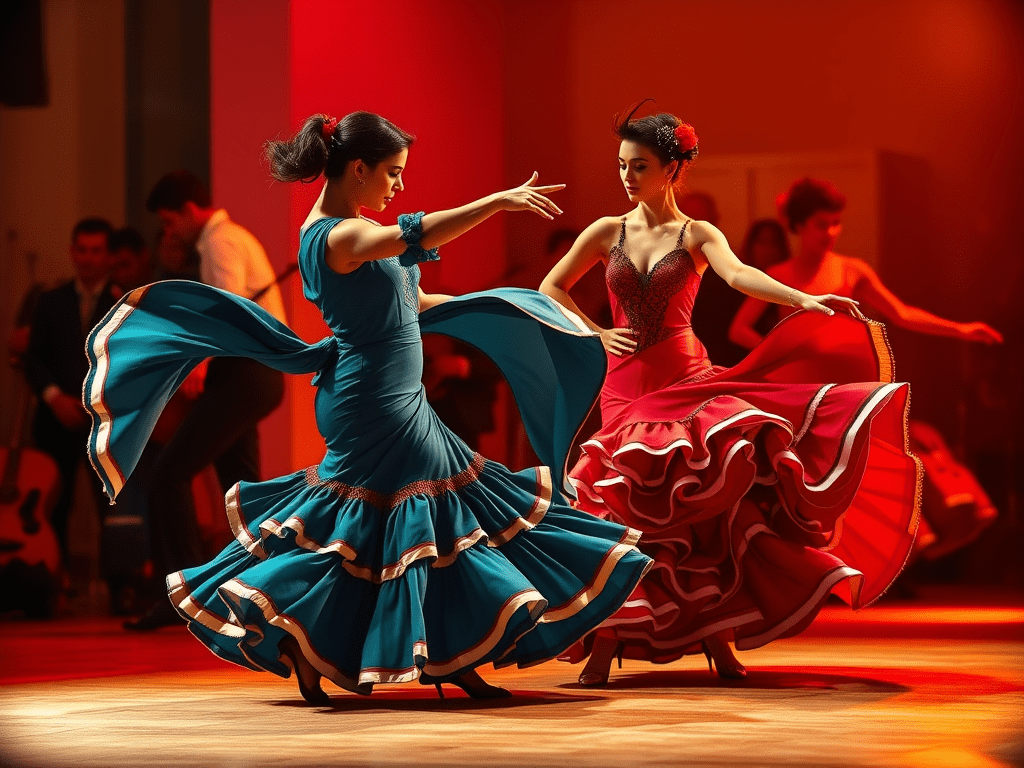
“We’ve just got back from Spain” To those growing up as a child in 1960s London, especially in poorer working class districts, those words rang with magical prestige. Few of us had even been on an aeroplane, let alone to somewhere as warm, as sunnily sandy, and as downright distant as Spain. If you were lucky enough to have a holiday at all it would be a week in a Victorian boarding house in some windswept grey town like Blackpool or Bognor Regis. But these lucky people brought back tales of modern hotels with receptions, swimming pools ,and bars, just like the ones in James Bond films. And the artefacts! Curious little black bulls in hollow plastic. Dolls in exotic flamenco costumes, arms frozen in some eternal paso doble. And funny china jars with a picture of Minorca on them, drinking cups to match. Which, they proudly informed us, were all for the drinking of Sangria. A taste for it was born; and we think it still remains one of the best parts of an Iberian holiday today (you can get it in Portugal too)
The aim is to make it with lots of ice, so that beads of dew form on the outside and trickle down in the hot Spanish night to the sounds of a flamenco guitar(these days it’s more likely to be Rosalia or Aitana; but no somos nadie as they say in that country) After all the ice, there as many variations on the theme as there are bars in Benidorm. This BBC recipe produces an out come as good as any which we have tried down the years. [1] 3 parts of a good full red wine such as one from the Duero or Rioja, one part of orange juice and two of lemonade will get you over the line. After which you can add the sorts of fruits you want, though it being Spain and all that, oranges and lemons seem almost statutory. A little twiglet of mint will give the whole things a most Pimms like ambience, and the scaling up possibilities for two to fifty drinkers are manifest.
The word sangria of course comes from the Spanish word sangre, or blood, as anyone who has holidayed in somewhere like Magaluf or Torremolinos will recognise at once: a reference to the deep red colour of the wine. There are records of something like it in eighteenth century Spain and Portugal. Though the Romans had been experimenting with similar wine punches long before. Don’t accept ones made with rose or white. they are poor imitations , avoided by locals and experienced costa hands alike And so, even though the nights are drawing in we raise a metaphorical copa of the stuff to you all gentle readers, and hope it evokes memories of happy sunny holidays. Thanks again for all your comments, ideas and other general feedback.
[1]https://www.bbc.co.uk/food/recipes/sangria_93847
#Spain #Portugal #sangria #wine #holiday #costa













 Learning, Science and Society