We offer a massive and unconditional apology for Nitrogen

We think we owe you a truly massive overwhelming  apology, gentle reader. And this is why.

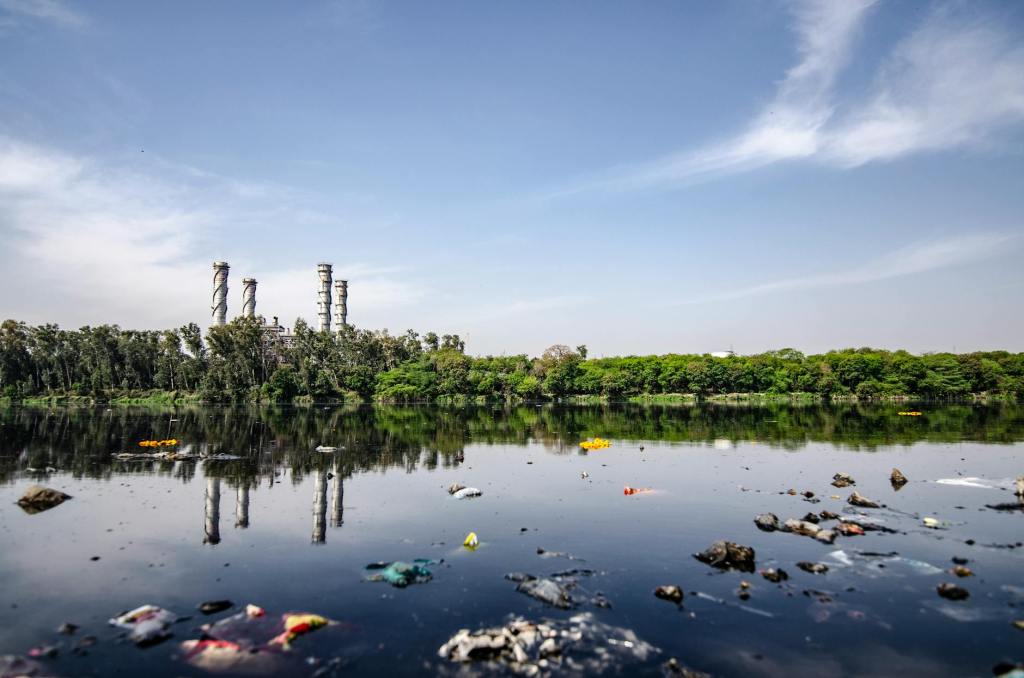
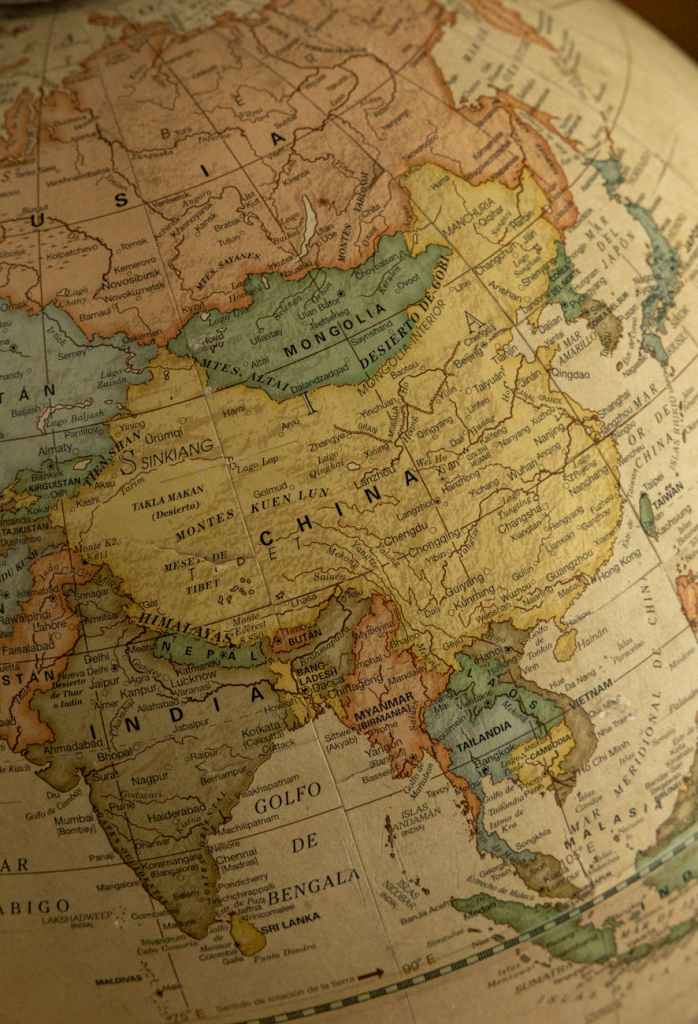
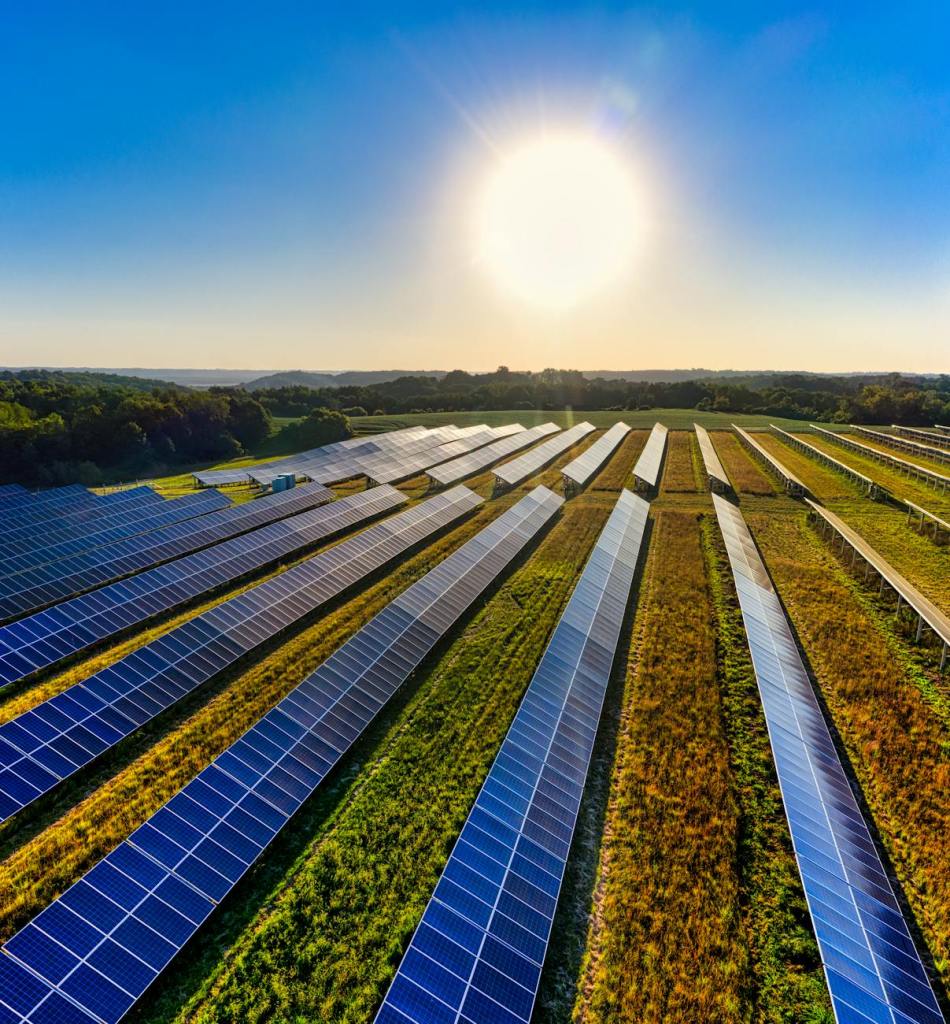
“Will the world end with a bang or a whimper?” is a question we’ve covered before here. We’ve even mentioned a  few possibilities such as  magnetic flips ,exploding volcanoes and more  insidious effects like  pollution and pandemics.  (LSS passim)Yet it was while researching another topic entirely that we came across a wholly unexpected and entirely man-made problem that we thought you should know about: Nitrogen, [1] [2]and its derivative compounds which has been unleashed on an unprepared world in uncontrolled quantities for over a century. The reason it’s rising so fast is simple: we are manufacturing and releasing unprecedented quantities of reactive nitrogen—fertilisers, manure emissions, industrial by‑products—far beyond anything the planet’s natural nitrogen cycle ever evolved to handle.

Why so much? Because the Haber–Bosch process unlocked a torrent of synthetic nitrogen, and agriculture embraced it as a miracle. Global production of reactive nitrogen has soared to many times its pre‑industrial level. Locally, this can boost yields, but it comes with a hidden price: soils become chemically dependent, losing the microbial communities that once fixed nitrogen naturally. Excess nitrogen washes into rivers, fuelling algal blooms and dead zones; it volatilises into nitrous oxide, damaging the ozone layer; it accumulates in ecosystems, favouring a few aggressive species while starving others. And things are never so bad that they don’t get   worse. Nitrous oxide is  the quiet heavyweight of greenhouse gases.  molecule for molecule, it traps far more heat than carbon dioxide and lingers in the atmosphere for over a century. It’s also the single largest ozone‑depleting emission humanity still produces. And yet most people barely register it.  So what looks like abundance at the farm gate is, at planetary scale, a metabolic overload.

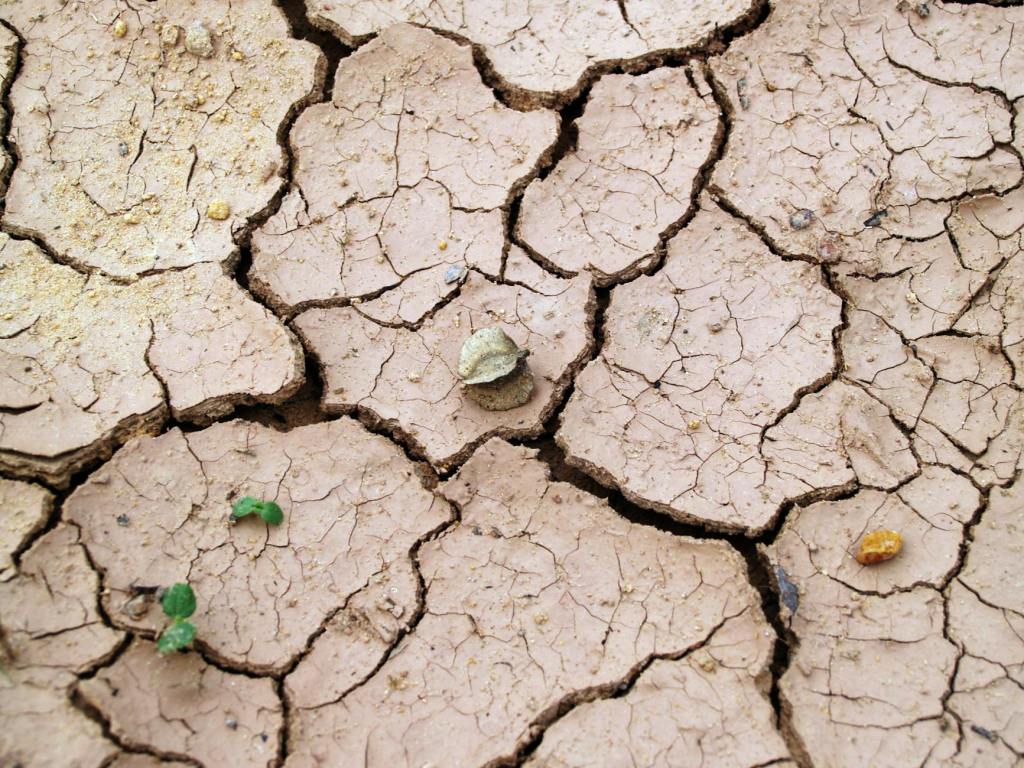
And this is the deeper tragedy: millions of farmers, each trying to solve a local problem—how to feed crops, how to secure a harvest—collectively drive a global destabilisation of the nitrogen cycle. We’ve built a civilisation addicted to excess nitrogen, and the system now expects those inputs just to function. The long‑term risk is that we push soils, waterways, and atmospheric chemistry past thresholds that cannot easily be reversed. What began as a triumph of human ingenuity has become a planetary dependence, and the bill for that dependence is only just beginning to arrive. A silent catastrophe of soil degradation, desertification, wetland collapse (LSS 28 5 24),biodiversity loss from nutrient overload, and fisheries collapse.

And  now for our apology, gentle readers.  For several years now we have been repeatedly warning you of the dangers posed by antibiotic resistant bacteria and climate change. We had not a single idea about this nitrogen crisis building up all around us. None whatsoever, We profoundly and unreservedly apologise to all of you-readers, contributors researchers and hard working staff, even the ones in HR. And we say this-never will such an oversight happen again in this mighty organisation. But do not be alarmed.  From now on we will search the world ceaselessly to bring you news of fresh perils, unexpected lethal dangers which may be lurking ready to wipe us all out Or if not that, at least reduce the handful of survivors to subsistence-level barbarism in a lawless, violent post-apocalyptic world.  We think we may even have uncovered a few already. Follow us if you want to know more about what they are.

[1] Anthropogenic-driven perturbations on nitrogen cycles and interactions with climate change (2024)Gong, Kou‑Giesbrecht & Zaehle (2024)
Published in Current Opinion in Green and Sustainable Chemistry. click:Anthropogenic-driven perturbations on nitrogen cycles and interactions with climate changes – ScienceDirect

[2] Alteration in nitrogen cycle and its contribution to climate change: a review (2025)Anand et al. (2025) click:2Alteration in nitrogen cycle and its contribution to climate change: a review | Proceedings of the Indian National Science Academy

#nitogen #agriculture #nitrous oxide #pollution #climate change #disaster

George Monbiot on the arc of History

There’s a simple view of history as series of pageants. Kings fight glorious  battles, heroes like Nelson and Genghis Khan kill lots of people,  talented artists like Michaelangelo gaily paint frescoes of the male nude all over the walls of some slightly dodgy cleric’s new palace  It’s interesting,  it’s fun, it excites podgy old men who have never been in a war to dress up in funny costumes. There’s only one problem with it, in fact,

It’s bollocks.

Starting slowly at first,  reading the works of much clever people like Professor Kennedy[2] [3] we realised that History is driven by deep slow moving inexorable forces: things like climate, infant survival rates and  technology. Britain rose because it was the first to develop modern commercial and industrial processes. It fell when other countries started to do those things better. Rome succeeded, for a while ,because it turned the Mediterranean Sea into a single trading zone in an epoch when sail was the most economic means of transport. It fell when plagues and climate change so decimated its population that it could no longer defend the frontiers of that zone. Above all it’s demographics, economics and logistics that determine the fate of nations, not battlefield heroics.

It is in this light that we present this article by George Monbiot of the Guardian. [1] For it attempts to address this single determining factor, both  in our lives-and those of the next four or five generations to come. It doesn’t matter if you love immigration, or hate it. Whether you thought everything would solved  by a rising population or a falling one, (as we used to).  See this more as advice from a wise accountant to a failing family firm “this much is in your coffers, therefore these will be your spending options” In world terms, the arc is very simple. The population will grow a little while longer. Then it will start to fall. Precipitously. All decisions on defence, finance culture, even our own little idées fixées like antibiotics and climate change, shall be made in the light of this simple, ineluctable fact.

We have followed Monbiot on many topics for years; his writings are always stark and cogent. We urge to you look him up and read more. But today, for now, we beg you to read this one, It should lend perspective like nothing else.

[1] https://www.theguardian.com/commentisfree/2025/dec/12/europe-migrants-birth-rates-immigration-countries

  [2]Paul Kennedy, The Rise and Fall of the Great Powers: Economic Change and Military Conflict from 1500 to 2000 (New York: Random House, 1987).

[3] Kyle Harper, The Fate of Rome: Climate, Disease, and the End of an Empire (Princeton: Princeton University Press, 2017).

#history #population #demographics #immigration ##economics

Hottest years make chilling reading. Here’s how you can still do something about Climate Change

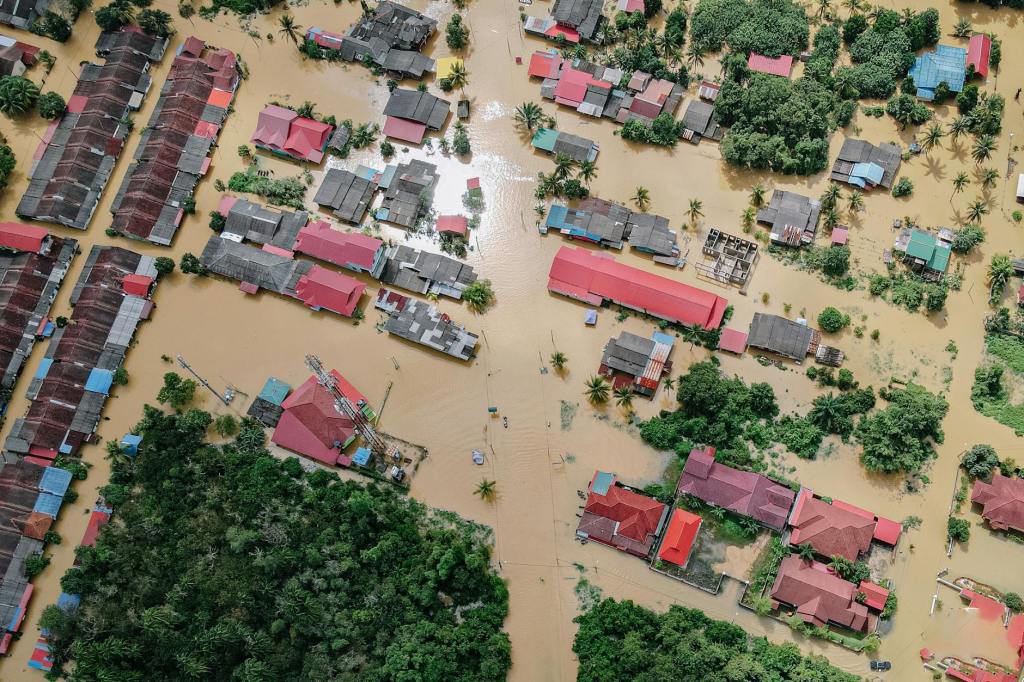
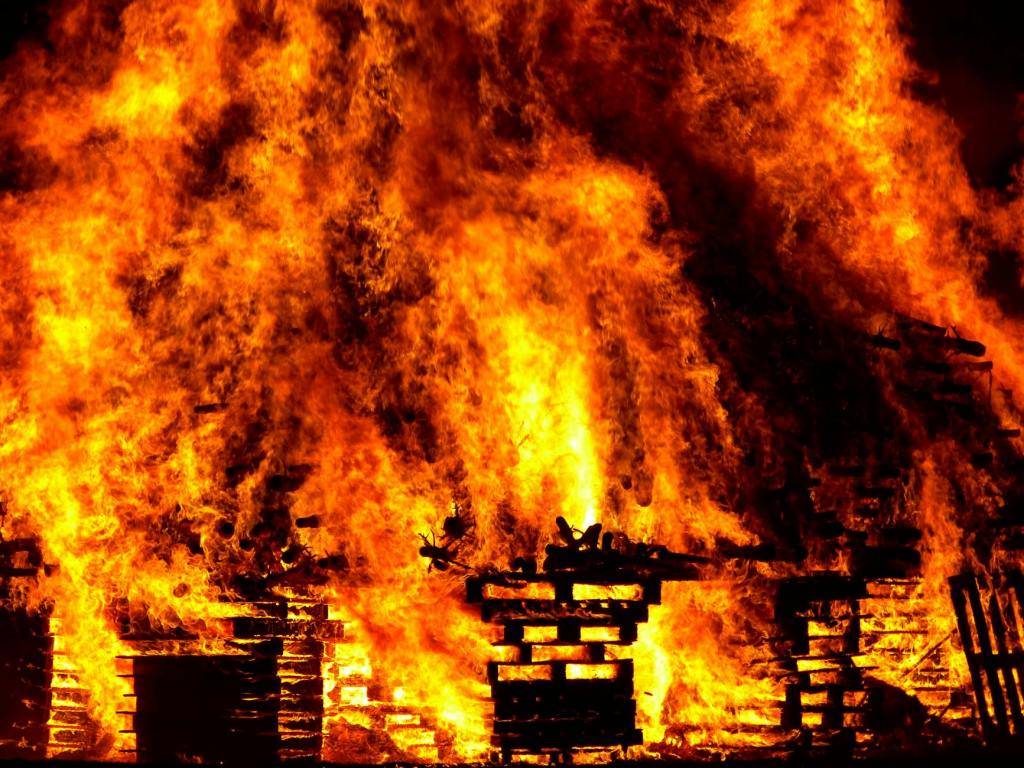
The facts-objective, verified and indisputable- are chilling. The last three years of this decade have been the hottest on record. Vast areas are now being ravaged by wildfires or drowning in immeasurable floods. The latest gloomy news comes from Nature Briefing: a group of people who are as calm, objective and well-informed as any we have come across. :early Temperatures Reach Dangerous Highs, they report:

This year looks likely to tie with 2023 as the second-hottest ever on record. Last year was the hottest. “The three-year average for 2023-2025 is on track to exceed 1.5 ℃ for the first time,” says Samantha Burgess of the European Union’s Copernicus Climate Change Service, referring to the Paris Agreement pledge to limit global warming to 1.5 °C above pre-industrial levels. “These milestones are not abstract — they reflect the accelerating pace of climate change and the only way to mitigate future rising temperatures is to rapidly reduce greenhouse gas emissions.” Euronews | 2 min read

As we were once more digesting these gloomy words in the LSS Boardroom, Selina the tea lady came in with this morning’s refreshments. “Good heavens!” she observed. Well, that was the gist of what she observed. “Are you lot really going to put out another gloomy blog on Climate Change? Give them some hope, for once, why don’t you” Again we paraphrase: suffice to say we understand where her grandchildren derived the terms they used when we tried to stop them from vandalising the cars in the office car park. But she is right: why don’t we tell you that there is something you can do? Take agency and all that. It shall be by supporting or donating to the organisations which we have listed below. We have chosen all of them for their integrity, hard work and track records. But above all for their moderate, pragmatic approach to this problem. We are deeply suspicious of more extreme outfits who in our view only help Big Oil by alienating ordinary people. Here, then is that list. All need money. It is nearly Christmas. We leave you to join the dots between those last statements.

World Wide Fund for Nature | WWF

Greenpeace UK

Home | Carbon180

Friends of the Earth | Home

Rainforest Alliance | Creating a Better World for People and Nature

For professional reasons we will be unable to produce another blog until next week

#global warming #climate change #big oil #pollution #ecology #environment

The Cambrian: Giant Explosion or small blast, few casualties?

Was the Cambrian period (538-486 million years ago) the most significant in the history of Life? [1] Was there really a kind of biological explosion where simple single celled creatures suddenly transformed them selves into complex multicellular beasts with nervous systems, eyes, guts and feeding strategies? It’s always been a bone of contention with some shouting emphatically “yes” and others being a little more sceptical. “Sampling bias”, they say: correctly adducing that there were plenty of multicellular creatures in the Pre-Cambrian, it’s just very difficult to find their remains.

Now the proponents of the Big Change Theory have found their case strenghtened. Recent research. described here by Kate Ravilious for the Guardian, suggests a natural mechanism which drove the changes and caused a sudden leap in the diversity of life. According to Kate

changes in solar energy caused climatic changes that altered the amount of weathering of land surfaces – especially at high latitudes – with periods of fast weathering releasing bursts of nutrients into the oceans, which drove photosynthesis and pushed up oxygen levels, fuelling the high speed evolutionary changes. [3]

And the interaction of these changes in solar output with variations in the earth’s orbit would explain the timing and nature of these sudden leaps for life.

And our take? Something happened around Cambrian times, gentle readers-there really is a step change, as shown by the appearance of shells, backbones and all the other markers of our modern phyla. And the idea of a coinciding, plausible mechanism is persuasive indeed. However as veterans of the paleontological wars we have a few questions. Did the Cambrian explosion a generate an increase in total biomass, or just complexity of forms? If this pattern of solar cycles and variable orbit repeats every two or three million years, why have we not seen at least one comparable event since (500 million years is a long time) Were there no volcanoes, tectonic plates or asteroids to muddy the waters in the Cambrian, the way they did in the Permian or Cretaceous, for examples? We love the Cambrian explosion and the way it has driven curiosity and much good research. But like every Big General Idea-in science , history, psychology, whatever- we see them more as pointing the way to more research, not a final answer.

[1]https://en.wikipedia.org/wiki/Cambrian

[2]https://www.theguardian.com/science/2025/nov/26/changes-in-solar-energy-fuelled-high-speed-evolutionary-changes-study-suggests

[3]https://agupubs.onlinelibrary.wiley.com/doi/10.1029/2025GL118689

#evolution #paleontology #cambrian #precambrian #solar cycle #earth orbit #fossils

How climate change drives the return of deadly diseases

We never thought we’d see it. But Malaria is making a comeback in the British Isles [1] According to the latest findings from the UK Health Security Agency(UKHSA) cases rose by a whopping 32% from 2022 to 2023 making them the highest in 20 years. More than 2000 cases in fact. Now some of this is due no doubt to travel bounce backs after the COVID 19 pandemic. But once put into a broader context. the real pattern becomes both clear and alarming. Global warming is driving a massive spread of insect vector diseases. Dangerous diseases that almost seemed under control until the oil companies unleashed climate change on an innocent world

Staying with Britain just for now, William Hunter of the Mail [2] reports on the appearance of two deadly mosquitoes in the UK: the Egyptian mosquito Aedes aegypti and the appropriately named Tiger mosquito Aedes albopictus. For now these are isolated events, and under current conditions their spread may even be containable. But every year the climate gets a little warmer. Every year brings a higher chance that these vectors will spread their deadly triple load: Dengue Fever, Chikungunya and Zika. With all the consequences which wel- seasoned readers of this blog will recall from our earlier outings on this theme (see LSS 25 3 25, 25 10 21 and many others)

We confess to becoming a little angry when we we write stories like this: such disasters could have been so avoidable. Once, not so long ago these diseases were unknown in this islands except as travellers’ tales, or as the province of medical specialists. Now a wave is crossing the world. We know what the remedy is. If by any chance you are a parent reading these lines: this story is one more line of evidence among many. Your children can never be truly safe until global warming is finally controlled and reversed.

[1]https://ukhsa.blog.gov.uk/2025/05/21/how-we-protect-the-uk-from-vector-borne-diseases/

[2]https://www.dailymail.co.uk/sciencetech/article-15151429/tropical-diseases-britain-mosquitoes-dengue-fever.html

[3]https://wellcome.org/news/how-climate-change-affects-vector-borne-diseases

#disease #malaria #dengue fever #climate change #g;obal warming #health

Why Net Zero threatens a wonderful land-that was

Kingston on Thames, Surrey, England. Spring 1962. A brand new Ford Zodiac pushes out from a brand-new house on a brand-new estate to begin a Sunday outing down to the south coast. Mum, Dad and their two kids on the back seat pass rows of new houses, all like theirs, all lived in by people like them. With cars like theirs at the fronts. This is Macmillan’s England, and people have never had it so good. Even, for the first time, the working classes. As the last new estates around Chessington drop behind and the real country begins at Box Hill, someone puts on the car radio. Listen! It’s the Shadows Wonderful Land,: and here, today, its dreamy tones are true. For as they head south on the A24 (soon to be massively widened) the temples of all this wonderful modernity are still visible in the brave new petrol stations and car showrooms sprouting across the sleepy countryside.  The car has made people profoundly mobile and independent. People talk about them endlessly. Buy them, sell them Discuss performance. Your car is a badge of who you are, where you have arrived at, especially if you are a man. As our travellers pull into Worthing for a welcome ice cream they have indeed crossed a wonderful land.

This is the  brave new world still remembered as the base line by the two children in the back of the Zodiac. Fast forward  2025 and they are well into their seventh decade.  But they still remember the promise of those years with aching nostalgia. Their own lives, minus the usual vicissitudes of marital, family and work problems, have been tolerable enough: prosperous even, as their waistlines testify. But outside the narrow world of work and golf club, there have been disturbing changes. First crack in the wall came with the 1973 oil crisis, which demonstrated their country’s humiliating dependence on foreign oil. Tax cuts and North Sea Oil brought a brief sugar rush of prosperity: but now the world is a dark distrustful place hopelessly split between rich and poor where nothing ever works and everything is broken, from roads to trains to hospitals. Foreigners just keep coming and coming and coming. Above all the USA, their great patron and  guarantor of all their security, is rapidly losing its ability to prosper and protect.

Now add something worse. All those grandchildren they sent off to University have come home to tell them that everything they believed in was wrong. That burning oil warms the planet to disastrous levels. [1] That vehicle emissions are a massive cause of mental and physical health disorders.[2] So are the plastics made from oils in abundance , which now pollute every imaginable stretch of sea air and land.[3] That, therefore, the whole cult of buying cars, comparing them, fiddling with them and collecting them turns out to have been as  deluded as say smoking tobacco ,drinking alcohol or keeping slaves.  That in effect, their whole lives have been a bit of a mistake That they now, with so little time left to enjoy , must give it all up.

It’s a big ask. Especially when incredibly rich industries run incredibly well funded political and media  campaigns to tell these same baby boomers that they not only can go on burning fossil fuels, they really ought to- must. Because only that way lies the road to a better yesterday when the world was young. And straight. And white. Here is the challenge facing all of us who call ourselves progressive or educated . We have no idea if we shall succeed We know we will need swimming lessons if we do not,

[1] Burning of fossil fuels – Understanding Global Change

[2] Air pollution and health risks due to vehicle traffic – PMC

[3] 5 Harmful Effects of Plastic on Human Health

(See also LSS 9 4 24;26 9 24; 20 9 25)

Here is the weather forecast: there will be a World government, soon

We at LSS might not want a world government: we might be quite happy with the State we’re in. But you can’t avoid the inevitable. And the hard data, the ineluctable facts from the weather forecasters, suggest that this inevitable may come sooner rather than later, But before we draw our conclusions: what are these facts?

If we break 1.50C global warming (and all the evidence suggests we shall) the effects will be dramatic. There will be alternating cycles of fires and floods in many countries, and for the first time the trend of ever rising food production will go into reverse. The loss of land, and the beginning of floods in coastal cities will lead to rapidly increasing migration pressures. Many would say that is already happening. But it’s as nothing compared to smashing the 20C limit. At that point, sea levels will rise by 40cm by the end of this century, displacing hundreds of millions and wrecking the pattern of the world economy. The surviving lands, wracked by floods and droughts, will start to lose their capacity to produce food at all . The resulting migration pressures will make todays numbers look negligible. As for 30C? It’s too scary to give the full details. But its got something to do with complete collapse of the seasons, fires in the tundras, and social unrest brought about by massive flows of refugees.

In such circumstances a World Government would form very quickly. Because it would be the only body capable of addressing the multiple threats at a global level; Which is the only level at which they can be tackled. History shows that sudden changes in ecology (usually plagues or climate changes) produce truly massive, paradigmatic changes in politics and society . The ending of the Roman Climatic Optimum meant the end of the Ancient world. All its customs, norms and beliefs were washed away in a new Medieval Europe. Similarly it was the Black Death that nailed the coffin of Feudalism, and an utterly new capitalist world was born. The nation state has served us well for hundreds of years. But then-so did cathode ray TVs, plastic musical records and steam trains. So-do we cling to what we’ve got? Or replace it it in anticipation, saving everybody time in the long run?

Further reading:

LSS 3 1 25 et al.

Anatole Lieven Climate Change and the Nation State Penguin 2021

Harriet Bulkeley and Peter Newell Governing Climate Change Routledge 2033

John Vogler Climate Change in World Politics Springer 2016

#black death #climate change #global warming #ecological collapse #capitalism #world government #nation state

Could global warming have been avoided?

Historians of the future (assuming there will be any such) will probably point to the 2020s as the decade when the world began its short unhappy slide into climate catastrophe. The Greek forest fires of 2021; the Californian ones of 2023, combined with floods in Pakistan in the same year that drowned fully one third of that country, were proof, attributable proof ,[1] that human induced climate change had started to wreak incontrollable and irreversible destruction to the fabric of planet’s surface. A fabric that human beings needed to be intact if they were to survive. They will also ask how it was possible that a society with the most advanced techniques of science and communication had allowed itself to arrive at such a point.

Starting in the 1960s, the warnings had been coming, like the steady rise if a beating drum. The Keeling curve and the concerns of the LBJ administration were early examples. In the 1970s even the CIA (hardly a bastion of Green Woke Communism) had got in on the Act. Through the 1980s and 1990s there were conferences, resolutions and rising alarm. All action was undermined, subverted and rendered null by the fossil fuel industry and the petrostates. Whose actions bore such a resemblance to the tobacco industry and its efforts to deny the links of their product to lung cancer.[3] Perhaps the last reasonable chance to act in time was the Kyoto summit of 1997. Which, if its recommendations had been implemented in full, might have avoided the enormous costs, both economic and in lives, of what was unstoppable by 2020.

And that future was to be? As the temperature gradients warmed through 20, 2.50 and 30C , rising sea levels and wildly fluctuating weather conditions caused whole societies to collapse. The resulting waves of refugees were halted, temporarily, on the borders of safer lands, Until those fleeing returned with armies and weapons which could never be stopped; and the last bastions of order fell. Like a smoker dying of cancer, or a boozer from liver failure: humanity as a whole could just not kick its habit.

[1]https://www.worldweatherattribution.org/

[2]https://earth.org/data_visualization/the-keeling-curve-explained/

[3]https://www.bbc.co.uk/news/stories-53640382

#global warming #forest fire #climate change #flood #oil industry #fossil fuel #cancer #tobacco industry #greece #california #pakistan

Climate Change denial: latest round in a long war of deception

First deny there’s a problem. Then do all you can to delay a solution. Buy up politicians, scientists, bloggers, and bots. The tactics of the fossil fuel industry and outriding nations as they seek above all to protect their comfy lifestyles and exorbitant profits. It’s not just made abundantly clear in this report by Damien Carrington in the Guardian: it nails down every last nail to be had into the coffin lid. [1]

But we’ve seen it all before gentle readers. We recall walking down an alley in London in 1971 with a close relative who assured us there was no definite, provable link between smoking and cancer, OK!? (he died of the latter) Why was he able to state this? Because for decades the tobacco industry had managed a huge campaign of deception, obfuscation and general misinformation designed to give him and his peers every excuse they needed to continue their tragic addiction. Using exactly the same techniques now employed by climate change deniers, funnily enough.. The only difference was that they didn’t have the Interweb to turbocharge their propaganda and illusioning. This rather depressing link to the WHO explains the ghastly details to anyone who may want to know more about the fundamentals of human nature [2]

And what are these fundamentals, by the way? We don’t know them all But we can hazard a guess at some, provisional though we may well be

1 Some people will do anything to make some quick cash, Anything at all.

2 Many people will do anything to avoid facing the consequences of the vile little habits which they have acquired in the course of a lifetime of self indulgence and self deception.

3 Just because you are educated and slightly more far seeing than others around you does not give you tactical superiority in the current wars between the intelligent and our enemies They are incredibly cunning and well funded

4 This ain’t over yet. Keep a close eye on rising sea levels, if you want to live

We will be ready with further insights. inspirations and bons motifs in future blogs. Keep reading. And thanks for all the recent sigh ups and likes. Keep ’em coming.

[1]https://www.theguardian.com/environment/2025/jun/19/climate-misinformation-turning-crisis-into-catastrophe-ipie-report

[2]https://www.who.int/news/item/16-11-2023-new-who-campaign-highlights-tobacco-industry-tactics-to-influence-public-health-policies

#climate change #global warming #ecology #fossil fuels #tobacco #cancer

Renewable energy from seaweed Now there’s a thought

If we are going to get through the current climate crisis, and come out alive at the other end, we ‘ll need to consider every new idea, however outre it may sound at first sight, Which is why we want to showcase, via the Conversation,[1] the work of Mike Allen , Professor of Genomics at the University of Exeter and founder of SeaGen,[2] a company which has the courage and vision to think differently. ]For Mike thinks that by using robotics, he can harness the enormous biomass of seaweed in the sargasso sea, and other places

Now we’ve always been pro- seaweed here. Veteran readers may recall our promotion of the new Sussex kelp forest, both on this site and in articles in local newspapers and websites [3] and we certainly talked about how the stuff, especially kelp, could be a source of all kinds of useful things like food and fertiliser. But as his article and website makes clear, Mike is taking this to a whole new level. By using autonomous robotic systems, the harvesting and processing of the weeds can be done on an ergonomic and industrial scale.

We have no financial or any other connection to this man or his company. But we are massive fans of the hopeful start-up. Because we believe that progress, real progress grows form that complicated network of new companies , university departments, government agencies and anonymous little industrial estates where the real dreams of the future are born. We’ve done stories like this before, and will do more in the future. If you really need a declaration of interest it is this: they may help us to survive.

[1]https://theconversation.com/how-seaweed-is-a-powerful-yet-surprising-climate-solution-251195?utm_medium=email&utm_campaign=Latest%20from%20The%20Conversation%20for%

[2]https://www.seagen.io/

[3]https://www.sussexgreenliving.org.uk/sussex-kelp-forest-leads-the-way-by-keir-hartley-first-published-in-west-sussex-county-times/

#seagen #seaweed #sustainability #robotics #ocean #climate change