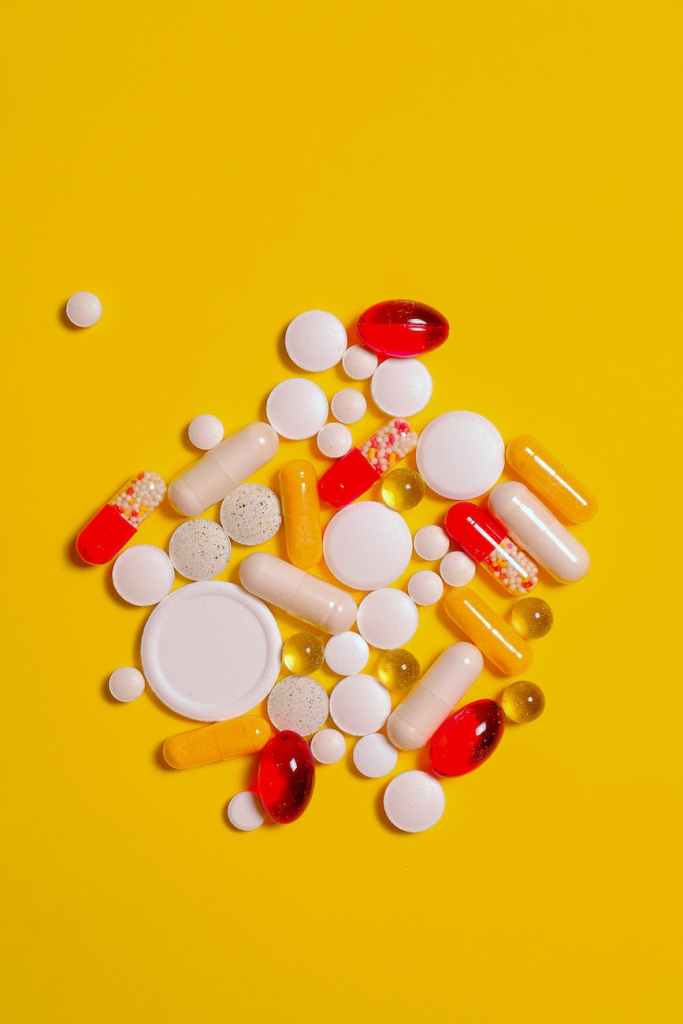
New test leads to real progress on antibiotic prescriptions

One of the scourges of modern medicine is the over-prescription of antibiotics. The more they are used, the more chances are made for target organisms to develop resistance. ( as well as other bacteria that live alongside them) Hence the current crisis. Everyone agrees we should be saving our last antibiotics for when they are really, really needed, not just throwing them at every random infection presented in the Doctor’s surgery on a rainy Monday morning.

A typical example is infections of the urinary tract, as James Gallagher explains for the BBC. [1] It’s never easy to know whether one of these is bacterial or viral. And currently it can take three days to find out. Yet the risk of an untreated bacterial infection is so high, the consequences so grave, that Doctors have to prescribe antibiotics, just in case. Of course, if it turns out to be viral. the antibiotics are useless, and the risk of adding more resistant bacteria to the ecosystem has just been ratcheted up again.. If only there was a way of cutting diagnostic time!

Well some Swedish researchers seem to have done just that. Their new test seems to have cut the time to answer the question “is this an antibiotic-treatable infection?” down to 45 minutes. James waxes lyrical, with the aid of some excellent graphics. Even more encouraging, the system is now being marketed by a pioneering firm called Sysmex Astrego [2] which suggests a strongly robust, repeatable test which could be rolled out in the millions. Billions, even? There’s lots of good news here, and we hope that all involved enjoy their Longitude Prize. If anyone deserves a little celebration, it is surely they.

[1]https://www.bbc.co.uk/news/articles/crggj9led0no

[2]https://www.sysmex-astrego.se/

#antibiotic resistance #medicine #bacteria fungi virus #superbug

AI and antibiotics-another good news story

We have always hoped that AI would do for antibiotics what it has already done for protein design. (LSS 1 12 20; 26 3 23) Now there is a real possibility that these hopes may come true. Eric Berger of the Guardian covers a truly remarkable set of research by Professor de la Fuente and his team at the University pf Pennsylvania. [1] They have used an algorithm to mine vast sets of data to sieve out any compounds with potential anti microbial properties. As any reader will know, it would have taken years, if not decades, if they had just used teams of scientists in labs. Click on to Eric’s article, its very easy on the eye. But we’ll leave you with these thoughts:

Is this a game changer? Potentially, yes. It could allow the construction of a vast library of potential antibiotic compounds. The real problem of the last forty years has been, not just the steady failure of existing antibiotics, but the lack of a stream of potential replacements as resistance builds up. But we see a deeper lesson, good for all science. There is nothing so cooperative, so international, as a library or a database. Its contents cut across divisions of nationality, race, class, time even. If we are to survive the antibiotics crisis, and many other looming threats, we will need this approach more. Something to think about when some journalist or politician turns a group of people into “others”. Maybe we can learn something from them, instead.

[1]https://www.theguardian.com/society/article/2024/jun/05/ai-antibiotic-resistance

#antibiotics #AI #microbiology #research #database

Good news on antibiotics coming thick and fast this spring

More good news on antibiotics research for you today, gentle readers. And this time it’s the subtlety of the extra thinking that has captured our attention. Up to now antibiotics-and many other therapies- have been more of a bludgeon than a rapier. Yes they do a lot of good, smashing away dangerous bacteria from your system. But they can do a lot of bad, by killing all those beneficial bacteria in your biome, which help you digest your food, as well as performing many other Good Works. But what if we could design an antibiotic which only does the good stuff, while keeping harmful side effects to a minimum? According to Nature Briefings, Smart Antibiotic spares the Microbiome, lolamicin may do just that:

An antibiotic called lolamicin targets disease-causing Gram-negative bacteria without disturbing healthy gut bacteria. Broad-spectrum antibiotics against these pathogens wreak havoc on the gut microbiome and can allow potentially deadly Clostridioides difficile to take over. Mice infected with antibiotic-resistant Gram-negative bacteria survived after being given lolamicin, whereas almost 90% of those that didn’t receive the drug died within three days. Lolamicin did not seem to disrupt the gut microbiome and spared mice from C. difficile infections.Nature | 4 min read
Reference: Nature paper

For more stories like these, update your preferences to sign up to our free weekly Nature Briefing: Microbiology.

(We took their link a little further today, so you can see that they offer a special service for those who want to follow this whole trope more closely)

As you know we at LSS tend to be a tad wary of huge new, all-field-encompassing, breakthroughs. What we like is when someone tweaks existing learning in a small but significant way. This seems to be one such, and good luck to the researchers concerned.

#antibiotics #microbiology #microbial resistance #research #microbiology

Nicola Davis leads the way on antibiotics journalism

One of our stated purposes at LSS is to scan the media feeds, both news and scientific, to bring you the best possible stories on the continuing crisis caused by antibiotic resistant micro-organisms. That’s superbugs in short. And one journalist whose work we have featured time and again is the indefatigable Nicola Davis who writes for the Guardian. Well today she has done it again, in an intriguing new take. It’s going to take quite some time before new drugs can be tested and made ready. Meanwhile people are starting to die, in quite large numbers. What can we do? [1]

Well, quite a lot according to Nicola. Like a good journalist, she starts by reprising how truly awful the current situation is. The figures are eyewatering. To take 2019 as a good pre COVID baseline, antibiotic resistant microorganisms were implicated in 4.95 million deaths, with a definite attribution possible in 1.27 million cases. So are we just going to wait, to sit around and wring our hands until new antibiotics come along? No, quite a lot is possible in the meantime, Citing the work of Professor Laxminarayan of Princeton, she writes:

……………AMR-associated deaths in LMICs could be cut by 18%, equivalent to about 750,000 a year, through three key steps……..The team team suggests an estimated 247,800 deaths are preventable through universal access to clean water and improved sanitation and hygiene, while 337,000 deaths could be prevented through better infection prevention and control in healthcare settings…….Another 181,500 deaths are preventable by means of childhood vaccinations,

But Nicola’s article, and the link she provides to The Lancet, are far more detailed [2]

An our thoughts? After so many years bashing you on your heads, gentle readers, we see actual grounds for optimism First journalists like Nicola are getting on to this.( See also MD of Private Eye and Stacey Liberatore of the Mail) Secondly, there’s nothing so likely to wither effort as the thought that we are powerless. Beyond hope. Passive. And as this article shows, nothing could be further from the truth.

[1]https://www.theguardian.com/society/article/2024/may/23/huge-number-of-deaths-linked-to-superbugs-can-be-avoided-say-experts

[2]https://www.thelancet.com/series/antibiotic-resistance

#superbugs #antibiotic resistance #pandemic #health #vaccination #sanitation #preventive medicine #nicola davis #md private eye #stacey liberatore

Antibiotics: Why Keynes was good for your health

article of the week

Long, long ago, back in the 1940s, there was a set of beliefs called Keynesianism. It prized economic growth over financial targets and general welfare over the accumulation of vast quantities of lucre. Its prizing of State intervention and higher taxes won the Second World War, and led to thirty years of prosperity and technological advance. But it had its critics. And they had all the money, and therefore all the newspapers. Poor old Keynes was doomed.

Among the advances of those years of public-private partnership there were many advances. Computers and IT, semiconductors, aviation, space technology….but one has been forgotten. It was these years that Ernst Chain and others were able to take the discoveries of Alexander Fleming and turn them into the first generation of mass antibiotics. It was a revolution in health care. And, it has to be said a great reduction in human suffering. Yet enter the Free market Fundamentalists in 1979, and antibiotic development fell by the way. Why? There’s no money in it. And slowly resistance crept back, slowly at first until today, when we balance on the edge of another great pandemic.

But there is hope. Today Nature Briefings reveals that, by throwing out the profit motive, two exciting new antimicrobial drugs have been developed. Allow us to scrap this from Nature

Successful trials of two new antimicrobial drugs — zoliflodacin for drug-resistant gonorrhoea and an antifungal, fosravuconazole — were conducted by non-profit organizations that were founded specifically to bring such drugs to the market. Most legacy pharmaceutical firms have withdrawn from the field, and many of the small biotechnology companies that picked up the torch have gone bankrupt. These two latest achievements suggest that non-profits could help to solve the problem of drug access, while fending off the rise of drug-resistant microbes, which contribute to almost five million deaths per year.Nature | 10 min read

Now, there is a link there to a superb article by Maryn McKenna, which we honestly think you should read as well. But nothing so sums up the belief of this blog so fully. Wealth is about so many more things than just money.

#antibiotics #jm keynes #research #science #economics

Nanoparticles target antibiotic delivery

It’s one thing to have antibiotics. It’s even better if you can find clever new ways of delivering them so they do even more good to the patient. According to a report by the tireless Grace Wade of New Scientist, Chinese scientists have done exactly that.[1]

Junliang Zhu of Soochow University noticed that layers of mucus in our lung tissues are inhibiting the effective distribution of antibiotics. To overcome this they created nanoparticles from silica, which they coated with an antibiotic called ceftazidime, which they used to treat mice with COPD (Chronic Obstructive Pulmonary Disease). So, what were the results? You had better look at Grace’s article, hadn’t you?

The reason we picked on this was not just because of the antibiotics trope. Widespread COPD is a classic result of having too many vehicles, particularly old fashioned diesel and petrol ones, which fill our air with particulate matter. It’s a major contributor to all kinds of health horrors. Just getting on top of one of them like this will be a major alleviation to millions. It’s so nice once again to see someone thinking outside of the box to do it.

[1]https://www.newscientist.com/article/2416072-inhalable-nanoparticles-could-help-treat-chronic-lung-disease/#:~:text=So%2C%20Junliang%20Zhu%20at%20Soochow%2

#antibiotics #nanoparticle #Grace Wade #Junliang Zhu #soochow university #COPD

How to really help Antibiotics Research UK for just one hour a week

We often talk about the Charity Antibiotics Research UK on this blog.[1] Since 2015, they have been doing invaluable work. Not only have they pointed to the need for new antibiotics. They have also tried to fund research. But they do a lot more than that.

Now, many people think “Disease-Diagnosis-Antibiotic-Cured-bosh!” is the way it works. That’s the ideal of course, and in many cases, it’s true. But all too often people have long term chronic conditions. [2] Such poor souls need all kinds of advice on treatments, health care, contacts-and sometimes just someone to talk to. And that is where antibiotic research UK’s brilliant patient support services comes in. If it’s done properly, it will eke out the effectiveness of our dwindling supplies of antibiotics, and , who knows, have support networks in place if new ones are developed. And now, gentle reader, is where YOU come in. To quote their appeal

We’re currently seeking volunteers to review the information we provide, whether it’s directly from our website or in response to enquiries. We’re looking for two types of reviewers:

  • Lay reviewers: Individuals without a healthcare background who can assess whether our articles are easy to understand and digest.
  • Expert reviewers: Professionals with a background in science or health who can provide insights into the accuracy and comprehensiveness of our content.

Come on, it’s not as if we’re asking you to climb Mount Kanchenjunga backwards, or swim the English Channel while dressed as the Red Queen from Alice Through the Looking Glass, is it? We bet a few of you reading this are retired after a successful career and are now sratching round for something useful to do. Could this be it?

[1]www.antibioticresearch.org.uk

[2]patient.support@antibioticresearch.org.uk

#antibiotics #patient care #medicine #health #hospital #nurse #doctor #bacteria #infection #chronic

Antibiotic Resistance meets Global Warming: the scariest real-life movie ever

Which of the following is a true statement of the facts it purports to covey? Jesse James meets Frankenstein’s Daughter?[1] Billy the Kid meets Dracula? [2] Antibiotic Resistance meets Global Warming?[3] The answer is: the last one. As film fans will know, the first two are films, representing the final Directorial offerings of the late, great William “one-shot” Beaudine. As for the third: its truly scary. Here’s how Nature Briefings sum it up: Climate Change worsens Drug Resistance

Climate change and antibiotic resistance are both major threats to human health, and the risks multiply when they intersect. Increased average minimum temperatures have been linked to higher rates of antibiotic resistance — maybe by making it easier for them to evolve. And extreme temperatures can force people to spend more time indoors, where infection can spread. Tackling these issues together will require global action — and recognition of inequity between richer and poorer nations. Some public health researchers argue for a new UN treaty, similar to existing climate treaties, calling for a 35% reduction in drug-resistant infections by 2035.Nature | 9 min read

But we urge you-no, we will get on our knees and absolutely beg you-to read the linked piece, gentle readers, for it concerns the safety and futures of each and every one of us. Just so you have no excuse, we’ve hyperlinked it again at [3] below.

And now some advice. Much of the science we cover here comes from Nature Briefings, as our more astute readers will have observed, If you want tip-top, up to date science news, culled from the world’s most prestigious science journal, all you have to do is subscribe via this link. It’s free, by the way.

[1]https://en.wikipedia.org/wiki/Jesse_James_Meets_Frankenstein%27s_Daughter

[2]https://en.wikipedia.org/wiki/Billy_the_Kid_Versus_Dracula

[3]https://www.nature.com/articles/d41586-023-04077-0?utm_source=Live+Audience&utm_campaign=c020aa4ae2-briefing-dy-20240109&utm_medium=email&utm_term=0_b27a691814-c020aa

#global warming #climate change #antibiotic resistance #pandemic #william beaudine

More welcome news on antibiotics

More news from the antibiotics front. And this time, it’s overwhelmingly good. The first of a new class-type antibiotic, Zosurabalpin, is now in early trials. Today, our lead comes from the tireless Linda Geddes of The Guardian. [1] We urge you to read her excellent story, while picking just a few of the key points

From our earliest days Facebooking, then blogging in this area the great problem has been the gram negative bacteria with tough, almost leathery cell membranes which could exclude any antibiotic we could put up against them. The carbapenem class brought us few years respite. But systematic over prescription brought soaring levels of resistance. And this is what gave long faces to the scientists and doctors we used to chat with back around ’16 and ’17

As you will learn from Linda’s article, Zosorubalpin and other new antibiotics under development hope to weaken those cell walls by targeting the flow of lipopolysaccharides, thereby precluding their formation. It’s an ingenious way of re-thinking the problem, and we offer the researchers involved [2] our most heartfelt thanks. However, don’t think humanity is out of the woods. The same problems which wrecked the last generation of antibiotics could recur. Heedless over-prescription, driven by demand from ignorant, hysterical patients. Mass misuse in agriculture, in search of of short term production targets. Failure to develop successor molecule as resistance builds to Zosurabalpin and its peers. All these mistakes are out there, waiting to happen again. The scientists have given us one last chance. Have we the brains to take it?

[1]https://www.theguardian.com/science/2024/jan/03/scientists-new-class-antibiotic-kill-drug-resistant-bacteria?CMP=Share_iOSApp_Other

[2]https://www.nature.com/articles/s41586-023-06799-7

#antibiotics #resistance #gram negative #zosurabalpin