In war, Intelligence is just about the most vital thing you can have. You know, predicting the enemy’s next move before he makes it. How useful it would be to know which bacteria will show resistance to our next antibiotic, where, how , and when! That’s why some new work from Dr Kalen Hall and team of Tulane University, reported on Phys.org is so exciting [1]
They have identified a genetic signature in the bacteria Pseudomona aeruginosa which predicts the likelihood of developing genetic changes which facilitate resistance to antibiotics. Ingeniously, they studied the DNA mismatch repair pathway, which spurs rapid mutations in the genome. As every schoolchild knows, the more mutations you throw up, the more likely it is that one will give you resistance to antibiotics.
But for LSS homies there’s a deeper learning point. The team took their cue from similar research being carried out in the field of cancer treatment. The idea was to use it to predict carcinogenic mutations-but look what these antibiotic folk have done with it! Science breeds science. Knowledge and learning breeds more knowledge and learning. To our readers in the United States we would observe that this is a lesson you used to know well. Why have you started to forget?
A Cure for Dementia? What hope, what unexpected hope, there may be in antibiotic drugs! We knew that when we started this blog. We did it because we were scared of resistant bacteria. But we never anticipated this benefit: antibiotic drugs may protect us from dementia. So might antiviral drugs. So might vaccines too. Andrew Gregory of the Guardian has been following the work of Dr Ben Underwood. In a nutshell
…….One unexpected finding was an association between antibiotics, antivirals and vaccines and a reduced risk of dementia. The finding supports the hypothesis that some cases of the disease may be triggered by viral or bacterial infections. [1]
Of course, there are many questions to be answered. But for us the point is how precious these drugs are, how important it is not to waste them. Which leads us to:
War starts spike in microbial resistance Armed conflicts produce vast surges in traumatic casualties, in dirt and in squalor. All of which necessitate an understandable increase in prescription of antibiotics. Which in turn leads to rising levels of resistance. As Abdujalil Abdurasulov adduces for the BBC [2]
………war appears to have accelerated the spread of multi-resistant pathogens in Ukraine.Clinics treating war injuries have registered a sharp increase of AMR cases. More than 80% of all patients admitted to Feofaniya Hospital have infections caused by microbes which are resistant to antibiotics, according to deputy chief physician Dr Andriy Strokan.
Once started, these resistant strains of bacteria will not go away. They will spread and multiply. How ironic if many of us end up as casualties of a war between third parties, with whom we have no direct connection. Which leads us to:
War For all? We are beginning to suspect that the tendency to divide into hostile camps , who quickly resort to violence, may be a major cognitive defect in the brains of Homo sapiens. Here is our exhibit A: Recently the followers of the popular Association Football Team Manchester United were involved in violent fighting with the followers of the popular Association Football Team Glasgow Rangers. Why? What economic, intellectual or spiritual gains to they hope to make from such an expenditure of time and effort.?(not to mention the legal penalties which may accrue) What on earth divides them so deeply? Yet if people can fight over such infinitesimal differences as theirs, what hope for any of us? One thing is clear to this blog: there will be a lot more antibiotic resistance. Natural Selection does not forgive species that indulge in maladaptive behaviour. What is waiting in the wings to replace us?
Magnesium: that abundant but essentially humble metal that finds so many uses: tin cans, consumer electronics, aviation, Epsom salts, transport…..and many more. But could it be the clue to an exciting new development in the study of antibiotic resistance? Tessa Koumoundouros of Science Alert seems to think so.
A team At UC San Diego think that magnesium is the “Achilles heel” of antibiotic resistance in the bacterium Bacillus subtilis. It’s classic Darwinian Natural Selection in action. Put them in an environment with lots of antibiotic, and, hey presto, one particular strain evolves resistance. They get a competitive advantage and start to out-breed their pals without the resistant gene. But: there is no free lunch in Nature. To get an advantage in one area you have to pay a price somewhere else. Because the non resistant, more generally adapted strain are much better at coping when the magnesium levels in the environment drop. As Tessa explains:
Depriving environments of magnesium could counter the bacteria’s ability to thrive. And because unmutated strains don’t share the same flaw, reducing the key nutrient shouldn’t adversely impact bacteria needed for a healthy microbiome.
Her article contains a really clear explanation, and some good images. Great journalism.
It’s funny how research in one area suddenly gets a boost from something slightly unexpected and left-field. If we are to overcome antibiotic resistance, yes, new drugs will be needed. But, eventually, resistance will develop to them. We need other techniques too, to work alongside the new drugs. And this idea of nutrient balance seems like a really fruitful one to us.
If something isn’t going too well, you try to look to throw something new into the mix. Something different, from outside the field. We’ve been bashing away with new drugs, education, media ops for ten years now. And still the problem of microbial resistance to antibiotics hasn’t gone away.
Which is why we welcome this new idea covered in The Lancet. The application of advanced digital technologies in things like diagnostics, data collection, clinical decisions -the thousand and one everyday things of medical life-could be a real game changer. So we are rather proud to present these articles from The Lancet. the first [1] by Timothy Rawson and co-workers is a marvellously detailed road map for how it might all work. (Warning-there’s a lot of it, this is going to take more than one coffee break) The second is a general guide from the Lancet about how they will be promoting and covering the whole trope. Well done, them.
We need a game changer, gentle readers. We sincerely hope this is it. Remember- you read it here first. Well, sort of. Anyway, the less you have of us, the more time you will have to read the papers. Off you go!
Oh for those shiny days of the far-off 1960s, when all those brightly coloured plastics were new, and somehow modern. Your model of Thunderbird 2 was made of it. So were the seats in your dad’s new Austin 1100. So were bottles of fabric conditioner, drinking mugs and clothes of nylon. No more fuddy duddy old wood and cotton for us! This was the Space Age, and we even listened to David Bowie’s Space Oddity on a plastic record.
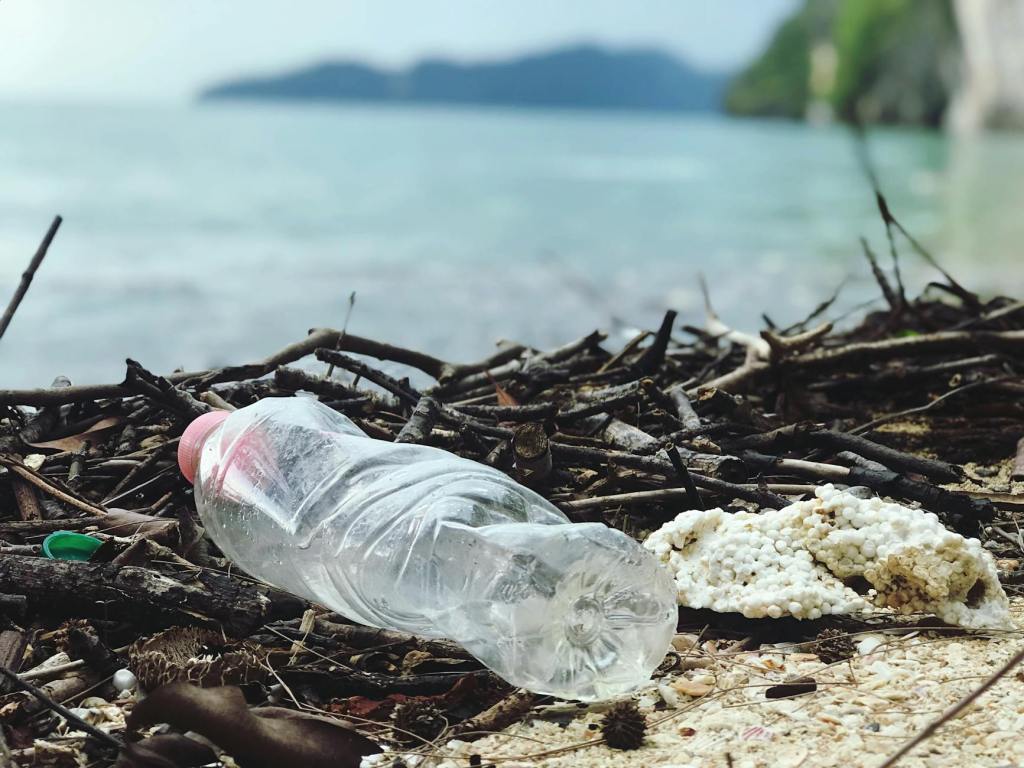
Except there was a catch. All this new plastic which was slowly filling up the world would one day break down into tiny indigestible particles. With no where else to go except into our blood, our brains, our tissues. So far so bad, but it gets worse. LSS started out as antibiotics blog, and this is where we close the circle. Read this: It’s from the admirable Science News website, a cornucopia of knowledge on many subjects
An international research team has investigated how nanoplastic particles deposited in the body affect the effectiveness of antibiotics. The study showed that the plastic particles not only impair the effect of the drugs, but could also promote the development of antibiotic-resistant bacteria.I
So what’s going on? Firstly, can we say how much we liked the simplicity of this study. It used a common antibiotic (tetracycline) and and some common as muck plastics (polyethylene, polypropylene and polystyrene) It looks as if microparticles of these things can bind antibiotics, which leads to both the reduction of effectiveness and the generation of new resistance. But read the paper and judge for yourselves, good readers.
And our thoughts? Well they’re more emotions really. A kind of vague melancholy at how progress in one area slow creeps up and vitiates progress in another. That Rachel Carson was right all along. And that all that glistens isn’t good.
OK, we have spent the past four years urging you to hunt down those pesky little microbes with every antibiotic you can lay your hand on. Now we’re going to tell you microbes are just wonderful. When it comes to saving us from Global Warming that is Read this piece called Microbes against climate catastrophe from Nature Briefings
In a call to action published simultaneously across 14 journals today, microbiologist Raquel Peixoto and colleagues demand that the world “harness the power of microbiology” to safeguard the planet. From the enhancement of carbon sequestration to the cultivation of biofuels, there are a multitude of microbe-based solutions to climate problems, say the authors — but these are not being rolled out effectively at scale. It’s time to cut through the red tape, they argue, and gather a global task force to help test, fund and deploy the best of these microbiome technologies.Nature Microbiology (and 13 other journals) | 5 min read
When we ran this one through the editorial board, we agreed we could not be accused of mixed messaging. Antibiotics are in the medicines file. Carbon capture is in environment. They are two completely separate disconnected entities, like the utterances of certain well-known US politicians and the observable truth. But: are they? After we finished the meeting, and before putting quill to parchment, as t’were, we went for an uneasy walk with our conscience. Up and down the bleak streets of Croydon. Past Fairfield Halls. Something was niggling at the back of our mind. In the Porter for a quick three or four pints. What was it about antibiotics? Round the shopping centre. Something extra about antibiotics. Back past fairfield Halls. People were starting to look Then it hit us! All these excess antibiotics, running off farms and so on may actually be damaging the very microbes which we need to save us. Read this extract of an abstract if you don’t believe us, from the accomplished Professors Yaozong Cui, Yanhong Li Lihao Zhang and Nan Ziao Environmental behaviour and impact of antibiotics [1]
Antibiotics are widely used to treat or prevent human and animal diseases, as well as to promote the growth of animals in livestock breeding and aquaculture. As a type of antibacterial drugs, antibiotics have been widely applied in human/animal disease prevention, disease treatment, animal husbandry and aquaculture, etc. A majority of antibiotics introduced into human/animal cannot be utilized directly, leading to the result that more than 85% antibiotics were discharged into the environment. Once antibiotics enter the ecosystems, they could influence the evolution of the community structure, which according affect the ecological function of aquatic environment. Correspondingly, antibiotic resistant bacteria (ARB) have been found, which is threatening ecological safety and human health.
Perhaps the best take on this is from the world-weary Professor Peixoto. We need-and urgently- a very deep understanding of how we live and manage the whole microbiological biome. But where do our rulers spend our money?
What’s in the water? Water is good for you, beer is bad. True, up to a point, especially for those of us who worry about our girth. But think before you drink, as they say. There may be more in that innocent glass of tap water than you bargained for, as this piece from The Conversation makes clear. Forever Chemicals in our drinking water……………
Clever moggy finds new virus Ailurophiles of all lands will applaud the tale of this serendipitous kitty who brought home a mouse that contained a hitherto-unknown, and rather scary virus, to his biochemist owner. Here’s the Daily Mail
Antibiotics from the past Leafing through our old pharmacopoeias and other databases may yet be an important new source of antibiotics. God knows we need to look anywhere and everywhere. Fortunately, Science Alert shows the way, with really good graphics(yes we always like those)
Can weight loss drugs boost your mental health? We at LSS recommend no drug or substance, as we are not doctors. But we will report on new reports about those drugs, provided these are covered by reputable outfits such as New Scientist. Here’s one about new research into possible mental health benefits of these new weight loss drugs which are so fashionable in today’s Zeitgeist, as t’were. Two caveats: once again, don’t do anything with these until you’ve spoken to your doctor; and, moreover, you’ll have to jump the paywall on this one. Thanks to G Herbert
We’ve been in the habit of making clarion calls for new research on anti-microbial drugs here for donkey’s years now. Even reported, where we could, on promising new results. Progress has been slow, we admit. But if you lift your head up and look at the bigger picture, there’s quite a lot of stuff we could be doing to ward off the fateful day when every bacterium becomes resistant. And once again, it’s that excellent website Nature Briefings which suggests some simple, common sense steps people can take now to keep them safe. Particularly in poorer countries, where the stupidities of the world economic order have combined to make cash a little tight. They’ve put up two blocks today, with links, and they’re well worth a read.
HOW TO SAVE MILLIONS OF LIVESLast week, we learnt that more than 39 million people could die from antibiotic-resistant infections by 2050. But it doesn’t have to be that way, argues epidemiologist Ramanan Laxminarayan — if we make sure that people in low- and middle-income countries get the appropriate antibiotics they need. “Even a fairly modest global investment — in the range of hundreds of millions of US dollars — to help prevent bacterial infections and improve access to relatively inexpensive antibiotics could avert millions of deaths,” he writes.Nature | 5 min read Reference: The Lancet report
STRAIGHTFORWARD SOLUTIONS TO AMR Better sanitation, improved infection control practices at health-care facilities and increased vaccination are among the solutions proposed by four specialists — from Bangladesh, Brazil, Nigeria and the Middle East — who spoke to Nature ahead of a United Nations meeting on antimicrobial resistance (AMR). For example, microbiologist Iruka Okeke says that access to clean water and toilets in Nigeria could reduce gastric infections and AMR simultaneously, yielding an estimated return of US$5 or more for every $1 spent.Nature | 10 min read
We always like it when brisk, cheap solutions, using existing ideas and technology make a real difference. We hope you do too, gentle readers.
#antibiotics #drug resistant micro-organisms #health #sanitation #clean water
Old hands on the LSS blog may be forgiven for thinking antibiotic resistance is all about bacteria, and that it all goes in in hospital with lots of medical folk in white coats and humming machines that do funny things with graphs, and all that sort of thing.
Well, it’s about a lot more than that. It isn’t just bacteria that are resistant to our drugs. Down on the farm, there’s a whole class of creatures called Playtyhelminths (aka flatworms) that can do untold damage to sheep, for example. For years their ravages have been controlled by drugs. Now theses pesky creatures are showing strong resistance to these drugs, And to make matters worse, these drugs are getting into nature from the sheep pastures, and starting to wreak havoc there. It’s a lose-lose situation. And we, that is to say humanity, are the losers.[1]
Why is this happening? It’s Natural Selection in action. The flatworms in the sheep guts are animals like any other. Expose them to a threat, (antagonistic drugs) and most will die. But a very few will carry resistant genes, thrown up by random mutation. They and their offspring will survive, and multiply. Mightily. Just like all those bacteria do with the drugs we send against them. The point is resistance is just an evolutionary response. It will happen everywhere at all times. The trick is to stay ahead of it. And the way to do that is to spend a little more on science and research labs. To plan to educate more people with the scientific habit of mind, where we suspend judgement and become open to evidence. And listen a little less to the kind of unreasoning. emotion driven story telling that pollutes so much of the Information Sphere. Some hope.
CREDIT We got this story by watching an episode of the popular BBC television programme Countryfile. [2] Not quite our normal cup of tea, you might think? Well, its amazing how their light, cheerful style gives you an in to some much deeper issues. Worth the odd watch, we say.
As if the threat from cancer, dementia and heart disease wasn’t enough, the world’s older inhabitants face a new danger. It’s our old friend antibiotic resistance-and it’s growing fast. That’s according to Kat Lay of the Guardian,[1] who has produced a fascinating review of the work of the Global Research on Antimicrobial Resistance Project.[2.3} They looked at data from 204 countries from 1990 to 2021, and have projected their findings forwards into the 2050s.
Young people will suffer from the problem it’s true. But their overall death rate from infections has been falling, partly from the success of things like improved hygiene and vaccination problems. It’s among the elderly that the situation gets bleak. Their death rates from antibiotic resistant organisms have skyrocketed by 80% over the last three decades. The authors estiamte by 2050 this demographic will be suffering 1.3 million deaths per year directly from resistant organism infections. And the resistance will be implicated, at least in part in a further 8.2 million annual deaths. Readers of LSS will observe, wearily, that every one of them will be avoidable.
So, what to say after all these years of blogging? After reporting on the work of so many fine researchers, and thanking so many fine journalists like Kat, and all her colleagues who labour tirelessly to keep this problem on the public eye? The fact that people are more aware of all this than when we started back in ’15 is something. And there have been signs of progress, as we have sometimes noted here. Keep people aware, readers. If you see a journalist who has raised it, try to find a way to thank them. Keep giving money to the charities who are trying to do something about it.[4] And, as with many things-don’t stop hoping