Was TV better than the Internet

A slightly older follower of this humble blog recently stated “how much we have learned from TV” (about the world, she meant). Surely, we pointed out, we can learn much more from the internet?

On the face of it our slightly superior take seems justified. She was talking about the golden age of TV in the 1970s when the UK boasted a massive three (count ’em, three!) terrestrial analogue channels. Whereas the interweb offers if not an infinite, then at least a fractal number of resources, sites, encyclopedias, graphics, images and above all the humble but ultra-important hyperlink. So, no contest then. As an educational resource the interweb knocks spots of old style TV.

Except there is one tiny doubt. Old Style TV channels were limited. But they were still fascinating (we bathed in colour back in 1970) and therefore you still watched. And that meant sometimes, somewhere, you would be forced to watch something you didn’t know or didn’t like. Because someone cleverer than most of us had said “I think you ought to see this.” (radio can work like this on a small scale, forcing fans of Bach to endure a little Phillip Glass from time to time-but it’s strictly within genre stations).

The trouble with the internet age is that you have a choice. You can click away if you don’t like something or don’t want to confront its unpleasant implications. You can join communities of like minded believers, blissfully pleasuring each other in silos of mutual reinforcement and belief. Belief, notice, not thought. And people do. A lot. Hence the rise of things like conspiracy theories and Donald Trump.

The road to wisdom lies through challenging assumptions, not knowing things. There was no golden age in TV or anything else. But this little trick of having to confront something new must be preserved before it is altogether lost. The question is: how to do it?

#tv #internet #learning

Weekly Round-up: Parkinson’s,Base-editing, Depression, Tigers

some stories that may be of more than passing significance

Do Sleep disturbances predict Parkinsons Disease? “Forewarned is forearmed”, they say. And early diagnoses can make a tremendous difference to patients. Here Adrian Cordellat has a story for El Pais about research that suggests that disturbances to sleep patterns may be a long term harbinger of the onset of this terrible disease. (This link’s in Spanish, so a lot of regulars may need their translation app)

https://elpais.com/salud-y-bienestar/2022-07-19/puede-un-trastorno-del-sueno-predecir-el-parkinson-anos-antes-de-su-manifestacion-evidente.html

Banging on about Base editing Again! Just because we were full-house on CRISPR a year ago never meant we thought it was the last word in gene therapy. So just to make sure all you great readers know there’s a new kid in town, here’s a marvellous reprise of base therapy from the inimitable Nature Briefings: Trial Puts CRISPR Cousin to the test

A clinical trial that recently treated its first participant will test whether base editing — a genome-editing method related to the CRISPR–Cas9 system — can safely be used to make precise, single-letter changes to a DNA sequence. The approach, developed by US biotechnology company Verve Therapeutics, aims to treat a condition that causes dangerously high cholesterol. Base editing doesn’t break both strands of DNA, as CRISPR–Cas9 does, which lowers the chances of introducing unwanted genetic changes. Another base-editing trial, slated to treat its first participant later this year, will attempt to treat sickle-cell disease.Nature | 5 min read

Time makes ancient wisdom uncouth It’s always good to revisit basic assumptions. All those confident opinions about “it’s all that serotonin wot causes yer depression, mate” may about to be seriously shaken. So say Joanna Moncrieff and Mark Horowitz at the Conversation:

https://theconversation.com/depression-is-probably-not-caused-by-a-chemical-imbalance-in-the-brain-new-study-186672?utm_medi

Conservation Success No animal was more iconic in the early days of the conservation movement than the tiger. Now there is real hope that this magnificent animal may be turning the corner of survival. Recently we’ve seen stories about lynxes, right whales and elephants too, so there is hope that barbaric practices of the past may be coming to an end. The Independent‘s Maroosha Muzaffar explains

https://www.msn.com/en-gb/news/world/wild-tiger-population-up-by-40-25-showing-e2-80-98recovery-is-possible-e2-80-99-

So there’s leaving you on a brighter note. Intelligent people are out there, gentle readers- we just have to learn how to work together better

#conservation #parkinsons disease #tiger #CRIPR #base editing

The Negroni: a treasure of the Jurassic Coast for Friday night

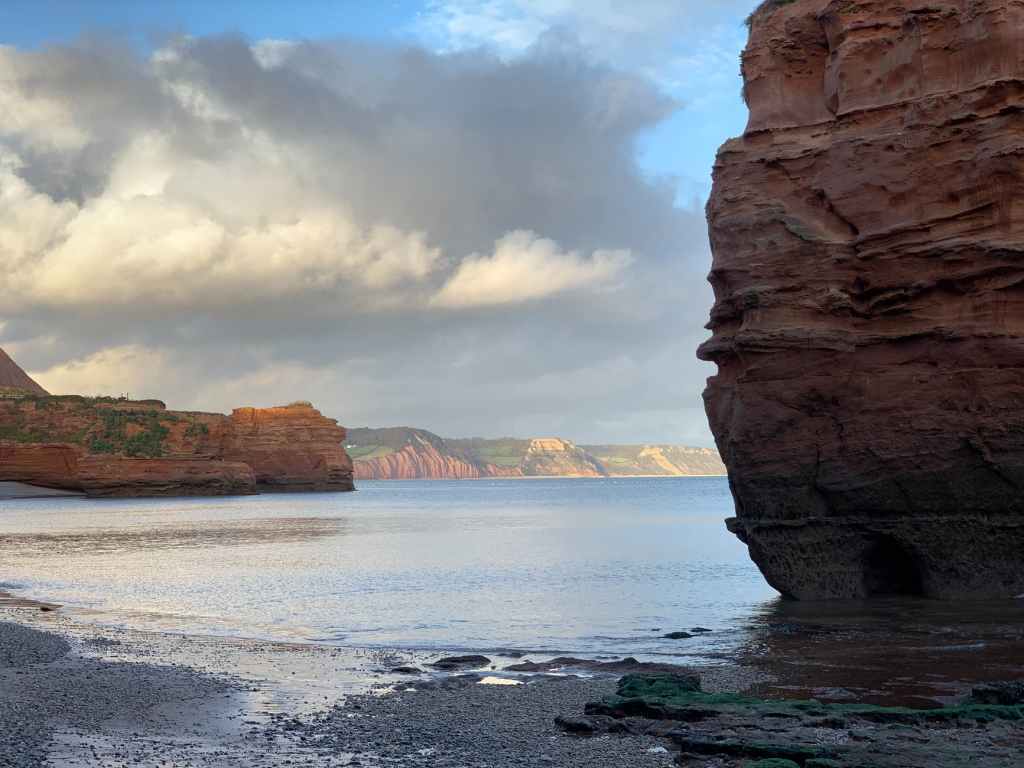
The Jurassic was a crucial period in the history of life on our planet. Allosaurs, stegosaurs, plesiosaurs, icthyosaurs-there’s so much to see,you’d have thought that someone in Hollywood might have made a film about it by now. Recently we set off to explore it, courtesy of England’s famous Jurassic coastline, in the sturdy company of our LSS research team and some long standing readers. It was a long hard series of days, or rather day, clambering over rocks, chipping out all those ammonites, belemnites and oolites, to say nothing of our efforts to preserve, classify and write up our findings in Learned Scientific Journals. By three thirty we were entirely exhausted and returned to our base camp to rest and refresh, before donning some entirely more appropriate apparel and setting out in search of some altogether more congenial discoveries.

It wasn’t long before we found a pleasant cocktail bar in the town of Bridport which was able to offer us several glimpses into the latest advances in Science. Among these we enjoyed an Elderflower Spritz, a Bridport Dagger and a Dark ‘n’ Stormy. But best of all turned out to be their classic Negroni. Connoisseurs will recognise as as one of those outliers, possessing a special quality all of its own, a kind of dry, rich, acerbic almost liquorice-y vibe which no other major cocktail quite captures. An entirely appropriate reward for those who had spent their day at the cutting edge of intellectual progress. No pun intended.

Our hosts were not so foolish as to offer their peculiar recipe. So for today’s little blog we shall fall back on that old favourite The Bartenders Guide[1] which works in ounces, dammit, and leave you lot to take it from here.

In a glass mix 3/4 ounce gin, 3/4 ounce Campari, 3/4 ounce sweet red vermouth over generous broken ice. Stir and garnish with a slice of orange. Now sit back and be grateful that your ancestors, the mammals, finally defeated the dinosaurs. All that effort and sacrifice, so you could enjoy your cocktail today!

[1] Bohrman, Peter: The Bartender’s guide Greenwich 2005

#cocktails #negroni #jurassic

Taxation: it’s all a matter of religion

As we write, Conservative Party of the United Kingdom is about to be engulfed by a war between one Liz Truss (who claims that she will cut taxes now) and one Rishi Sunak (who promises to cut them later). Overseas visitors: is this just a quarrel in a “small, far off country of which you know little, to quote Neville Chamberlain? Or is something relevant to us all going on?

We rather think it is, for it reflects a debate about taxes which assails all civilised societies. And it’s one which we think has become religious and theological, rather than economic and rational.

For those bought up on the Left, higher taxes are an article of faith, as they supposedly bring about a more egalitarian and therefore a more just society. Believers can cite endless sources and texts to support this view, just as is done by the adherents of major religions. There is some evidence to support this view, but it is not conclusive.

For those bought up on the Right, lower taxes are an article of faith, as they supposedly bring about a more dynamic and therefore a more just society. Believers can cite endless sources and texts to support this view, just as is done by the adherents of major religions. There is some evidence to support this view, but it is not conclusive.

We suspect that sometimes taxes should be higher, and sometimes lower, depending on the needs of the economy at that time. Meanwhile we would ask believers on both sides the following questions:

1 Do you believe that nations need collective systems for the safety of their citizens, such as armed forces, systems of justice and regulations on public health?

2 Does history show that even the bravest armies can fail if their weapons systems become outdated or their recruits are defective in health and education? (clue: study the history of Imperial Britain 1880-1945)

3 What happens to nations when the numbers of those who pay in to the common funds is exceeded by the numbers of those who take out? (clue: the History of France 1770-1789 might be instructive here)

4 If you are a patriot ready to lay down your life for your country, are you also ready to lay down some money?

5 Why should anyone work if a reasonably comfortable living might be offered by the work of others?

6 Is “the State” the accretion of government institutions, civil service, flags, army, monarch, judiciary etc? Or is it the small group of people (always rich, aggressive and male) who control the important decisions at any one moment?

We would be interested to learn your responses.

#taxation #direct taxes #indirect taxes #politics

Weekly Round Up: Cavemen, Stars, Base Editing, antibiotics and Imminent Psychological collapse

stories that grabbed us this week

Red Deer Answers Ever since their discovery in 1989,the Red Deer Cave fossils from China have puzzled investigators. What were such supposedly “primitive looking” hominins doing at an an incredibly recent 14000 BCE? The answer is-they weren’t. New DNA tests reveal them to have been fully 100% human, and linked to the population group that first migrated to North America. Two big lessons here: don’t over-interpret your physical data to draw ambitious conclusions : and, when the DNA boys ride into town, everyone else better get out of the way, which is true in several other areas of human science.

http://www.sci-news.com/genetics/red-deer-cave-human-genome-11002.html

James Webb Triumph And right to call it so. for it shows what we can achieve when we lift our eyes from petty narcissistic quarrels down here on earth. The new NASA mission has been a roaring success as early pictures show. Everyone has covered it this week so we’ve selected a piece that really riffs, by Martin Barstow for the Conversation

https://theconversation.com/james-webb-telescope-a-scientist-explains-what-its-first-amazing-images-show-and-how-it-will-change-astronomy-186668?utm_med

Base Editing is the new cool Stand aside CRISPR, here comes base editing, an even newer genetic engineering technique which could make life better for millions-and well into the future We’ll let Nature explain more: Base Editors reach the clinic

A US biotechnology company, Verve Therapeutics, says it has brought the first base-editing therapy to the clinic. Last week, a person in New Zealand received the gene-editing treatment to target an inherited genetic disorder that causes dangerously high cholesterol levels. And other base-editor trials are set to start soon. These therapeutics are designed to permanently change a single letter in the genetic code at a specific location without making breaks in DNA, like CRISPR does — hopefully avoiding some types of genetic typo.The Washington Post | 5 min read & Nature Reviews Drug Discovery | 11 min read

Antibiotic Resistance is real We bang on about antibiotic resistance a bit here, but we can be a bit ivory tower about it, we know. But here’s a link, courtesy of Gaynor Lynch, which shows the consequences up close and personal

https://www.bbc.co.uk/ideas/videos/i-lost-my-son-because-of-antibiotic-resistance/p0cgmypx

Signs of imminent Psychological collapse Sometimes complete personality melt down followed by a nervous breakdown can creep up without the victim even knowing. Psychiatrists look for early warning signs. We believe one such is if you start entertaining feelings of sexual attraction for any of the candidates in the current Tory leadership contest. We’ll leave judgements on their policies regarding the economy, foreign affairs, welfare and culture to greater experts. But if you look at any of this lot and go “phwoar”, then we think you may need help.

this little piece from the Guardian shows a fair selection of the candidates charms, in case you have missed them, but you’ll find them all over UK media at the moment.

https://www.theguardian.com/politics/live/2022/jul/16/tory-leadership-race-rishi-sunak-keir-starmer-uk-politics-live-latest-news

#james webb #antibiotics #nasa #james webb #base editing #human origins

Friday Night Cocktails: What Dr Bronowski got wrong about the Neolithic

Recently we had occasion to revisit The Ascent of Man, Dr Jacob Bronowski’s hit 1973 series about human progress. Opinion has always been divided on this show as it is on so many cult classics. To some, it was always “windy b*ll*cks”. To others, an earnest and erudite attempt to educate a broader public and draw them into the delights of science and technology.

For us, the series peaked early in episode 2, which dealt with the Neolithic Revolution, when people learned at last to domesticate animals and plants, settle down and leave behind the life of smelly old ape-men. In it, the Good Doctor waxes with lyrical enthusiasm about early forms of wheat, and how that led to bread and cities and so on. All very worthy-but wasn’t an even more important discovery left out entirely? Like, a drop of booze, to comfort you after a long day building all those temples and shearing all those sheep? Who discovered wine? Who cracked open the first beer? Where?

Almost fifty years on, we can at last start to answer those questions, with the help of Wikipedia [1] and some other links we have for you. According to them, the honour goes to some unknown geniuses in what is now Israel, as long ago as 11 000 BCE. Read this extract:

The oldest verifiable brewery has been found in a prehistoric burial site in a cave near Haifa in modern-day Israel. Researchers have found residue of 13,000-year-old beer that they think might have been used for ritual feasts to honor the dead. The traces of a wheat-and-barley-based alcohol were found in stone mortars carved into the cave floor.[4] Some have proposed that alcoholic drinks predated agriculture and it was the desire for alcoholic drinks that lead to agriculture and civilization

Almost before goats, wheat and pottery, then. That’s pioneering. That’s progress. At least according to the way we look at the world on a Friday night. Just for balance, we have included a second link to Thought.Co and another superb website

And so to our conclusion. Were the BBC to come marching round here and ask us to do a re-make, what would we call it? The Delayed Ascent of Man after a Heavy Night? The Ascent of Man, followed by a Drunken Fall? One thing is sure: it won’t be the features section of Fox News who contact us. They’ll concentrate on the Ape Men.

[1] https://en.wikipedia.org/wiki/History_of_alcoholic_drinks

[2] https://www.thoughtco.com/history-of-alcohol-a-timeline-170889

[3] https://www.bivrost.com/the-first-drop-the-discovery-of-alcohol/

#alcohol #beer #wine #wheat #barley #neolithic

Abuse of Health Carers-time for a law

Young readers, you can say” I want to become a Doctor!” But don’t say those words lightly. For the decisions you will take, the amount of instant knowledge you will need, the hours you will work and the relentless pressure you will face will not be light things. It’s the same for nurses too. And for ancillary workers like ambulance workers, reception staff and x ray folk. We know, we’ve interviewed them or spoken with them all.

But worst of all is the abuse they face from those for whom they risk so much to save and help. [1],[2] We once witnessed the busy staff of a large London Emergencies Department insulted threatened and slandered by a man who, three hours earlier, had been brought in on the point of death. One of his accusations was that they had stolen his cigarettes-“all you nurses are the same” he whined in a display of the basest infantile narcissism. The examples we have chosen are more or less at random from England’s NHS; but they could stand as examples for most health systems in most advanced countries.

And so we think it is time for a specific law in our country designed to protect our frazzled health care workers from deliberate and aggressive abuse, physical and verbal, from patients any others who may be with them. Declaration of Interest: we don’t work in healthcare. But we know it to be a noble, humane and rational calling, representing what is best in humanity. Time to help preserve one of our most precious resources. We hope you’ll press for such a law in your country too.

[1]https://www.bbc.co.uk/news/uk-england-northamptonshire-58765359

[2] https://www.bbc.co.uk/news/uk-england-devon-59459583

#healthcare #doctors #nurses #abuse

Heroes of Learning: Shelley and the ultimate epitaph

This year sees the bicentenary of the death of the great Romantic Poet Percy Bysshe Shelley (1792-1822) We won’t dwell here on many things: his rockstar lifestyle: most Romantic poets could claim that. His applecart upsetting and getting chucked out of Oxford -no one minded atheists who kept their mouths shut. His irregular sexual habits-Byron could Trump him there. Or even his collaboration with lover Mary on the first part of the Frankenstein franchise-she rightly gets most of the credit. Because all is much better said and done in this link to a Conversation article by Amy Wilcockson.[1]

No, what grabs us at LSS is his realisation that there is such a thing as society. Because while such luminaries as Jane Austen were writing complicated novels about pretty ladies in rather comfortable country houses, with not a thought as to what was going on outside, Byron, Shelley and the others were passionately committed to reform, progress and freedom, even to the point of death. The wrote about the State and the people who run it. The ruler with the puffed up pride, overweening narcissism, and ultimately short shelf life was as relevant to them as it is to us now. And look how Shelly captured it in Ozymandias (you will know him as Rameses II, gentle reader, the one who probably chucked Moses out of Egypt) We hope the superb Poetry Foundation will forgive us if we repeat a large chunk of their page, we’ll link to the lot below[2] Because this one is so very good, we don’t want you to miss it

  I met a traveller from an antique land,

Who said—“Two vast and trunkless legs of stone

Stand in the desert. . . . Near them, on the sand,

Half sunk a shattered visage lies, whose frown,

And wrinkled lip, and sneer of cold command,

Tell that its sculptor well those passions read

Which yet survive, stamped on these lifeless things,

The hand that mocked them, and the heart that fed;

And on the pedestal, these words appear:

My name is Ozymandias, King of Kings;

Look on my Works, ye Mighty, and despair!

Nothing beside remains. Round the decay

Of that colossal Wreck, boundless and bare

The lone and level sands stretch far away.”

We’ve seen more than one mighty ruler fall recently. There may other soon to come. But before you put in your candidates for who’s next, ask this with Shelley: why do they bother in the first place?

[1] https://theconversation.com/percy-bysshe-shelley-at-200-how-the-poet-became-famous-after-his-death-186616?utm_medium=email&utm_campaign=Latest%20from%20

[2] https://www.poetryfoundation.org/poems/46565/ozymandias

#shelley #byron #keats #romantics #poetry #rulers

Friday Night Cocktails: Pineapples, Delicious Drinks and an intriguing mystery

“The nights are getting warm”, to quote Thin Lizzy. No fruit captures the gathering tropical vibe so well as the pineapple for the basis of a really refreshing cocktail. [1]. According to Wikipedia:

The pineapple[2][3] (Ananas comosus) is a tropical plant with an edible fruit; it is the most economically significant plant in the family Bromeliaceae.[4] The pineapple is indigenous to South America, where it has been cultivated for many centuries. The introduction of the pineapple to Europe in the 17th century made it a significant cultural icon of luxury. Since the 1820s, pineapple has been commercially grown in greenhouses and many tropical plantations.

Well, you can drink the juice raw- we guess it’s probably pretty good for you in moderation. But how much more creative to mix it with a few extra ingredients, such as rum for example, to make a really sophisticated cocktail which you can enjoy beside summerhouse or pool! We’ve got three for you this week, all based upon The Ultimate Cocktail Book by Hamlyn.[2] Followed by an intriguing mystery upon which you may wish to speculate as you sip one of the recipes below

The Piña Colada You knew this would be in there, didn’t you? Always a great standby. Hamlyn tell us to take a generous quantity of cracked ice, 1 measure of white rum, 2 measures of coconut cream and 2 of pineapple juice. Shake in a mixer and pour, con hielo, into a large glass and decorate with cherry, orange slice and a large chunk of pineapple. Try not to drop the latter down your best Dorothy Perkins cocktail frock, ladies!

Planter’s Cocktail No problems with that tricky Spanish ñ, ladies and gentleman. The pineapple here acts as chunky fruit to give some extra welly and annoy the posh people at the next table as you scoff it after the drink. Into your favourite shaker add four large ice cubes, 1 measure of dark rum, 1/2 measure orange juice, 1/2 lemon juice 2 dashes of the old Angostura bitters and a teaspoon of powdered sugar. Shake until that shaker’s got a frost like Lake Lagoda and pour into a long glass. Super decoration basically involves as many chunks of pineapple, banana and orange spirals you can squeeze in/around. How’s that for tropical?

Havana Zombie “havana-vana-vana-vana. With Rihanna” or something like that goes the old song. It may be one of the last holdouts for Communism, but they sure know how to mix a cocktail for all those bourgeoise tourists who bring in the foreign exchange! Take 4-5 ice cubes , the juice of a single lime, 5 tablespoonsful of pineapple juice , 1 teaspoon of sugar syrup, 1 measure of white rum, one of golden rum (we think Captain Morgan do one) and one measure of dark rum. This time put into a mixing glass, and stir, don’t shake. Now pour into a real glass. The rum blends are quite intriguing if you get it right, and aren’t too drunk to taste properly any more.

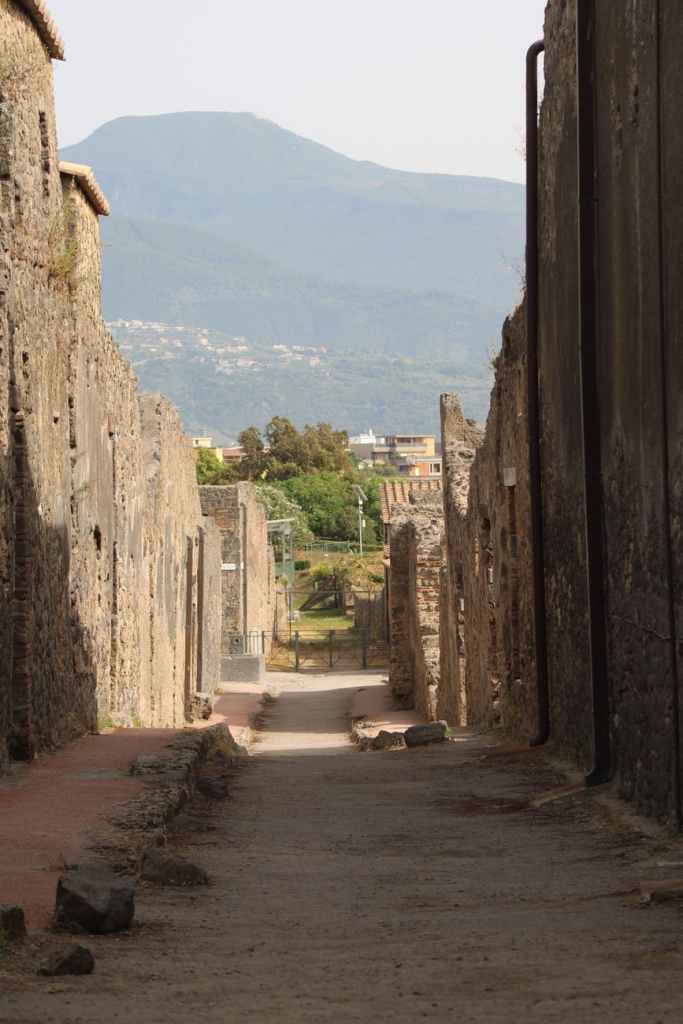
And now a pineapple mystery: Anyone with a little cultural education will know that the ruins of Pompeii, the old Roman town in Southern Italy represent one of our best insights into everyday life in the Graeco-Roman world. So it is intriguing to see a picture from there which appears to depict a pineapple! Be advised: the pineapple is strictly a new world fruit and so before Columbus could not in any way have appeared in the Mediterranean. Is there an outside chance of trade contacts across the vast Atlantic in Roman times? Although the likely answer is no, look at the link we have provided, and as ever, judge for yourselves.[3] The Roman section, obviously!

Have a good weekend.

[1] https://en.wikipedia.org/wiki/Pineapple

[2] The Ultimate Cocktail Book Hamlyn 2002

[3] https://en.wikipedia.org/wiki/Pre-Columbian_transoceanic_contact_theories#Claims_of_travel_in_Roman_times

#cocktails #pineapple #pre-columban trade

British Crises: a sly, wry word from Alfred Duggan

The fall of a yet another short-lived British Prime Minister in the midst of deeply unstable and ambiguous relations with Europe reminds us of how curiously we have been here before. At least, you would if you read the novels The Little Emperors and Conscience of the King by Alfred Duggan, both written in 1951.

Duggan, scion of Irish-Argentinian stock moved in the highest Tory circles of the old British Empire in its last generation. After Oxford, dissipating a fortune, and honourable service in World War II, he settled down to marriage and the production of short, easily readable novels about real, but slightly less well covered periods of history. Not so much Henry VIII or Augustus as people like the outrageously gay Emperor Elagabalus, the pious but devious Edward the Confessor or cunning Count Bohemond of the First Crusade. Nowhere are his insights and talent better shown than in the Diptych of novels which cover the obscure and tragic period of the fifth century as settled, prosperous Roman Britain descended into anarchy and economic collapse. The Little Emperors tells the story of a pompous civil servant in Londinium who watches the rise and fall of a string of short lived Emperors who try to manage the breakaway of Britain from the Empire. None succeed; and he flees to the barbarians, convinced that his Rome and his world are truly lost.

Conscience of the King takes up the story two generations later. It tells of the ruthless sociopath Cerdic, who after a some life as Romano-British Aristocrat also deserts to the Barbarians, this time the Anglo Saxons, where he makes himself the first King of Wessex (and incidentally founds the royal line which leads to our present monarch, Elizabeth II) Lying in his royal hut at the end of a long life, he cannot forget that he was once an educated man, and on the side of civilisation. He has survived, but everything else has gone wrong. Why? And he makes this reflection:

I was born into a world where the Roman order seemed destined to last forever, all the more because we had got rid of the drain in money and troops caused by our previous rulers to succour or overthrow the central government in Italy. We seemed to have taken the best things in European Civilization, and rejected the tyrannous central organization of the Empire

But you cannot choose the best out of two worlds in that way. We light-heartedly broke with the Emperor, thinking that all the honestiores of Britain would then become little Emperors on their own. Too late we discovered that Rome really gave us something in return for the gold that left the province and that it was something we could not replace from our own resources

The pound sinks, as does investment. Inflation rises, choking all hope of economic progress. Strikes abound, and may lead to further disintegration. The next Emperor must finally resolve our ancient equivocation over Europe. Or their reign will be shorter even than this one’s.

Thanks to Mr Lindsay Charlton of Kent for the idea for this post

#alfred duggan #roman britain #wessex #london #roman empire #brexit #united kingdom