the next part of our series on the transition to a new world
We promised you, gentle readers, a series based this war. Our thoughts on how it began, what happens now, and what might yet be to come. And how we dreaded writing some of them! Especially the one about how we got here. Complicated or what?
Fortunately, we found the work of Keith Gessen. Ladies and gentlemen, this little piece he put in today’s Guardian is so remarkably fair, full and above all clear, that we recommend it wholeheartedly and without further ado.[1] And don’t be put off by the “long read” strapline, because it’s really not that long at all.
The story dates at least to that fateful coup d’etat in 1991 and has one central theme. Mistrust. The Baltics and others could never trust the Russians, and longed for NATO/EU membership as the ultimate guarantees of freedom. Russia smarted from what she saw as a humiliating defeat in 1991. Every political change in Russia, or any or any of the border republics, was seen as evidence of nefarious American purpose. This was especially true of Putin and his coterie of KGB men who seemed unable to ask a simple question “why might people prefer the West to us?”
In the end all roads lead back to Putin, who believes violence and terror are the only certain guides to human conduct. His concerns therefore cannot be with the real or imagined grievances of national minorities, or local lines on maps. They are pretexts for a bigger project: the restoration of the USSR in its entirety. And who can say with confidence that this time it will stop on the Elbe?
A new heaven and earth -part 2 :The world we left behind
The world which was snatched from us on 24th February 2002 was not perfect. Our astute readers will be aware of many of its imperfections Yet this Lost World was actually trying to solve some of them and might have done so, but for Vladimir Putin.
Climate change was the obvious one.[1] COP 26 for all its faults marked a genuine momentum towards net zero emissions. Now the urgent need for energy, any energy has all but vitiated climate reform for many years. If your home is drowned by rising waters, blame Vladimir Putin. The same is true with this blog’s own little obsession with antibiotics. The urgent needs of war and refugees will destroy attempts at rational prescription, and much research capacity will be diverted to military ends. If your child dies of an antibiotic resistant disease, blame Vladimir Putin. We could say much the same about his destruction of the global market, which was doing so much to lift billions out of poverty.
Yet his real legacy will be far more terrible. Older readers will recall how Ukraine gave up its Soviet era nuclear weapons in1994. A real gesture to peace and trust. Now it has been invaded by a nuclear level power. We doubt that would have happened if Ukraine had kept its nukes. The message to nations large and small is: get nukes! And if you have them, keep ’em at all costs! The risks of nuclear wars is now infinitely enhanced. And if you die in one, perhaps from the explosion, the burns, or cancer, you will know who to blame.
[1] This Financial Times article is via Nature Briefings
On top of the human suffering and death that Russia’s invasion of Ukraine is causing, it will complicate global cooperation on climate change and the transition to greener energy. The conflict could make some European countries in Europe more reliant on coal in the short term, as they work to break their dependence on Russian gas and oil. The good news is: Europe is increasing its investment in clean energy. “Many of the strategies to lower dependency on Russia are the same as the policy measures you want to take to lower emissions,” says energy-politics researcher Thijs Van de Graaf. “They say, never waste a good crisis.”Financial Times | 10 min read
#russia #ukraine #vladimir putin #zelensky #ukraine war #nuclear proliferation #weapons of mass destruction
At times of stress everyone needs a little escape. Gentle readers, we’re going to offer you Euronoir– the genre of crime, murders, mysteries and general skulduggery in the lands of our Allies. Yes, you’ll never surpass the American masters like Hammett and Chandler. But you can be just as good. And no, we haven’t read it all, we’re on a journey of discovery as well. Let’s tell you about what we’ve found so far.
Maestro of the Euro mystery novel is Manuel Vázquez Montalbán (1939-2003) who brought the world a tough private eye called Pepé Carvalho. Something of an outsider-he hails from Galicia and, unlike our other characters, has no Police department to back him up. Pepe’s adventures began in Barcelona of the 1970s. A grainy treacherous world of criminals, whores and big shots set against the background of Spain’s lumpy transition from Francoist Dictatorship to fragile democracy , with all its moral compromises. As the series progressed, Carvalho’s pursuit of murderers spread out across the world, giving him ample opportunities to pursue his spare time interests of fine food and accommodating ladies. We recommend the early work Tatuaje (1974) as a starter.
There is no greater tribute to a writer than another great writer paying him homage. That’s why Andrea Camilleri (1925-2019) named his detective Salvo Montalbano. Geddit? Those of you who have seen the TV series will know how this intelligent, grumpy man negotiates his way through the underbelly of modern Sicily. He has problems enough with subordinates, criminals and the local Mafia. But the real angst is from the network of well-padded police chiefs, politicians and judges who sit above him: Camilleri’s oblique slant on the mores of his society and the way it functions, or does not. Like his Spanish ancestor, Salvo is a bit of a gourmet, and is not immune to the charms of the female of the species. For an intriguing, funny and deeply moving mystery we recommend Il Cane di Terracotta (1996) which we know you will find in English and Spanish!
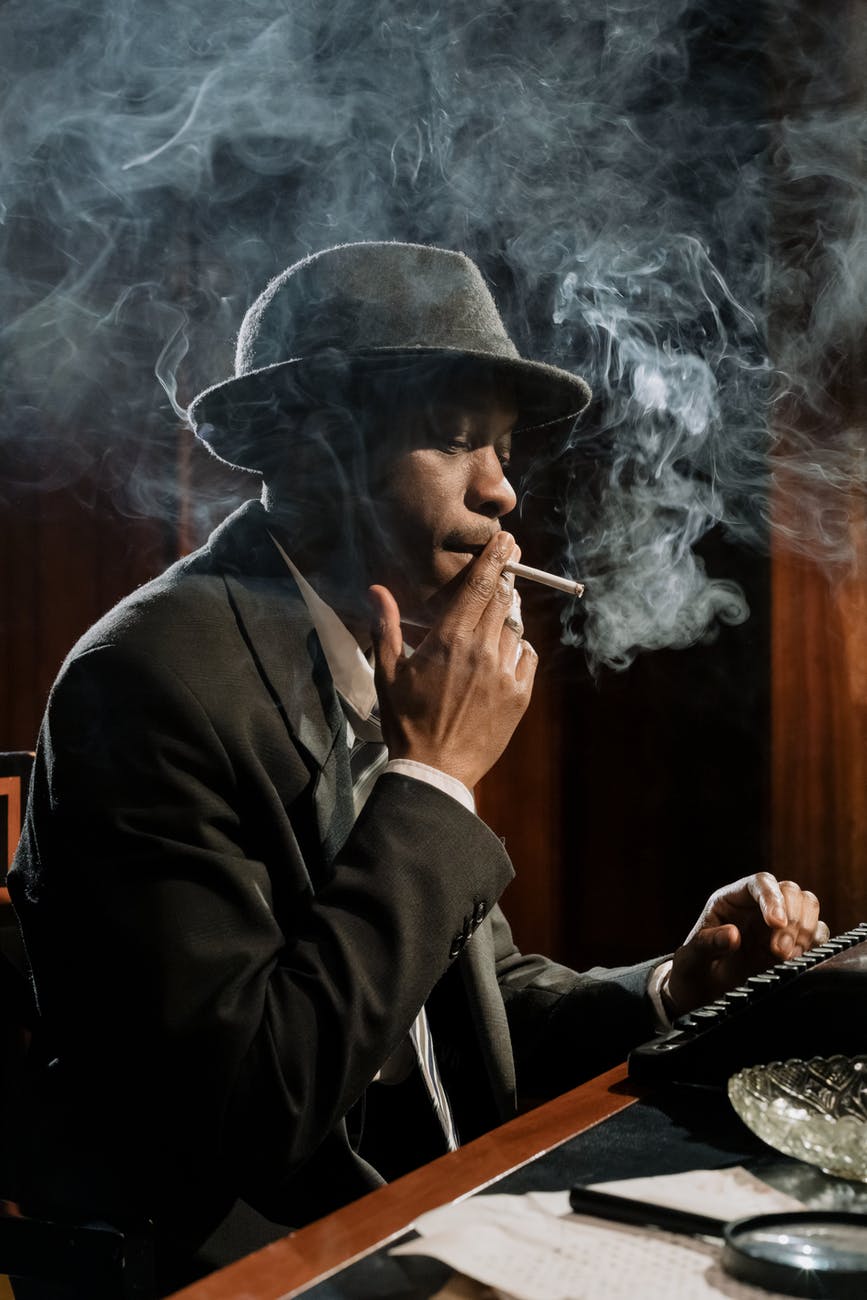
The moody atmosphere of Galician rías and fishing towns is captured by Domingo Villar (b1971). His chain smoking Policeman Leo Caldas and his good natured, violent side kick RafaelEstévez pursue their killers against a background of tight-knit suspicious communities, dark secrets and their own bickerings and doubts. Leo’s personal cross is being forced to make regular contributions to a local radio show whose vacuous host is a cryptic synecdoche of the shallowness of much of modern society. La playa de los ahogados (“beach of the drowned”, 2006) is a great place to start, but you’ll find the translation sold as Death on a Galician Shore.
Spain is a land of competing jurisdictions, There’s a Guardia Civil, a Policia Nacional, a Policia Municipal and other forces in certain regions, all jealously guarding their respective rights, labs, crime scenes and shares of the pot. So Lorenzo Silva‘(b 1966) makes Guardias Ruben Bevilacqua and his assistant Virginia Chamorro negotiate any number of tripwires before they get near a murderer or a witness. Spanish readers will have guessed that Ruben too is a bit of an outsider, having been born in Uruguay, and it doesn’t help his concentration that Chamorro, like Spain, is both attractive, and yet quite unavailable. We won’t spoil El Alquimista Impaciente(2011) too much except it’s got something to do with dirty dealings in a nuclear power station. Which makes it rather scary, especially now.
As we set off to discover more, we hope you will too. Next time you’re on holiday remember-behind the hotels bars and cafés there may be murky goings-on. Salud!
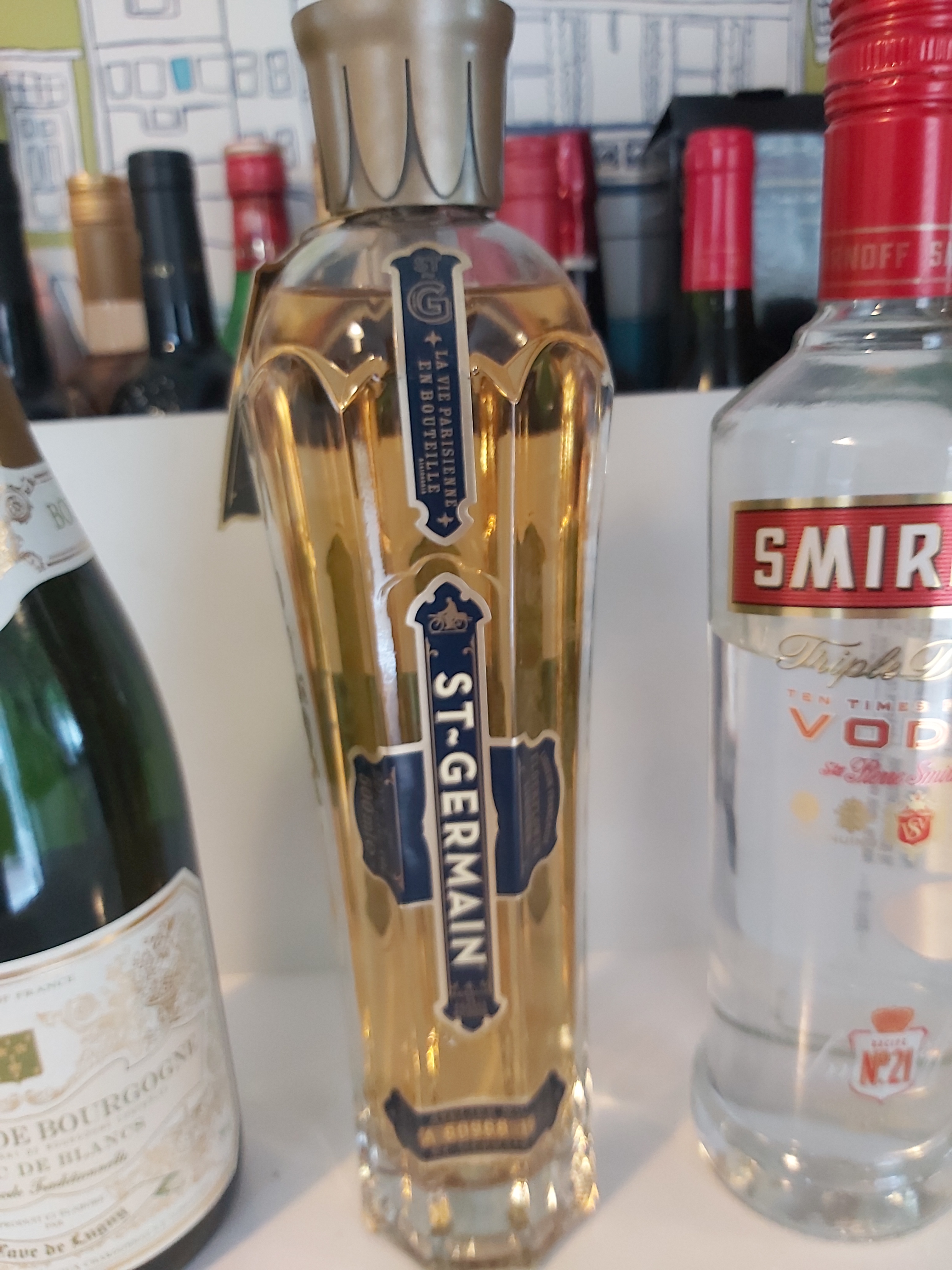
Back in the 1970s, Vladivar marketed itself as the “Vodka from Warrington” with heavy plays on Soviet jokes and all things Russian. The Soviet Embassy protested, but to no avail as there was no KGB agent able to deal with the upstart company (that came later in Salisbury, you may remember) We are pleased to report that Vladivar are still trading: [1]and their stuff is still brewed in the free world, albeit no longer in Warrington. Smirnoff too state that all their juice is made and bottled outside Russia, and we will take them at their word.[2]
But today we raise the ante with a marvellous site called Coffee or Die with thier Boycotter’s guide : five Ukrainian Vodkas [3]whose sale purchase and consumption will annoy ol’ Puters and his gang. Because however small the step, it’s worth taking. So yes, you can drink Vodka. And as you do, think of the brave Ukrainians who are fighting everyone’s battle. No cocktails for them.
And I saw a new heaven and a new earth: for the first heaven and the first earth were passed away Revelation 21 .1
The invasion of Ukraine has changed the world forever. Geography, politics, economics and culture, even the way we feel, will never be the same again. The reverberations of 24th February 2022 will be felt by generations yet unborn. In the next few weeks we at LSS will be running a sequence of pieces in response. They will look at things like how we got here. Back at the age we have lost. How things in our new world may start to play out. The opportunities we have now missed. And maybe, just maybe, how something positive may be salvaged from this mess-if only for the sake of the children.
To start you off, we have chosen Robert Peston of ITV. Always an admirable thinker, his piece called How Putin has killed globalisation and what that means for us, is a must-must-must read. [1] Robert starts with economics, then draws his conclusions appropriately
Firstly, it’s the final death of globalisation (the patient has been sick since 2007). This is bad news for people in new economies like India and China, where living standards have been rising. But it’s good news for people in the old rustbelt towns in the US and elsewhere. Because supply chains will shorten, manufacturing will be repatriated, and wages will rise. However, so will inflation. Traders will no longer be able to source the cheapest product, and the world will divide into “capital blocks”, meaning interest rates will rise and stay high. Security will trump efficiency, always. Perhaps most significant of all is this extract from the end of Robert’s article:
…. unless we recognise the magnitude of the shock this crisis has caused to us, we’ll be less able to challenge the current tyrant, his imitators and successors.…..
……….we may decide that the definitive moment globalisation died was when China, India and South Africa all abstained on the United Nations Vote condemning Putin’s invasion.If they are so alienated from the global rules and norms that have delivered rising prosperity to them in recent decades, we have to look much more to ourselves for our economic security.
To which we add: there can be no economic security without political and military security. You have been warned.
One thing we do know. The quicker you can identify a cancer and stop it spreading, the more chance you have of stopping it in its tracks. Any new way of doing that has to be good. Now a remarkable application of Fractal mathematics may do just that.
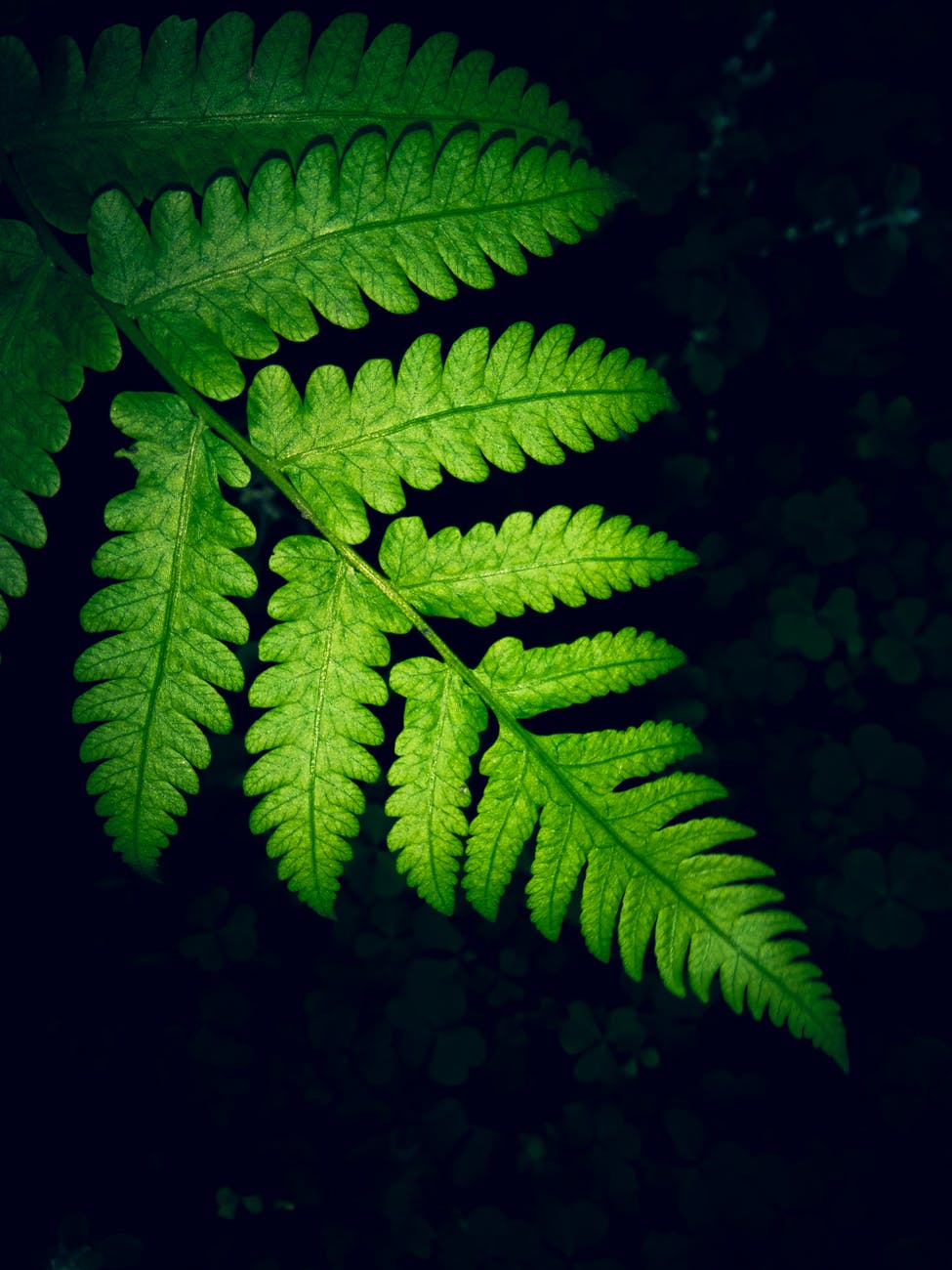
Most readers will have some ideas of what fractals are. It’s a branch of geometry that studies ever repeating patterns and the way they change. The work of Benoit Mandelbrot(1924-2010) is a good place to start if you want to know more. At first it all seems very abstruse and pure mathematics sort-of-stuff. But actually we find examples of fractal patterns in nature, such as the fronds of ferns. So they could be useful in human health.
Which is exactly what American research teams think. Your link today by Juan Matias Sepulcre Martinez of El Pais describes how the fractal analysis of tissue patterns may reveal the early warning signs of developing tumours. (spoiler alert for anglophones-you’ll need to hit the ol’ translator button) It’s early days yet. But it proves one old trope we keep banging on about-today’s pure research is tomorrows application.
Imagine if all the money the world is spending on Putin’s ego-trip into Ukraine were spent on research-what would our lives be like then?
Ever since we have been following human evolution(and it’s a long, long time) we’ve noticed one constant thread: the splitters v the lumpers. Outsiders may require a little gloss at this point, so here goes
Splitters: Tend to give every new fossil they dig up a new species name wherever possible. Live in a world of bones, measurements, cladistics and statistics. We could fill a paragraph with the names of species and genera they have named and, quite often, change. Have made most of the running for the last 100 years or so, but:
Lumpers Tend to downplay the extent of the differences between all the different bones and look for long lineages changing slowly in time. Recently have received support from advanced DNA and other genetic studies which suggest modern human DNA is a “mosaic” of bits from different places in space and time. And some of it from beings whom the splitters insist were not fully human.
It is in this light that we invite you to look at this fascinating piece by Yan Wong and Antony Wilder Wohns for the Conversation.[1] They’ve tried to pull together gene sequences from all kinds of humans, including Neanderthals and Denisovans, and have a fascinating animated graphic suggesting a true origin in Africa for us all, maybe around 2 million years ago. Splitters will love that this seems to fit with the appearance of Homo erectus/ergaster-but still can’t decide if they were one and the same.
Learning goes on in every field (and will even survive Mr Putin) and scholars will always fight over small differences, as their shaggy ancestors did long ago. Meanwhile, keep smiling, keep an open mind, and delight in every new discovery of human intelligence. We will win in the long run.
Overwork is the curse of the Professional classes We know of Forensic Scientists, Police Officers, Teachers, Doctors and many others who have come to hate their work and leave , due to burn-out caused by overwork. Now it seems to be affecting University Academics, who should have the best time of all. Not any more, as this snippet from Nature, titled Huge Strikes at UKUniversities makes clear
Thousands of academics walked out of universities in the United Kingdom this week to protest against poor pay, unmanageable workloads and cuts to their future pensions. “Before, staff were angry, now they’re like: ‘I’m done with it,’” says vascular biologist Lopa Leach. “We’re just at the end of our tether, really.” The row is likely to escalate further. On 22 February, the board that oversees the pensions scheme at the heart of the debate — the Universities Superannuation Scheme — voted to ratify proposed cuts and reject a union counterproposal.Nature | 5 min read
What is a bacterium? Classification of living systems into things like species , classes phyla and so on is one of the most powerful tools we have. Yet even some of the most profound lines, like the one between procaryotes and eucaryotes can seem a little blurred at times, as this amazing discovery Largest Bacterium ever discovered shows. Nature again
A newly discovered bacterium, Thiomargarita magnifica, challenges the definition of a microbe: its filament-like single cell is up to 2 centimetres long. T. magnifica achieves its unprecedented size by having unique cellular features: two membrane sacs. One is filled with its genetic material; the other, which is much larger, helps to keep its cellular contents pressed up against its outer cell wall so that the molecules it needs can diffuse in and out. Researchers have dubbed these sacs ‘pepins’ — inspired by the pips in fruit — and note that they blur the line between single-celled prokaryotes and eukaryotes (the group that includes humans), which pack their DNA into a nucleus.Science | 6 min read Reference: bioRxiv preprint (not peer reviewed)
The lure of the con Everyone can fall prey to scammers. Why? This article by Meg Elkins and Robert Hoffman for the Conversation discusses why
Sad Dogsof Mourning A rather moving story about how our closest animal friends feel loss and grief. We have heard anecdotal evidence that cats may do this too. Nicola Davis for The Guardian
Where were you in June 1983? come to think of it, why does it matter? Because according to our calculations it was the midway point between the end of World War 2 and what seems to be World War 3. For between the signing of the Japanese article of surrender in September 1945 and Vladimir Putin’s invasion of Ukraine on 24 February 2022 the world enjoyed 77 years where there was peace somewhere, and even the hope it might continue. Numbers are fuzzy things when you work up close, but according to our calculation, the mid point would have fallen in the summer of 1983, perhaps in June. From then on, without knowing it, you were steadily moving closer to World War Three than you were to the previous conflict.
What was it like in that long-lost summer? Well Mrs Thatcher won a resounding majority of 144 in the UK General Election. James Bond starred in his thirteenth film, Octopussy. The charts were topped by the Police with their popular ditty Every breath you take (although with hindsight David Bowie‘s China Girl seems ominously prescient) And Edmund Blackadder made his debut on UK TV.
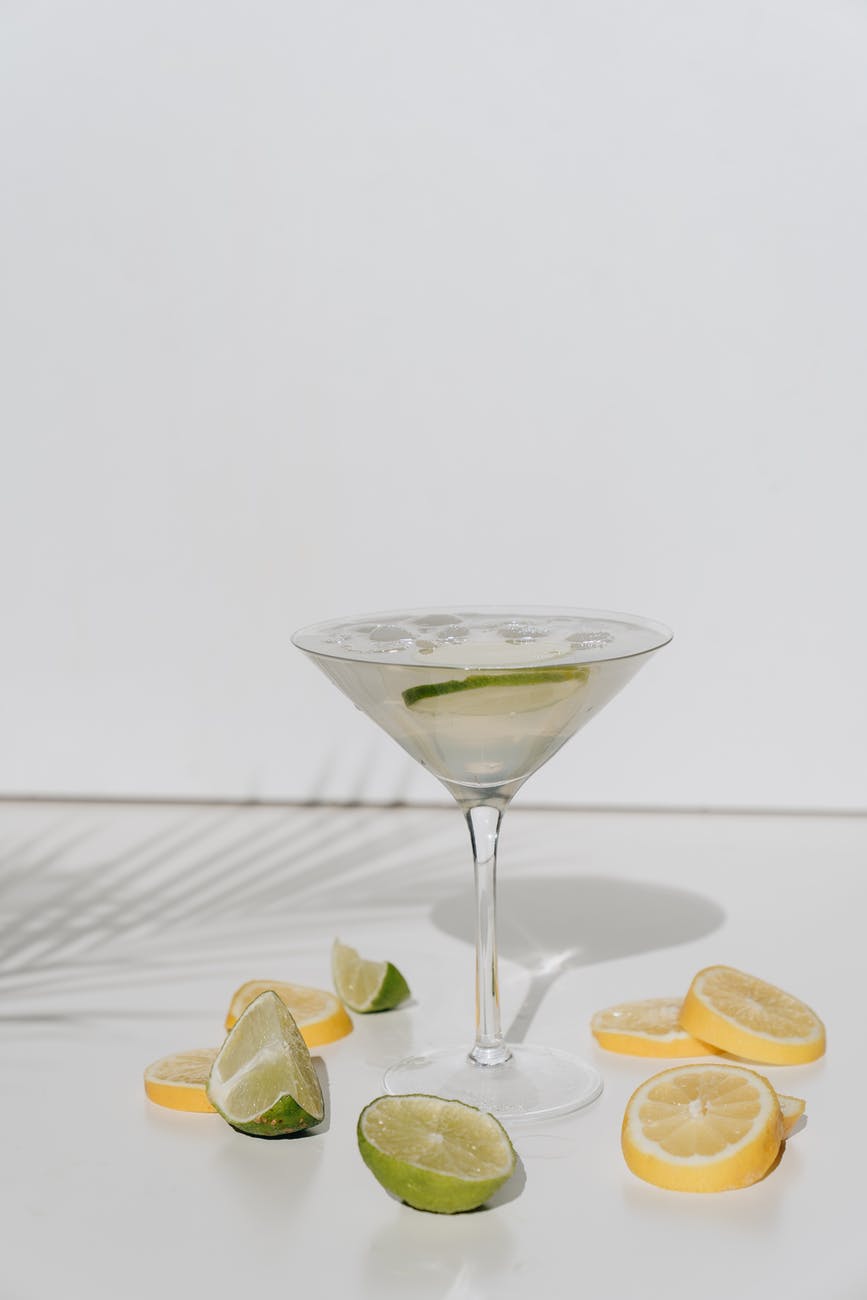
It was a brash, raucous age. Cocktails were on the way in at all levels of society. Perhaps none so captures the mood of the times as the famous Piña Colada. Everyone from Lanzarotte to Mid-Lanark ordered one, because for many it was the only name they new in that far off summer
So to bring back the spirit of those times take a cocktail shaker. To it add two measures of coconut cream, 1 measure of white rum and two measures of pineapple juice, Shake and pour to a hurricane glass an decorate with a cherry, pineapple slice and orange slice. A raise a toast to the brave people of Ukraine ,and the brave protestors in Russia. Both are attempting to resist a monstrous tyranny, and so are braver than you or we will ever know how to be.
#cocktails #ukraine #russia #1983 #soviet union #totalitarian
No one ever captured the terrible change from peace to war as well as WH Auden in 1st September 1939. The dream like feeling of a new terrifying age forming around us, while still surrounded by the comfy furniture of the old. Here he is on the day that Hitler smashed into Poland
I sit in one of the dives On Fifty-second Street Uncertain and afraid As the clever hopes expire Of a low dishonest decade: Waves of anger and fear Circulate over the bright And darkened lands of the earth, Obsessing our private lives; The unmentionable odour of death Offends the September night.
We take this from poets.org The full poem can be found by clicking this link to their superb site
1939 is not really so very long ago. Older readers will remember their parents’ stories of that war. The same issues are are stake now. Victory was won because we were happy to cast aside our old pleasures, habits and beliefs. If the dictator wins they are gone anyway, because in a dictatorship no one else can ever have free title to anything except for the dictator. So let things boil down to essentials, and be happy with them, because they are yours.
And, just like 1939, there is one question. When there are so many urgent problems in the world, and so many opportunities to make things better, why did Vladimir Putin chose to do this?









 Learning, Science and Society