Saturday Round up-Rafts, helicopters and more Scotch

Things that made us genuinely intrigued in this week’s news and feeds

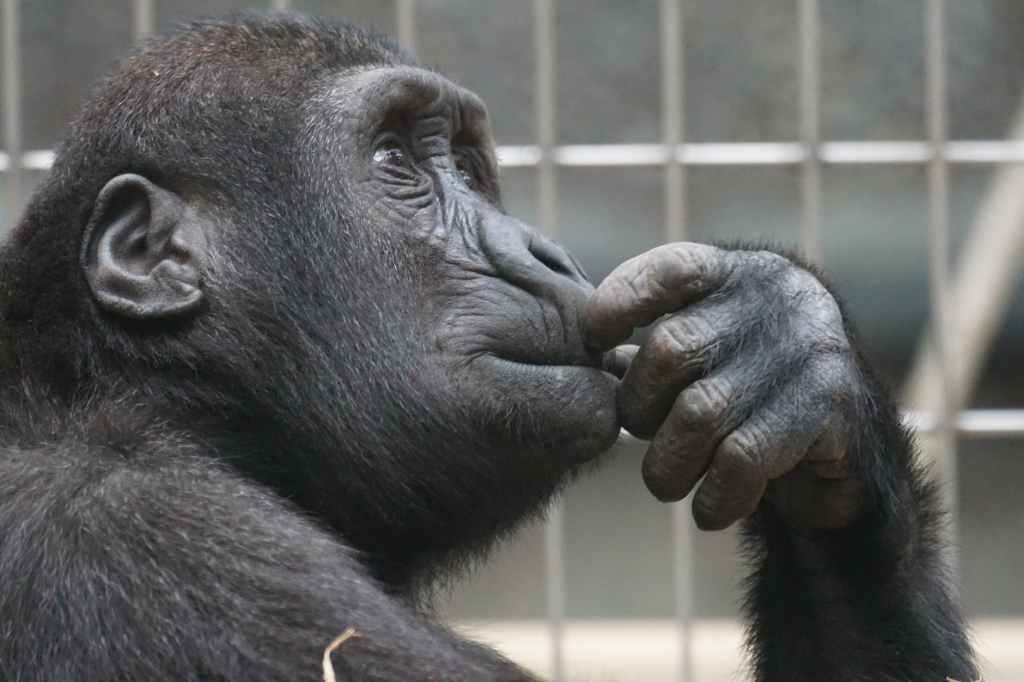
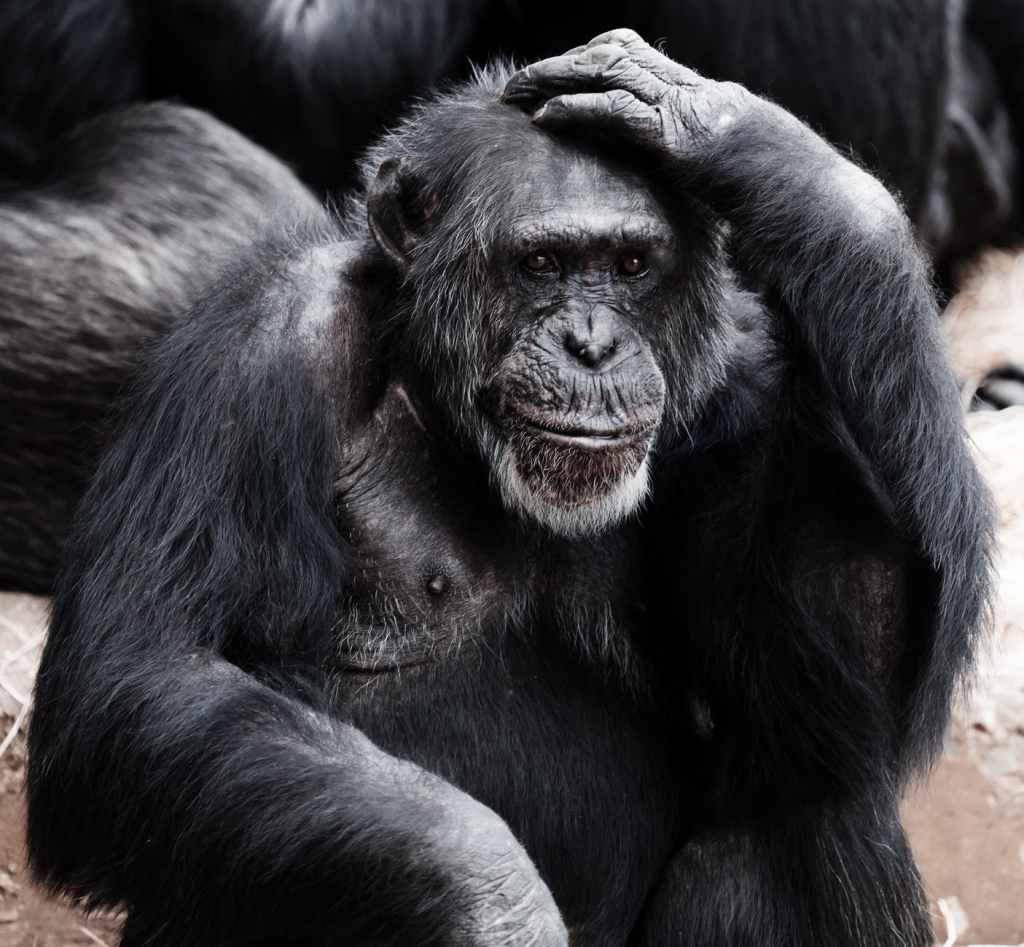
Humans weren’t the first sailors– How on earth did all the different animal species end up in such curious spots? Especially ones like mammals, who evolved as the continents were splitting up? Incredibly, a new study suggests they may have survived on natural rafts, making their landfalls in new areas and evolving rapidly into new forms. . We say the jury’s out,but an intriguing and imaginative piece of work nevertheless Here’s The Conversation:

https://theconversation.com/one-incredible-ocean-crossing-may-have-made-human-evolution-possible-157479?utm

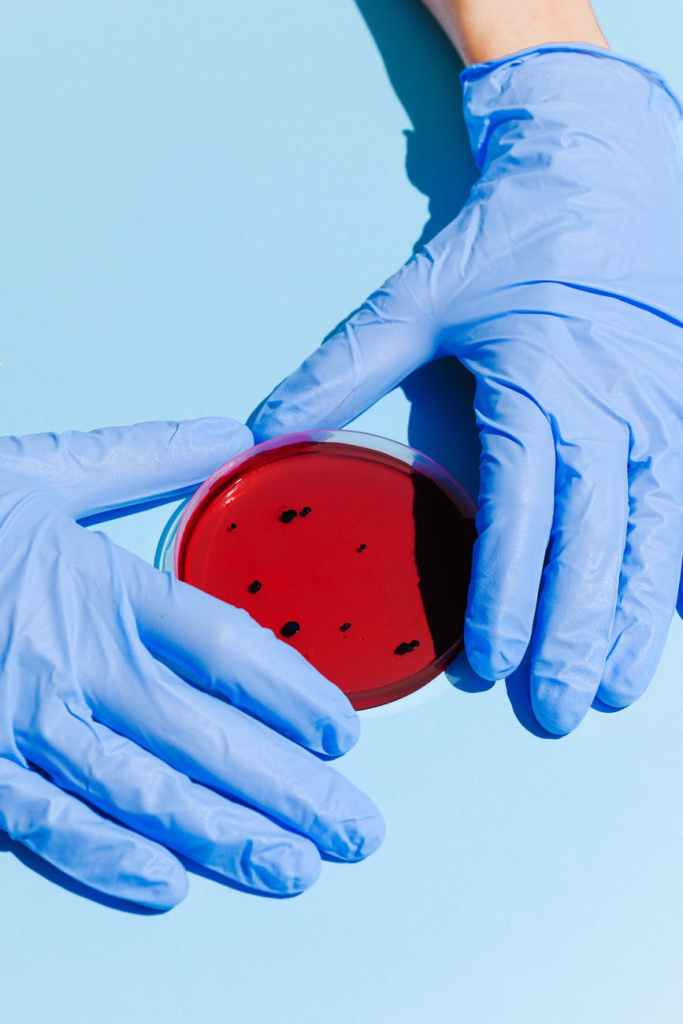
Phages surprise again– We at LSS are big fans of bacteriophages, hoping against hope that they might help kill antibiotic resistant bacteria. Now they show an intriguing new angle. Their DNA is subtly but significantly different from the standard DNA that most organisms possess. Is this a hint of earlier types of DNA back at the origins of life? Has DNA itself evolved? Thanks to Nature:

Some viruses that infect bacteria have ‘Z-DNA’, which uses a genetic alphabet different from the As, Ts, Cs and Gs in the DNA of nearly all other organisms. Dozens of these bacteriophages (or ‘phages’) write their genomes using a chemical base called 2-aminoadenine, Z for short, instead of adenine. Now, two teams have spelled out how the system works. These phages use specialized enzymes to make genes with an alternative nucleobase. “It represents the first discovery of a ‘shadow biosphere’ since [Carl] Woese identified the Archaea a half century ago,” says synthetic biologist Steven Benner.Nature | 6 min read

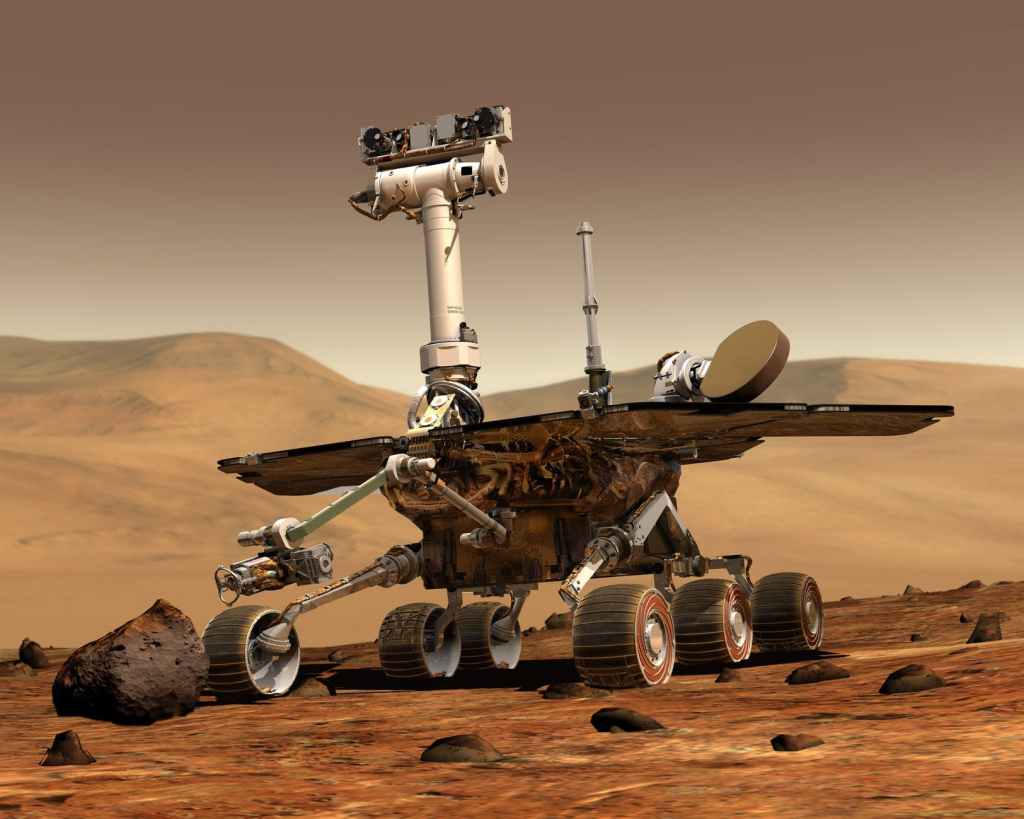
First flight on Mars-We wanted our blog to record the amazing achievement of powered flight on Mars, just so we can look back in five years and say we were there. Sort of. One thought has always puzzled us-why not use hydrogen ballons so fly on thin atmosphere planets? Can some clever reader tell us about this? Thanks to Nature and BBC.

Ingenuity, the helicopter that has made the first powered flight on another world, has shared its own perspective of Mars. It snapped a photograph of the Perseverance rover, which carried the tucked-up drone on its belly on the journey from Earth.BBC | 3 min read

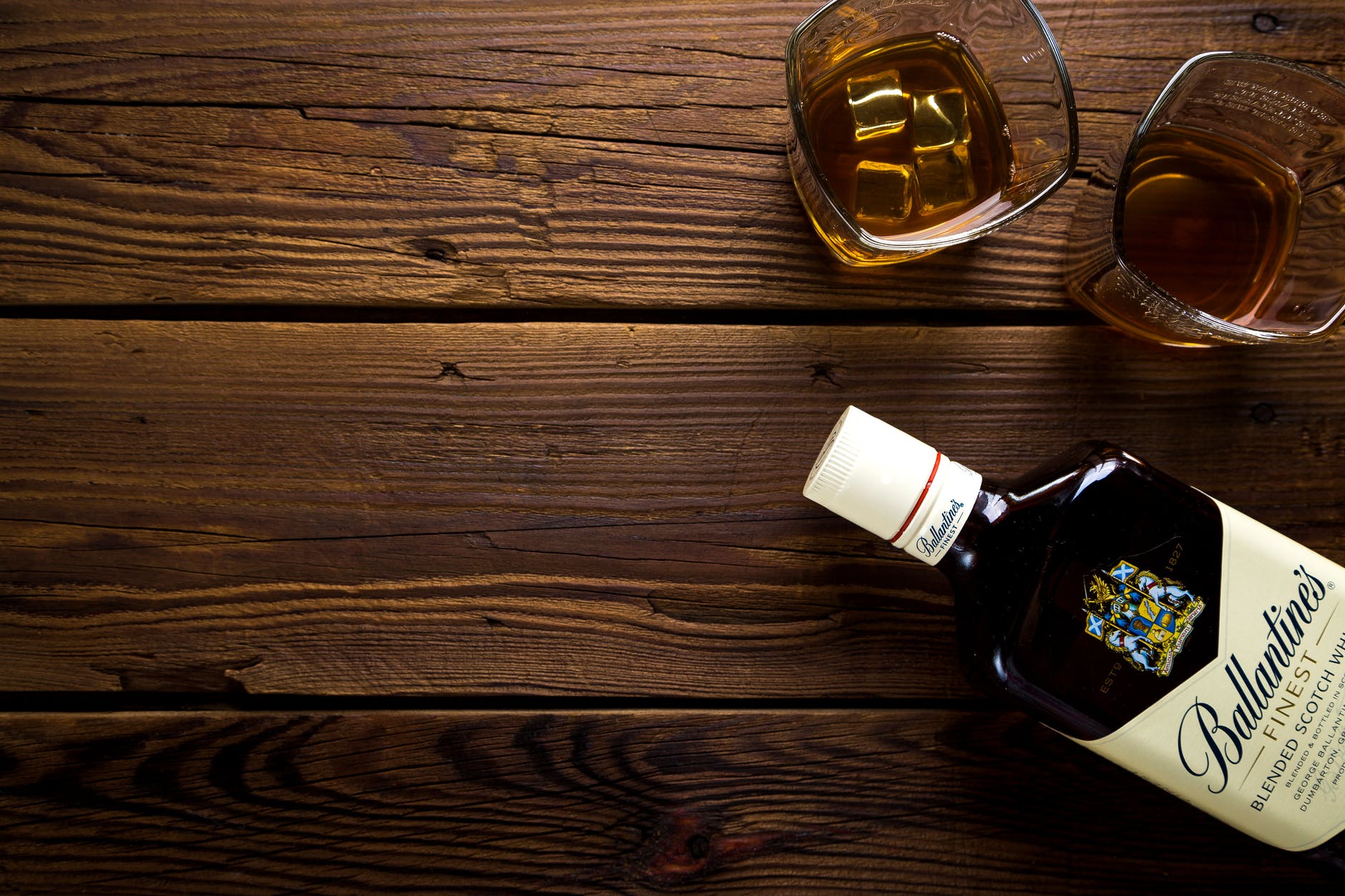
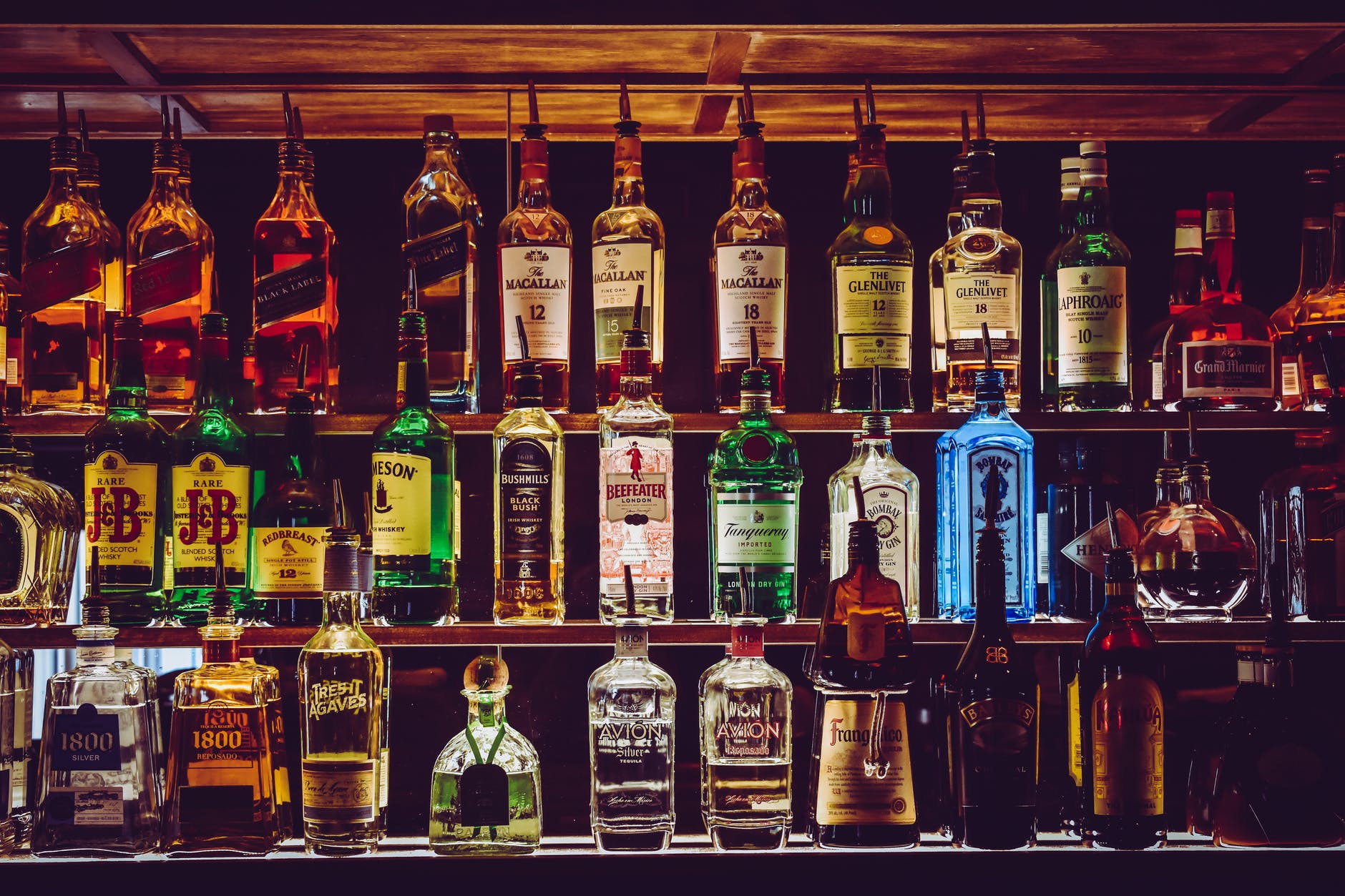
Expensive Tastes– Yesterday we pointed out that Whisky conoisseurs will pay out large sums to enjoy their favourite tipple. The prices on the Master of Malts site will make the average shopper at Lidl and Aldi blanche. We were once shown the difference between £20 Scotch and £65 scotch, andwe accept it. But, please, what is the difference between £65 Scotch and £1000 Scotch? Have a good weekend finding out!

#whisky #NASA #bacteriophages #animaldistribution
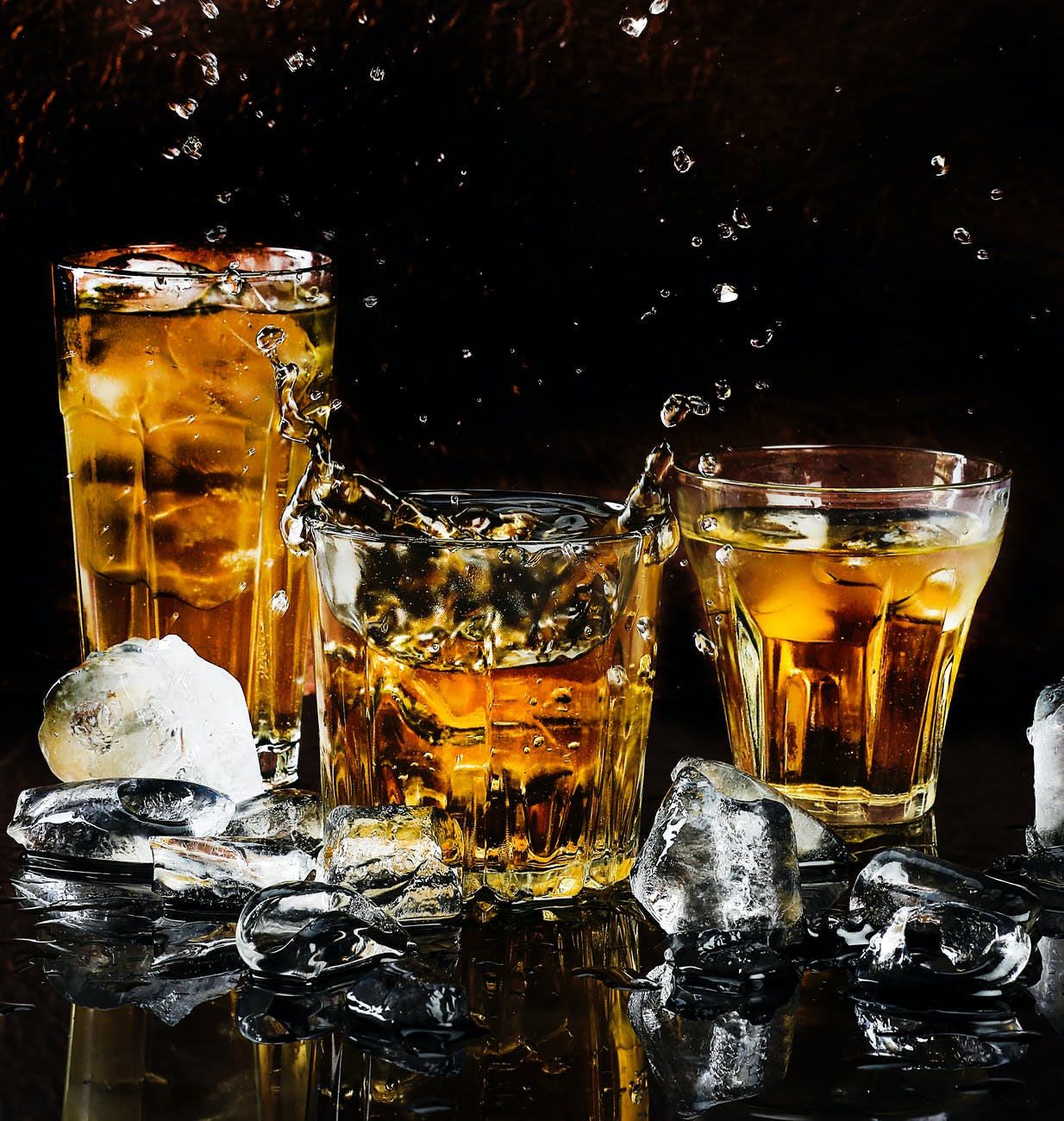
Friday Night: Whisky

Fans of the film The Lion In Winter will recall how on Christmas Day 1183 King Henry II of England (Peter O’Toole) and King Philip Augustus of France (Timothy Dalton) start a bad boys’ one upmanship contest about whose country distils the best spirits. Funny-but was that possible?

Wikipedia * traces the origins of distilling spirits to the thirteenth, not the twelfth century. Perhaps the real Henry and Philip missed by a generation. But once it got going, there was no stopping humanity. Since then we have invented brandy,gin, vodka and rum-but most agree that whisky is the real king of spirits. We can’t resist the amazing origins of the word, here summarised by Wikipedia: *

The word whisky (or whiskey) is an anglicisation of the Classical Gaelic word uisce (or uisge) meaning “water” (now written as uisce in Modern Irish, and uisge in Scottish Gaelic). This Gaelic word shares its ultimate origins with Germanic “water” and Slavic “voda” of the same meaning. Distilled alcohol was known in Latin as aqua vitae (“water of life”). This was translated into Old Irish as uisce beatha, which became uisce beatha in Irish and uisge beatha[ˈɯʃkʲə ˈbɛhə] in Scottish Gaelic. Early forms of the word in English included uskebeaghe (1581), usquebaugh (1610), usquebath (1621), and usquebae (1715).[

Since when the drink has cropped up in books, films, songs and advertising the world over. Who can forget the two doomed Japanese officers musing over a looted bottle of Johnnie Walker in Letters from Iwo Jima? Malcolm Macdowell’s desperate tippling in Aces High? Talking of Timothy Dalton, James Bond loved his Scotch, as the link from The Gentleman’s Journal makes clear.*

Even though it’s made all around the world, somehow it is inevitably associated with that strange thing called Scottishness. You know-golf, shortbread, mist, mountains, tartan, aberdeen angus, and a monster sporting in the grey waters of the nearby loch. You can pay anything from thousands to a few dollars for a bottle. But real experts advise a good mid-price brand, something like Highland Park or Glenfiddich, and sticking to it. Mainly they drink it neat, or with a little soda and ice. And we are largely going to respect that. But, as this is ostensibly a cocktail column, we’ll leave you with one recipe, the whisky sour, adapted from that great book The Bartender’s Guide by Peter Bohrman (Greenwich).

In a shaker add five icecubes and 1.5 measures of whisky. Add juice of 1/2 lemon, and two teaspoons of sugar syrup. Finally three drops of Angostura bitters. Shake vigously and pour to a chilled cocktail glass, sans ice. Decorate with slice of orange and 1 maraschino cherry.

Enjoy your Friday Night!

Whisky – Wikipedia

Here’s every whisky James Bond ever drank | Gentleman’s Journal (thegentlemansjournal.com)

#whisky #whiskey #cocktails #scotland #lochnessmonster #gaelic #highlands

India-was the Barrington declaration not so great?

“Listen to others, however much you dislike their opinions.” That’s what Bertrand Russsell counselled, and it’s what we try do at LSS. Last year the Covid-19 epidemic was in full swing, there were no vaccines-and economies were in meltdown. This was the background to the Great Barrington Declaration which tried to assemble a scientific case for letting the virus rip, and trying to protect the highly vulnerable as best we could.

Before readers go into meltdown about who was behind the Barrington Declaration, and about some of the signatories-we acknowledge that! You can read it for yourself in our Wikipedia link below. * And now we admit that the tragic cases of India and Brazil do seem to suggest that the medical experts got it right and the Barrington folk seemed to have erred, as Michael Head explains for The Conversation.*

But just because someone is rich and powerful does not mean they may not, sometimes, be telling a truth. Maybe the Declaration’s authors relied too much on a scientific case, when their real point was economic. We still have to pay for this mess. And how is that going to be done? On smoking, on climate change,even sweatshops-you should listen to the other side. Your own case will be stronger in the long run

https://en.wikipedia.org/wiki/Great_Barrington_Declaration#:~:text=The%20Great%20Barrington%20Declaration%

#covid-19 #sars-cov-2 #greatbarringtondeclaration #pandemic #herdimmunity #india #manaus

Will democracy last?

In the long ago days of the 1990s, following the collapse of the Soviet Union, the triumph of democracy was taken for granted. Its truths were taken to be self-evident. Freedom of expression kept a lid on corruption, ensuring economic efficiency. Alternation of parties kept rulers honest, and largely free of homicide. Open flows of information led to better scientific progress. There was much better shopping, and more fun parties.

The experience of the last twenty years has shown all of these assumptions to be hopelessly naive. The basic assumption of the democratic process is to give people information and allow them to make a choice. David Feldman in Psychology Today has a readable article on Why People believe things that aren’t True. If you’ve ever had experience of this, David goes into some of the neural and psychological mechanisms why.

Ivor Gaber looks at how these problems work out in practice. His examples are from Britain, but they apply to every open-information society in the world in Strategic lies: deliberate untruths used as a political weapon from The Conversation.

We at LSS will venture a little heresy. It is very easy now to decry the work of Sigmund Freud. Alright, maybe this humane, essentially decent man got a lot wrong. Maybe he wasn’t always very scientific. But he has performed one great service; he pointed attention fairly and squarely at the subconsious. About how its unacknowledged grievences, its unspoken desires, slights and wounds are the real drivers of so much belief, and so little real reason. We think that until political and constitutional systems evolve that address these needs, then democracies can expect to fail in the long term. And that certain people in certain countries can’t wait for this to happen.

Why Do People Believe Things That Aren’t True? | Psychology Today

https://theconversation.com/strategic-lies-deliberate-untruths-used-as-a-political-tactic-new-study-159723?utm_m

#politics #democracy #authoritarianism #freud #subconcious

All Roads lead to Rome-or do they?

“The Roman Empire and its decline and fall remains to this day the dominant historical event of Europe and the Near East…” So wrote DM Low in the introduction to his masterly abridgement of Gibbon’s Decline and Fall. The Roman Empire is like a ghost, whose presence haunts every development since the real one breathed its last. Charlemagne, the Reniassance and Enlightenment are inexpicable without reference to its cultural and political legacy. The modern world is haunted by pillars, columns, priests, senators, sports amphitheatres, drains, empires and elections. Romans still sell books, films, tv shows and games by the wheelbarrow load. Was their Fall a Good Thing or a Bad Thing?

Some like Isaac Asimov and Lord Clark came down unhesitatingly on the bad side. The centuries after Rome were indeed a land of derelict towns, lawless violence and unlettered ignorance, especially in the former western provinces. Gibbon himself seems to deplore it, but at the same time points a gleeful finger at Romans forced to suffer the consequences of their own degeneracy all the way to the fall of Constantinople in 1453. Some scholars denied much happened at all, seeing the whole sorry tale as one of transformation. Now along come Walter Scheidel,Catherine Kennedy and Daniel Grossman on the aeon website,who aver that, however inconvenient the Fall of Rome was to contemporaries, it has overall been a blessing, especially for western peoples. It cleared the way, they say, for the developments of freedoms in thought and enquiry which were unknown to the subjects of tyrannical empires in places such as China, the Middle East and India and of course, Byzantium. These freedoms in turn lead to much higher standards of western achievement in things like science and economics.

At this point The Devil whispers in our ear “Oh, Really?” Was China always under a single monolithic empire? Did they not invent a couple of things to teach western barbarians like printing and silk? Do we not recall the Islaamic Calpihates as the real guardians , researchers and above all teachers of knowledge through many centuries, and who possessed trading and banking systems which left the muddy inhabitants of Francia bewildered? Anyway who was more significant-Constantine or James Watt? But away with that. The best histories are always polemical, for they elicit thought. No one now thinks that Henri Pirenne, Karl Marx or even Edward Gibbon said the last word on anything. But their provocative works stimulated learning and research on an industrial scale. So it will be with these authors. For westerners, Romans are like parents, like family. By asking about them we are asking about ourselves. The results will be interesting.

we thank Mr Peter Seymour of Hertfordshire for drawing outr attention to this provocative essay

https://aeon.co/essays/how-the-fall-of-the-roman-empire-paved-the-road-to-modernity?utm_source=pocket-newtab-global-en-GB

Edward Gibbon The Decline and Fall of the Roman Empire

isaac Asimov Foundation Trilogy see especially vols 1 and 2

Kenneth Clark Civilisation see chap 1

Henri Pirenne Mohammed et Charlemagne

#romanempire #edwardgibbon #history #china #islaam #abbasid #omayyad

Weekly round-up

A weekly summary of things we think you might like to know

Is there any future for progressive politics? Earlier this week we published our thoughts on the future of Britain’s Labour Party. Now Dominic Sandbrook covers almost the same ground for the Mail. Why is this important? Because progressive politics are in deep decline in so many countries, not just in the UK. Read it and ask yourself these questions: What real human needs do progressive ideas address? Who do progressives represent? Are graduates really cleverer than school leavers, or do both groups know a lot about different things?

DOMINIC SANDBROOK: Labour isn’t working and will it ever again? | Daily Mail Online

Vaccines go on getting better and better One goal for progressives might be to control Malaria,which has been a curse for milennia. Efforts so far have always been partial, or had unexpected consequences, like DDT. Now there is real hope that a vaccine may at last be getting ahead. Here’s Nature, a glimmer of hope……….

A malaria vaccine called R21 has proved to be 77% effective at preventing the disease in children in a small, early trial. There is one approved malaria vaccine — GlaxoSmithKline’s RTS,S vaccine — but this jab is the first to reach the World Health Organization’s goal of at least 75% efficacy. R21 has been in the works for several years, and it informed the development of the Oxford–AstraZeneca COVID-19 vaccine, which came out of the same group at the University of Oxford. Large-scale phase III trials to prove the vaccine’s safety and efficacy are still to come, but this offers hope for a disease that kills 1,200 people each day, mostly children under 5.BBC | 4 min read
Read more: Building a better malaria vaccine (Nature | 12 min read, from 2019)
Reference: The Lancet pre-print

Beware all or none thinking You can always spot someone who’s going to get it wrong because they oversimplify. You see it every walk of life from politics to public health. One example is from human evolution: how could a small, arboreal ape have decided to step down from the tree and start a new life on the ground without being eaten by lions? The answer is-it didn’t. Early ancestors were mosaic species, living partly in the trees and partly on the ground.Some slowly opened up the ground habitat over more and more generations.When did malaria kick in, though? Nature: Bipedalism didn’t stop us from climbing trees

An analysis of the shoulder girdle of a human ancestor that lived millions of years ago suggests that Australopithecus afarensis retained features that helped it to climb in trees, even after developing the ability to walk on two legs. The shoulder blades belong to a near-complete fossil of a specimen dubbed Little Foot, discovered in South Africa in the 1990s. “We see incontrovertible evidence in Little Foot that the arm of our ancestors at 3.67 million years ago was still being used to bear substantial weight during arboreal movements in trees,” says anatomist Kristian Carlson.Heritage Daily | 5 min read
Reference: Journal of Human Evolution paper

Green Islands A lovely video story of how Denmark is developing windfarms and sustainable energy products on artifical islands. Notice to language teachers- just the sort of teaching material that will get your students learning from Intermediate right up to the most Advanced.

we thank Mr Gary Herbert of Buckinghamshire for this

#labourparty #left #keirstarmer #vaccine #malaria #humanevolution #littlefoot #renewables #windfarms

Friday Night Cocktails:Cherry Brandy

Spring is here, and the cherry blossom is starting to bloom (see above if you don’t believe us). So what better basis for a refreshing spring cocktail than cherry brandy? Before we start, some hard science. Cherry brandy is not just brandy with cherries added as an afterthought. According to that excellent website The Drink Shop:

Rather, most cherry brandies are in fact liqueurs, with most producers macerating their own choice of cherries with the base spirit of vodka before the addition of other enhancing flavours.

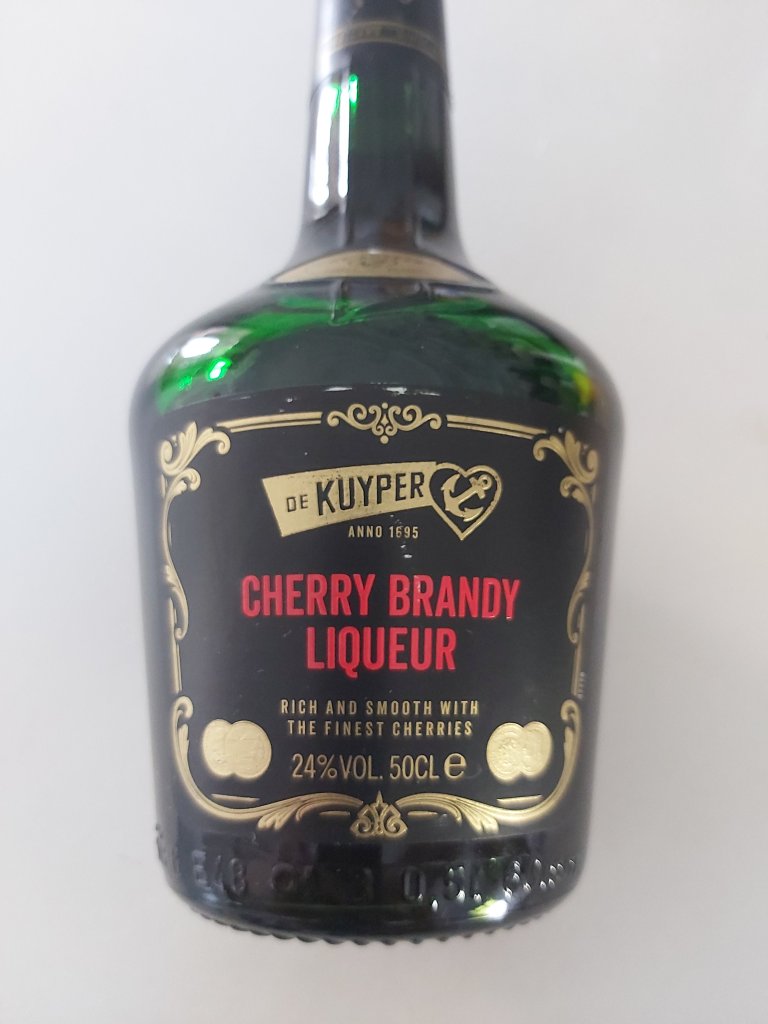
And they should know! Recipes for this delicious drink abound on the internet, but we at LSS have always favoured a time-saving bottle of Bols.,Warniks or De Kuyper carefully stacked in our collection. It was a great favourite of King George IV of England, who used to drink gallons of the stuff, according to historians. So yes, you can take it neat or over ice. Be warned-it’s pretty powerful. Safer to dilute the stuff down into longer drinks which you can sip in the shade of a cherry tree, if you are lucky enough to have one. Best not to try public trees in the street, though. You might get some funny looks.

Our old favourite the Singapore Gin Sling makes the best of cherry brandy. Add six ice cubes to your shaker, juice of 1/2 lemon, 1/2 fresh orange, 1 measure cherry brandy, 3 measures of dry gin, 3 drops Angostura bitters, and shake. Pour with cubes to a nicely-chilled hurricane glass and top with ice cold soda water. Decorate with cocktail cherries and lemon slices. Drink with planet-saving paper straws.

For a real pinky cherry blossom ambience, you won’t beat a Cherry Julep. Put five ice cubes to your shaker, juice of 1/2 lemon, 1 teaspoon of grenadine, 1 teaspoon of sugar syrup,1 measure of cherry brandy,1 measure of sloe gin, 2 measures of dry gin. Shake ’em until they rattle, and stand to one side, briefly. Find a medium to long glass generously filled with smashed or chopped ice, and add your mix from the shaker. You won’t be sorry. Sip that with your A la recherche du temps perdu, aesthetes!

Just the cherry: if you are so unfortunate to have run out of cherry brandy, you can still use that old bottle of cocktail cherries that’s been gathering dust in the fridge to decorate any number of other drinks. Of course there are hundreds to choose from: but for today we like the Club, because it’s so easy.

You just put thre ice cubes into a mixing glass, add 2 drops of Angostura Bitters, 1 measure of good scotch whisky,and a dash of grenadine. Stir, but don’t shake, as Mr Bond used to say. Now pour into a cocktail glass. Decorate with a spiral of lemon and a cocktail cherry on a stick. ( A cocktail stick, not one from a cherry tree)

We wish you all a happy friday night.

All recipes are derived from The Ultimate Cocktail Book, published by Hamlyn. We strongly reccomend this tome

Cherry Brandy : TheDrinkShop.com

#cherrybrandy #cherry #cocktails

The Dangers of Groupthink

A philosophical friend of ours attributes many of the ills of the world not to human evil, but to Groupthink. You’ve probably heard of the word, but as we are about to make so many crucial decisions collectively-the environment, economy and the future of football come to mind-it might be worth taking a couple of minutes to examine this phenomenon again.

Groupthink was first characterised by pioneering American Psychologist Irving Janis. Psychology Today defines it as:

Groupthink is a phenomenon that occurs when a group of well-intentioned people makes irrational or non-optimal decisions spurred by the urge to conform or the belief that dissent is impossible.

We link to the full article below. * It’s a lovely starting point, raising questions of why it happens, how it happens and laying out some of the disastrous consequences. Well, you should read it, but to make sure that you do, we are going to set you two little exercises.

Here’s the link

Groupthink | Psychology Today

exercise one: Have you ever worked in a place where you believe that groupthink was going on around you? Did it lead to some bad decisions?

exercise two: here’s a list of some of the worst blunders ever,* from that excellent website How Stuff Works. You’ll notice they are from many areas including business, medicine and history. How many would you attribute to groupthink, or are there other factors as well?

10 of the Worst Decisions Ever Made | HowStuffWorks

Here is a sure way to keep your groupthinking levels low: read more of Psychology Today and How Stuff Works. What admirable websites!

#groupthink #psychology #irvingjanis #decisionmaking #error #blunder

Unloved Labour’s Loss

UK elections are approaching fast and Labour, Britain’s mildly left, progressive party, is in for another drubbing. OK, they might win a few seats. But not to be sweeping everywhere is a drubbing indeed. Not that we wish to insult our Tory readers, but eleven years of rule has hardly been successful, to say the least. But there’s a deeper problem- a thriving opposition keeps the Government honest. Most of our current prooblems stem from the fact that the Conservative Party cannot see itself losing power-and rightly so. So why does Labour keep losing-and is it just in the UK? We have two great links for you to The Atlantic * and Open Democracy*, but here are some possible reasons:

The Tory Press The British Press, largely owned by expatriate billionaires, is indeed a deeply biased,shrill and aggressive trumpet of their interests. Adept at playing on the deepest ignorances and prejudices of its ageing readership, it acts like a colossal brake on any kind of forward thinking enterprise. However, progressive forces in the past found ways to overcome this “home advantage.” And anyway-why don’t more people buy more “progressive” newspapers? Verdict-an excuse, not a reason

Collapse of the Left wing Project Starting with George Orwell, it slowly became clear that the Marxist project was not a glorious path to the Emancipation of Humankind, but rather a sure way to erect ghastly murderous tyrannies. Even milder cases, like Venezuela and Cuba are far from shining examples of liberty and prosperity. Verdict– a new definition of “progress” is needed.

The Poor and the workers are not the same thing Once upon a time the poor did most of the work and produced most of the wealth. It was right on moral and economic grounds to transfer money to them from the wealthy. Nowdays large numbers of poor people-pensioners, the long term sick and disabled, for example- are in receipt of large financial transfers from other sectors of the economy. There is a strong moral and humanitarian case that this is right. But however brutal the fact, they are not actually producing. Verdict a government is not the local Social Services Department.

It’s about identity stupid. The collapse of class based politics (see above) and the rise of globalisation has left millions profoundly anxious about who they are, and why they exist. Nationalism and religion provide emotionally satisfying answers, particularly to those whose pride has been deeply wounded. Hence the rise of Muslim fundamentalism and far right identitarians like the Proud Boys. Thinkers like Eric Kaufman and Amy Chua have explored this in depth. Of course progressives deplore tribalism. But to deny it it exists as a fundamental driving urge is to make the same mistake as Puritans who tried to deny sex, with the same disastrous consequences. Verdict Progress must be universal, but most people don’t think universally

Surprisingly, we think progressives have been winning the intellectual arguments for more than ten years now, as the research of Thomas Piketty and Wilkinson and Pickett demonstrate. And if workers confine themselves behind national walls while capital roams free, the conditions of the former are unlikely to improve substantially. The key is to show people that it is in their interests to reach out.

How Culture Killed the Labour Party – The Atlantic

Why does England vote Tory? | openDemocracy

Eric Kaufman Whieshift

Amy Chua Political Tribes

Thomas Piketty Capital inthe 21st century

Kate Pickett and Richard Wilkinson The Spirit Level

#labour #capital #inequality #LabourParty #ConservativeParty #progress #socialism #progress #Left #Right

Microbes-known to be unknown

What made the Black Death so terrifying was that people had no idea of what caused it. No concept of micro organisms like bacteria, viruses and fungi. So, short of a few prayers and rituals there was nothing to be done except hide or run away. Neither were of much use according to the mortality figures. Twenty first century people think we know so much more than medievals, on things like microbiology, physics, chemistry, technology, you name it. But, before you get all smug, are there vast areas of knowledge which we have overlooked? Or, more scarily-we don’t know that we don’t know, to paraphrase the thoughts of the immortal Donald Rumsfeld?

Take microbiology for example. The last year has been an object lesson in our ignorance of zoonotic diseses. If you want to know the cost of ignorance, ask your local finance minister. Now Patrick Greenfield of The Guardian raises the intriguing possibility that we know very little indeed about microbiology in general. It may be a serious omission. Microbes produce oxygen. They keep the soils and oceans working, recycling everything that humans and animals breathe and eat. Anyone who likes beer, wine, bread, yoghurt or cheese should be very concerned indeed about microorganisms. So even very small changes in theplanet’s vast microbial community could be very significant indeed. Here’s Patrick’s killer quote:

But despite their importance to human life and the health of the Earth, a new scientific paper has shown our “profound ignorance” of microbial biodiversity and how it is changing.

We at LSS rarely take a personal view. But for a long time, humanity has been extracting all kinds of poisons which were hitherto safely locked up in the rocks and spewing them into the environment, These include lead, cadmium, arsenic,mercury and chromium. All washed innocently into the land and sea, and all likely to have a deadly effect on our microbial chums. Could a little of the money used to buy football players be better spent elsewhere?

Microbes are ‘unknown unknowns’ despite being vital to all life, says study | Microbiology | The Guardian

Frontiers | Is Global Microbial Biodiversity Increasing, Decreasing, or Staying the Same? | Ecology and Evolution (frontiersin.org)

#microbes #bacteria #ecology #pollution #toxicmetals ##virus #fungi