Enlightenment in the Skies The brother and sister combination of William Herschel and his sister Caroline was one of the most formidable astronomical combinations of the eighteenth-century or any other, and it’s good to see them honoured. Here’s The Guardian
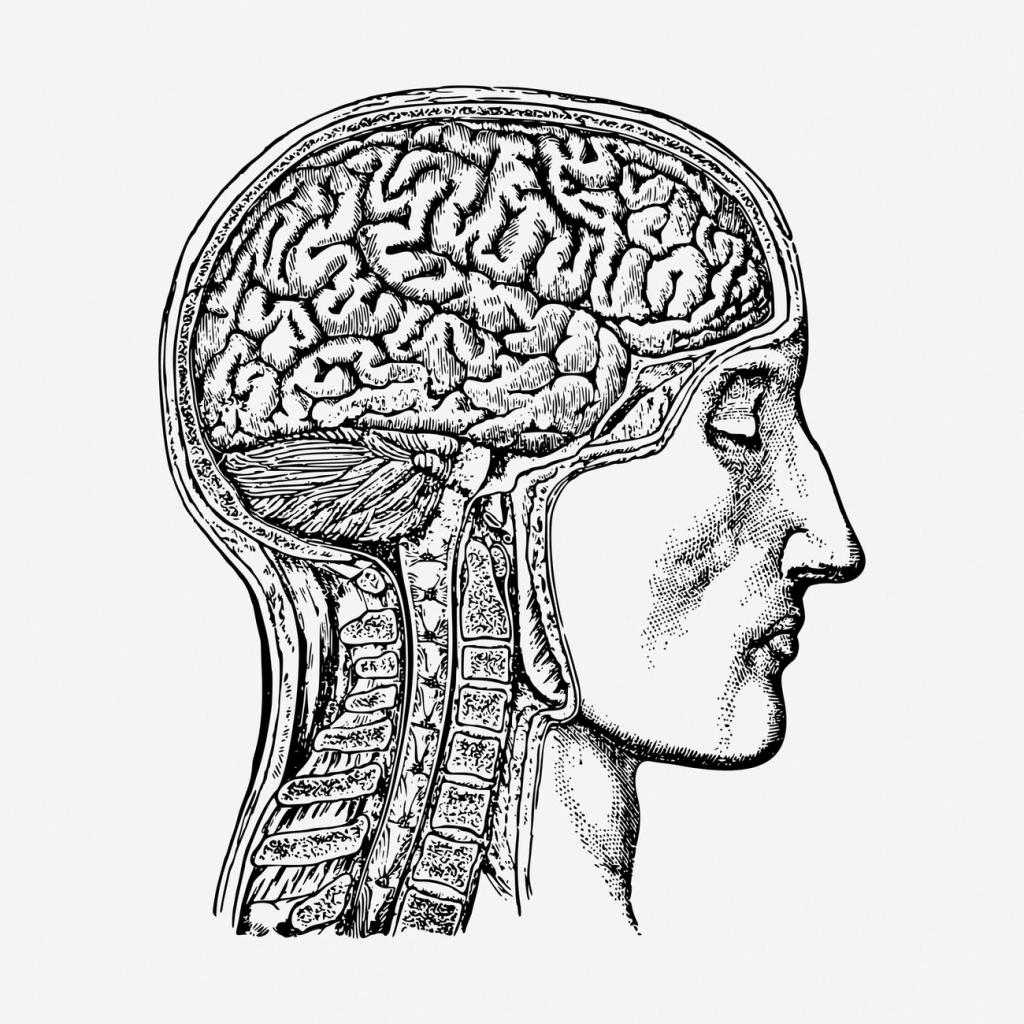
Nature or nurture? Before you blame your family for everything that has gone wrong read this (some anglophones may need their translator apps, as its from El País)
Moulding intelligence Ok we know certain animals like apes, orcas and crows can be quite bright. But slime moulds, yet? Alright, read this article if you want to learn something surprising.
And talking of intelligence: Maths always stumped us-but not open AI, as the Guardian reports; it seems to have solved the Navier Stokes maths problem that has baffled its human peers for decades
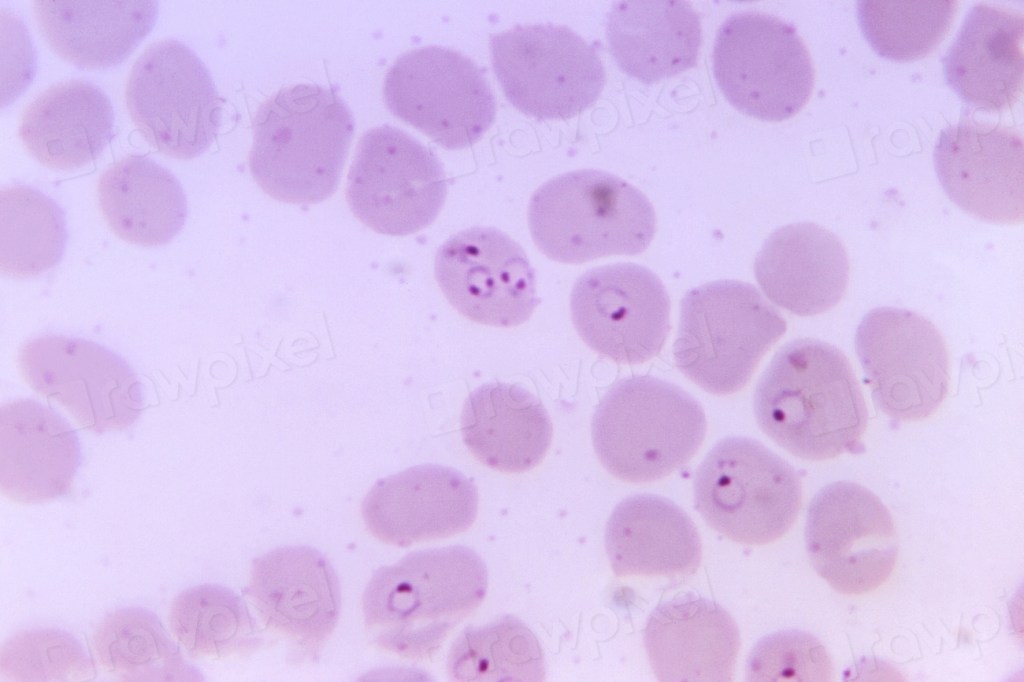
More woes for farmers In our blog of Wednesday last we wrote of the many troubles that farmers face. Apparently we forgot to include this chilling one reported by Nature Briefing :Almost half of farmers are being poisoned
There are more than 400 million cases of unintentional, acute pesticide poisoning every year, finds a new estimate — meaning that an estimated 46% of farmers worldwide are being poisoned. The analysis suggests there are 11,000 pesticide-related deaths annually, with nearly 60% of these in India. And that’s not taking into account long-term health impacts that are not immediately felt, such as a possible link with Parkinson’s disease.
The Guardian | 6 min read
Reference: Frontiers in Public Health paper
Denisovan deer hunters Nature Briefing is so very good that we could fill this round-up with stories thy put out. So, despite the above, we couldn’t resist this one about our Denisovan relatives, who looked like they were brighter even than the average slime mould, called Fossil Trove sheds new light on Denisovans
A collection of fossils and artefacts recovered from an abandoned quarry in southwestern China has given researchers an unprecedented glimpse into the lives of ancient humans called Denisovans. The items suggest that Denisovans — who lived at the site for at least 30,000 years — crafted bone tools similar to those of the Neanderthals, and were skilled hunters of animals such as deer. “This site’s the full package,” says archaeologist Ben Marwick. “It’s the first site that we have with a long, rich sequence that’s uniquely associated with Denisovans.”
Nature | 5 min read
Reference: Nature paper 1 & paper 2
Quote of the week:
The heart of the prudent getteth knowledge; and the ear of the wise seeketh knowledge. Proverbs 18:15
#Herschel #astronomy #planets #slime moulds #intelligence #pesticides #agriculture #paleontology #denisovans


