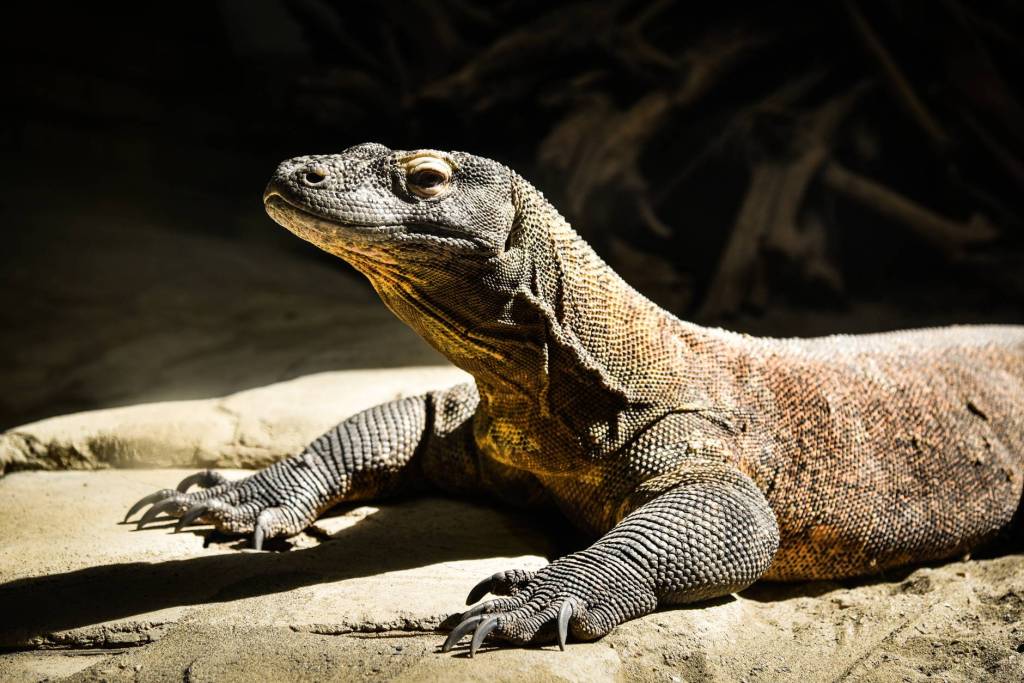

A few years ago we published a couple of blogs suggesting that the saliva of Komodo dragons (Varanus komodoensis) might be a possible place to look for new sources of antibiotic compounds. (LSS 27 10 20; 6 9 21) Poor dragons! It now seems that their tantalising resistance to infection may be due to other factors than miraculous antimicrobial molecules. But at least it got us thinking: might there yet be some useful aids to our antibiotic quest lurking out there, undiscovered?
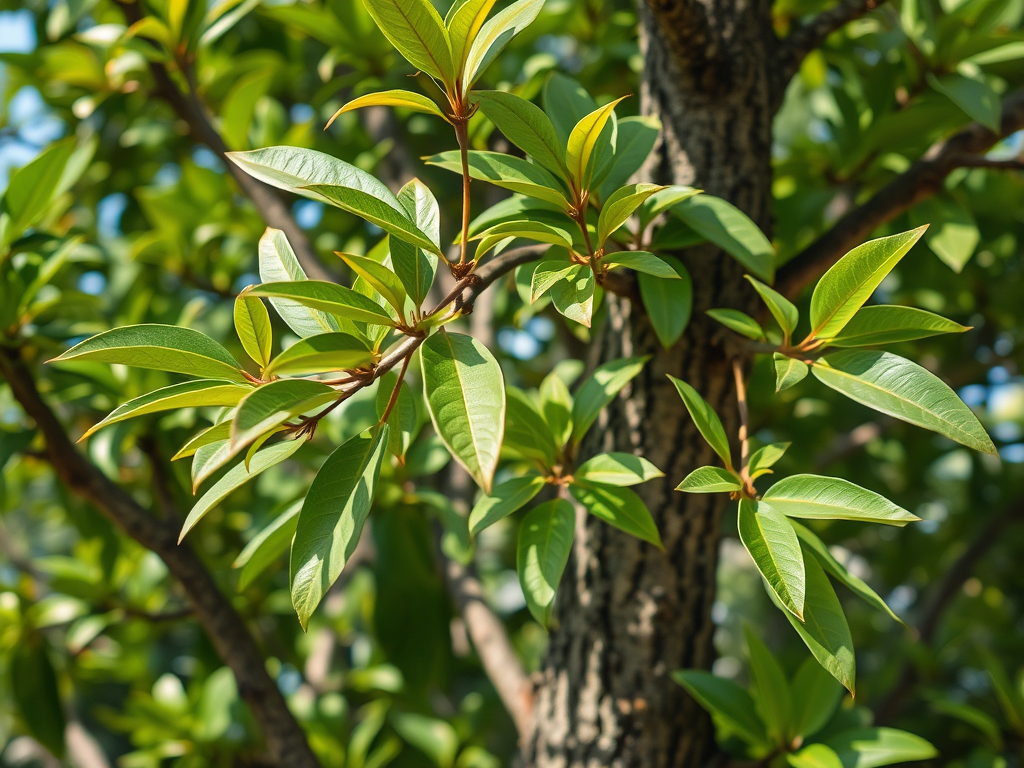
The antimicrobial potential of some plants is quite well known. Garlic(Allium Sativum) turmeric Curcuma longa)and the tea tree(Malaleuca alternifolia) are classic examples. Best estimates suggest there are between 250 000 and 500 000 species of plant on out planet. Provided not too many are destroyed to make way for shopping malls, there may be hope of some more undiscovered potential among our leafy friends. [1] Turning to animals, our first candidate is the Matablele Ant (Megaponera analis) They not only produce antibiotics from their metapleural glands,(what they?-ed) but they also diagnose infected wounds in their nestmates and apply targeted treatment. Their secretions contain over 50 antimicrobial compounds, some effective against Pseudomonas aeruginosa, a notorious human pathogen When Matabele ants are wounded, their cuticular hydrocarbon profile changes, signalling infection. Nestmates detect this and apply antibiotic secretions from their thoracic glands. This is the first known example of non-human creatures performing sophisticated medical wound care [2]. Other animals such as frogs, insects, and marine life produce antimicrobial peptides (AMPs) as part of their innate immunity. These AMPs are being studied for their ability to combat resistant bacteria. And, if we were betting men, we might take a small punt on Sarcotoxin 1A and anti microbial peptide found in the saliva of flesh flies belonging, unsurprisingly, to the genus Sarcophaga [3]
Educated readers will recall how Alice met a Cheshire Cat in a wood. After imparting some words of wisdom, it vanished. But its smile remained. [4] So with our LSS dragon: it may be gone, but the smile of hope which it gave us lingers on.
[1] Plant Products as Antimicrobial Agents – PMC
[2] Ants produce life-saving antibiotics for treating infected wounds
[3] https://en.wikipedia.org/wiki/Sarcotoxin#:~:text=The%20proteins%20are%20present%20in
[4] Lewis Carroll Alice in Wonderland Chapter 6
#antibiotic molecules #ecology #habitat destruction #health #medicine #microbiology #tea tree #sarcotoxin

 Learning, Science and Society