

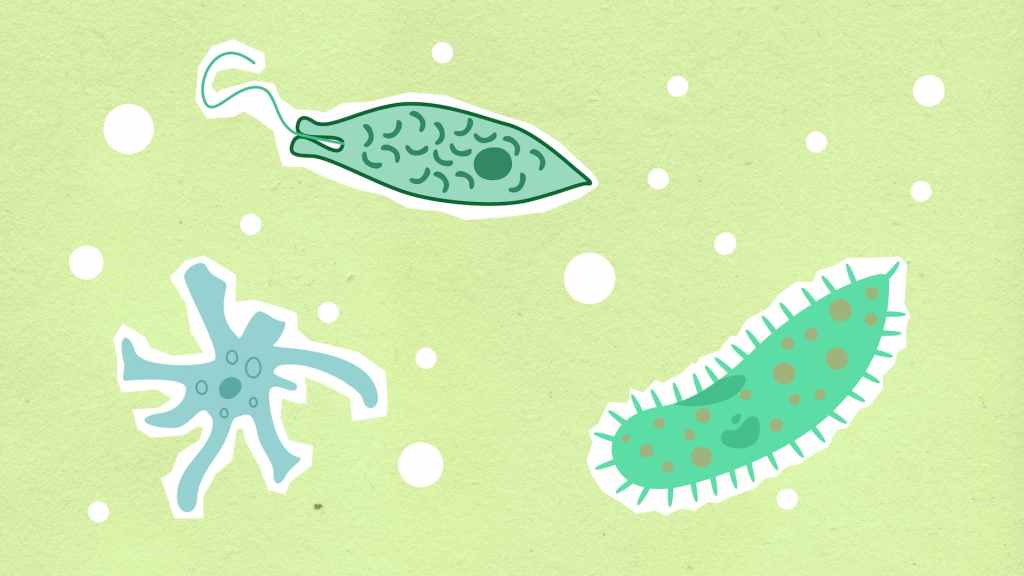
OK, we have spent the past four years urging you to hunt down those pesky little microbes with every antibiotic you can lay your hand on. Now we’re going to tell you microbes are just wonderful. When it comes to saving us from Global Warming that is Read this piece called Microbes against climate catastrophe from Nature Briefings
| In a call to action published simultaneously across 14 journals today, microbiologist Raquel Peixoto and colleagues demand that the world “harness the power of microbiology” to safeguard the planet. From the enhancement of carbon sequestration to the cultivation of biofuels, there are a multitude of microbe-based solutions to climate problems, say the authors — but these are not being rolled out effectively at scale. It’s time to cut through the red tape, they argue, and gather a global task force to help test, fund and deploy the best of these microbiome technologies.Nature Microbiology (and 13 other journals) | 5 min read |
When we ran this one through the editorial board, we agreed we could not be accused of mixed messaging. Antibiotics are in the medicines file. Carbon capture is in environment. They are two completely separate disconnected entities, like the utterances of certain well-known US politicians and the observable truth. But: are they? After we finished the meeting, and before putting quill to parchment, as t’were, we went for an uneasy walk with our conscience. Up and down the bleak streets of Croydon. Past Fairfield Halls. Something was niggling at the back of our mind. In the Porter for a quick three or four pints. What was it about antibiotics? Round the shopping centre. Something extra about antibiotics. Back past fairfield Halls. People were starting to look Then it hit us! All these excess antibiotics, running off farms and so on may actually be damaging the very microbes which we need to save us. Read this extract of an abstract if you don’t believe us, from the accomplished Professors Yaozong Cui, Yanhong Li Lihao Zhang and Nan Ziao Environmental behaviour and impact of antibiotics [1]
Antibiotics are widely used to treat or prevent human and animal diseases, as well as to promote the growth of animals in livestock breeding and aquaculture. As a type of antibacterial drugs, antibiotics have been widely applied in human/animal disease prevention, disease treatment, animal husbandry and aquaculture, etc. A majority of antibiotics introduced into human/animal cannot be utilized directly, leading to the result that more than 85% antibiotics were discharged into the environment. Once antibiotics enter the ecosystems, they could influence the evolution of the community structure, which according affect the ecological function of aquatic environment. Correspondingly, antibiotic resistant bacteria (ARB) have been found, which is threatening ecological safety and human health.
Perhaps the best take on this is from the world-weary Professor Peixoto. We need-and urgently- a very deep understanding of how we live and manage the whole microbiological biome. But where do our rulers spend our money?
[1]https://www.atlantis-press.com/proceedings/iceesd-17/25875046
#global warming #climate change #biofuels #carbon capture #microbiology

 Learning, Science and Society