
Friday Night: Madeira Wine

When we sat down to prepare this week’s  Friday article, one of our researchers suggested” why don’t you do  Madeira wine?” Which created rather a problem: How can we praise Madeira wines without sounding like one of those  articles you find among the pages of in-flight magazines or tourist guides, which seem increasingly to have been written by something other than a human intelligence?

Our first decision was let the experts do the heavy lifting. on subjects such as heritage, production, availability and so on. We have posted two links here, one to the Wine Society[1] and a second  to the indefatigable Blandys [2], more of whom below. There are actually many types of wine produced on this famous subtropical island: But the sort  everyone talks about, the eponymous Madeira is a fortified wine which comes in four types Sercial, Verdelho, Boal and Malvasia.  And the angle we want to take is history, not of the wine which our links cover, but of our own first experience of it when we visited the Madeira wine lodge, still run by the Blandy family in Funchal, 34 long years ago

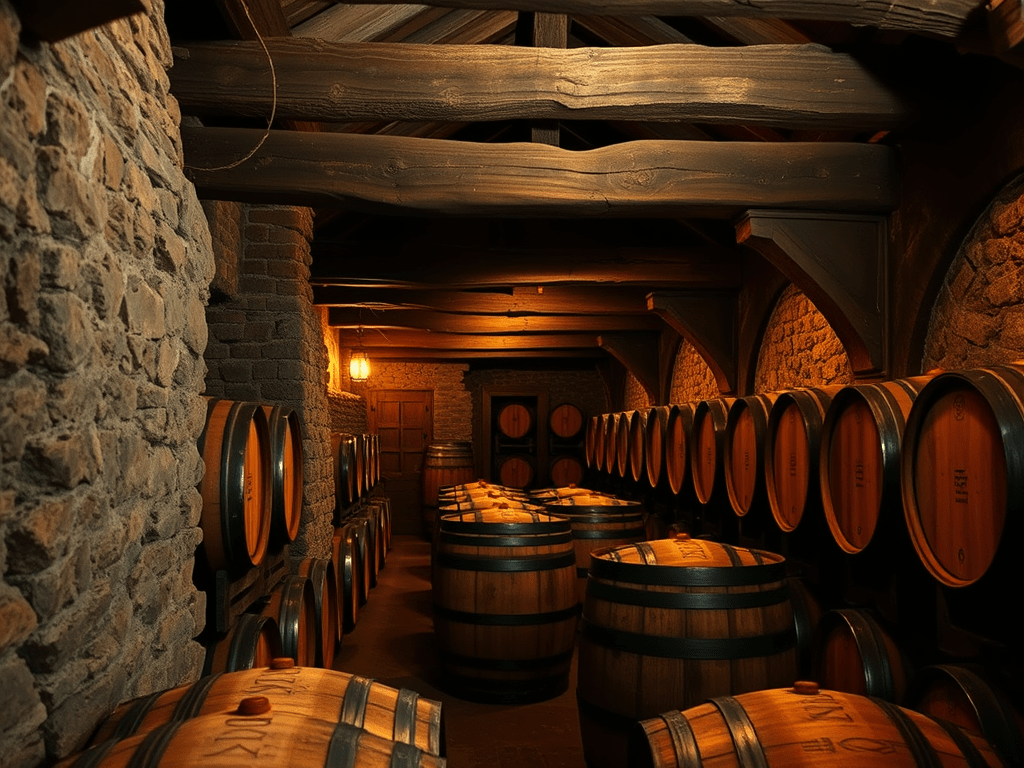
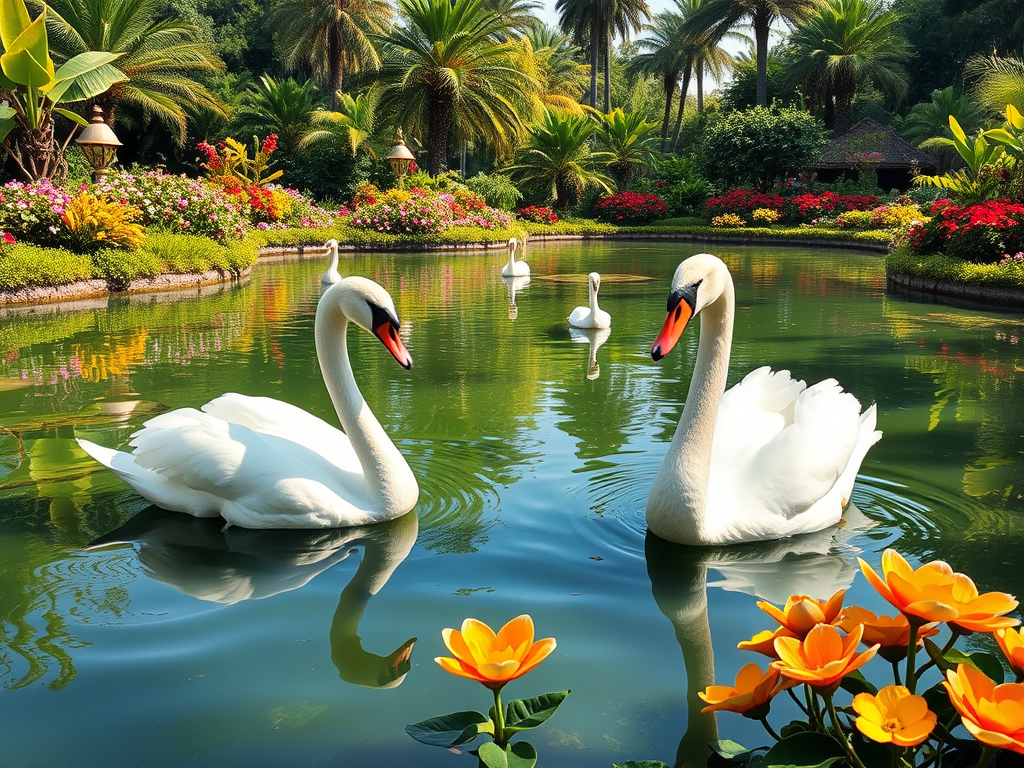
We will not detain you long with the excellence of the place, the helpfulness of the guides nor the dark wood beams and casks, the rich aroma of grape, all of  which are the same today. Rather it was our arrival, post tour,  at  the tasting session, where we learned that not only does the wine come in four types(see above) but that each type was produced by one of four traditional families: Blandy’s , Cossart Gordon, Miles and Leacock. A truly scientific  tasting would therefore require an array of 16 (4×4) glasses, as any expert in the mathematics of set theory could quickly tell you. What we had not realised was the potential wallop carried by even a small glass of the stuff. With the result that our tasting rapidly descended into a blur of ill-remembered labels, mixed tastes, and a growing feeling of confused  tiredness inconducive to sustained intellectual effort. Eventually our companion was forced to take us to recover in a nearby park with some friendly swans upon its lake. Which kept us pretty well occupied until her return from some serious shopping.

And the moral is? Blandy’s  Wine Lodge is a first rate tourist spot, which you must visit if you are ever on the island. Madeira wine is delicious, but strong. We have visited the lodge often on our subsequent six voyages to the island. But now a single glass, often the the slightly sweet Bual, is more than enough to content us. . But we steadfastly urge you to try one too.

[1]https://www.thewinesociety.com/discover/explore/regional-guides/madeira-ultimate-guide

[2] https://blandys.com/en/about-madeira-wine/?doing_wp_cron=1755271440.1276309490203857421875

#Madeira #Blandys #tourism #wine #holiday

Friday Night Fun:the old cheap Bubblies (Où sont les neiges d’antan?)

Everyone likes to dress up from time to time and enjoy going large with a glass of bubbly. Trouble is, the old Champagne can be a bit pricey, and there’s a lot of euros for very little extra elation. For decades people have been trying to do things on the cheap, with varying results. So tonight we thought we’d take a look at some of the braver efforts which have been made in History, and, as an added bonus, the little nibbles they served with them

1950s  Mateus Rosé Invented in Portugal in 1942 it was the iconic bottle and rather elegant label that gripped our ten year old selves(we grew up in an Off Licence) The wine itself was pink and only slightly fizzy, but worked well chilled. It was really rather popular in the 1970s (so were Watneys Party Sevens and the Bay City Rollers) but has since faded a tad, despite attempts to redesign the bottle. Nibbles: twiglets

1960s Babycham Actually a perry aimed squarely at the ladies’ market, it enjoyed a huge vogue back in the 1960s and 1970s, when it was considered rather chic among large sections of society, with huge advertising campaign There was even a special cocktail called a snowball( neiges, right?) which combined the stuff  with advocaat. Glad we never had a job as a  cleaner on the  Central line trains! Like a starlet, its beauty had started to fade by the sassier 1980s and efforts to rebrand and relaunch have never quite got it back to top of the bill

Nibbles those funny cocktail stick things with a cube of pineapple and a cube of cheese.

1970s Asti Spumante this is the real poor man’s champagne, not lager. Cheap and cheerful this Italian sparkler  graced many a working class Christmas dinner table in the age of Top of the Pops and the Queens Broadcast Ironically the sudden popularity of its younger sister (see below) has afforded a certain bounce back for this beverage-and why not? we say.

Nibbles Cheese and onion crisps/Doritos

2000s Prosecco We had never heard of this stuff until one evening in 2010. After which it seemed to be anywhere and everywhere at all times, as much a part of national life as football or Coronation Street. A bright, dry and bubbly from Friuli it can accompany anything from exam results, weddings and even those funerals where the deceased will not be too badly missed but nevertheless left enough of a memory to fund a juicy trip or two to Benidorm.

Nibbles: Marmite  flavoured peanuts

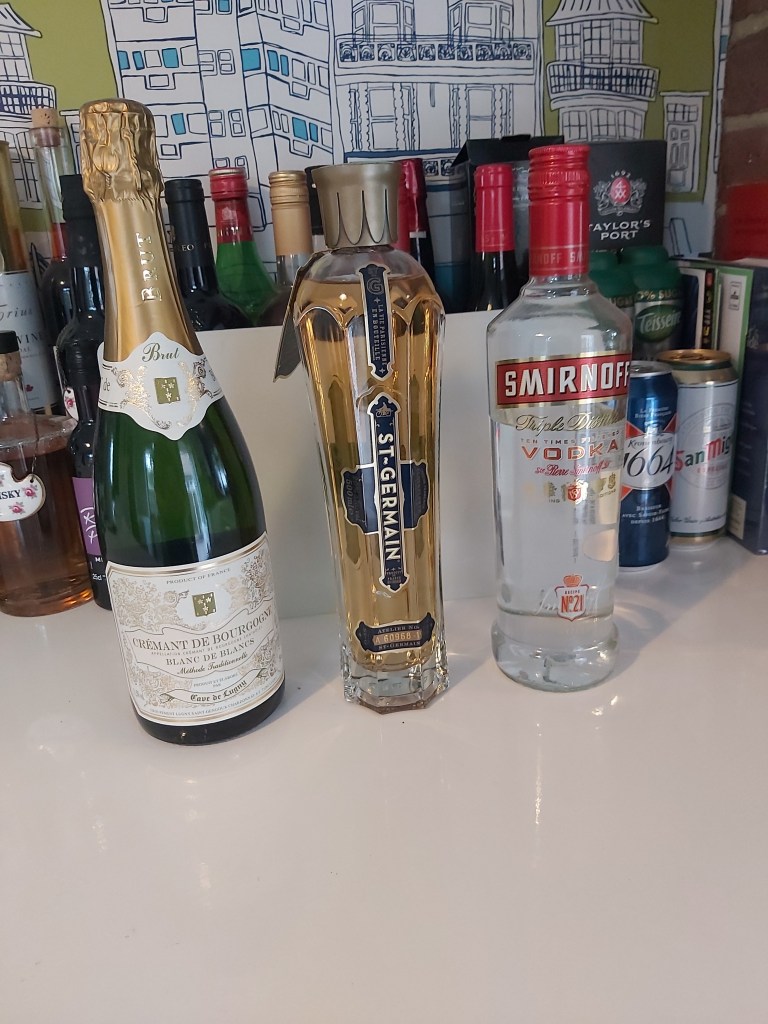
2020s Crémant—Now we’re  definitely in the right vineyard! Brewed up  in France (and Luxembourg) using the same traditional method as Champagne,  it comes from regions outside of that snooty snifter,  such as Alsace, Burgundy, and the Loire.  Sorry, we think it’s definitely a cut above Prosecco,  deliveings Champagne-like vibe at a fraction of the price.

Nibbles:Blingies with caviar

#wine #sparkling wine #party

Friday Night Feast of Fun: The Joy of Charcuterie

We can’t think of a better suggestion for you tonight, dear friends, than Charcuterie. It’s a French word, but the cuisines of many countries now feed in, as we shall see. Its such a simple way to up a range of flavours for guests. There’s usually always something in the mix that anyone and everyone can eat. Above all, sharing and comparing are such good conversation starters that the busy hostess or host will find that half of their task has already been completed. How’s that for ergonomics?

Without further ado, lets start with the food. We’ve put up Laura Wingrove‘s post for BBC Food [1] Ostensibly designed for Christmas, Laura’s run-through will give you all you need to serve up a mouth-watering board at any time of year. There’s no law against using this for Easter, you know. The hams include piquant Parma, and mouth watering Mortadella, all the usual suspects in fact. We confess that our favourite is the famous Spanish Jamon Serrano. As for spiced meats, French Saucisson moved to the top of our culinary Hit Parade some years ago, and has stayed there ever since. She also waxes lyrical on the best accompaniments like cheeses, olives and so on, as well as handy ways you can serve it all up to transport your guests to a rough stone Provencal kitchen diner, where we understand such meals are served all the time. Well, according to certain lifestyle magazines they are,

And to drink? The Wine O Mark website puts up its 7 best parings. [2] What we like about this is the selection of old Mr Reliables, like Reislings, Merlots and Sauvignon Blanc. Remember the trick is to serve to the lowest common denominator, but to do it well , which is exactly what they achieve. Our researchers suggest a good range of cold beers might not hurt as well- Eurolagers like San Miguel or Kronenbourg might add to the ambience here.

All of this can be picked up at good supermarkets: we might suggest Marks or Waitrose as the few extra pounds spent will more or less underwrite you against disaster.

Good luck and Happy Eating!

[1]https://www.bbc.co.uk/food/articles/charcuterie_board

[2]https://www.wineomark.com/best-wine-for-charcuterie/

#charcuterie #food #wine #beer #cheese #jamon #saucisson