Friday Night Feast of Fun: Curry

We once asked an old soldier of the British Army, who had served in India during the Second World War: “So, did you go out down the local restaurant for a curry and lager on your nights off?” To which he replied with a blank “No.” Why did we ask that question, and why did we expect a contrary answer? To answer it is to delve deep into history and the immense cultural changes which only food can describe.

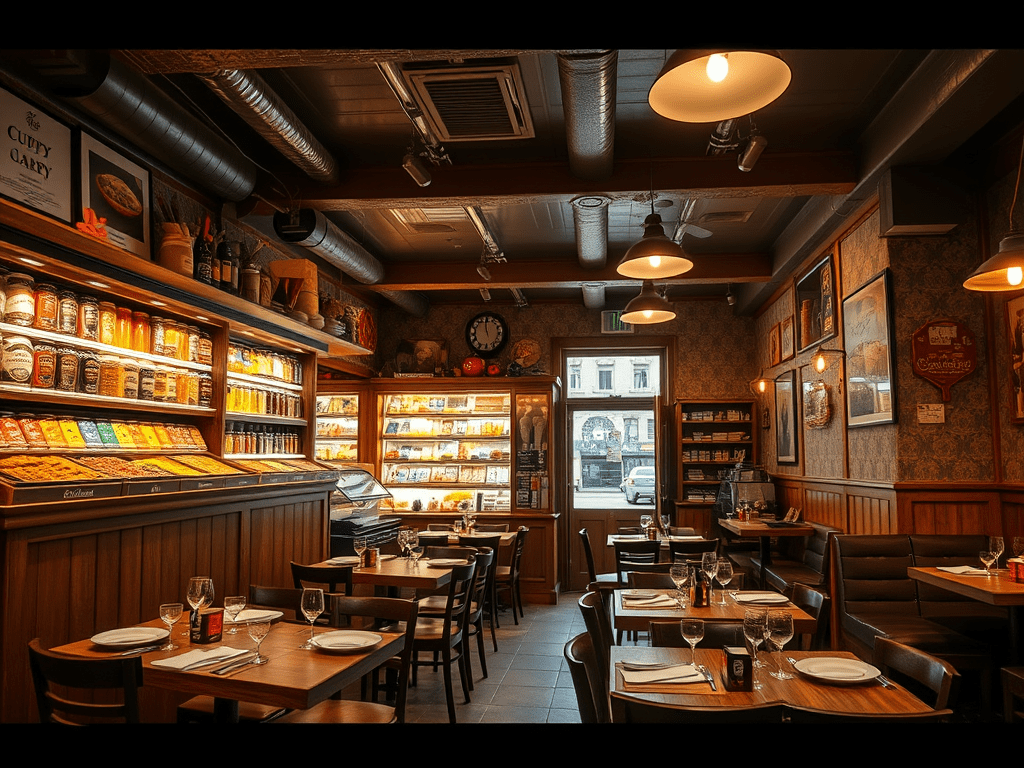
By the 1980s,when we asked, going out to your local Indian Restaurant for a curry and lager (see below) was the default eating position for most younger inhabitants of these islands. How did a nation famous for fish, chips, roast beef and Yorkshire puddings so thoroughly convert its taste buds to what their grandfathers had thought alien and strange? The answers lie deep in out Imperial History. Old India hands, Company men, Army men, and their memsahibs brought back a taste bud memory from their days of service. Curries appeared in restaurants and cookbooks as early as the 18th century. Veeraswamy[1] opened in Regent Street in 1926 [1]and has survived to this day. The real boom came with South Asian immigration after world war two.(there were many Pakistanis and Bangladeshis alongside the Indians) Hungry immigrants brought their restaurants; and the natives appreciated at least this aspect of the new culture. although they were less welcoming on other matters. Generally speaking, curry is now the UKs national dish, at least for eating out.

For the benefit of overseas readers, we append a list of ten typical favourites , courtesy of the excellent Plyvine Catering website[2] Some of us still find certain dishes too hot and spicy: beginners may like to try milder forms like Korma. Others, like students indulge in macho who-can-eat-the-hottest? competitions, with sometimes hilarious results. And to drink? It has to be lager. “!It’s not a real curry without lager!” is the indignant cry from the poshest West End serveries down to the smallest family undertaking in the the most obscure provincial town. Fortunately Indian technology has come up with two very palatable varieties: Cobra and Kingfisher, which are perfectly capable of both refreshing the palate and conveying that authentic subcontinental vibe

Indian food, like Indian culture and business acumen, is spreading world wide. Perhaps a curry house will be the first restaurant to open on the Moon. It might be a very worthy choice..

[1]https://www.bing.com/alink/link?url=https%3a%2f%2fwww.veeraswamy.com%2f&source=serp-local&h=Ws1QKz5L6y3meRBbkMNxwx0DKcJGs59sEQqcvf7Yd5I%3d&p=l

[2]https://plyvinecatering.co.uk/the-uks-10-most-popular-curry-dishes/

#curry #india #UK #restaurant #lager #take away #dine out

Friday Night Feast of Fun: Traditional Fish and Chips

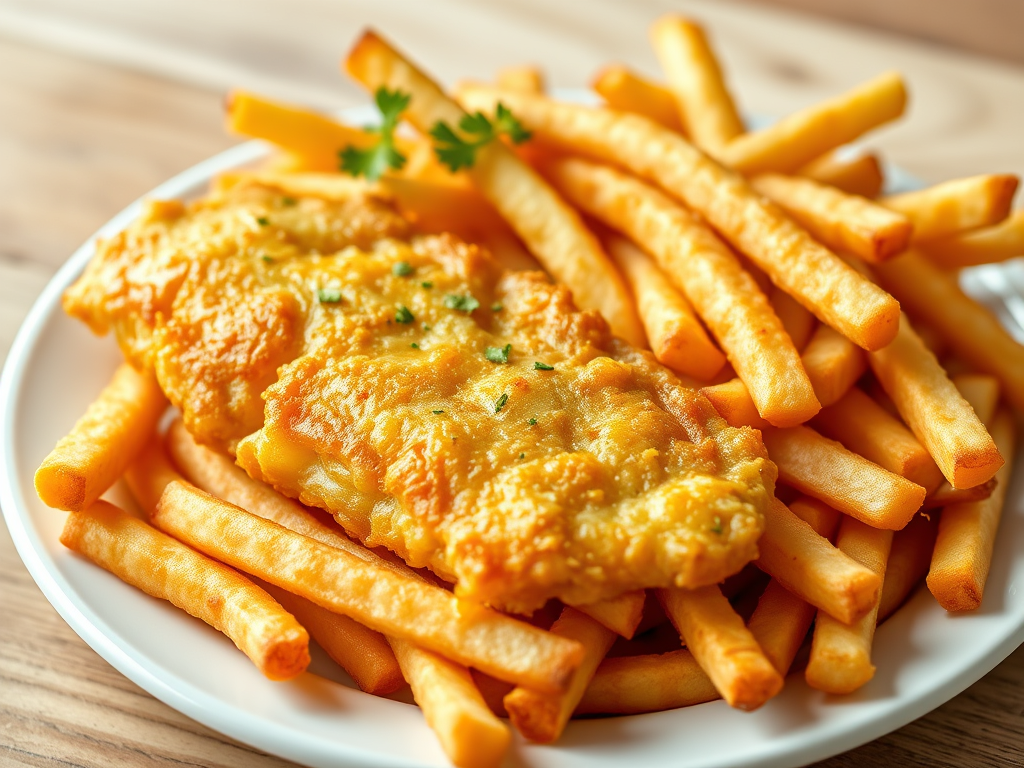
Now that Britain has suddenly become popular in certain quarters, we thought we’d kick off the Friday Night Feast of Fun with a nod to our good old national standby. Fish, fried in batter at colossal temperatures, accompanied by equally fried chunky potato chips. Best served from a local takeaway that specialises in this dish alone-and eaten very hot. The range of fishes allowed is actually rather small-cod, haddock, plaice and a type of small shark called rock salmon by us locals. Extras are little more than pickled onions and tomato ketchup, although some purists cavil even at this, asseverating that it detracts from the true gourmand experience

But how “British” is it really? Research indicates that fried fish in batter originated among London’s original Jewish immigrants, who came mainly from Spain and Portugal in the sixteenth century. Other Jewish immigrants, whose days were spent working incredibly hard in sweatshops, combined it with fried potatoes(out of Peru via Belgium) around the middle of the 19th Century. So like our Royal Family or Premier League teams, it’s actually a bit of a melange of rather non Anglo-Saxon influences.

And what best to drink with this delicacy? Like everything else, it depends on who you are eating it with, and, this being England, their social class. Here are a few suggestions:

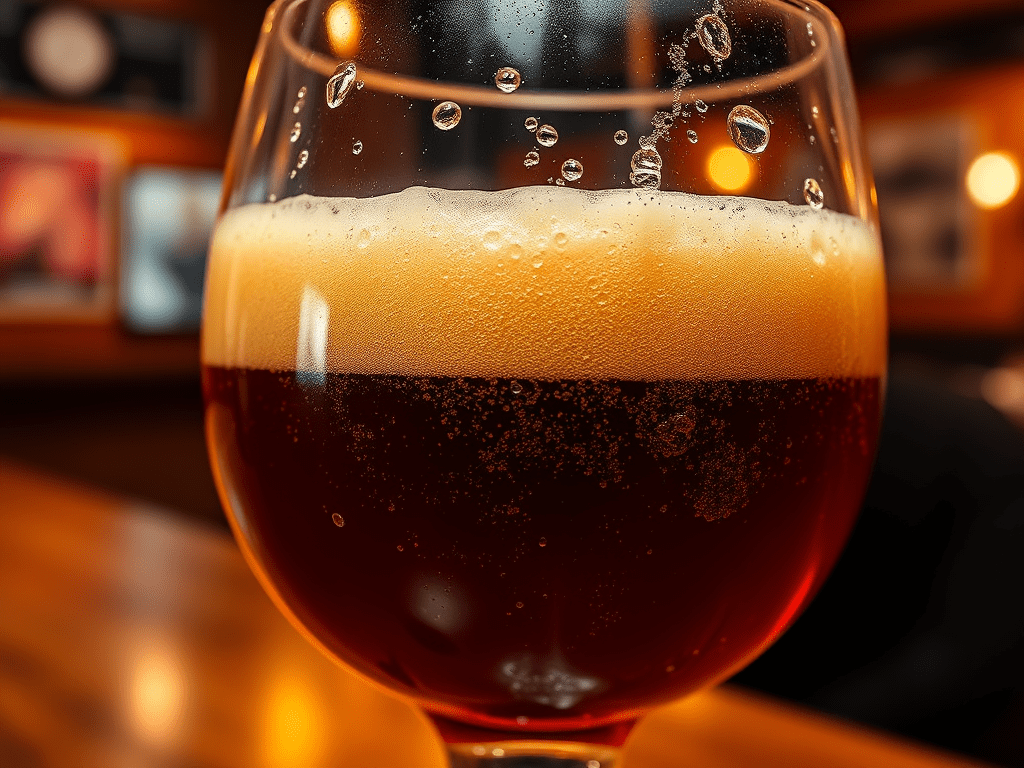
Stout A very dark beer brewed from roasted barley, its strong creamy flavour can partner a flaky haddock like nothing else. Guinness is the perfect exemplar, but WE remember an ancient brand called Mackeson– has anyone seen it lately?

Brown Ale Often favoured by persons from the North East of England, where the fishing industry was huge until about 2016, this has a flavour all of its own. But be warned; we once laid some on a Japanese lady of some education and she hated it. An acquired taste, perhaps.

Traditional Lager Yes, the cool bright foamy yellow stuff, the Poor Man’s Champagne. The brands we favour in these islands include Kronenburg, Red Stripe, Stella Artois(often known as “Nelson Mandela” around the outskirts of London) This is what we would use to partner our cod: no wonder they placed us on a strict diet. (no pun intended)

Domain j Jacques Girard Pernand Vergelesses Burgundy Posher guests may still wish to partner their fish dish with a white wine, darling. At £30 a bottle from Waitrose they had better drink it slowly. But we thought we had better put a good one in, because: you never really know who might turn up, do you?

Have a good weekend

#fish and chips #great britain #lager #beer #takeaway #wine

Heroes of Learning: Colin Renfrew

Anyone with the slightest interest in early civilisation must pay tribute to the work of Professor Colin Renfrew. That fascinating period spanning the Neolithic to the early Iron Age witnessed the transformation of humanity from hunter gatherers subsisting barely above the animal level to the first technological civilisations, deploying writing, building, pottery, roads and all the other appurtenances that set us above the beasts. This was Renfrew’s territory. And it encompassed a vast sweep from Cycladic figurines to the immense migrations of the Indo European speakers and the changes they wrought With a few Anatolians thrown in for good measure

So today we throw this blog open to the likes of Nature Briefings (see below) and Wikipedia [1] to tell you about his life and accomplishments. For Renfrew had all the marks of the true scholar. His learning was vast, his methods empirical, his conclusions provisional. He knew the real value of learning to is prompt further investigations, not to provide easy answers. If someone had provided clear and unequivocal evidence that the Indo Europeans had originated in Sutton Coldfield and not the Steppes, he would have been the first to agree. If ever you have travelled the sunny lands of the Mediterranean or Levant, gazed in wonder at the ruins still there, or tried to understand the guide book, remember :you are in Renfrew territory. Tread with respect.

Archaeology’s Closest thing to a household name Colin Renfrew, who helped to transform archaeology as a scientific discipline, died last November, aged 87. In the 1960s, researchers discovered that tree rings from bristlecone pines (Pinus longaeva) — which are among the oldest living things on Earth — could be used to redate artefacts in Europe. Prompted by these developments, Renfrew helped develop a fresh understanding of how European and Near Eastern civilizations developed, alongside new models for how societies change. “Renfrew’s ideas were decades ahead of available computational modelling power,” writes his colleague, archaeologist Cyprian Broodbank.Nature | 5 min read

[1]https://en.wikipedia.org/wiki/Colin_Renfrew

#colin renfrew #neolithic #bronze age #iron age #fertile crescent #middle east #indo europeans #archaeology #language

Switzerland: an economy is never expensive if you live there

A sometime correspondent* and contributor to these pages has sent us the following report, which we have transcribed somewhat into a language fit for a lettered readership:

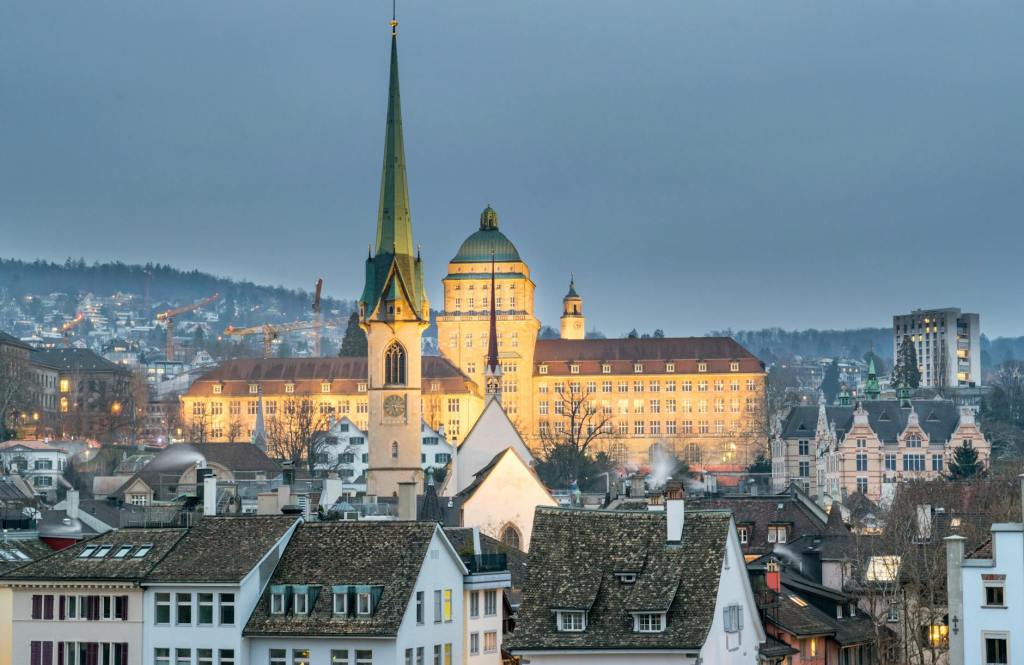
“Recently, my wife and I travelled through the republic of Switzerland, which was notable for many things. The cleanliness and order of all we saw, especially the city of Zurich. The split second precision of the trains and other means of transport. And the eye-wateringly expensive nature of food and drink. We were offered a bottle of the house red for £54, and it went up from there. Food was similarly exorbitant. Yet as soon as we crossed the border into Italy, the change in tone was remarkable. Trains were suddenly, and reassuringly, late at all times. But we could afford to eat once more” (they shared a delicious pizza-ed)

So what is going on? There are several lessons for us students of economics here. Firstly, you can run a high price, high paid economy rather well. Which renders all this talk about austerity and cuts rather irrelevant. Because an economy will not feel expensive to those who live in it , provided they use its currency. It will feel different to visitors from poorer countries, because their currencies will not fit with the prices on offer in the high wage economy. Secondly, if you want great services, they are perfectly possible- if you are prepared to pay for them. That these may be both a source of national pride and economic efficiency becomes a quod erat demonstrandum. Thirdly, that a cult of paying starvation wages is both inefficient and self-defeating. And finally-if you want a really good pizza, you still have to go to Italy.

We wish we could afford even that!

#switzerland #italy #price #income #keynes #friedman #economics

*for both legal and security reasons. we have been requested to keep the identity our correspondent anonymous

Tourism Tribes Trump Enlightenment

“We don’t like all these tourists!” A quick glance at the newsfeeds show mass protests against tourism and all its works breaking out across Spain, from the palmy island of Mallorca to stylish Barcelona, all the way out to the breezy Canary Islands. And it’s not just in Spain either. Venice was one of the first to start restricting access to the new breed of huge cruise liners that plough the sunnier waters of the world. And even in UK hotspots like Cornwall, some locals break out their tractors in high season and drive them slowly around country lanes with the deliberate aim of making life difficult for hated holiday visitors, whom they term “grockles” in the local dialect (we have been personally informed of this).

What on earth is going on? Students of Hispanic history and culture were long taught that the arrival of mass tourism not only brought floods of money, it also began to eat into the stifling repression of Franco‘s Spain, long before the arrival of democracy. Downsides like the ugly high rise sprawls of hotels and bars were glossed over. Also that whole areas could be taken over by hostile tribes of tattooed thugs, high on a sleazy culture of cheap beer, cocaine and promiscuous sexual encounters. And that’s just the women. We dare not name certain resorts where we have seen this this occurring on a daily basis . But we can understand why these protests are so strong in Mallorca.

Progressives need to confront a highly uncomfortable truth. Ramming people of very different cultures, languages even, together into tight spaces will ignite the oil wells of fear, mistrust and suspicion which lie latent in us all. And this will be so whatever the economic benefits the new arrivals bring. Ever since the Enlightenment, progressives of all types, from Adam Smith style ultra-marketeers to far-left Marx fans have asseverated that the spread of economic and intellectual advances will be irresistible. And that we thereby held the winning hand. Perhaps. But the natural instincts and impulses of most people seem to be very different. A truth which we have acknowledged before on these pages, in our posts on People like David Rofeldt, Amy Chua and Eric Kaufman. (LSS passim)Unless we think how to confront this tribal instinct, it will be used to Trump our project. And this time there will be no coming back.

[1]https://www.independent.co.uk/travel/news-and-advice/mallorca-menorca-spain-tourists-protests-b2551689.html

[2]https://www.msn.com/en-nz/travel/news/thousands-protest-in-spain-s-mallorca-against-mass-tourism/ar-BB1qny4g?ocid=BingNewsSerp

[3]https://www.bbc.com/mundo/articles/cw884y73j4do

#tourism #mallorca #barcelona #protest #free market

ZeroAvia keeps on rising

Commercial aviation is one of the greatest facilitators of human progress . It moves people and goods across oceans, mountains and jungles, breaking down barriers and holding the distant promise of a single united world free of war. But it’s no good at all if it pollutes the atmosphere and melts the last remaining strongholds of ice, drowning most of the world’s cities and farmlands in the process.

ZeroAvia seem to have the dilemma neatly in hand. We’ve already covered their new power plants and commercial plans before here (LSS Passim) Set against the general gloom, they’re a story of hope unfolding. So today we bring you a selected pieces of their latest news (there are many). And the reason we chose it is because it shows that, while their hopes are soaring in the clouds, their practices are firmly grounded in the solid world of developing partnerships, agreements and working in general with the vast ecosystem of unglamorous, hardworking people who actually get things done.

Working in partnership with Airbus, they’ve started a thoughtful programme in collaboration with Canada’s three largest airports. . To carefully consider the feasibility and impact of hydrogen and net zero aviation in the medium turn. None of the showy” we-can -do- it- all -now” promises of populist politicians. To quote the company:

this is the first time that a feasibility study of this magnitude has taken place in Canada to pioneer hydrogen for aviation, with the three airports. It reflects the partners’ shared ambition to use their respective expertise to support the decarbonisation of the aviation industry (ICAO, ATAG and IATA) and to achieve net zero carbon emissions by 2050.

Before you ask, we have no commercial or equity relationship with ZeroAvia whatsoever. Nor Airbus. And none at all with Canadian airports (we’d struggle to locate these ones on a map) But we would like to keep flying. We would like to bring you stories of hope. So we’ll continue to cover ZeroAvia in the fervent belief that someone, somewhere, is really really doing something.

#ZeroAvia #Airbus #Canada #netzero #decarbonisation#aviation #hydrogen

Volcanoes and Viruses-two deadly warnings of trouble to come

The slew of tv documentaries and news stories about the recent discoveries in the Roman town of Pompeii, destroyed by a cataclysmic eruption of nearby Mount Vesuvius in AD 79, certainly afford material for reflection. [1] Here was a thriving town, blotted out in a single day. Yet this was a small eruption. Far greater damage was done to the Roman Empire by the titanic eruptions in the age of the Emperor Justinian in 536 AD. [2] The resulting world-wide winter produced cataclysmic hunger, which in turn weakened the resistance to the bubonic plague epidemic which ravaged the Empire in the following decade. It is easy to think that we moderns, with all our advanced technologies are far superior to those old Romans, and thereby conclude “it won’t happen to us”. Don’t be so sure, at least until you have looked at this piece from Nature Briefings The Next Big Eruption will come. And, like the inhabitants of Ancient Rome, it looks as if we are woefully unprepared:

Tamsin Mather’s book Adventures in Volcanoland takes readers on a journey to some of the world’s most notorious and active volcanoes — and reminds us that the next volcanic catastrophe is inevitable. Yet global preparedness for volcanic eruptions is severely lacking, says fellow volcanologist and reviewer Heather Handley. There is no international treaty organization for volcanic hazards and no global coordination on issuing comprehensive warnings of risks of eruptions, she says. Mather’s book “reminds us that we should all keep careful watch on the world’s volcanoes”.Nature | 7 min read

And where will it happen? We’ve linked to this handy guide to the top five or so candidates, which, if they blew, could easily plunge us all into an economy-collapsing winter.[3] They include Popocatapetl, Mount Fuji and Mount Ranier. But don’t forget the highly active caldera of magma which sits under Naples, and includes Vesuvius itself. Are you sure it won’t happen?

As Justinian and his subjects found, deadly plagues soon follow the societal collapse produced by a giant volcanic event. Of course, these plagues can happen anyway without help from under the ground. Proof of how close this might be comes with alarming news that bird flu viruses have now jumped the species barrier into mammals. Which means they could spread rapidly among humans any time soon. The potential consequences will be far, far graver than the recent Covid-19 outbreak, which is already passing into memory. Nature Briefings takes up the story

“In my flu career, we have not seen a virus that expands its host range quite like this,” says virologist Troy Sutton about H5N1, an avian influenza virus that has rapidly infiltrated species well beyond birds. While most mammal infections were probably caused by contact with an infected bird, there’s evidence that the virus has now evolved to spread directly between some species, such as sea lions. Spreading in more species gives H5N1 opportunities to further adapt to mammals, including humans. So far, the virus doesn’t show signs of being able to cause a pandemic, Sutton says. “If we don’t give it the panic but we give it the respect and due diligence, I believe we can manage it,” adds Rick Bright, chief executive of a public health consultancy.The New York Times | 10 min read

One thing you won’t get at LSS is frivolous celebrity gossip nor trivial items about the doings of footballers, actors and minor royals. Instead, we offer timely and thoughtful warnings about the real issues which confront us. How you respond to them, gentle readers, is up to you.

[1]https://www.bbc.co.uk/news/science-environment-68777741

[2]https://en.wikipedia.org/wiki/Volcanic_winter_of_536

[3]https://www.worldatlas.com/articles/the-most-dangerous-volcanoes-in-the-world.html

[4]https://nhess.copernicus.org/preprints/nhess-2020-51/nhess-2020-51.pdf#:~:text=The%20Naples%20%28Southern%20Italy%29%20area%20has%20the%20highest,within%20twenty%20kilometres%20from%20a%20possible%20eruptive%20vent.

#volcano #caldera #volcanic winter #ad536 #pandemic #plague

Exclusive: we reveal the secret conspiracy that runs the world

These days everyone is talking about conspiracy theories and trying to find out who is in the secret conspiracy that controls everything. Some say it is Davos Man, but surely he can’t do it all on his own? Some say it’s the illuminati; others cite a rather boring man called George Soros who looks and sounds like someone at home in the impenetrable back pages of the Financial Times. But today, we at LSS can reveal that the real conspirators are the same they have always been. The Movers and the Shakers, and the Great and the Good. (although some claim to be in more than one of these categories at the same time) It’s about time that the Ordinary Citizen learned more about them. So you can recognise one in the street and, if possible, pointedly ignore them in a hostile way.

A note before we start The Movers and the Shakers, the first two rungs in the career ladder, are not to be confused with the 1960s California Soft Rock band of the same name whose hit single Baby I want your Love was the sound track for a whole generation who passed their golden youth in ancient camper vans on the golden beaches of places like La Jolla and Malibu.

Movers Can easily be recognised because they still inhabit the kind of flats they lived in when they were students, except now they own the flats and rarely wear baseball caps. Because their company/career/practice is in its early stages they still talk to people they knew at University. May even occasionally be seen at places like La Jolla, although the van is massively improved,. Hoping to become a…

Shaker By this time the company/career/practice is doing so well they can afford the all the extra houses/cars/mistresses that reinforce their new status. Do not expect Christmas cards/birthday cards/second wedding invitations from them any more. Quick to exalt the virtues of people like themselves who have made it big, they are longing to be called to a Selection Board in order to join the next stage, commonly known as :

The Great Yes, there are boards and examinations which you have to pass to reach this stage. But the questions are not like those in ordinary exams, such as “which is the largest copper-exporting country in South America?” or “integrate the function y=Cos x3-8 x1/2-4x”. Instead the questions are “are you going to Glyndebourne this year? or “were you at Rupert’s party in the Hamptons? Isn’t Piers Morgan one helluva guy?” One thing to know: the Great would never, ever, even be seen dead on beaches in places like La Jolla, however luxuriously-appointed was the camper van. But their major trouble is that they have spent so much time preparing for their role that they have learned nothing useful which might help them to do it. Which is way they make such a mess of things. And the hours are dreadful; if you are Great, your life is no longer your own. So many of them cannot wait to resign, and go as soon as possible to the last stage:

The Good Once upon a time being the Good was best of all. There were senior roles in things like the Arts Council or even your own 14-part cultural series on BBC2. Nowadays, with all these shopping channels and the internet, such gigs are few and far between. Instead they spend their time running international Institutes which nobody can see the point of. Or writing long newspaper articles which nobody reads, because the author is no longer Prime Minister, and never will be again. Apart from that, they just fret in case those ghastly locals build a caravan site on a hill which overlooks their villa in Tuscany. They have villas in Tuscany because they are far too old for beach life-especially among the heavy waves of La Jolla.

So now you know, you have two choices. You could Rise in Righteous Indignation and overthrow them. But; someone’s got to to do the job, why would you be any better? And do you you really want to give up your old camper van, with its digitally remastered tracks like Baby I want your love, just to fly to Davos and endure a string quartet?

No, we thought not.

#george soros #illuminati #conspirators #davos man #the great and the good #movers and shakers #malibu #la jolla

ZeroAvia goes from strength to Strength

God knows, we can be a gloomy lot here at LSS. Always vexing you with predictions of imminent doom, like global warming, pandemics, asteroids and changes in the parking zones in Croydon. . Which is why a bit of positive news brings a tiny ray of light to the dark cold days between Christmas and the New Year. That ray is provided by ZeroAvia, the Gloucestershire-based company that is doing so much to advance the cause of green, sustainable aviation. We blogged on them before (LSS 19 9 23). So here’s an update.

Because what impresses us about this lot is the way they are integrating themselves at every level of the business process. New products, such as fuel cell compressors[2] and electric motors[3]are well underway. They’re growing their market slowly and steadily by partnerships with forward-looking airlines like Alaska. And busily embedding themselves by hosting business conferences like their hydrogen summit. There are serious capital partnerships with major investors

All of which tells us that this is not just another little start-up full of hope but little else. Zeroavia is clearly a serious group of people with ambitious but entirely reasonable and graduated plans to transform this industry, and make all our lives more sustainable thereby. We wish them every conceivable luck and success in the year to come.

LSS and its staff have no business commercial or financial connection to Zeroavia nor to any of its stakeholders

[1]https://zeroavia.com/

[2]https://zeroavia.com/compressor-for-aviation/?utm_campaign=NL%20%7C%20Newsletter&utm_medium

[3]https://zeroavia.com/alaska-airlines-zero-emission-q400/?utm_campaign=NL%20%7C%20Newsletter&utm_medium=email&_hsmi=

#sustainable aviation #green fuel #climate change #air travel #engineering #zeroavia