

Friday Night: Côtes de Provence Rosé for summer evenings

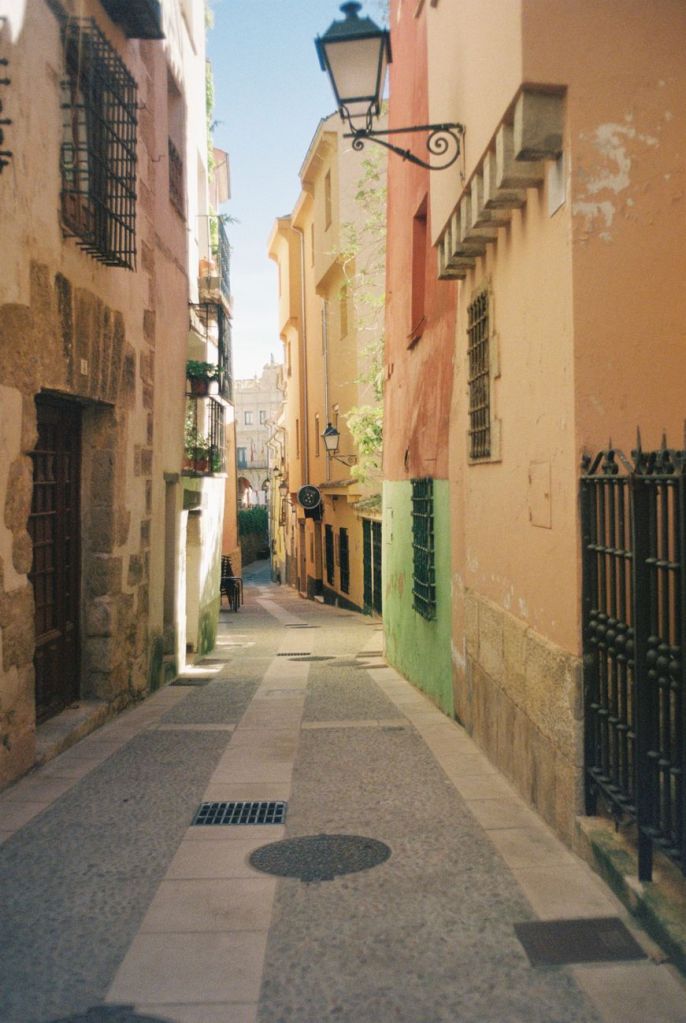
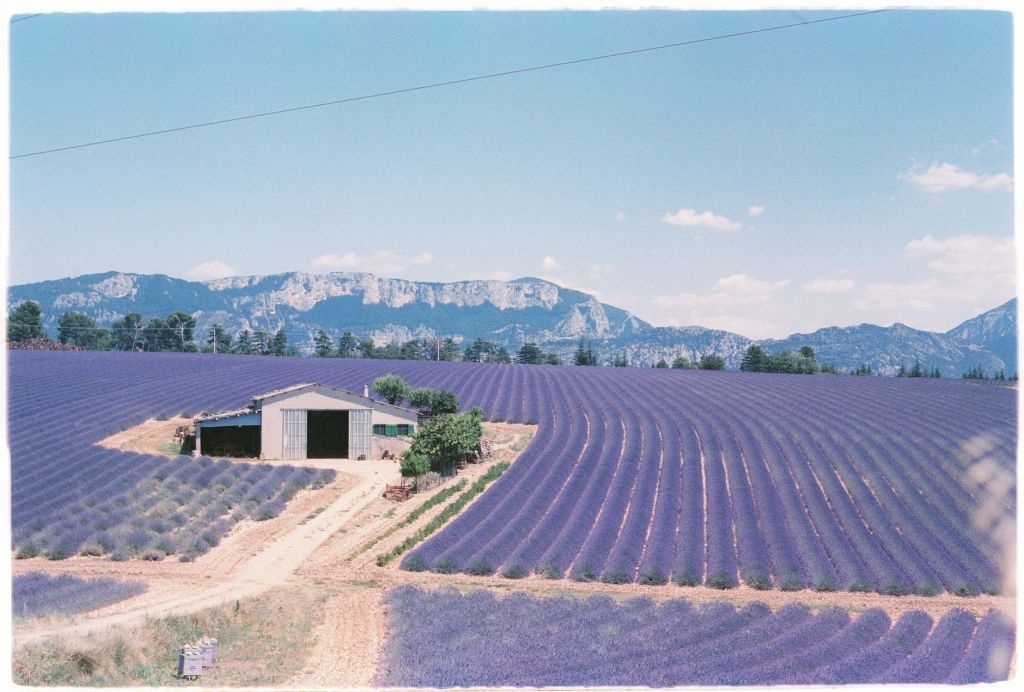
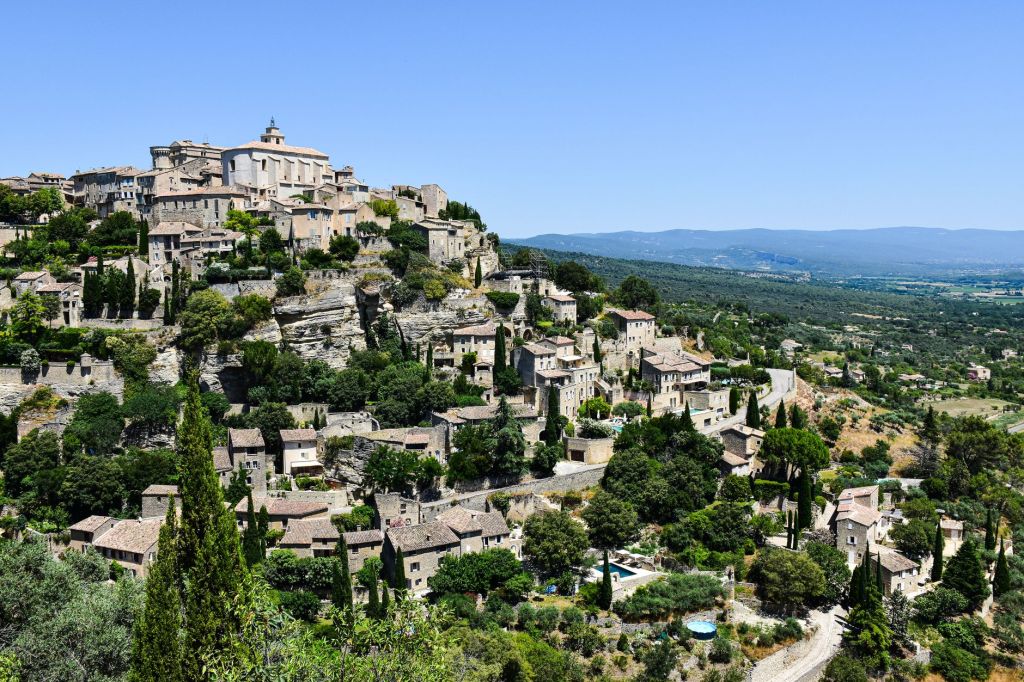
We know of no happier place to visit than the sun-drenched French region of Provence. To descend on final approach into Nice is gain privileged witness to all of its charms  in a single five minute panorama as the plane crosses lavender covered  mountains, vineyards, opulent settlements like Antibes and Juan‑les‑Pins, busy crowded beaches and les aménagements of every conceivable period of history. For Provence (originally Provincia Romana, the Republics’ first holding outside of Italy) has been at the crossroads of human development for hundreds of thousands of years. The Romans found a thriving Greek colony that was already big on wines, olives and all the other appurtenances of Classical Civilisation. Many asseverate that the traditions of that Civilisation were never entirely lost here while the rest of Europe collapsed into the Dark Ages. And under the Counts of Provence a thriving new culture, a medieval “cool” of artists and poets re emerged into the sunlight of a growing prosperity which has somehow survived invasions, religious wars, papal exiles, revolutions, world wars and even competition from fast food empires.

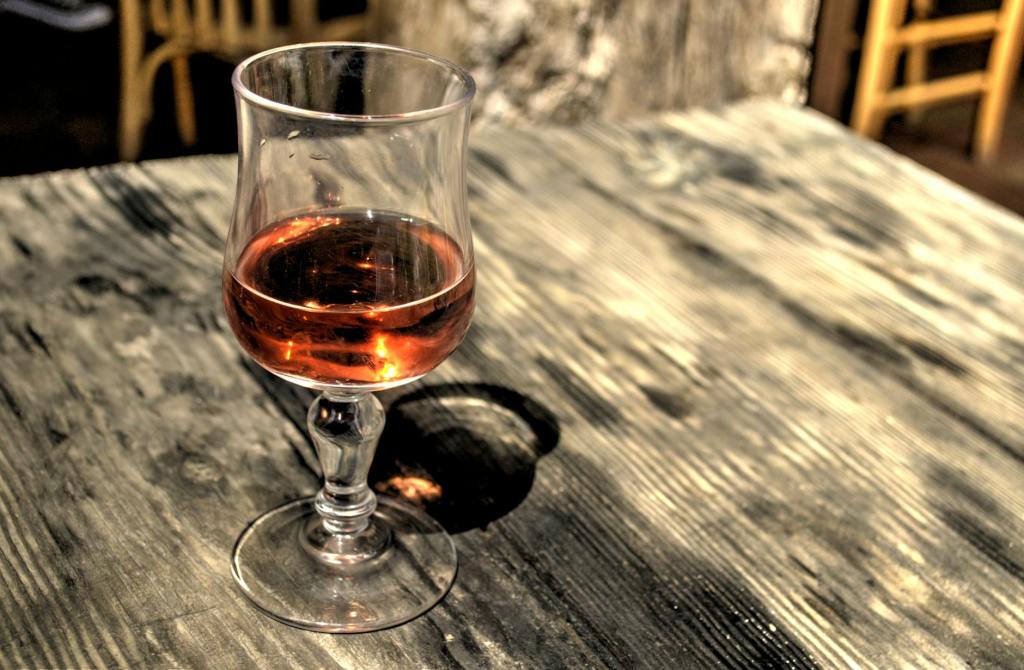
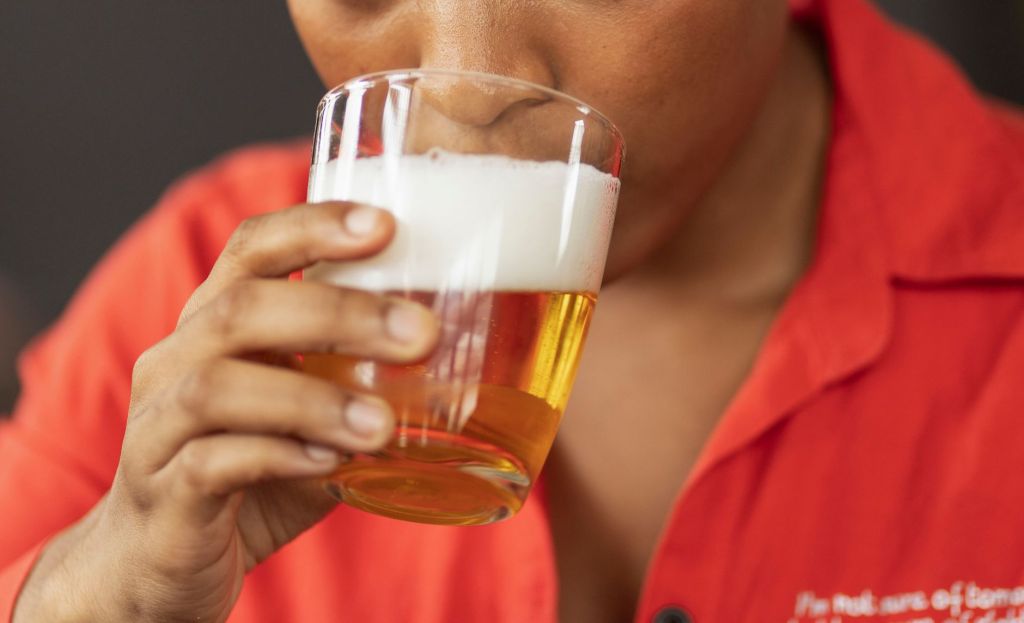
But fans of this column will want to know “What do they drink, and where can we get some?” Old Provençal hands will recognise names like Bandol , Cassis (the appellation, not the liqueur) and pastis almost from their subconscious. And every good bar will run a line in beers like Kronenbourg 1664 for hot days in hilltop villages. But today we are going to go with one of our all-time favourites : Côtes de Provence Rosé: the big, sunlit workhorse of the region: pale, saline, herbal, carrying the taste of every fine holiday spent, and memory generated, in this glorious region. As usual we shall offer three types, thus suiting every pocket. And although based on the  English market, which is sadly all we know, les connaisseurs of all lands will find enough to adapt to their own circumstances

Sensible and sure

 ASDA  Château de Gairoird Côtes de Provence Rosé ~£12–£14 Dry, fresh, strawberry‑and‑citrus, clean finish. A proper Provence rosé without the lifestyle‑inflation tax.

Polished mid‑range

Sainsburys M de Minuty Rosé ~£17–£20 Peach, watermelon, a touch of herbs, very Côte d’Azur. The one people bring to dinner parties when they want to look tasteful but not ostentatious.

Premium, but not insane

 Waitrose Whispering Angel (single bottle) ~£18–£25 Ultra‑pale, refined, citrus blossom, mineral finish. As often with Waitrose, you’ll be paying a bit more-but we think you’ll notice the difference.

That’s three fine choices  by which anyone can enjoy a taste of Provence without actually selling a kidney. À la vôtre !, or as they say in Old Provence :Santat!

#wine #provence #france #summer drinks #travel

Friday: Greek rosé wines corner

When we asked our team of researchers what Greece, and Greek culture, have given to the world, they came up with this:

Homer epic poetry Hesiod didactic poetry Sappho lyric poetry Pindar odes Aeschylus tragedy Sophocles tragedy Euripides tragedy Aristophanes comedy Herodotus history Thucydides history Xenophon history Plato philosophy Aristotle philosophy Socrates ethics Diogenes Cynicism Zeno Stoicism Epicurus Epicureanism Pythagoras mathematics Euclid geometry Archimedes physics engineering Eratosthenes geography Hipparchus astronomy Aristarchus heliocentrism Anaximander cosmology Democritus atomism Hippocrates medicine Galen medicine Herophilus anatomy Ptolemy astronomy geography Phidias sculpture Praxiteles sculpture Polykleitos sculpture Ictinus architecture Callicrates architecture Mnesicles architecture Parthenon architecture Athenian democracy political theory Solon lawgiver Cleisthenes reforms Pericles statesmanship Alexander the Great empire‑building Hellenistic science Alexandria library Septuagint translation Byzantine theology Cappadocian Fathers Orthodox liturgy Hagia Sophia architecture Procopius history Anna Komnene history Photios scholarship Cyril and Methodius Slavic literacy Byzantine diplomacy Greek fire military technology Cretan Renaissance literature El Greco painting Rigas Feraios nationalism Adamantios Korais Enlightenment Greek War of Independence Philhellenism modern Greek state Venizelos diplomacy Cavafy poetry Seferis poetry Elytis poetry Kazantzakis literature Theodorakis music Hadjidakis music Papandreou political thought Onassis shipping Greek diaspora scholarship modern Greek cinema modern Greek science modern Greek shipping global Greek cuisine Mediterranean diet.

“Ah,” we countered, but they never invented cocktails!” But they did have-no, do have- some fine rosé wines. So to counter this obvious aching gap in Greek culture we sent those same researchers off to create a short but very handy guide to three Greek Rosés, priced to all pockets,  which could make for some delicious  refreshments if it gets as hot as we think it might get hot in this El Niño summer. (See LSS 5 6 26)

£8–£10 — Kourtaki Retsina Rosé (Attica)

Often found in larger Tesco or Sainsbury’s stores, depending on region. Dry, light, herbal, very Greek, very summery. (If your local doesn’t stock it, M&S sometimes carries a Greek rosé under its “Found” range.)

£12–£14 — Mylonas Rosé (Mandilaria/Agiorgitiko, Attica)

Available from The Wine Society, Waitrose Cellar, and several independents. A proper step up: strawberry, pomegranate, a little herb; beautifully balanced.

£18–£22 — Gaia 14–18h Rosé (Agiorgitiko, Nemea)

A cult bottle. Stocked by Berry Bros. & Rudd, The Wine Society, and good Greek specialists. Serious rosé: pale Provençal style but with Greek backbone and minerality.

Sorry if they forgot Demis Roussos

With thanks to Mrs MF of Bridport, Dorset

#wine #greece #hellenic #rosé  #holiday #demis roussos

Would you visit Sussex without a porpoise?

One of the many advantages of our mighty office block is its proximity East Croydon Station. A short saunter puts the tired Senior Executive ( junior staff have work to do) on a train which will, in only a few minutes, whisk him from all the towering skyscrapers, crowded tenements and tiresome colleagues, transporting him rapidly into the beautiful county of Sussex. With all its rolling hills, lively cities, quaint villages, castles and pleasant coastal towns.  For example, the sea front at Worthing has been compared to that of Nice in France-although admittedly only by people who have never been to Nice.

But the best thing of all about Sussex is its thriving ecosystem of websites, newspapers and magazines at every level: village, neighbourhood, county -which not only cover all aspects of local life but acts as a thriving hub for the forces of economics and commerce. Among the best and brightest is Sussex Local, a widely distributed website and glossy colour magazine which covers both community events plus stories of wider national potential such as science or conservation. Riffling through its pages we came across this story (alright, we wrote it, but that’s beside the point) of a a brave and erudite scientist called Thea Taylor who has devoted her working life to the care and preservation of the large cetaceans which still inhabit the English Channel That’s right, porpoises, dolphins and sometimes even larger beasts are not just hanging on, they’re trying to come back into the  waters of one of the busiest shipping lanes in the world(it’s still open, folks) Dodging super tankers, evading trawlers, and jumping to the delight of excursionists and more serious yachtspersons alike.  They still represent a genuine large wild megafauna in easy access of great cities like Brighton and London.   But to keep them that way, Thea needs your help. You could start by reading the scintillating article we have published. [1] Or could you find a way to help Thea and the Sussex Dolphin Project directly? If you save the creatures in Sussex, you’ll help to save them everywhere.

[1]https://sussexlocal.net/back-issues-categories/2026/

[2] Sussex Dolphin Project

#dolphin #english channel #porpoise #brighton #consevation #ecology #nature #oceans

Round Up for Bank Holiday Weekend: Climate Migrants, Migrating whales, Wales’ climate-and more

Stories we liked but never had time to cover this week

Every Immigrant an Emigrant If you’re really serious about migration, tackle the causes, we say. This article from the Conversation makes our point rather well. Economics and ecology: tackle those and you will have solved the problem.

https://theconversation.com/who-moves-away-when-climate-change-hits-the-hidden-household-politics-of-migration-281470?utm_medium=email&utm_campaign=Latest%20from%20The%20Conversa

Wandering whale The immense migrations that some animals make have always impressed us none more so than the journeys of this remarkable humpback whale as chronicled by The Guardian. Incidentally, cetacean fans will be delighted by the forthcoming edition of that remarkable magazine Sussex Local, which carries a tour de force of in-depth reporting on dolphins and other large mammals in the English Channel. Don’t miss it!

Twenty-two years and 15,000km later: fluke discovery sets new record for humpback whale journey | Marine life | The Guardian  wandering whale

Was T Rex fairly armless? Sorry we couldn’t think of a single Marc Bolan gag that we could decently publish  here, so we’ll let you read this article about one of the more famous unsolved puzzles in science.

Why did T. rex have such small arms? Scientists finally SOLVE the mystery – and say the answer may lie in their giant heads | Daily Mail Online

How long can a civilisation last anyway? If you’re one of those types who thinks “I don’t give a monkey’s about climate change, I’ll be dead before it happens” then this article from EL País may give pause for thought.(note-in Spanish)

https://elpais.com/ciencia/2026-05-20/cuanto-tiempo-puede-vivir-una-civilizacion-antes-de-colapsar-las-utopias-estables-son-los-escenarios-menos-probables.

Fortress Britain People in Britain used to sneer at the disasters-climatic, political, economic-which befell less fortunate countries. Not any more, as climate change erodes their complacency in many forms, including biting insects, burning summers and flashing floods. Even in cool green Wales, as this link from the BBC makes clear

‘Negligence’ not to prepare for climate change emergencies in Wales – BBC News

Basically, it’s reckless indulgence in our beastly pleasures that have brought the climate crisis upon us.  Shakespeare had this to say

Thou art so fat-witted with drinking of old sack… that thou hast forgotten to demand that which thou wouldst truly know.” — Henry IV, Part 1 (Act 1, Scene 2)

#climate change #global warming #whales #dolphins #dinosaurs  #economics #sociology

Friday Night Feast of Fun: What to Wear for Cocktails

A few years ago (LSS 15 5 20) we received a plaintive call for help from a reader in Bridport in Dorset. He posed an age old and much-debated question: how should the Gentleman of Fashion dress for Friday Night Cocktail?. And this is the answer we gave

“Dear Mr AF: the rules on this have always been very prescriptive, but fair. In winter, a dark blue or black jacket, striped shirt, creased chinos and smart black shoes. Tie; anything regimental. old school, or your golf club. The building, not the thing you hit the ball with! In summer you may sport a light jacket, summer being defined as any date from Easter Sunday until the final Bank Holiday in August. You may of course wear a Panama. But don’t wear it indoors, or you will look like a numpty.”

Well, we will not change a dot or comma of that answer. Rules of dress are timeless, like rules of Golf or Morality. What you see above is how it is ladies and gentleman and we can no mor exchange that than we can ask for a rewrite on one of the Ten Commandments. (not even the one about Adultery) But we will add an appendix. A coda if you like, to recognise the times we live in.

Because since that blog was published quite a lot has changed. global temperatures have climbed by roughly 0.3 °C, 2024 became the hottest year ever recorded at about 1.55 °C above pre‑industrial levels , mountain glaciers have kept shrinking with more than 27 m water‑equivalent lost since 1970 and record mass losses in five of the past six years , and extreme events—heatwaves, storms, floods, droughts, and fires—have intensified across almost every corner of the biosphere. Yes, it’s got hotter, quite a lot hotter and it’s not just because you are standing too near the barbecue fire, ladies and gentlemen. So, just as St Benedict wisely relaxed monastic rules to make them more bearable , we are going to relax the Cocktail Code. A bit. In the warmest weather only. Gentleman may, with discretion, wear a polo shirt if working at the barbecue or serving the drinks, provided that you clear it first with the Guests.

Well there’s our advice . It’s nearly Six British Summer Time as we pen these lines, so we, like many of you are already thinking of slipping in to the time-honoured garb and wolfing down that first Pimms. We hope you enjoy your evening too, wherever you are.

#cocktails #clothes #global warming #st benedict #climate change #pimms #gin

Friday Night: Graves de Côte, Brighton

We are acquainted with more than one person who refuses to dine in chain restaurants. Being both of limited means and unlimited hunger after a hard day of investigative journalism, my photographer and I decided to stake our all on Côte Brasserie Church Street Brighton. [1] Our delight was not only in the food, which was excellent, not the service (first rate), but was also owed to the fact that it enabled your correspondent  to wax lyrical about  a favourite subject: the clarets of the Graves region, entirely apposite to a blog rooted in the tastes and preoccupations of the eighteenth-century Whigs.

We started by sharing mixed starters of Cheesy French Onion Fougasse and the Charcuterie of truffle saucisson, savoie ham, celeriac remoulade and pan blanc. Being between the lunch and dinner rushes the service was fast and exceedingly friendly, with time to appreciate the excellent ambience and extreme cleanliness of our surroundings. For her main, my companion chose the Half Roast Chicken which turned outto have a delicious buttery flavour and light crumbling texture which lifted it significantly above the standards found in so many pubs and restaurants. Your correspondent chose an old favourite: a 10 oz ribeye. Cooked to medium rare, it was tender, delicious and utterly reflective of the subtle herbs which always seem to lift a French steak above a plain English one. Readers will be gratified to learn that Cote offered unlimited fries, of which generous offer we could not take full advantage, being both on diets. But I was allowed a side of delicious green and juicy broccoli, always the tastiest of fresh vegetables.

To drink, my companion chose a glass of Côte’s own grenache rosé. But for myself this was a chance to sample (more than one) glass of red Graves AOC. For your correspondent, Bordeaux  has always our choice of French region: and Graves our choice of  Bordeaux It’s the cradle of Bordeaux’s wine trade, the source of the first great châteaux, and still the place where you can taste the region’s history without paying Médoc grand cru prices. Graves is Claret in its original, flinty register: born from river‑washed gravel that soaks up the sun by day and bleeds it back into the vines by night, giving the wines that poised mix of ripeness, freshness, and a faint smoky edge. We frankly and unashamedly admit that the wine’s true strength and depth needs a large brimming glass to be fully appreciated, a user requirement fully satisfied by the handy 250 ml beakers on ready offer. Steak connaisseurs will  be unsurprised to learn that it made the perfect partner to my dish.

Diets being diets, there was sadly no opportunity to sample the varied dessert menu beyond the usual coffee. Except that there is one tradition this writer will not let die: the custom of the dessert wine. Fortunately, this need was more than adequately met by their white Domaine de Barrubio Muscat, a deliciously cool, slightly sweet addition. An innovation entirely preferable to stuffing your face with endless ice creams or lashings of apple crumble and custard; a vice which we had practiced all too often in establishments of all sorts before the advent of our current Virtue.

If you like good food and are not a snob, then we utterly recommend this restaurant and its cheerful and ever-helpful staff

Côte Brighton 115-116 Church Street Brighton BN1 1UD

 [1]https://www.bing.com/alink/link?url=https%3a%2f%2fwww.cote.co.uk%2frestaurant%2fbrighton&source=serp-local&h=0amR%2byvWX27TKGXbQR4eJV9uEy

LSS has no personal, business or financial connection whatsoever  with Côte nor any of its employees

food #drink #wine #restaurant #brighton

Friday Night with an Opera

What’s your favourite opera? Dido and Aeneas? The Marriage of Figaro? La Traviata? Tosca? Our answer is: all of the above, and many more. But our real honest-to- God favourite is a drink, gentle readers, not a load of people chorusing on top of a windy hill in Sussex, or close to a handy pub in Covent Garden. That’s right, you guessed that today we are going to present the Opera, one of the tastiest, easiest-to-make homages to a great art form that we know. So with due reverence to the handy Hamlyn Ultimate Cocktail Book-(23 years old and still a go-to)-here is our (adapted)delicious recipe

Take 5 of your best ice cubes and drop ‘em in a shaker. Add one measure of Dubonnet, one half measure of Curaçao, and two measures of your best London dry gin. Put on the overture to Carmen and shake for the first three bars. Pour to a chilled cocktail glass, sin hielo, and decorate with a sprig of orange rind.  This will get you through the longest passages of difficult East European composers ,with the added advantage that it’s easy to sneak in to your box, provided the ushers are not looking.

So now imagine you are in your box in the Royal Opera House with your feet up sipping your drink as Bryn Terfel and the whole chorus belt out that sublime, that ultimate, that immense Te deum from Tosca.. Is your cocktail going to last right through? Go on, it’s a night out, and you’re going large.-Slip a tenner to the usher and send him  off for another of the same! Tosca, mi fai dimenticare Iddio !

#opera #cocktail #puccini #drinks

Recovering Rivers: Yangtse shows the way

The greatest problem in conservation and pollution control is that as soon as someone introduces a new measure, however reasonable, someone else pushes back. Try to control traffic pollution(demonstrably toxic) and all the van drivers get up in arms. Try to restrict smoking, and there’s a huge uproar crying freedom, autonomy and the right to die in peace. Yes, progressive ideas may be rational and based on scientific evidence and of long term benefit. But all too often, they can give people something to lose here, now, in the short term. Everyone really, truly need conservation and pollution projects to succeed quickly, here, now as well. The answer suggests Jonathan Watts of the Guardian, is lying on the banks of the Yangtse river in China and its called Evolutionary Game Theory [1]

The Yangtse had got into a pretty sorry state over the 70 or so years up to 2020. Too much fishing, too many dams. too much pollution. An iconic species called the Baiji dolphin (Lipotes vexillifer) was even driven to extinction, a heart-breaking tragedy if ever there was one. Something had to be done. And instead of just imposing bans and top down heavy handedness, the authorities boxed clever Check this out form Jonathan:

[the policy}t was designed according to the principles of evolutionary game theory, to assess how the three main bodies affected – communities, local governments and central government – would behave depending on different applications of punishments and rewards……The government spent about $3bn on compensating and finding alternative employment for about 200,000 fishers, scrapping many of the 100,000 boats involved.

In other words ordinary people were not treated as reckless ignoramuses, but just strugglers like the rest of. They were both brought in and bought in. a lesson many governments and well meaning reformers could do well to learn from. Now the great river, one of the undoubted wonders of the world, is starting to recover. Albeit a little groggily in places. Combine that with China’s CO2 emissions starting to flatten out, and their huge lurch towards renewable power, and you may get a glimmer of hope indeed.

[1]https://www.theguardian.com/environment/2026/feb/12/china-yangtze-river-recovery-after-fishing-ban

#evolutionary game theory #conservation #ecology #pollution #communities #fishing #angtse

Friday Night: How about a Glass of Sherry?

Southwest Spain, the Costa de la Luz, that tucked-away corner where the Atlantic meets the mouth of the Guadalquivir is off the beaten track as far as many tourists are concerned. Its empty marshes and estuaries, flat low farmlands and ancient cities as about as far as one can imagine from the concrete canyons of the Costa del Sol, Benidorm and all those tattoos. Which is odd because this region was civilised for thousands of years while all the beer and paella  joints were tiny  fishing hamlets. Famous too, for many things. And one of them is Sherry wine  to which we devote today’s little blog

Sherry from the D.O. Jerez–Xérès–Sherry spans a small but wildly expressive family of wines, all born in the “Sherry Triangle” of Jerez, Sanlúcar, and El Puerto. Fino is the palest and driest: crisp, saline, aged under flor, tasting of almonds and sea‑spray—drink it fridge‑cold with olives, almonds, jamón, or seafood. Manzanilla, made only in Sanlúcar, is even more briny and delicate, perfect with fried fish or prawns. Amontillado begins life under flor but finishes oxidatively, giving a haunting mix of hazelnut, caramel, and dried herbs; serve cool with artichokes, consommé, or mushrooms. Oloroso is fully oxidative—rich, nutty, sometimes leathery—best slightly cool with game, stews, or hard cheeses. Palo Cortado sits mysteriously between Amontillado and Oloroso: elegant, aromatic, and complex, a contemplative wine for roasted meats or simply a quiet evening. Sweet styles—PX and Moscatel—are luscious, raisiny, and dessert‑like, wonderful with blue cheese or poured over ice cream  But we found this excellent site called the Sherry Region [1] will tell you everything you want to know, and for which we have no room here, including history, types of wine and lots, lots more about this fascinating part of Iberia.

No trip to the Sherry Country would be complete without a trip around one of the fascinating  Bodegas  belonging one of the different companies These are not tiny lodges, but large production facilities which face each other across the streets like the  premises old car companies did  in Birmingham in the 1970s. We dare not advertise: but the one which  we often choose offers wine trains, guided tours and huge vaults with ancient barrels containing the chalked autographs of some of the most famous people who have ever lived in the last 126 years. Yes they liked a drop of this stuff too. And you will find out why when you attends the generous  tasting at the end, which can become convivial indeed. We will close with this warning: don’t go to the one in the morning, or that’s the rest of the day written off.

[1] Sherry Region | El Marco de Jerez | Sherry Wines Origin – Sherry Wines

#Spain #Jerez de la Frontera #Cadiz #sherry #wine #Atlantic #tourism

Two New Year Cocktails from 2020: we can’t improve on them

December 31 2020: it seems such a long time ago! It was the year Joe Biden had defeated Donald Trump to win the Presidency of the United States. The year a COVID-19 ravaged world was waiting for the first vaccines. And our already-growing pool of loyal readers was was waiting in addition for our advice about what to do for cocktails on what was going to be a rather restricted New Years Eve festival. And here is what we wrote in a piece titled Two Champagne Cocktails for New Year-Even if You’re Staying In:

Well, New Years Eve has always been a traditional time for fun and japes and conga lines-and lots and lots of champagne. Sadly, old Mr Covid-19 is going to crimp that this year, and by more than a little! But, do not despair, good reader. We at LSS have a couple of delicious champagne cocktail recipes for you to try as the big countdown to the glorious hour begins.

French ’75

Supposedly named after a powerful piece of Gallic field artillery, this is a fun sharpener with quite a slug of our favourite spirit-gin. The lemon and caster will give it the feel of a sparkling version of that old LSS favourite Between the Sheets. So, adapted from from Hamlyn‘s The Ultimate Cocktail Book:

Half fill a tall glass with cracked ice. Add 1 measure of good dry gin, the juice of half a fresh lemon, one teaspoon of caster sugar, and chilled champagne. These days Bollinger or Veuve Clicquot are perfectly acceptable, unless you live in somewhere like Monaco. You can decorate this one well with orange, lemon or lime slices to give that real party feel.

The Bellini

Most readers of LSS will be more than familiar with Renaissance Art, and the works of Giovani Bellini in particular. We know this from our focus groups. So it may come as no surprise that this one was named after the eponymous author of such works as St Jerome in the Desert, Christ Blessing and St Francis in Ecstasy. We are a bit unsure about that last one; surely a small tipple before evensong would have been sufficient? Anyway, once St Francis had come back down he, and you, could well have enjoyed the following. Again it is from our immortal Hamlyn, which is to us what Das Kapital is to the followers of Karl Marx.

Take a large, robust wineglass. Add two measures of fresh peach juice. Add four measures of chilled champagne and a dash of grenadine. Hamlyn recommends peach slices to decorate. We say: use your imagination, it’s New Year’s Eve!

You can read the full histories and more about these cocktails below via Wikipedia. But don’t forget, Knowledge and objective learning are now in deep, deep danger. Wikipedia is one of the best guardians of truth that we have. And so we earnestly beg you to think how much you can donate to this marvellous resource. They too must survive another year: details below in the links.

French 75 (cocktail) – Wikipedia

Bellini (cocktail) – Wikipedia

Support Wikipedia – Wikimedia Foundation

The Ultimate Cocktail Book Hamlyn 2004

#french75 #bellini #champagne #newyearseve #cocktails #wikimediafoundation