Two New Year Cocktails from 2020: we can’t improve on them

December 31 2020: it seems such a long time ago! It was the year Joe Biden had defeated Donald Trump to win the Presidency of the United States. The year a COVID-19 ravaged world was waiting for the first vaccines. And our already-growing pool of loyal readers was was waiting in addition for our advice about what to do for cocktails on what was going to be a rather restricted New Years Eve festival. And here is what we wrote in a piece titled Two Champagne Cocktails for New Year-Even if You’re Staying In:

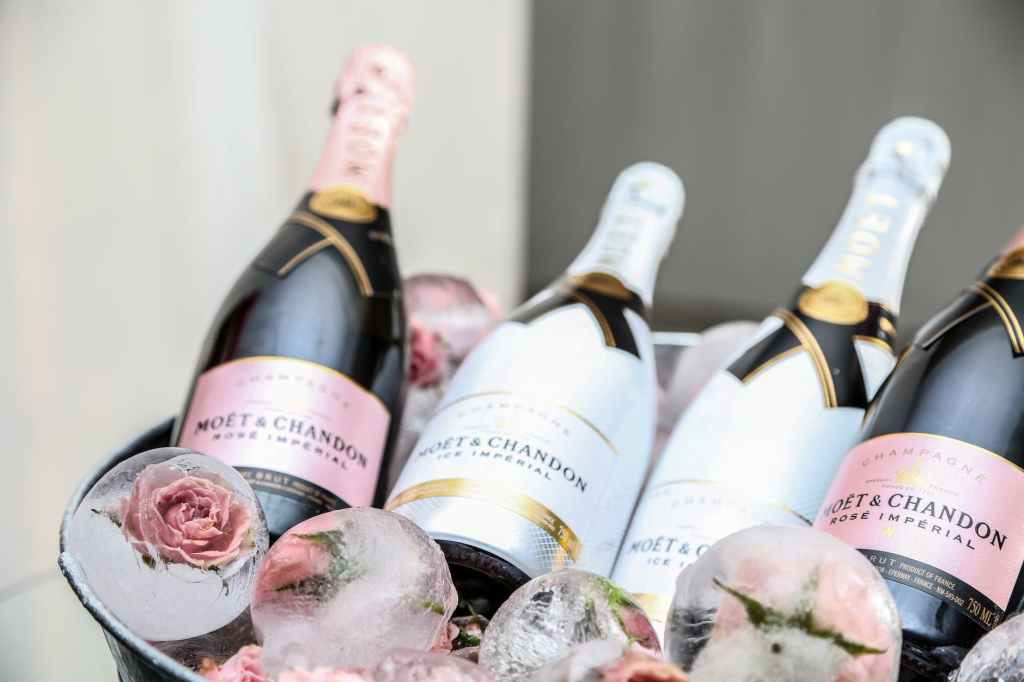
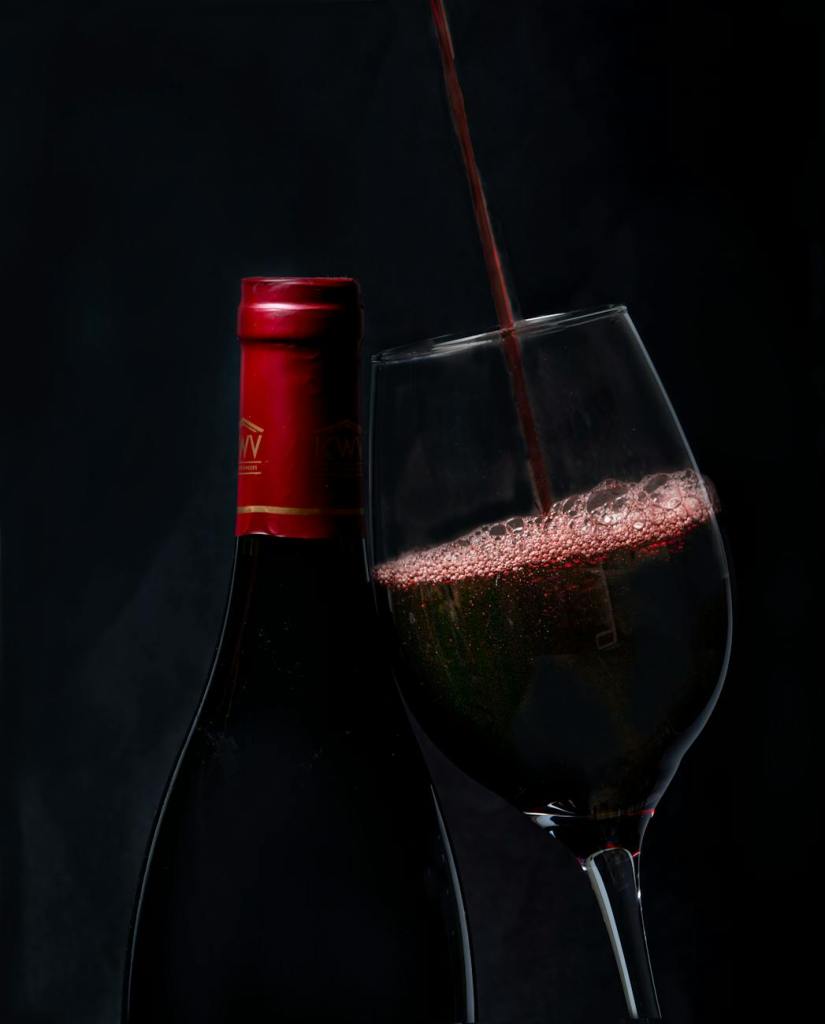
Well, New Years Eve has always been a traditional time for fun and japes and conga lines-and lots and lots of champagne. Sadly, old Mr Covid-19 is going to crimp that this year, and by more than a little! But, do not despair, good reader. We at LSS have a couple of delicious champagne cocktail recipes for you to try as the big countdown to the glorious hour begins.

French ’75

Supposedly named after a powerful piece of Gallic field artillery, this is a fun sharpener with quite a slug of our favourite spirit-gin. The lemon and caster will give it the feel of a sparkling version of that old LSS favourite Between the Sheets. So, adapted from from Hamlyn‘s The Ultimate Cocktail Book:

Half fill a tall glass with cracked ice. Add 1 measure of good dry gin, the juice of half a fresh lemon, one teaspoon of caster sugar, and chilled champagne. These days Bollinger or Veuve Clicquot are perfectly acceptable, unless you live in somewhere like Monaco. You can decorate this one well with orange, lemon or lime slices to give that real party feel.

The Bellini

Most readers of LSS will be more than familiar with Renaissance Art, and the works of Giovani Bellini in particular. We know this from our focus groups. So it may come as no surprise that this one was named after the eponymous author of such works as St Jerome in the Desert, Christ Blessing and St Francis in Ecstasy. We are a bit unsure about that last one; surely a small tipple before evensong would have been sufficient? Anyway, once St Francis had come back down he, and you, could well have enjoyed the following. Again it is from our immortal Hamlyn, which is to us what Das Kapital is to the followers of Karl Marx.

Take a large, robust wineglass. Add two measures of fresh peach juice. Add four measures of chilled champagne and a dash of grenadine. Hamlyn recommends peach slices to decorate. We say: use your imagination, it’s New Year’s Eve!

You can read the full histories and more about these cocktails below via Wikipedia. But don’t forget, Knowledge and objective learning are now in deep, deep danger. Wikipedia is one of the best guardians of truth that we have. And so we earnestly beg you to think how much you can donate to this marvellous resource. They too must survive another year: details below in the links.

French 75 (cocktail) – Wikipedia

Bellini (cocktail) – Wikipedia

Support Wikipedia – Wikimedia Foundation

The Ultimate Cocktail Book Hamlyn 2004

#french75 #bellini #champagne #newyearseve #cocktails #wikimediafoundation

Friday Night: More in praise of Gin and Tonic

If there’s one common theme to this blog, it’s probably Gin, often accompanied by its old sparring partner , tonic water. That seems to be the case judging by a recent trawl through the archives, in desperate hope of reheating some old ideas for new posts. (LSS 4 9 20;13 2 24 et al ) Which is why we were pleasantly surprised to come across this article by Luke Chafer of the Mail, hymning the praises of the old tincture according to a new tune. If you’ve got to drink alcohol, declares Luke, this tipple is a lot less bad for you than many others.[1] That is, if you do it responsibly, as we always have, and not getting drunk. So here’s a few G and T questions and answers, based on Luke’s amiable article. Just think-it might be you gentle reader, and a pal or two, in a cocktail bar in one of the better hotels off of Park Lane as dausk falls over the London skyline

So-who invented the G and T anyway?

Back in the 19th Century, Britain’s Royal Navy was looking to get the drug quinine into its sailors, as the stuff was meant to have anti-malarial properties. It was too bitter to drink on its own (“tonic water”) so Her Majesty’s Admiralty had the brainwave of mixing it up with sugar .lime and gin-and hey presto, a new jewel sparkled in the crown of human achievement

So is it safe to drink?

No. No alcohol is safe. But, quoting his experts like a good journalist Luke adduces

It is about making sensible choices. If you are swapping five pints of beer for G&T’s then that is a good decision, because it has fewer calories and will not cause bloating,’ says Ms Lohia, [a leading nutritionist whom Luke consulted

Where can I find out more about variations and recipes?

We would strongly recommend searching the back catalogue of this blog, Learning Science and Society, and go from there

Does quinine really cure Malaria?

Weeeeelllll……………according to Luke you need rather a lot of it :

……theoretically, to protect against malaria, someone would need to drink 14 standard gin and tonics every eight hours, which is the equivalent of a week’s consumption of alcohol according to the NHS.

I see. Not a good idea. But surely those juniper berries they make the stuff from are pretty good for anti oxidants or something like that?

See above, Once again Luke has done his homework He finds:

However experts say that there is not enough juniper in a modern bottle—or shot—of gin to give any health benefits.

Our advice? Drink it moderately Drink it for fun, with your mates.. Stop quickly. In which case it will be one of the best moderate alcohol drinks you can get.

[1]https://www.dailymail.co.uk/health/article-15288483/Make-double-science-gin-tonic-one-healthiest-alcoholic-drinks.html

#gin #tonic #cocktails #pub #bar #quinine

Does this whale hold the secret of eternal youth?

I have lived long enough, my way of life is fall’n into the sere, the yellow leaf…..Macbeth Act V scene 3)

Most of us would pretty much agree with the Thane of Glamis. But up to now, achieving that Pan-like state of eternal youth has been no more than a dream, whatever the cosmetics companies say. Until today, when recent discoveries of a protein in the Bowhead whale suggests that this same eternal dream may actually come true. We’ve two takes on the story: a popular one from Ashleigh McCaul of the Mail: and a more in-depth view from Nature Briefings Secrets of a 200 year old whale which carries, as ever, links to deeper coverage (no whale pun intended)

A cold-activated protein that helps to repair broken DNA could be the bowhead whale’s secret to living sometimes for more than 200 years. Researchers travelled to northern Alaska to collect samples of tissue from the whales (Balaena mysticetus) from Iñupiaq Inuit communities. The team found that the whale’s cells produce a protein called CIRPB, which helps to mend potentially cancerous DNA mutations. The results show that an efficient DNA repair system is “a very effective strategy to confer this extreme longevity”, says molecular biologist Zhiyong Mao.Nature | 4 min read
Reference: Nature paper

And our opinion? it’s interesting how science is fine when its discoveries coincide with the deepest wishes of the population. Yet science is not so convenient when it reminds of certain uncomfortable truths, such as the imminence of catastrophic climate change, The response of some is to launch culture wars, wherein the conclusions and recommendations of the educated must not only be resisted, they must be actively torn down if at all possible. This article by Alex Heffron and Tom Carter-Brooks for the Conversation chronicles how this is currently playing out in the English countryside., where some persons are trying to foment opposition to the installation of solar panels on private land. Of course, motives will be mixed: and not all of us think an array of panels is quite as pretty as a meadow of waving wheat. But we must have clean power: or we will surely die, young and old alike.

We are certain you will find a comparable example near to where you live, gentle reader Yet it’s the psychology of all this that gives us this thought, for what it may be worth. Now, It was said of Peter Pan than he never grew up. The best definition of growing up is to realise not all your wishes can come true at once. It seems some people must do more to recognise that, however many decades they have accumulated.

[1]https://www.dailymail.co.uk/sciencetech/article-15247935/How-whales-hold-secret-humans-living-FAR-longer-scientists-discover-longest-living-mammal-repairs-DNA.html

[2]https://theconversation.com/you-cant-eat-electricity-how-rural-solar-farms-became-the-latest-battlefront-in-britains-culture-war-268128?utm_medium=email&utm_campaign=Latest%

[3]https://theconversation.com/you-cant-eat-electricity-how-rural-solar-farms-became-the-latest-battlefront-in-britains-culture-war-268128?utm_medium=email&utm_campaign=Latest%

#climate change #global warming #renewable energy #peter pan #ageing #whale

Friday Night Feast: Sangria

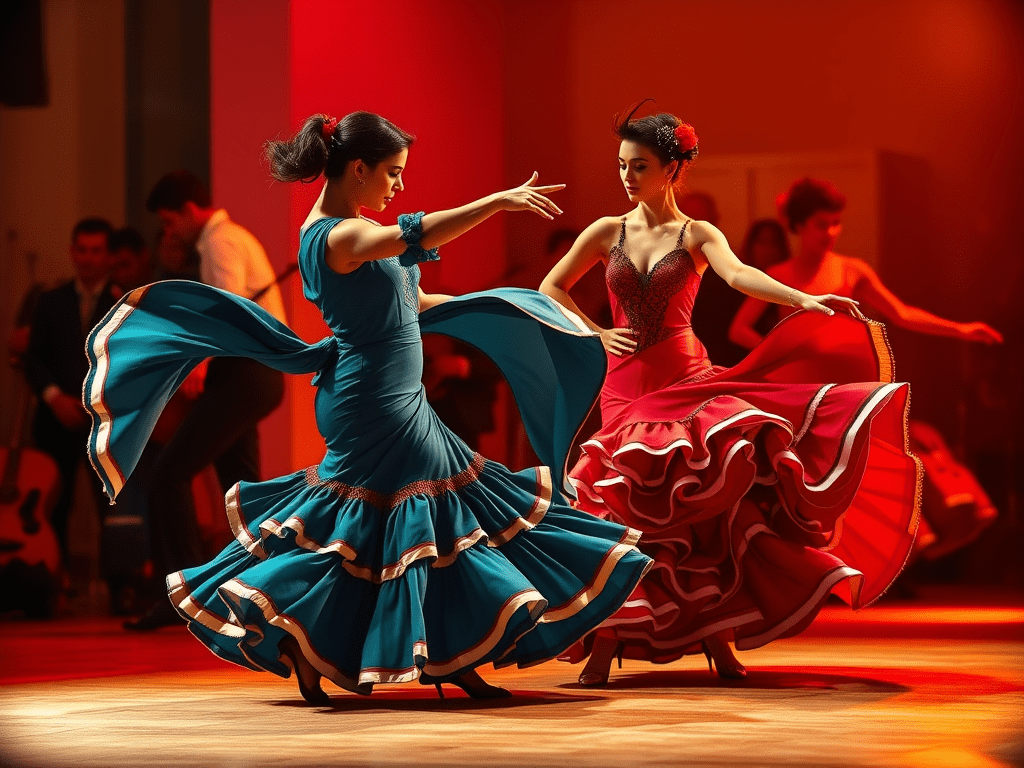
“We’ve just got back from Spain” To those growing up as a child in 1960s London, especially in poorer working class districts, those words rang with magical prestige. Few of us had even been on an aeroplane, let alone to somewhere as warm, as sunnily sandy, and as downright distant as Spain. If you were lucky enough to have a holiday at all it would be a week in a Victorian boarding house in some windswept grey town like Blackpool or Bognor Regis. But these lucky people brought back tales of modern hotels with receptions, swimming pools ,and bars, just like the ones in James Bond films. And the artefacts! Curious little black bulls in hollow plastic. Dolls in exotic flamenco costumes, arms frozen in some eternal paso doble. And funny china jars with a picture of Minorca on them, drinking cups to match. Which, they proudly informed us, were all for the drinking of Sangria. A taste for it was born; and we think it still remains one of the best parts of an Iberian holiday today (you can get it in Portugal too)

The aim is to make it with lots of ice, so that beads of dew form on the outside and trickle down in the hot Spanish night to the sounds of a flamenco guitar(these days it’s more likely to be Rosalia or Aitana; but no somos nadie as they say in that country) After all the ice, there as many variations on the theme as there are bars in Benidorm. This BBC recipe produces an out come as good as any which we have tried down the years. [1] 3 parts of a good full red wine such as one from the Duero or Rioja, one part of orange juice and two of lemonade will get you over the line. After which you can add the sorts of fruits you want, though it being Spain and all that, oranges and lemons seem almost statutory. A little twiglet of mint will give the whole things a most Pimms like ambience, and the scaling up possibilities for two to fifty drinkers are manifest.

The word sangria of course comes from the Spanish word sangre, or blood, as anyone who has holidayed in somewhere like Magaluf or Torremolinos will recognise at once: a reference to the deep red colour of the wine. There are records of something like it in eighteenth century Spain and Portugal. Though the Romans had been experimenting with similar wine punches long before. Don’t accept ones made with rose or white. they are poor imitations , avoided by locals and experienced costa hands alike And so, even though the nights are drawing in we raise a metaphorical copa of the stuff to you all gentle readers, and hope it evokes memories of happy sunny holidays. Thanks again for all your comments, ideas and other general feedback.

[1]https://www.bbc.co.uk/food/recipes/sangria_93847

#Spain #Portugal #sangria #wine #holiday #costa

How climate change drives the return of deadly diseases

We never thought we’d see it. But Malaria is making a comeback in the British Isles [1] According to the latest findings from the UK Health Security Agency(UKHSA) cases rose by a whopping 32% from 2022 to 2023 making them the highest in 20 years. More than 2000 cases in fact. Now some of this is due no doubt to travel bounce backs after the COVID 19 pandemic. But once put into a broader context. the real pattern becomes both clear and alarming. Global warming is driving a massive spread of insect vector diseases. Dangerous diseases that almost seemed under control until the oil companies unleashed climate change on an innocent world

Staying with Britain just for now, William Hunter of the Mail [2] reports on the appearance of two deadly mosquitoes in the UK: the Egyptian mosquito Aedes aegypti and the appropriately named Tiger mosquito Aedes albopictus. For now these are isolated events, and under current conditions their spread may even be containable. But every year the climate gets a little warmer. Every year brings a higher chance that these vectors will spread their deadly triple load: Dengue Fever, Chikungunya and Zika. With all the consequences which wel- seasoned readers of this blog will recall from our earlier outings on this theme (see LSS 25 3 25, 25 10 21 and many others)

We confess to becoming a little angry when we we write stories like this: such disasters could have been so avoidable. Once, not so long ago these diseases were unknown in this islands except as travellers’ tales, or as the province of medical specialists. Now a wave is crossing the world. We know what the remedy is. If by any chance you are a parent reading these lines: this story is one more line of evidence among many. Your children can never be truly safe until global warming is finally controlled and reversed.

[1]https://ukhsa.blog.gov.uk/2025/05/21/how-we-protect-the-uk-from-vector-borne-diseases/

[2]https://www.dailymail.co.uk/sciencetech/article-15151429/tropical-diseases-britain-mosquitoes-dengue-fever.html

[3]https://wellcome.org/news/how-climate-change-affects-vector-borne-diseases

#disease #malaria #dengue fever #climate change #g;obal warming #health

The Best time to be alive: The University of Paris in the Middle Ages

Paris. Everyone knows what that word means, even though most people have never been there. Style. Sophistication. Fashion. Learning. Power. Money. A place to be, a box that must be ticked. How did one more city in northern Europe get ahead of all its peers? What is the secret of Brand Paris?

We think the answer lies in the foundation of the University of Paris. Starting as an adjunct to the Cathedral school before 1100, it gradually expanded into a powerhouse of teaching which began to attract the best minds from all over the world. It drew the patronage of magnates such as King Phillipe Augustus and Pope Innocent 111, who recognised the value of cultural capital and soft power. While the roll call of alumni from the earliest time to the present includes such names as Peter Abelard, St Francis Xavier, John Calvin, Marie Curie, Louis de Broglie, Emmanuelle Charpentier, Simone de Beauvoir and Yann Le Cun. This was where it was at, to coin a phrase: and the network of hotels cafes, art studios, bookshops and spin-off enterprises simply grew around in a multiplying effect that would gladden the heart of any fan of Keynesian economics. (For the curious the Sorbonne started as one college of the University, but expanded so much that its name became metanymic for the whole thing)

It was one of the earliest Universities in Europe, and even today its successor institutions remain among the best. But if you had been a student there, perhaps of Abelard, you would have known yourself at the start of something big, new and world changing, that was going to last the ages. But let’s close when our own original thought When they set it up, the costs must have seemed rather large, the incomings rather small. No doubt the same argument was advanced against the Pyramids in Egypt or the monuments in Rome. But they have paid for themselves over and over again in tourist revenue alone ever since. As its greatest alumnus of all, St Thomas Aquinas said

Sicut enim maius est illuminare quam lucere solum, ita maius est contemplata aliis tradere quam solum contemplari.”

“Just as it is better to illuminate than merely to shine, so it is better to pass on what one has contemplated than merely to contemplate.”

And we agree.

#france #middle ages #university of paris# #sorbonne #philosophy #learning

Heroes of Learning: Alexandra David-Neel

Today we celebrate the life, travels and accomplishments of Alexandra David-Neel (1868-1969) who died tragically young, one month short of her 101st birthday. Yet in that time managed to pack in as varied a CV as anyone ever has. Explorer, feminist, writer, mystic, opera singer, anarchist and first westerner to enter the forbidden city of Lhasa. [1]

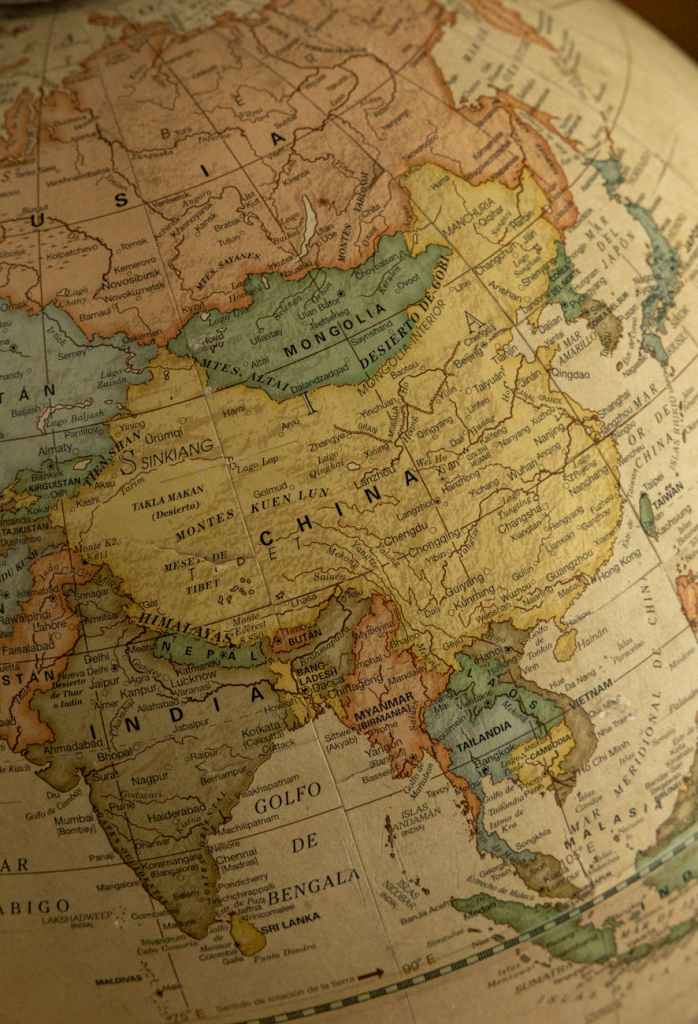
Her exposure to the world started early when her father took her to visit the memorial to the recently executed Communards in1871. Whether this troubled her we cannot say. But her teenage years were certainly feisty. By the age of 18 she had clocked up travels to England Switzerland and Spain, on the way encountering controversial characters like Madame Blavatsky and getting herself enrolled in the 30th degree of Scottish Freemasonry.By 1899 she had written her first books and converted to Buddhism. But it was only as the curtains lifted on the twentieth century that she really got going. The next 46 years read like a whirlwind of adventure which would leave Indiana Jones green with envy. She got out East by becoming a successful opera singer in what was then called Indo China. After that her perambulations included vast stretches of India, Sikkim(where she lived as an anchorite in a cave) China, Mongolia, Tibet (hence the Lhasa episode), interspersed with marriage and a peaceful interludes in Digne-les-Bains in Provence.

It was here she finally retired for last decades of her life, . as the burden of her exertions caught up with her. It is interesting to recall that this quintessential nineteenth century explorer actually died after Neil Armstrong had placed his famous first step on the Moon. But we guess that she must have approved. We hope our links will tell you more about this energetic, learned and above all courageous woman. A beacon of learning indeed in dark times.

[1]https://en.wikipedia.org/wiki/Alexandra_David-N%C3%A9el

[2]https://avauntmagazine.com/alexandra-david-neel

#tibet #buddhism #lhasa #dalai lama #provence #china #sikkim #neil armstrong

The Best time to have been alive #4: Al-Andalus

Des kand meu Cidello venid/ton bona al-bishaara /com ray de shol yeshed/fi waad al-hiraaara*

When my Lord Cidello comes, what good news! He shines like a ray of sun on Guadalajara

When someone suggested we tackle Muslim Cordoba at its peak (roughly, the Emirate and Caliphate, 750 -1031 AD  in the western calendar), we were unprepared for the cornucopia of historical  riches that awaited. But, as both frequent holidaymakers in the Iberian peninsula, and speaking a smattering of Spanish at least, here goes anyway.

The story starts with Abd al-Rahman I, the “Falcon ” who fled a purge in Baghdad  and founded the Emirate of Córdoba in 756. His survival story—crossing the Euphrates, losing his brother, and arriving in al-Andalus as a lone prince—is cinematic. He united fractious Muslim territories and laid the groundwork for a multicultural society. Córdoba became a haven for Muslims, Christians, and Jews, with Arabic, Berber, Romance, and Hebrew spoken in its markets and courts. The Great Mosque (Mezquita), begun under his reign, symbolized this fusion—its horseshoe arches and layered aesthetics echoing both Damascus and Iberia

Under Abd al-Rahman III, who declared the Caliphate in 929, Córdoba reached its zenith. The city boasted paved streets, public baths, and over 400,000 catalogued books in al-Hakam II’s library. Irrigation systems turned Andalusian soil into a breadbasket, exporting silk from Toledo, leather from Córdoba, and steel from Damascus- Scholars like Ibn Masarra and later Ibn Hazm flourished, while Jewish thinkers such as Hasdai ibn Shaprut advised the Caliph and translated medical texts. The court at Madinat al-Zahra shimmered with diplomatic prestige, hosting envoys from Byzantium and the Holy Roman Empire.

But all golden ages come to end. After the fall of the last strongman, Al Manzor, the Caliphate quickly declined into petty little kingdoms called taifas, each jealously guarding its privileges and rights. Easy prey indeed for the larger Christian states to the north. Yet the legacy of convivencia—coexistence—echoed through European Renaissance thought. Andalusia wasn’t just a place, but a possibility. A cultural experiment in coexistence, beauty, and intellectual ferment[2] which  makes it a contender for one of history’s “best times to be alive.”

[1] Al-Andalus – Wikipedia

[2] The Ornament Of The World by Maria Rosa Menocal | Waterstones

*Yehuda Halevi  celebrating Yosef ibn Ferrusiel   in a kharja ending a muwashshah c 1100 AD

* Kharja attached to a muwashshah attributed to Yehuda Halevi c 1095 AD

 #al-Andalus #islaam #abd-al-rahman #Cordoba #Caliphate #Emirate #Spain #Portugal #Arabic

Best Time to be alive: California 1960-1980

California dreaming. A tumultuous, fractal, sub-infinite series of images. Deep green forests and rugged mountains. Sun-drenched coasts with surfers riding unfeasibly large waves. Burning deserts and fertile valleys. Vast sprawling townscapes scattered with deep blue pools linked suburb to suburb by enormous, mustang-filled freeways. UCLA. Berkeley. All those funny people camped out in VWs around Mt Shasta. La Jolla and the Scripps Institute,  Everything the good life could be, democratically arrived at, and mass produced for ordinary people. Which made this State, in the peak years 1960-1980 the cultural and social centre of the world.  Our hope, our dream, our shimmering light.

It was defence that caused California to boom as the USA began its long tilt towards the Pacific after 1945.   The US Government’s act of undeclared Keynesianism funded Cold War icons such as  Lockheed (Burbank) North American (Inglewood) McDonnell Douglas(Santa Monica, Long Beach), Hughes(Culver City)  and Northrop (Hawthorne). As the money flowed through these companies and out the other side, it funded not only the great learning institutions, but also one of the most comfortable and agreeable lifestyles that had ever been known. Everyone, potentially, was in, although if you were black or Hispanic, your share of the pot was going to be much, much smaller.  Hollywood, to its credit, was self-funding.  But its endless output of iconic films and TV shows afforded the USA a soft power capability that was equal to at least ten carrier battle groups. All of this in turn grew the next generation of industry: Information, games and now AI. For this was a culture built not on oil, or gold or military power, but in the last resort on brains. In places, it still is.

You will by now,  gentle reader, have intuited your own huge list of favourite films, TV shows, books  popular musical singers, foods and brands which are your California. Yet it is poets who see  most clearly, capturing  the distilled essence of time and place most of all  when they set their thoughts  to music. Those poets were  Eagles Don Henley and Glenn Frey, whose songs such as Tequila Sunrise, Hotel California, The Last Resort and others managed to capture the crazy contradictory kaleidoscope  of hopes, dreams, indulgences and despairs in  a land and place at the  leading edge of our species’ experience.  Perhaps the shimmering light it is now growing dim. . But for us the word “California” carries the hope that somewhere out there still lies the possibility of a prosperous, future.

#california #cold war #JM Keynes # The Eagles #Los Angeles #hollywood

Friday Night: Madeira Wine

When we sat down to prepare this week’s  Friday article, one of our researchers suggested” why don’t you do  Madeira wine?” Which created rather a problem: How can we praise Madeira wines without sounding like one of those  articles you find among the pages of in-flight magazines or tourist guides, which seem increasingly to have been written by something other than a human intelligence?

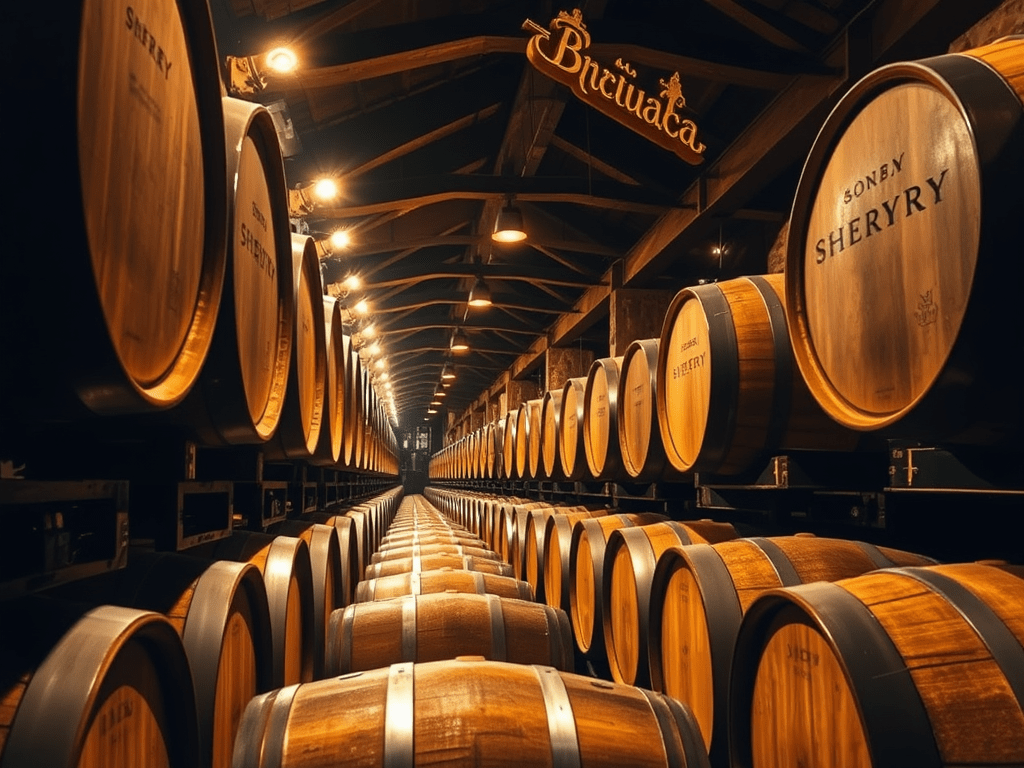
Our first decision was let the experts do the heavy lifting. on subjects such as heritage, production, availability and so on. We have posted two links here, one to the Wine Society[1] and a second  to the indefatigable Blandys [2], more of whom below. There are actually many types of wine produced on this famous subtropical island: But the sort  everyone talks about, the eponymous Madeira is a fortified wine which comes in four types Sercial, Verdelho, Boal and Malvasia.  And the angle we want to take is history, not of the wine which our links cover, but of our own first experience of it when we visited the Madeira wine lodge, still run by the Blandy family in Funchal, 34 long years ago

We will not detain you long with the excellence of the place, the helpfulness of the guides nor the dark wood beams and casks, the rich aroma of grape, all of  which are the same today. Rather it was our arrival, post tour,  at  the tasting session, where we learned that not only does the wine come in four types(see above) but that each type was produced by one of four traditional families: Blandy’s , Cossart Gordon, Miles and Leacock. A truly scientific  tasting would therefore require an array of 16 (4×4) glasses, as any expert in the mathematics of set theory could quickly tell you. What we had not realised was the potential wallop carried by even a small glass of the stuff. With the result that our tasting rapidly descended into a blur of ill-remembered labels, mixed tastes, and a growing feeling of confused  tiredness inconducive to sustained intellectual effort. Eventually our companion was forced to take us to recover in a nearby park with some friendly swans upon its lake. Which kept us pretty well occupied until her return from some serious shopping.

And the moral is? Blandy’s  Wine Lodge is a first rate tourist spot, which you must visit if you are ever on the island. Madeira wine is delicious, but strong. We have visited the lodge often on our subsequent six voyages to the island. But now a single glass, often the the slightly sweet Bual, is more than enough to content us. . But we steadfastly urge you to try one too.

[1]https://www.thewinesociety.com/discover/explore/regional-guides/madeira-ultimate-guide

[2] https://blandys.com/en/about-madeira-wine/?doing_wp_cron=1755271440.1276309490203857421875

#Madeira #Blandys #tourism #wine #holiday