
Hottest years make chilling reading. Here’s how you can still do something about Climate Change

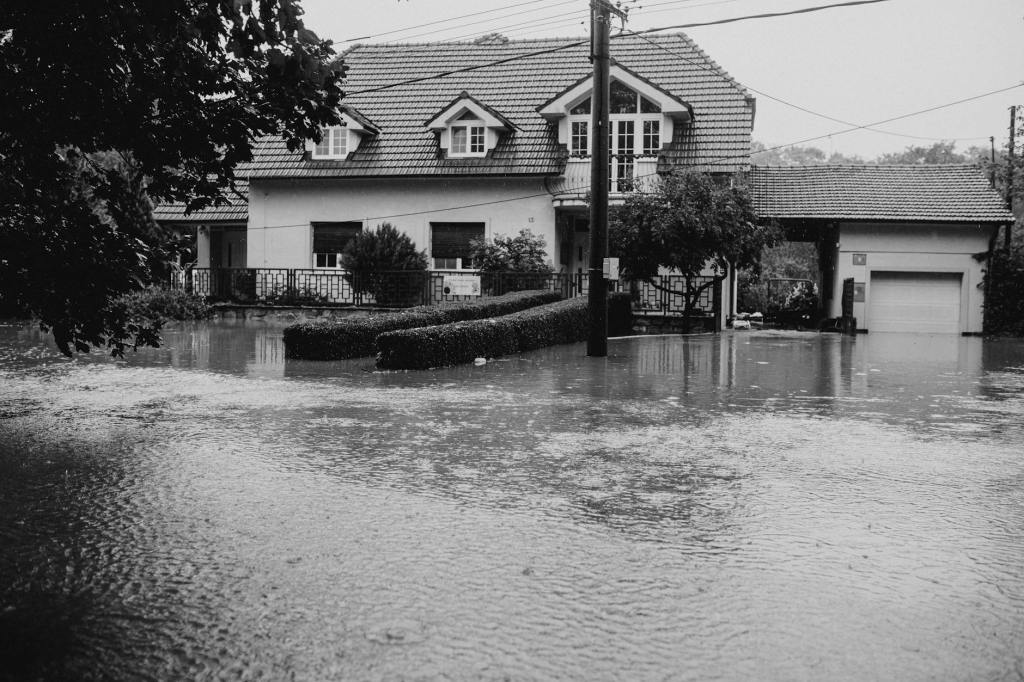
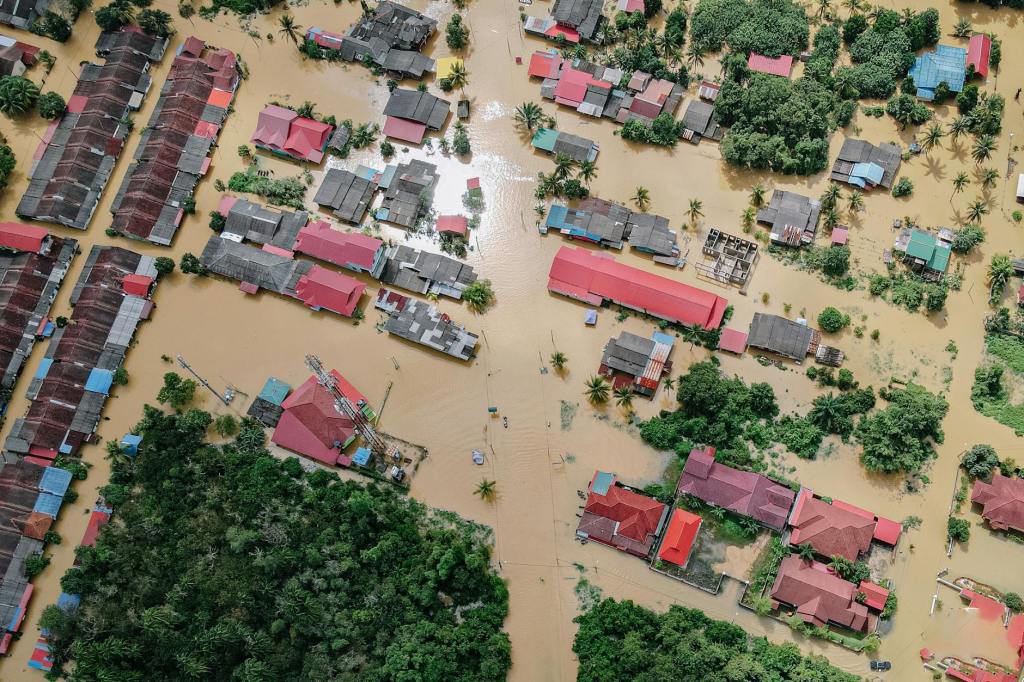
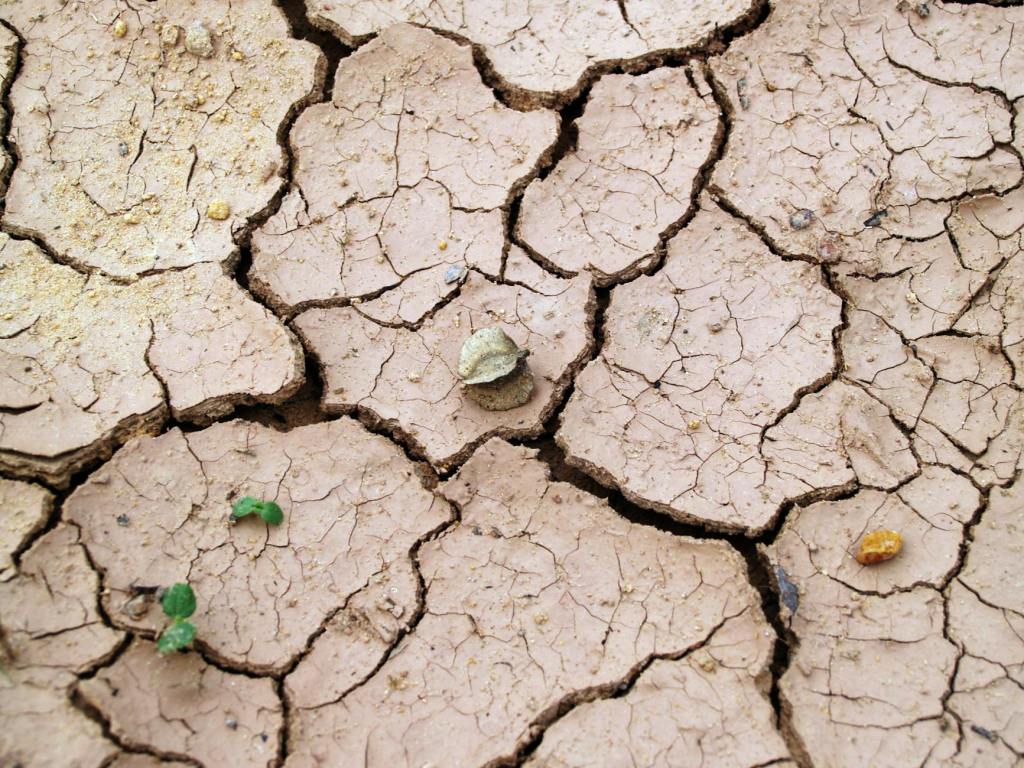
The facts-objective, verified and indisputable- are chilling. The last three years of this decade have been the hottest on record. Vast areas are now being ravaged by wildfires or drowning in immeasurable floods. The latest gloomy news comes from Nature Briefing: a group of people who are as calm, objective and well-informed as any we have come across. :early Temperatures Reach Dangerous Highs, they report:

This year looks likely to tie with 2023 as the second-hottest ever on record. Last year was the hottest. “The three-year average for 2023-2025 is on track to exceed 1.5 ℃ for the first time,” says Samantha Burgess of the European Union’s Copernicus Climate Change Service, referring to the Paris Agreement pledge to limit global warming to 1.5 °C above pre-industrial levels. “These milestones are not abstract — they reflect the accelerating pace of climate change and the only way to mitigate future rising temperatures is to rapidly reduce greenhouse gas emissions.” Euronews | 2 min read

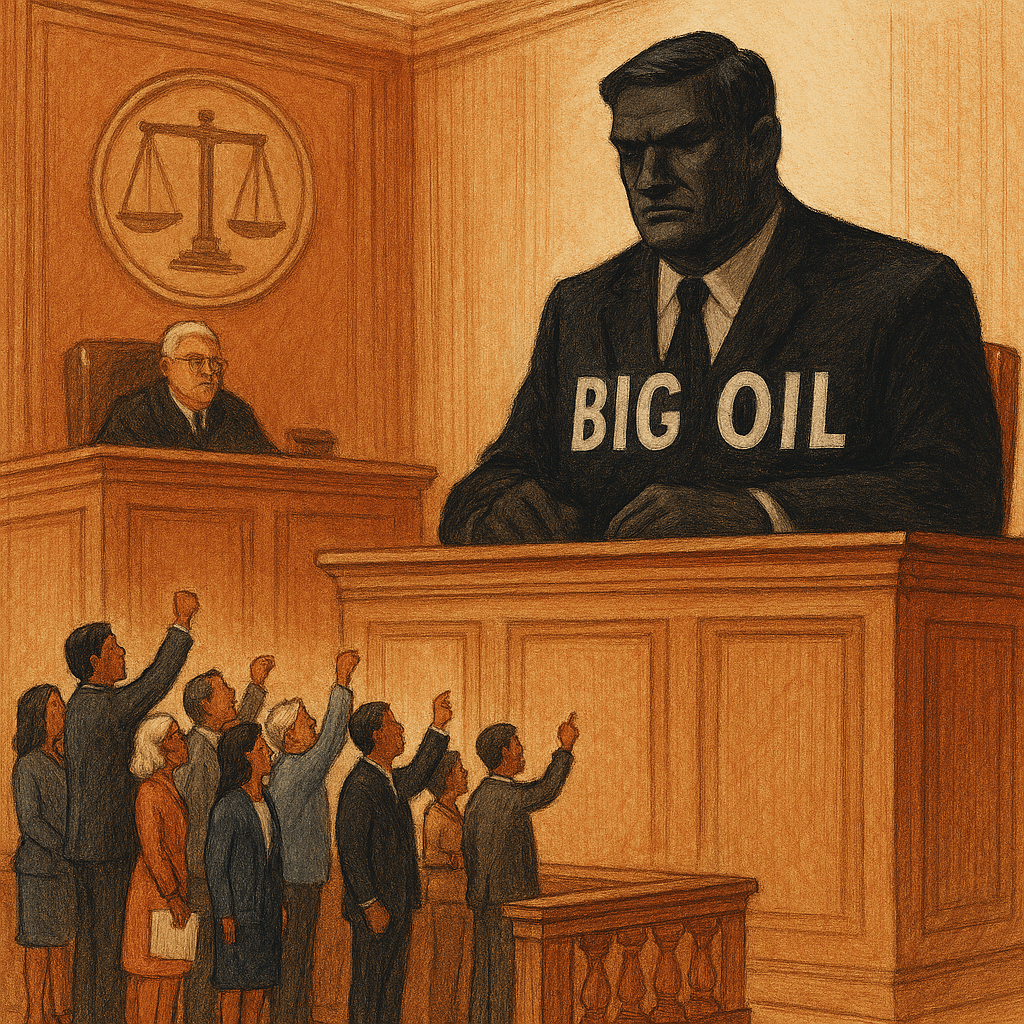
As we were once more digesting these gloomy words in the LSS Boardroom, Selina the tea lady came in with this morning’s refreshments. “Good heavens!” she observed. Well, that was the gist of what she observed. “Are you lot really going to put out another gloomy blog on Climate Change? Give them some hope, for once, why don’t you” Again we paraphrase: suffice to say we understand where her grandchildren derived the terms they used when we tried to stop them from vandalising the cars in the office car park. But she is right: why don’t we tell you that there is something you can do? Take agency and all that. It shall be by supporting or donating to the organisations which we have listed below. We have chosen all of them for their integrity, hard work and track records. But above all for their moderate, pragmatic approach to this problem. We are deeply suspicious of more extreme outfits who in our view only help Big Oil by alienating ordinary people. Here, then is that list. All need money. It is nearly Christmas. We leave you to join the dots between those last statements.

World Wide Fund for Nature | WWF

Greenpeace UK

Home | Carbon180

Friends of the Earth | Home

Rainforest Alliance | Creating a Better World for People and Nature

For professional reasons we will be unable to produce another blog until next week

#global warming #climate change #big oil #pollution #ecology #environment

Why Net Zero threatens a wonderful land-that was

Kingston on Thames, Surrey, England. Spring 1962. A brand new Ford Zodiac pushes out from a brand-new house on a brand-new estate to begin a Sunday outing down to the south coast. Mum, Dad and their two kids on the back seat pass rows of new houses, all like theirs, all lived in by people like them. With cars like theirs at the fronts. This is Macmillan’s England, and people have never had it so good. Even, for the first time, the working classes. As the last new estates around Chessington drop behind and the real country begins at Box Hill, someone puts on the car radio. Listen! It’s the Shadows Wonderful Land,: and here, today, its dreamy tones are true. For as they head south on the A24 (soon to be massively widened) the temples of all this wonderful modernity are still visible in the brave new petrol stations and car showrooms sprouting across the sleepy countryside.  The car has made people profoundly mobile and independent. People talk about them endlessly. Buy them, sell them Discuss performance. Your car is a badge of who you are, where you have arrived at, especially if you are a man. As our travellers pull into Worthing for a welcome ice cream they have indeed crossed a wonderful land.

This is the  brave new world still remembered as the base line by the two children in the back of the Zodiac. Fast forward  2025 and they are well into their seventh decade.  But they still remember the promise of those years with aching nostalgia. Their own lives, minus the usual vicissitudes of marital, family and work problems, have been tolerable enough: prosperous even, as their waistlines testify. But outside the narrow world of work and golf club, there have been disturbing changes. First crack in the wall came with the 1973 oil crisis, which demonstrated their country’s humiliating dependence on foreign oil. Tax cuts and North Sea Oil brought a brief sugar rush of prosperity: but now the world is a dark distrustful place hopelessly split between rich and poor where nothing ever works and everything is broken, from roads to trains to hospitals. Foreigners just keep coming and coming and coming. Above all the USA, their great patron and  guarantor of all their security, is rapidly losing its ability to prosper and protect.

Now add something worse. All those grandchildren they sent off to University have come home to tell them that everything they believed in was wrong. That burning oil warms the planet to disastrous levels. [1] That vehicle emissions are a massive cause of mental and physical health disorders.[2] So are the plastics made from oils in abundance , which now pollute every imaginable stretch of sea air and land.[3] That, therefore, the whole cult of buying cars, comparing them, fiddling with them and collecting them turns out to have been as  deluded as say smoking tobacco ,drinking alcohol or keeping slaves.  That in effect, their whole lives have been a bit of a mistake That they now, with so little time left to enjoy , must give it all up.

It’s a big ask. Especially when incredibly rich industries run incredibly well funded political and media  campaigns to tell these same baby boomers that they not only can go on burning fossil fuels, they really ought to- must. Because only that way lies the road to a better yesterday when the world was young. And straight. And white. Here is the challenge facing all of us who call ourselves progressive or educated . We have no idea if we shall succeed We know we will need swimming lessons if we do not,

[1] Burning of fossil fuels – Understanding Global Change

[2] Air pollution and health risks due to vehicle traffic – PMC

[3] 5 Harmful Effects of Plastic on Human Health

(See also LSS 9 4 24;26 9 24; 20 9 25)

Paracetamol from Plastic Bottles-this could be the start of something big

Remember how your mum always made you swallow water to wash down your headache pills? What if those pills had been made from the remains of a long discarded plastic bottle that some other child had been forced to undergo? According to the resourceful Nicola Davis of the Guardian, it’s about to happen.[1] And the implications are enormous.

A team lead by Professor Stephen Wallace of the University of Edinburgh has actually gone and turned old plastic bottles into medicine. Combining the very best in organic chemistry and genetic engineering, they have modified a strain of E. coli to make good old paracetamol, that standby of every household drugs stash the world over. [2] The details of how they do it may be read in the links supplied. But our interest today is somewhat different.

At last someone has found a use for all those mountains of ghastly plastic waste which so disfigure this once beautiful planet. It can be made into something which millions, no billions, of people can deploy every day: and to some beneficent purpose. And if paracetamol, why not other things? Meanwhile. fans of economics will note the creation of a demand., Soon people may be fighting each other in the streets to get the best plastic bottles to sell to wholesalers. Nations will go to war to gain access to those vast disgusting rafts of waste which currently drift around the oceans. There’s one sure way to modify the behaviour of the ignorant mass of humankind- Turn virtue into economics and let them make some money from it. The Professor and his team may have done just that.

[1]https://www.theguardian.com/science/2025/jun/23/scientists-use-e-coli-bacteria-to-turn-plastic-waste-into-paracetamol-painkiller

[2]https://www.nature.com/articles/s41557-025-01845-5

#genetic engineering #organic chemistry #plastic #pollution #medicine

Climate Change denial: latest round in a long war of deception

First deny there’s a problem. Then do all you can to delay a solution. Buy up politicians, scientists, bloggers, and bots. The tactics of the fossil fuel industry and outriding nations as they seek above all to protect their comfy lifestyles and exorbitant profits. It’s not just made abundantly clear in this report by Damien Carrington in the Guardian: it nails down every last nail to be had into the coffin lid. [1]

But we’ve seen it all before gentle readers. We recall walking down an alley in London in 1971 with a close relative who assured us there was no definite, provable link between smoking and cancer, OK!? (he died of the latter) Why was he able to state this? Because for decades the tobacco industry had managed a huge campaign of deception, obfuscation and general misinformation designed to give him and his peers every excuse they needed to continue their tragic addiction. Using exactly the same techniques now employed by climate change deniers, funnily enough.. The only difference was that they didn’t have the Interweb to turbocharge their propaganda and illusioning. This rather depressing link to the WHO explains the ghastly details to anyone who may want to know more about the fundamentals of human nature [2]

And what are these fundamentals, by the way? We don’t know them all But we can hazard a guess at some, provisional though we may well be

1 Some people will do anything to make some quick cash, Anything at all.

2 Many people will do anything to avoid facing the consequences of the vile little habits which they have acquired in the course of a lifetime of self indulgence and self deception.

3 Just because you are educated and slightly more far seeing than others around you does not give you tactical superiority in the current wars between the intelligent and our enemies They are incredibly cunning and well funded

4 This ain’t over yet. Keep a close eye on rising sea levels, if you want to live

We will be ready with further insights. inspirations and bons motifs in future blogs. Keep reading. And thanks for all the recent sigh ups and likes. Keep ’em coming.

[1]https://www.theguardian.com/environment/2025/jun/19/climate-misinformation-turning-crisis-into-catastrophe-ipie-report

[2]https://www.who.int/news/item/16-11-2023-new-who-campaign-highlights-tobacco-industry-tactics-to-influence-public-health-policies

#climate change #global warming #ecology #fossil fuels #tobacco #cancer

Capturing Carbon from the sea-a new idea to contain global warming

One thing we know for certain: the amount of carbon dioxide in the atmosphere isn’t going down any time soon. Last time we looked, it was about 420ppm, which is 50% higher than it was before the industrial revolution. [1] People are not cutting back fast enough. Natural “sinks” like oceans and forests are being destroyed. And despite all the valiant efforts to replace these natural systems with technologies that capture CO2 from the burning atmosphere, they are not happening fast enough. We are going to crash through the 1.5O safe limit. Is there any hope of a short cut which might give us a lifeline?

According to Professor Tom Bell of Exeter University there is indeed. Seawater holds 150 times as much carbon dioxide as air does. And so he and his teams have devised a Cunning Plan to start pulling all the extra deadly gas form the water, and putting it to safe storage. We’ve two versions of the story today. One from Jonah Fisher of the BBC[2] if you’ve only got time for a quick espresso. For the double latte and piece of cake crowd, there’s a really clear set of pages from Exeter University itself.[3] We found the graphics to be rather good on this one.. so give it a go.

All of which brings a wry smile to those of us with long memories. Notice, good reader, how the project is being funded by the UK Government. Back in the 1970’s it used to run hundreds of initiatives like this. Many of which later spun off into successful products which in turn founded the fortunes of many a successful export company. (An elderly member of our Editorial Board can bear personal testimony of this from the world of Forensic Science) Then along came the free marketeers, bleating their mantra “Private sector good; public sector bad” like so many sheep from Animal Farm. You can see the results of that “thinking” in the UK Trade Gap, which has been widening steadily ever since. Professor Bell thinks his project can be scaled to capture 14 billion tonnes of carbon dioxide a year. It could be a major industrial and export success for Britain. Surely this one should be left to the pragmatists?

[1]https://www.ibtimes.com/atmospheric-co2-more-50-percent-higher-pre-industrial-era-3529972#:~:text=Concentrations%20of%20carbon%20dioxide%20in%20the%20atmosphere%20in,

[2]https://www.bbc.co.uk/news/articles/cr788kljlklo

[3]https://sites.exeter.ac.uk/seacure/

#global warming #carbon capture #atmosphere #oceans

How Perovskite panels could save the planet

One of the joys of growing up in 1980s London was to witness how the grim concrete monoliths of the 1970s were slowly displaced by towers of glittering glass. Particularly in the City and Docklands, where money was no object. But there was one hidden problem: althoughthese buildings looked modern, they still consumed immense quantities of old fashioned coal and oil to heat, with fateful consequences for us all. Certainly, you can tack on solar panels here and there. But the aesthetics and very shape of the buildings mean that the power they throw out will not come within shouting distances of keeping these buildings’ inmates, healthy, wealthy and warm.

But what if you could turn all that glass itself into solar panels? What if every one of those magnificent windows was a brimming source of electricity, producing almost as many watts and amps and volts and electrons as a the real panel on your garage roof. Fortunately the City Solar Project has made just such a breakthrough We have lifted this tiny quote from a really upbeat article by Anthony Cuthbertson of the Independent, to give you an idea of the currents of excitement flowing around this project (oh, please!-ed)

By combining organic solar cells with the so-called “miracle material” perovskite, the scientists were able to achieve an efficiency of 12.3 per cent – close to that of commercial solar cells.[2]

Now, we’ve covered Perovskite a couple of times before on this blog (LSS 12 1 21;13 11 23) so many of you will know all there is to know about it: but we’ve put in a link for those who came to us late. The real point is not just that scientists and engineers are bringing us closer and closer to a cleaner, more sustainable world. It’s that those who say sustainable energy is not possible are starting to look very archaic indeed.

thanks to P Seymour

[1]https://www.independent.co.uk/tech/solar-panel-transparent-window-efficiency-record-b2721698.html

[2]https://en.wikipedia.org/wiki/Perovskite

#perovskite #solar panels #sustainable energy #global warming #work #architecture

Sustainable building materials? UK Hempcrete shows the way ahead

For those of us who spend our working lives worrying if the next generations will even survive, the global building and construction industry is a source of some angst. Yes, all those people have got to have places to live, and work, and to get cured of diseases caused by lack of antibiotics (LSS ad nauseam) The trouble with Construction is that it’s so eye-wateringly carbon expensive. Here’s one long fact for one short blog: if you add all their carbon costs together (resource extraction, transport, construction, demolition, recycling, plus cooking all those enormous English Breakfasts they all eat), it all adds up to a whopping 37% of global emissions. Any ideas?

One way ahead is to make the materials they use for things like floors, ceilings, walls and so on, a lot more planet- friendly. Which is why we want to showcase the work of a British firm called UK Hempcrete. [1]Hempcrete is an exciting new type of biocomposite made from the stalks of hemp plants, as well as more traditional materials such as lime and sands. [2] But the new mix carries two key advantages. Firstly , and unlike traditional building materials it actually acts as a sink for CO2 over the course of its use. Secondly, it’s hygroscopic, allowing for much better moisture balance in buildings made from it. Every year we burn billions of tonnes of fuels trying to keep our buildings warm and damp- free. This new material gets around that problem almost entirely. But you can read a lot more about this company and its subsidiaries from their website and our other links; they’re much better at it than we are.

And, as you’re asking, do we have an interest in this company? Financially, no-we’d never even heard of them, or hempcrete, until our researchers flagged them up this morning. But we do have an interest in survival. And long ago we decided that it would not come from making people more virtuous, but by setting up ways to let people make money from progress. Which is why we plug, shamelessly, the work of all sorts of companies here, from net zero aviation folk to Biotechnology enthusiasts in the heart of the Cambridge Science Park. (LSS passim) Of course we keep the usual media/PR links to these outfits when we’ve finished. But that’s more on your behalf, gentle readers, not ours. Any attempt to get our construction industry onto a more sustainable, cleaner and rational footing will always earn the support of this blog. Good luck, UK Hempcrete-and keep it coming.

[1]https://www.ukhempcrete.com/

[2]https://en.wikipedia.org/wiki/Hempcrete

[3]https://www.ukhempcrete.com/services/material-supply/

#global warming #carbon emissions #ukhempcrete #sustainability #consrtuction industry #building

Is Carbon Dioxide already killing us? An old blog revisited

About five years ago we published this blog called is Carbon Dioxide the new Passive Smoking?

We already know that rising levels of carbon dioxide from global warming are bad for the planet. They are ruining the climate, causing floods raising sea levels, and making fertile areas uninhabitable. But are they already starting to kill us individually?

Before global warming, the average level of CO2 in the atmosphere fluctuated around 280 ppm (parts per million). Now it hovers around 410 ppm; by the end of the century it could be around 670 ppm or even higher.

The human body can sustain low levels of CO2 in the atmosphere-we’ve adapted to it. High levels are normally only a problem for people like building workers, astronauts and captains of nuclear submarines. Research shows that there is no question that the sorts of levels these people can meet will do you serious harm, but most of the work is concentrated around very high CO2 concentrations at thousands of ppm, with very short exposure times , both for obvious reasons.

But as CO2 levels rise, what happens to all of us as we breathe in steadily rising levels day in day out, without a break? Especially in places like offices, where it tends to become more concentrated.

Now a paper from Nature Sustainability by Tyler Jacobsen, Jasdeep Kler* and their co-workers looks at this question.   Some of their findings are disquieting, to say the least. Firstly chronic CO2 exposure does seem to have health risks. There’s a long list, but the main stand outs are on cognitive ability, kidney calcification and endothelial dysfunction. Secondly, this is a preliminary paper, as the authors admit. A very great deal of work remains to be done. And that will mean setting up research programmes, signing up scientists and re-budgeting whole departments.

There is a worrying historical parallel. When the first early papers on the effects of cigarette smoking were published, they were largely ignored. Which only gave the danger time to grow. And at least individual smokers were able to mitigate the risk by giving up. But for passive smokers the risk was everywhere. If you lived or worked or socialised with a smoker, you couldn’t help breathing the stuff in. It’s the same with carbon dioxide-there’s no getting away from it

We are aware of the dangers of crying wolf, and of course it’s perfectly possible that this may not be as serious as some of the other problems currently besetting the world. But isn’t it time we researched a little, just to make sure? (LSS 11 2 2020)

Since when very little has changed, Except perhaps that atmospheric levels of CO2 have almost certainly risen a little. Again, we stress that we don’t know the answer, and are calling for research, not immediate action. But this this blog has a lot more readers now. We include the reference below. Do you know anyone who thinks this ought to be investigated further, by practising scientists or doctors?

Direct Health Risks of Increased Atmospheric CO2

Tyler A Jacobson, Jasdeep Kler, Michael T Herneke Rudolf K Brown, Keith C Meyer and William E Funk

Nature Sustainability Review Article Vol 2 August 2019 pp 691-701

#globalwarming #climatechange #co2levels #health risks #environmental health #passive smoking #health #medicine

Clean, Green Copper?

One of the downsides of making the change to a clean, renewable economy is the enormous cost of some of the technologies. And we are talking energy and pollution here, not money. It’s an uncomfortable truth which enemies of progress gleefully point out wherever and whenever they can. Take copper for example. It’s going to be central to any green ecosystem, showing up as vital component of anything and everything from electric cars to eco power plants. But, as the superlative Robin McKie of the Guardian points out, mining it demands enormous quantities of energy. As for the waste left behind- we almost dare not think.

Yet Robin is nothing if not hopeful . In this article he reviews a whole set of hopeful new technologies which are designed to find cleaner, more sustainable ways of pulling out this vital metal. Demands of brevity force us to extract only one(no pun intended) as it fits with the vaguely biological ambience of this blog

 a company, RemePhy, has been started by Imperial PhD students Franklin Keck and Ion Ioannou……They have used GM technology to develop plant-bacterial systems that have an enhanced ability to extract metal from the soil. “Essentially, you will be able to grow these crops on land contaminated by waste left over from the mining of metals such as copper, and they will extract that metal,” (explainer-London’s Imperial College is nurturing many of these initiatives-ed)

The oldest trope on this blog is our admiration for when clever people tweak existing ideas and suddenly do something really useful in a new und unexpected way. Imagine the strategic benefits to a country that not only supplies itself with copper, but cleans itself up as it goes along. The benefits of Science and Reason, we suppose?

[1]tps://www.theguardian.com/global/2025/mar/02/copper-scientists-london-energy-electrical

#copper #metals #mining #pollution #imperial college #renewables #clean energy

Mura Technology brings real hope on plastic pollution

The other day, someone on the Board suggested a reprise piece on Plastics Pollution. But when we looked back to the archives, we’d done so many of them! Choking up the system like the plastics themselves. Unlike the plastics however, the old articles don’t choke up the waterways, poison the seas, kill wild life and damage our health. Real plastic waste does all of this and more, as this article from Wikipedia makes clear.[1]

There is no realistic, practicable way to ask mankind, particularly the more-erm, intellectually challenged-members of our species to give up plastics. Yet they are slowly but steadily killing us. So what is to be done. Mura Technology[2]think that the answer is to recycle them. They think what? Yes, we didn’t believe it at first. But with the right combination of heat and pressure they think they can resolve any plastic waste back to the original oily products they were made from. To be used again. Humankind imitating nature. Circular manufacturing and all that. It won’t get rid of all the horrible plastic already in the sea; but it will stop anymore going in. and that’s a start.

Now, we owe this infographic to the amazing website Nature Briefings. It’s our go-to website for up to date clearly explained developments in Science, technology and of course their impacts on society. We think you should too. so once again we have put in their link[3[ in the hope you will sign up. Because the more people that do it, the quicker reason and learning will re assert themselves and we will move from this dark place [3] And get this-it’s free!

Good, isn’t it?

[1]https://en.wikipedia.org/wiki/Plastic_pollution

[2]https://muratechnology.com/

[3]Enjoying this newsletter? You can use this form to recommend it to a friend or colleague — thank you!

#plastic pollution# #recycle #environment #nature #ecosystem