Should we abolish the Profession of Economics?

Poor old Economists! Back before the financial crash they seemed to run the world. They certainly seemed to staff half of all the Banks, Governments, Political parties and NGOs across  most of it. Peace and order are what you want, they told us. Free markets, the lowest possible taxes, the lowest possible barriers to the free flow of goods, capital and movement. In this they were essentially following the doctrines of Adam Smith whose Wealth of Nations [1]was the founding principle of their Science. And rightly so: because it all seemed like pretty good advice at the time, didn’t it?

Trouble came on two fronts. The first is causal. The really profound shifts in human wealth are created by new discoveries in Science and Technology. (LSS passim) At the very time that Smith was writing his masterwork, technologists like James Watt were creating new machines of such fundamental power that they absolutely transformed the wealth of the nations that adopted them. However much you argue about taxes, multipliers and currency reserves, none of this can hold a candle to the economic leap unleashed by Maxwell’s equations or the work of Watson and Crick in Biotechnolgy. Goal down to the economists. Even worse these days: no one is listening to them. Intellectually, their prescription of how to get to a better life is impeccable. But in a world inhabited by Homo sapiens, the ethnic identity card will always trump the economic prosperity one. It’s a point we have often made here: and the evidence for it has been overwhelming ever since 2016.  Are the poor practitioners of the “dismal science” doomed like so many Cassandras [2] to ever prophesy the truth-and be for ever ignored?  Economists nil, Humanity 2 : game over?

But before we really go on to call for the abolition of a profession which has actually nurtured some of the brightest minds in History (Ricado, Keynes, Hayek, Stiglitz………) remember this. The technological changes we talked about take many years, decades even, to be fully adopted. Meanwhile, there’s still and economy to run, so you are going to need a few experts who can tell you what is happening here and now. Who can provide a reality check tell you that adopting ethno-nationalist and populist policies are never good for the long term health of an economy, however good they feel at the time. If you want some detail, this report contains abundant evidence[3] We prefer to offer the example of that Uber ethno nationalist Adolf Hitler: his policies didn’t exactly lead to prosperity much for anyone, neither at home nor abroad, did they?  Perhaps we really need more economist not less. Especially in countries which are now adopting ethne nationalist solutions with relentless enthusiasm

[1] Adam Smith, An Inquiry into the Nature and Causes of the Wealth of Nations. Edited by R. H. Campbell, A. S. Skinner & W. B. Todd. Liberty Fund, Indianapolis. ISBN: 978-0865970069 (two‑volume set).

[2] Aeschylus The Oresteian Trilogy Penguin 1959

[3]Funke, Manuel; Schularick, Moritz; Trebesch, Christoph. “Populist Leaders and the Economy.” American Economic Review 113(12) (2023): 3249–88. DOI: 10.1257/aer.20202045.

#economics #populism #science #technology #finance #wealh #identity politics #adolf Hitler #tariffs #immigration #history
So just how big is Artificial Intelligence going to be anyway?

Go into any pub, stand in any supermarket queue, and you’ll hear some one talking about “this ‘ere artificial intelligence wotsit, guvnor.”  Some, especially the elderly and bewildered, are overwhelmingly hostile. Others like ourselves reference it from time to time in specialist settings like the development of new drugs and other molecules.  Yet others, visionaries indeed, see it as the absolute future, already indelibly written. So how significant will it be really, and what changes might it effect? To find out, we thought we’d compare it with other big turning points in the History of the World and see how it shapes up by awarding each event an LSS Significance Verdict (SV) Ready?

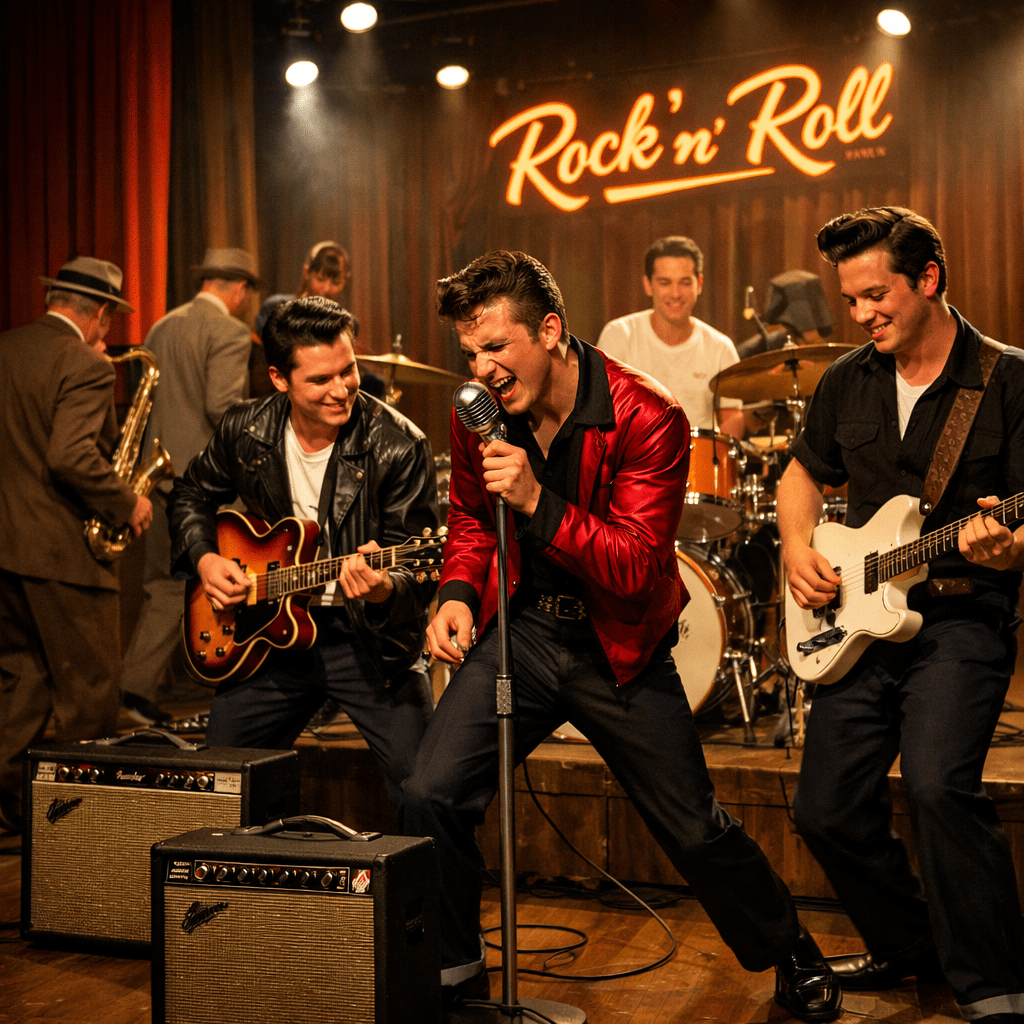
1950s Rock and Roll replaces the Big Bands Well , you could make just as big a noise with far fewer musicians, and the lyrics got better. But in the bigger scheme of things-nah, not really SV 1/10

1780s Industrial Revolution There had been wind and water mills, but the first time the power of muscles was replaced by machines on a truly worldwide scale, although  mess it created still needs clearing up. In human terms at least this must go down as quite a biggie. SV 5/10

2320 BC Writing For the first time data could be captured and stored outside of human memory. This immensely helped the development of early agrarian civilisations as well as giving us writers like Dante and Shakespeare On the other hand it has also given us popular newspapers, graffiti and those funny little jokes you find when you open up Christmas Crackers SV 5/10

3.351 287 years BC, Tuesday 27th June: Invention of tools Now we’re getting somewhere .  The great Arthur C Clarke said this was a big one because the tools themselves shaped the biological evolution of their owners : teeth shrank because they were less needed, hands became more delicate to make ever finer tools, and so on. Some think AI will have this effect on the current human species, but we think it could be bigger than that (see below)  SV 7/10

390 000 000 years BP Vertebrates come on land Because humans are vertebrates and write all the Prehistory books, they big this up as one of the great steps in time. It isn’t, as any arthropod, mollusc or plant will tell you: they had already climbed up there 100 million years before. SV 3/10

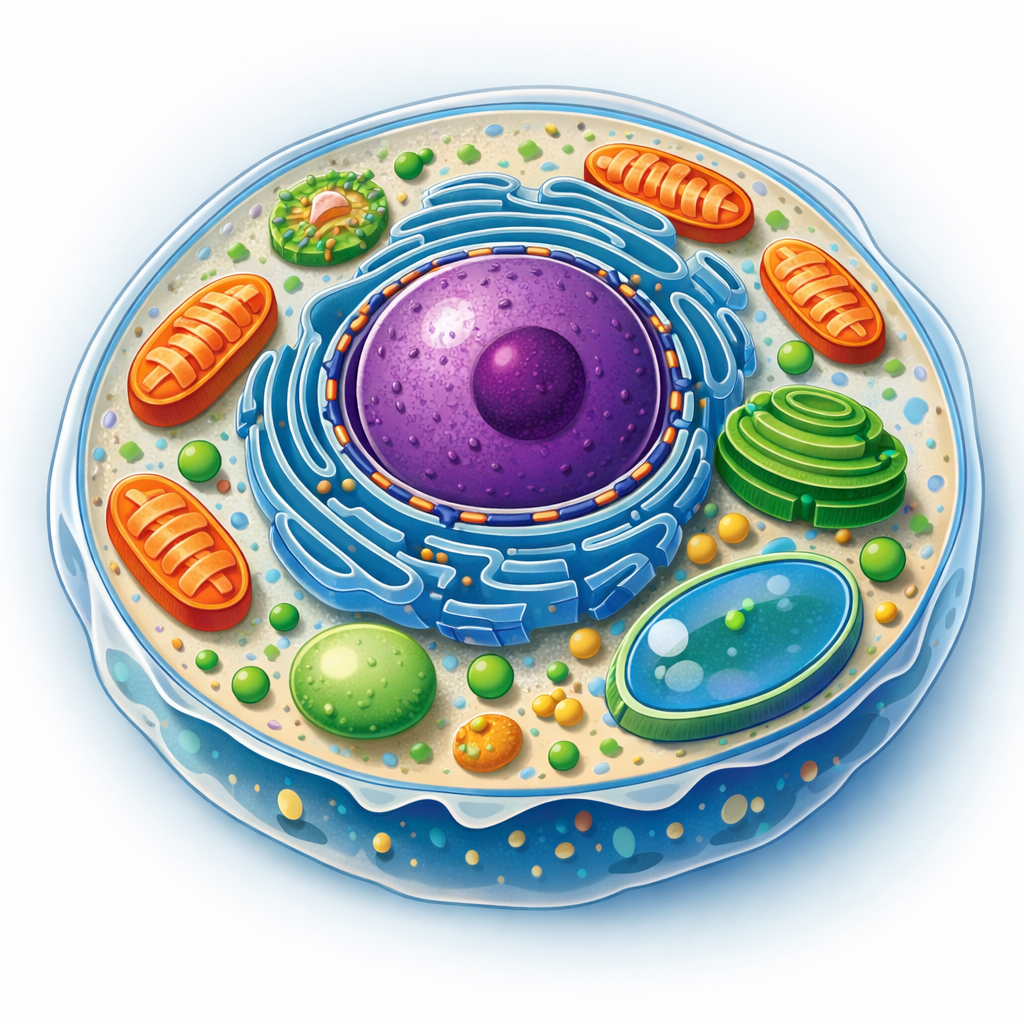
1,250 000 000 years BP Fusion into eucaryotes Now we are talking .Somewhere around this time a small bacterium that lived free took up its home in the cytoplasm of a larger organism called an Archaea. The new cells were a sort of hybrid , each retaining their own DNA, but fusing into a successful new organism called Eucaryota. Which includes all plants, fungi and animals that currently live or have ever lived on this planet. One type is even trying to get into space albeit slowly and not very well. If both AI and humans could fuse their identities into a single superorganism, then we predict a very bright future for them indeed. And an end to all these chats about “Is AI going to take us over?” SV 9/10

So what do you think gentle readers? What steps would you choose? The invention of fire? Language? The sudden demise of platform soles and flared trousers round about late 1975? Each thesis will have its opponents and defenders. But one thing is certain. AI is here to stay so we had better get used to it.

#technology #history #Artificial Intelligence  #IT #evolution #industrial revolution #space travel