
Meet the influencers trying to clean up the internet

The invention of the internet has been a mixed blessing. On the one hand, you can instantly discover how many stars a Thai restaurant in Benidorm has earned. On the other, it has unleashed a torrent of unregulated and often misleading information — particularly on subjects like medicine and meteorology, where accuracy can genuinely matter. Now, a gallant group of educated rationalists has taken it upon themselves to counter some of this misinformation, as reported by Nature Briefing.: Science Influences go viral:

To combat the swathes of scientific misinformation circulating on social media platforms such as TikTok, scientists and medical experts are taking strategies straight out of the influencer playbook. Some content creators try to ‘pre-bunk’ misinformation by reaching a broad audience with peer-reviewed evidence on topics such as climate change. Others, such as Doctor Mike, challenge it head-on by fact-checking specific claims, including those by US health secretary Robert F. Kennedy Jr. The task can be difficult for individual creators, who can face personal backlash, but it’s important to meet audiences where they are, says creator Simon Clark. Research has shown that these efforts can help to shift the dial on issues such as vaccine hesitancy.Nature | 10 min read

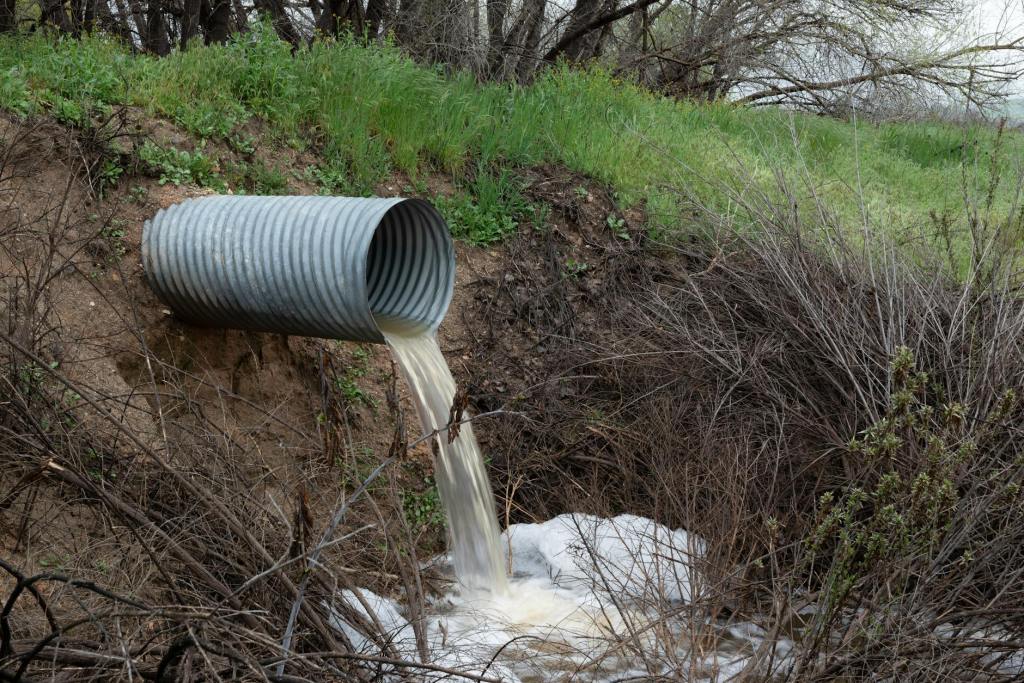
We’ve often thought that the world of the internet is a bit like those old Victorian towns in the early Industrial Revolution, where their were no regulations about anything. So anyone could belch out anything they liked from their chimneys. And could put almost anything in a tin and call it food. Gradually laws were passed regulating pollution. Other laws imposed strict standards on what could be produced and sold. That was for physical things, of course. Isn’t time we had the same safeguards on all things digital?

#internet #pollution #misinformation #rational #fact check

Fake news and misinformation: two hopeful suggestions

Hayek once observed that, as the amount of information in the world grows exponentially, each one of us becomes proportionally more ignorant. And into this vast hollow of ignorance flows a torrent of malevolencies, lies, falsehoods, facts, opinions, theories, half-truths and wholly well meaning attempts. How to sort out the good from the bad,? The wheat from the chaff? The (that’s enough bucolic metaphors-ed) It’s a question of vital importance, especially on a day when a democracy as mighty as the United States of America goes to the polls. Well, we have two possible ways forward for you today, both of which we think lie on the well-meaning attempts part of the spectrum

First up is Professor Clodagh Harrington of the Conversation. [1]She expands upon on the work of a film maker called Friedrich Moser. In a film called How to Build a Truth Engine, he discourses broadly on an eclectic range of psychology, neurology, journalism and history, asking and re-asking the question “how do we know what we know?” We haven’t seen the film, we confess, but the article is erudite, honest and provocative. Above all, we valued this killer quote, which just about sums up the deadly danger we are all in

……truth is often diluted, polluted or drowned out completely in our daily communication torrents. This, combined with the nefarious agendas of bad actors means that individuals, communities and our way of life are under significant threat. 

Nature Briefings treats the whole thing as a medical problem. No surprise there. In a piece called Can we Inoculate against Fake News?, they report:

Psychologist Sander van der Linden believes that there’s a dangerous infection spreading globally — misinformation. He also has a way to combat it: ‘inoculating’ people against misinformation to stop them from believing and spreading it, in an approach analogous to vaccinating against viral infections. The concept of ‘prebunking’ involves first warning people that they might be intentionally misled, then showing them a mild form of misinformation. There is evidence that the approach can lessen the persuasiveness of falsities, but critics argue that the method places the onus on the individual and absolves social media companies that might profit from spreading lies.Science | 10 min read

Well-how do we know what we know? It’s a question at least as old as Descartes. His generation had the luxury of knowing they wouldn’t blow up the world if they couldn’t answer this question. We are not so fortunate. Right now the lies seem to have an enormous cabal of dictators, tycoons and hucksters behind them. A few lonely academics and one hit journalists are pitifully small in comparison. But unless we keep trying, as these brave people do, this time we are surely lost.

[1]https://theconversation.com/how-to-build-a-truth-engine-documentary-makes-for-sober-but-crucial-viewing-in-our-age-of-disinformation-242554?utm_medi

#fake news #misinformation #internet #algorithm #lies #descartes #democracy