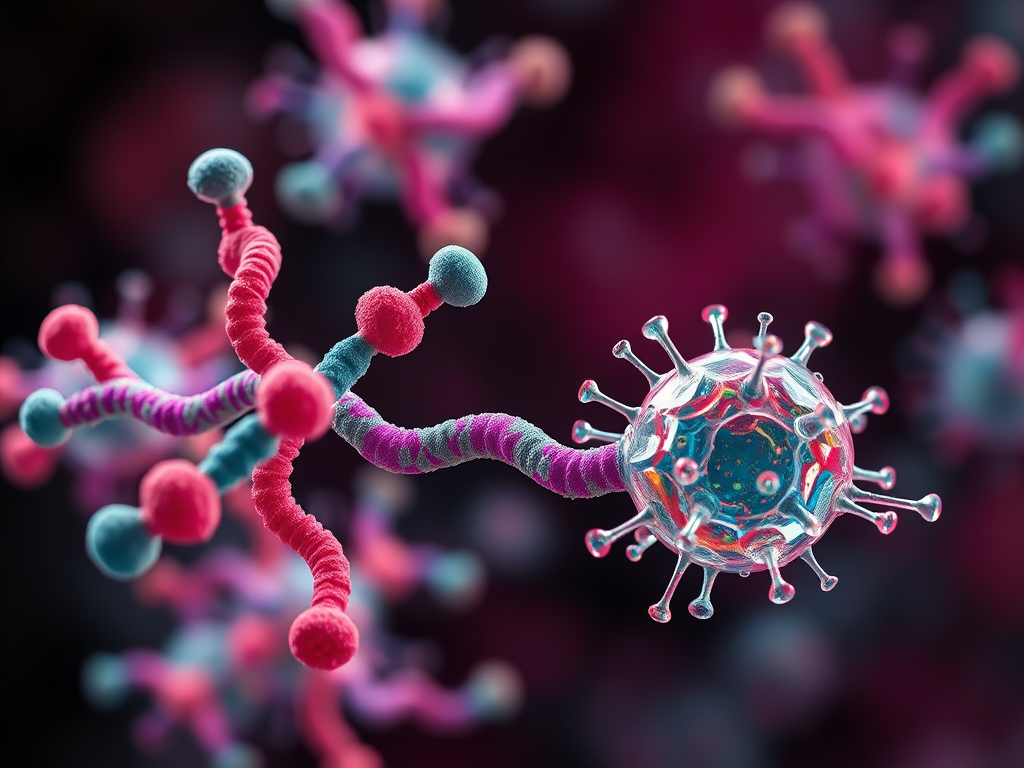
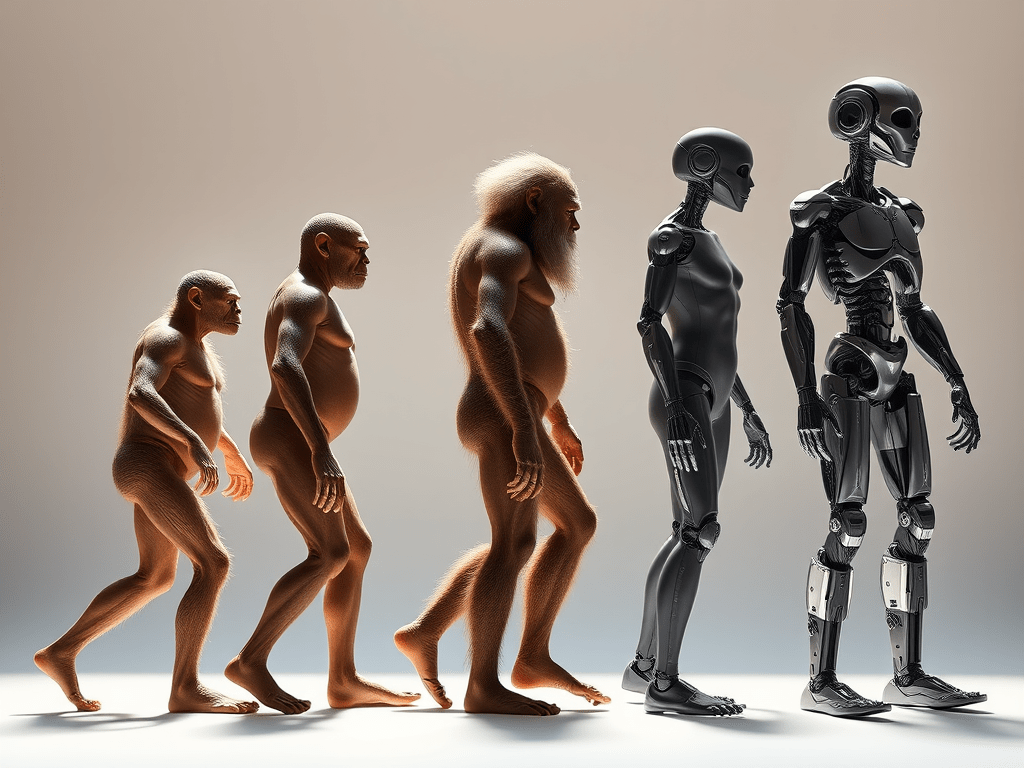
Mirror Organisms: the ultimate bioweapon?

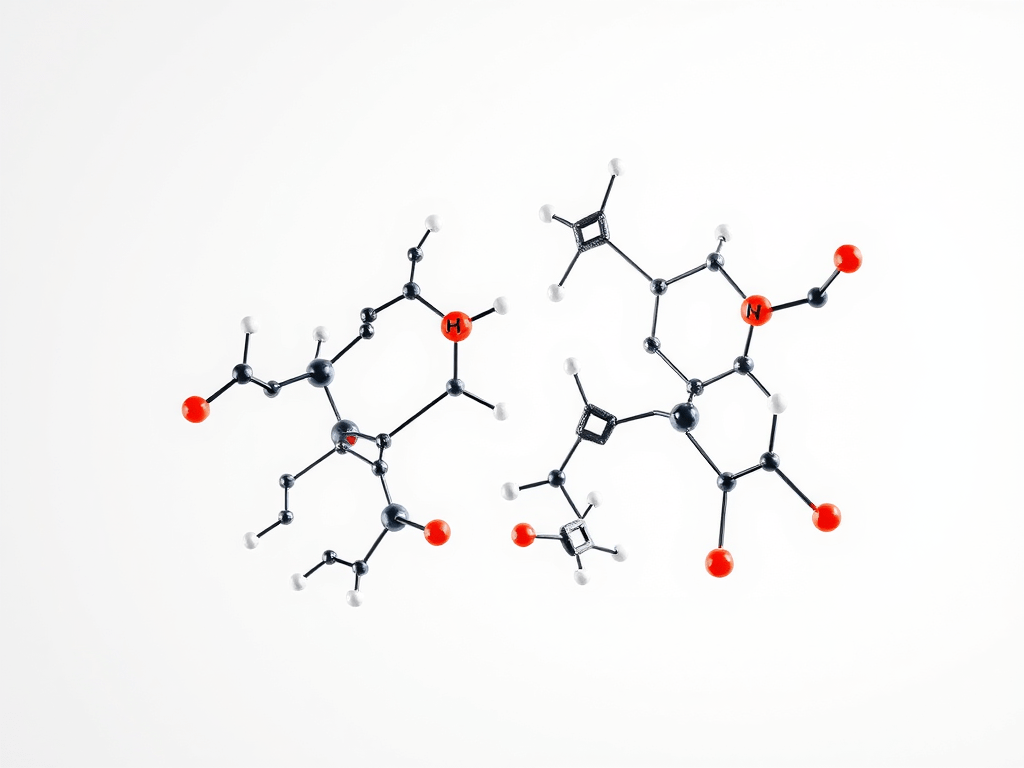
Anyone who got beyond basic school science will recall the frustrating new level of complexity when the teacher first told you about stereoisometry. You recall-all biomolecules starting with the slightly complicated upwards really have two identical forms, left hand and right hand. Amino acids, proteins you name it. And life can only work with one. All amino acids in living things on this planet have left handed amino acids and right handed sugars. Of course living systems could work the other way round, It just has happened yet on this planet. Until now. Read this Debate heats up over mirror life from Nature Briefing

At a meeting this week in the United Kingdom, scientists are deliberating whether to restrict research that could eventually enable ‘mirror life’ — synthetic cells built from molecules that are mirror images of those found in the natural world. “Pretty much everybody agrees” that mirror-image cells would be “a bad thing”, says synthetic biologist John Glass. Such a cell might proliferate uncontrollably in the body or spread unchecked through the environment, because the body’s enzymes and immune system might not as readily recognize right-handed amino acids or left-handed DNA. But there are disagreements about where to set limits on research — the ability to evade degradation could also make such molecules useful as therapeutic drugs.Nature | 7 min read
Read more: Life scientist Ting Zhu, whose work explores various mirror-image molecular processes, considers how to bridge divergent views on such research. (Nature | 11 min read)

Unfortunately its the down size that worries us here, Not only the uncontrolled spread alluded to by the learned scientists above. But, as the world falls into the grip of authoritarian dictators and ever more powerful plutocrats, the potential these tools give them to get rid of surplus and redundant sections of humanity. Forever.

#isomers #biochemistry #bioweapons

LSS at 5:A blog of all our blogs

It’s funny, we’ve been doing this blog for more than five years now. And in response to growing numbers of readers and requests, we thought it might be time to provide a round up, not of the week, but of our whole outpourings which might be interesting to those who seem to have been trawling avidly through our archives of late.

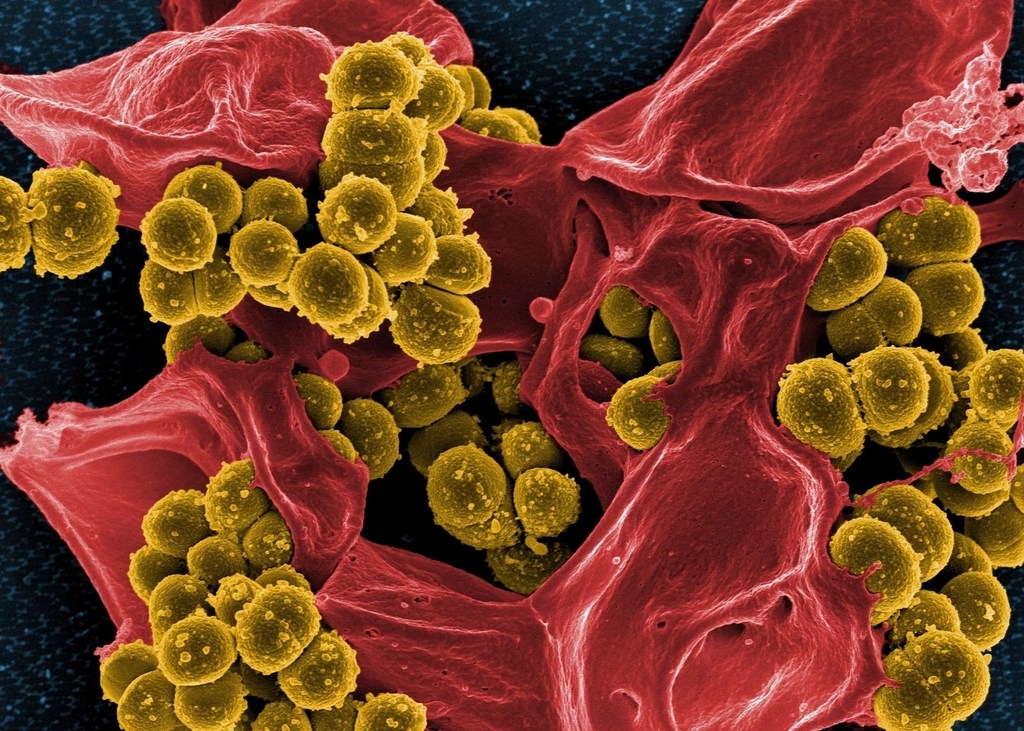
It all started back in 2020, around the time of the great COVID-19 epidemic. Our initial aim was to raise awareness of the problem of antibiotic resistance in microbes, and the health dangers that posed. The idea was a short three paragraph hit the sort of thing that informed readers could take in over a quick coffee, while giving them a few links and references if they wanted to follow up. Just to keep it interesting, we started throwing in other topics on other areas of science. And these widened to include economics, social issues like women’s safety, and of course our regular Friday cocktail night, which certain readers still recall fondly.

Antibiotics and associated matters have remained well represented. We have looked for untapped sources in nature, even including the unlikely Komodo Dragon( LSS 3 5 21) the evolutionary arms race between bacteria and antibiotics which humans have been forced to join(LSS 8 6 23) and all sorts of new discoveries and techniques including AI (LSS 6 6 24) Being who we are, and untied to the constraints of any institution, we were quick to suggest that bacteriophages might be a useful adjunct to the general theme of overcoming resistant bacteria(LSS 17 3 22, 10 9 25 et al) Ever mindful that lack of antibiotics might not be the only catastrophe waiting we have provided handy little guides to what might happen if the magnetic poles flip, sea levels rise and even more endocrine disruptors are poured out from our factories. Other scientific tropes like evolution get a look in too. We enjoyed posing you a few puzzles on things like Homo naledi (LSS 4 4 21) the tools of Socotra (LSS 17 6 22) and even the possibility of Denisovan Fine Art( LSS 9 8 23) But these last were mainly for entertainment.

Our general theme has, we think been broad but consistent. The scientific method, of gathering objective evidence and analysing it by the rules of logic are the most reliable manner to fashion a passingly decent way of life. To this end you will have noticed is praise all kinds of people from journalists like Larry Elliott and Simon Kuper to more general thinkers like John Rawls, EO Wilson and Carl Sagan. We have tried to keep away from obvious stars like Darwin, Einstein, Bach, Keynes and the others as these thinkers speak for themselves. Instead we have tried to put forward slightly overlooked figures such as Ada Lovelace, Peter Ramus or Cassiodorus. Our Heroes of Learning feature is the place to look for those.

But above all we thank you, our readers, contributors and researchers for all their good companionship. All those who posts likes, shares and comments-it shows someone out there is interested. We wish all of you well with your various blogs, careers, lives and families. As Gore Vidal observed , it is the top one or two percent who carry knowledge through and pass it from generation to generation. And you are in it.

#antibiotic resistance #bacteriophages #environment #pollution #economics #history #evolution #science #reason #cocktails

Life on Mars? Some of us have been here before

News that the latest findings from the Mars Perseverance mission may have detected the best evidence yet of life on our neighbouring planet should provide a flurry of media attention in the next few days. it’s always good for disinterested science to get a little coverage. And we take our hats firmly off to the ingenious scientists, technicians and engineers who set up these missions and study their results with such assiduity. That said, dare we inject just a tiny note of caution into these heady proceedings? We think it’s what our readers have come to expect.

First to the results themselves, Which we admit are intriguing {1] Writing in The Conversation, Sean McMahon not only gives us a really clear exposition, he has ample links to the papers you’ll need if you wish to go further. Essentially, while exploring the Cheyava Falls region of Mars, Perseverance has found strong evidence of redox reactions, the very essence of life itself. What’s more the nature of the rocks and the visual clues, a scatter of pale spots associated with organic matter, strongly resemble similar patterns created by certain living processes here on earth. Slam dunk, get out the old David Bowie records? We would still urge caution.

Firstly because we,ve been here before. Twice actually. Older readers will recall the excitement generated by the Viking missions in 1976. [2] Two of the on board detectors, the Labelled Release and the Pyrolitic Release reported positive. However the crucial GCMS did not. And despite heroic efforts to reinterpret this data, such as the ones involving perchlorates, the Viking results must remain inconclusive in any rational. evidence based system of thought. Then there was the famous Allan Hills 84001 meteorite in 1996, which contained intriguing visual and chemical hints of microorganisms. Once again other explanations were possible. And the general consensus was the scientific equivalent of a hung jury. Quite right too, we think

And secondly because final proof will not be known until NASA and the ESA can whack up the ginger and the money for a Mars Sample Return mission. Which so far hasn’t really got beyond the talked-about stage. So Perseverance sits on Mars containing 30 tubes ready for collection, including the enigmatic Cheyvara Falls samples. Back on earth people speculate, bicker and wonder when the next war will begin. Until something happens to break this impasse, we say-don’t get out ahead of your data.

[1]https://theconversation.com/signs-of-ancient-life-may-have-been-found-in-martian-rock-new-study-264960?utm_medium=email&utm_campaign=Latest%20from%20The%20Conversation%20fo

[2] https://en.wikipedia.org/wiki/Viking_program

[3]https://en.wikipedia.org/wiki/Allan_Hills_84001

#mars #astrobiology #microorganisms #evolution #life #NASA #ESA #perseverence

CRISPR gallops ahead (article contains a warning for xenophobes)

Warning: this article may make uncomfortable reading for xenophobes everywhere)

Progress in CRISPR-Cas-9 (Clustered Regularly Interspaced Short Palindromic Repeats)[1] and the associated enzyme is getting faster and faster. We started reporting on this truly innovative technique in 2020 and regular readers will recall updates ever since. Only four years ago it still felt a bit theoretical. But now radical applications are coming thick and fast Read this from Nature Briefing CRISPR horses spark debate reporting on the rather recondite world of polo pony breeding

the horses pictured above{*} are the first of their species to have been created with the help of the CRISPR–Cas9 gene-editing technique. They are clones of the prize-winning steed Polo Pureza, with a tweak to myostatin — a gene involved in regulating muscle development — that is designed to quicken their pace. Critics say that genetic manipulation has no place among polo’s traditional breeding practices — it has already been banned by some of the sport’s governing bodies. But a zoo of CRISPR-edited animals, from cows to sheep, is gaining acceptance in agriculture.Nature | 5 min read

{*} sorry LSS readers-we can’t show this-ed

In one sense there’s nothing new here. Humans have been modifying the genetics of plant and animal species since the dawn of the Neolithic. CRISPR and other base editing techniques have simply speeded the whole process up by making specific, designed changes and crucial nodes in the subject organism’s development. There is every reason to suppose that any number of new modifications to animals(and crop plants such as wheat) will be developed in the next few years. Some may even enable us the preserve the integrity of food supplies despite the ravages of things like plastics pollution and global warming. Also, as we have also reported here, gene editing is beginning to show real applications in medical fields such as sickle cell disease and certain cancer therapies. All of which leads us to an intriguing thought.

If ponies may be so easily modified, why not humans? One could start small by just modifying athletes and other small groups. Yet eventually the techniques could become ubiquitous in our species. Hang on-our species? Because the genetic differences between beings consisting entirely of CRISPR modified genes and the rest of us would then be far, far greater than those currently existing between our different races and ethnic groups. Are xenophobes everywhere already wasting their own time?

[1]https://www.yourgenome.org/theme/what-is-crispr-cas9/

#CRISPR Cas 9 #base pair #medicine #biotechnology #sickle cell #agriculture #stock breeding

The Slippery Slope fallacy: the one we’ve never got on with

“Don’t throw that rubbish there! Put it in the bin like you’re supposed to!” Many years ago we lived on a pleasant private estate in West London with trimmed lawns, walkways, security, a residents association, all those sorts of things. The only problem was some of the residents, who were either too lazy or felt culturally compelled to throw their domestic rubbish down by the rubbish chutes instead of putting in properly, as we, the decent majority did. This bad practice spread, being quickly copied across the estate and soon we all had a widespread problem with flies, rodents and an ugly disfigurement of our pristine areas. It’s called the slippery slope. Another example is when the office agrees to step out for a single drink and, three hours later, the entire company ends up blind drunk ,broke and embracing each other with varying declarations of love. Everyone copies bad behaviour, because they feel entitled, or are missing out. And so crime, disorder, drugs and violence spread quickly through communities, reducing everyone to common beggary.

And that raises a bigger problem for us here at LSS. For years we have proudly touted our Enlightenment, Whig, rational, call them what you will credentials like a badge of honour. Central to our purpose, hardened readers will recall, is the practice of reason and logic. Avidly do we follow websites like your logical fallacy which are stuffed with every classic example you could wish for: post hoc propter hoc, texas sharpshooter, all shining beacons of clear thought each one of them.. Standing out like a dead rat in a melon souffle is the slippery slope, of which the authors state

Allowing to happen will cause Z to happen: therefore we should ban A now!

Yes, we see the error. The slippery slope is a fallacy for it allows one to jump to conclusions without checking each intervening link from A to Z for both logic and empirical fact. Its the classic howler of someone like a Daily Mail columnist, carried away on tides of hysteria and dread. The trouble is: it’s how humans really behave. It’s the way most of them are.

So our problem with the slippery slope mirrors a more general problem. Reason, learning, and all the the qualities which we prize are not always good guides to how society works. (Try a Friday night out in Croydon if you don’t believe us) Yet the values we espouse are the only ones which will ensure not only the good life but also human survival in the long term. The problem we now have is how do we form a critical mass to allow those values to prevail?

[1]https://yourlogicalfallacyis.com/

#logic #fallacy #reason #slippery slope #enlightenment

How life evolved long ago is absolutely relevant today

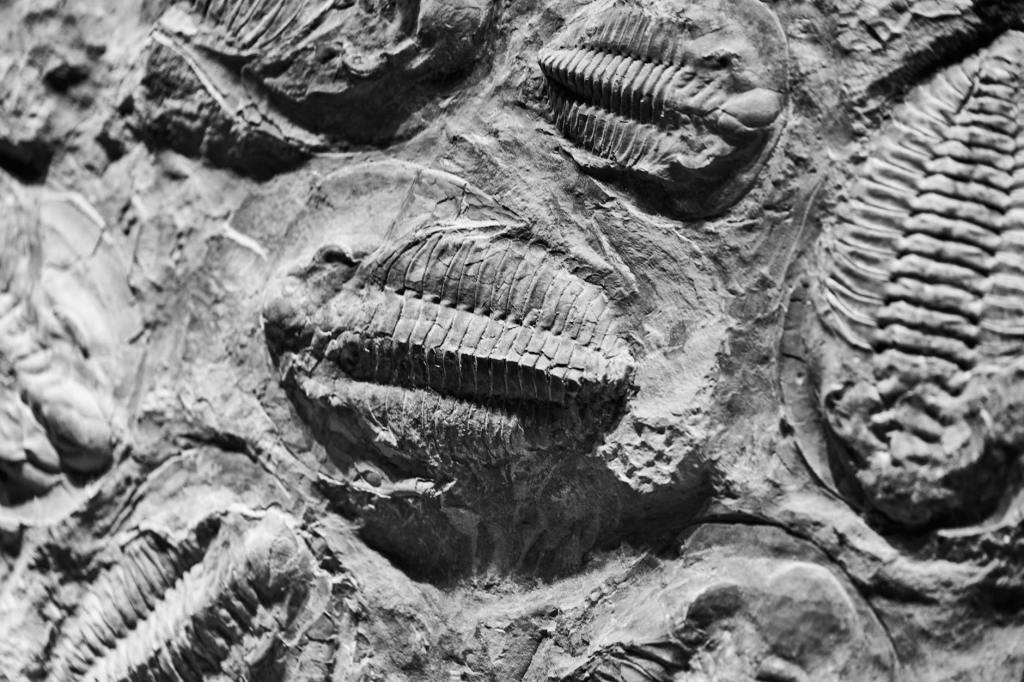
Long suffering readers of this blog will recall our occasional sallies into the remote past. Like some latter day Doug McClure we occasionally take you into a world stuffed with dinosaurs, ape men and pterodactyls, to the detriment of more relevant stuff on antibiotics or the US Ten Year Bond. And so, although we were privately raving about this piece below called How did life get multicellular? from Nature Briefing, we thought we ‘d spare you from our private obsessions about things that took place between 800 -600 million years ago.

Until a chance encounter with one of more intelligent friends in the car park at our Spanish Conversation group produced the most inspiring thought. “All those Choanoflagellates. protometazoans. Filasterea. whatever, have to do several things if they are to succeed in living together. To glue up to each other. To signal little messages. To co-ordinate the cycles of cell division. Just like cancer cells have to, in fact. And then it hit us. These funny little organisms are the perfect way to model the behaviour of cancer cells. Not just the molecular and genetic mechanisms, but also the Information and Complexity models we must build to understand them: a cancer cell is a typical metazoan cell gone wrong.

Which confirmed a very old principle of this blog. All research however abstruse it may seem, will have a pay off somewhere one day. If it doesn’t benefit the economy, it will make us live longer; sometimes it may do both. These researchers are not just having fun on the edge of time: they may be contributing directly to the study of a disease which will kill half of us. There’s a thought for anyone who wants to cut university budgets or meddle with the findings of scientists.

To play out we shall first post the Nature Briefing paragraph. If you can get past that we’ve some supporting evidence for our basic proposition. We hope both will inform

Across all forms of life, the move from being single-celled to multicellular seems to have happened dozens of times — for animals, though, the jump was one-and-done. The unique cocktail of environmental and genetic factors that helped animal ancestors make that jump still eludes our understanding. To investigate, researchers are focussing on unicellular organisms that ‘dabble’ in multicellularity, occasionally forming colonies of many cells. By studying these organisms as they flit between the two states, scientists are hoping to illuminate how multicellularity stuck in animals — and what sparked the single successful event that gave rise to the animal kingdom.Nature | 11 min read

ASTRACT BECOMES APPLIED

This work discusses how cancer disrupts the gene regulatory networks (GRNs) that evolved to coordinate multicellular life. These networks balance genes inherited from unicellular ancestors (handling basics like metabolism and division) with newer multicellular genes (handling coordination, differentiation, and tissue integrity). https://genomebiology.biomedcentral.com/articles/10.1186/s13059-024-03247-1

and this how somatic mutations in early metazoan genes specifically disrupt the regulatory links between unicellular and multicellular gene networks. The result? Tumours behave like rogue unicellular entities, ignoring the cooperative rules of multicellularity. Some of these disrupted genes even correlate with drug response, hinting at therapeutic relevance

thanks to R Muggridge

https://elifesciences.org/articles/40947

#cancer #evolution #multicellularity #medicine #health #choanoflagellates

Co-LAB-oration, or why its good news UK is back in Horizon

Science is good for economic growth. It’s theme we’ve touched on before in this blog(LSS 4 10 23; 1 3 24) So any initiative that builds on this incontrovertible fact will meet with our approval. if only because we want a higher standard of living next year. Which is why we showcase this article by Lisa O’Carroll of the Guardian [1] which reviews progress of the UK’s revived membership of the EU administered Horizon Programme, which tries to bring together the efforts of scientists technologists and scholars from across many countries.

It may soothe the objections of our more rabid eurosceptic readers, to learn that almost half the members (20:27) are not in the European Union, but are located as far afield as Canada and New Zealand (“is that Bri’ish Empoire enuff fer yer, Guv?”) But because science is a collaborative process it helps if you can recruit your teams from close neighbours, if only because it saves on things like travel costs on the day of the interview. We need not discourse long on close financial and technological links as Lisa covers them well in her article. It’s a cultural link of a different stripe which makes us think that rejoining was the right decision.

For what the UK and its fellow members have in common is that they are open societies, where information and people flow freely. The other possible partner, the USA, is showing strong signs of both damaging the free flow of information as well as launching major attacks on both the funding and the very work of scientists, as our readers well know. The Horizon programme and the countries that contribute, are the genuine heirs of both the Renaissance and Enlightenment. Societies that abandon the practice of truth and reason soon fall into cultural and economic stagnation. Just as being in UEFA is a sound bet for British Football Clubs, so is Horizon for British Universities. A good news day forr once

[1]https://www.theguardian.com/science/2025/aug/12/uk-recovers-position-horizon-europe-science-research-eu-brexit

[2]https://commission.europa.eu/funding-tenders/find-funding/eu-funding-programmes/horizon-europe_en

#science #technology #economics #EU #UK #renaissance #enlightenment #donald trump

Exclusive: We reveal the only definite finding from quantum physics(and you can be certain of it)

Always believe someone who tells you that they don’t know what’s going on. Especially when that someone is one of the best trained and most intelligent people in the world. That’s why this story from Nature Briefing caught our attention as the week-ender for this session of blogs: What Does quantum Physics Mean anyway?

First sketched out a century ago, the equations at the heart of quantum mechanics underpin technologies from computer chips to medical-imaging machines. But no one seems to agree on how best to describe the physical reality that lies behind the maths. A Nature survey of more than 1,100 researchers — the largest ever on the subject — has revealed just how widely researchers vary in their interpretations of the most fundamental features of quantum experiments, and their confidence in their answers. [1]

The survey asked questions like “is there a real quantum world behind – or does all this work we’ve done only represent what’s inside our heads? What are the most favoured explanations for quantum theory? What is a wavefunction anyway? Is there a boundary between classical objects and quantum objects (i.e ,between the table you’re sitting at and the atoms it’s made from) And the answers that came back-and remember who gave them-read more like the responses to political opinion polls or market surveys about the best brands of instant custard.

From all of which we concluded the following.

1 If the brightest and the best think like this about something they have studied for decades, it suggests the rest of us might do well to be a little less opinionated on many things

2 Above all this includes certain journalists who think they know it all on things like climate change, vaccines and global warming

3 Watch the last episode of Jacob Bronowski‘s TV spectacular The Ascent of Man on You Tube. or one of the other streamers. It’s still good after 52 years [2]

4 There is still much out there to discover-as we tried to hint with our little blogs on Euler’s number and π(LSS 14 3 22; 16 4 24)

5 All knowledge exists within certain limits, and is probable. Of this last point, you may be certain

[1]https://www.nature.com/articles/d41586-025-02342-y?utm_source=Live+Audience&utm_campaign=a8d315930b-nature-briefing-daily-20250730&utm_medium=email&utm_term=

[2]https://www.dailymotion.com/video/x20p9h4

#quantum physics #uncertainty principle #knowledge #reason #science #nature

Bacteriophages v Bacteria: this arms race offers opportunities

We’ve always hymned the praises of bacteriophages here (LSS passim): that they will be a vital second option to supplement the next generation of antibiotic drugs. But we have a confession. We didn’t understand them. We didn’t appreciate that they are biological systems (viruses) interacting with other biological systems (bacteria). And as such, will obey all the usual rules of all such systems, such as arms races between predator and prey, Now a new article by Franklin Nobrega for the Conversation puts that right. [1]

Bacteria have evolved some fascinating defence mechanisms to ward off the relentless attacks of their phage enemies. These involve cutting the nuclear material of the viruses: building up strong cell walls and cellular shutdown mechanisms which act a bit like your IT Department does when it detects a global virus attack on your building’s systems. Recently Franklin and his team have investigated an early warning system called KIWA which gives the bacteria advanced notice that an attack is imminent. To which phages have in turn responded by their own mutations, and so it goes on, etc etc.

There’s a lot to encourage us here. Firstly, human knowledge of bacteriophages and their ways is deepening all the time, always a good thing. In fact Franklin is part of the University of Southampton phage collection project which we showcased here a few weeks ago (LSS 1 7 25) More strikingly, as two systems attack each other in an arms race, they leave little gaps, tiny vulnerabilities, which outsiders can exploit. The promise of new drugs and new bioengineering techniques looks very real indeed. Especially, we suggest if information scientists and complexity theorists are brought in to work alongside the biological teams. All in all, a rather good day for those of us interested in the problems of microbial antibiotic resistance. Go boldly, gentle readers, and be of good cheer.

[1]https://theconversation.com/how-ancient-viruses-could-help-fight-antibiotic-resistance-261970?utm_medium=email&utm_campaign=Latest%20from%20The%20Conversation%20

#microbial antibiotic resistance #bacteria #bacteriophage #health #medicine #phage collection project

Heroes of Learning: Steven Rose (and why things are never simple)

No book ever tore through the calm assurances of progress through co-operation like Richard Dawkins’ The Selfish Gene. [1] It wasn’t so much the book itself. That was an attempt to popularise, albeit sometimes in colourful language, the discoveries of an important group of evolutionary theorists such as William Hamilton and EO Wilson. It was the use made of it by political activists, zealous propagandists of the Free Market, to prove that every attempt at co operation, collective action and sharing resources was against the basic laws of nature. “Out upon your Trades Unions, your Keynesian economics” they thundered in a thousand articles in places like the Daily Mail “we are nothing but animals. Your only purpose is to pass on your DNA to make copies of yourself. Look at them lions. mate! When one of them takes over a pride he kills all the cubs and mates wiv the females to make sure his genes get frough! Go and do like wise!” It was not an experiment we felt disposed to try. Compete, for the other fellow is your genetic enemy was their credo. All barriers to that competition were both evil and deluded.

It was simple, it was seductive, it was based on some facts. It played well in the broken restless zeitgeist of the 1970s when the pillars of the old prosperity- high taxes, demand management for the common good, collective institutions like the IMF and UN seemed ineffective. It sold by the million; and swept ever more voters into the booths for one Margaret Thatcher in 1979, whose own simplistic and reductionist nostrums seemed to chime so well with those of the book.

One man did not buy. His name was Steven Rose, a remarkably accomplished scientist who spent most of his work in neurobiology and biochemistry [2] This obituary summarises his work better than us. But it was his insistence on complexity and the irreducible flexibility of the human mind, that still allowed hope for a way out from the genetic prison in to which we had been so neatly incarcerated

He wrote: “It is in the nature of living systems to be radically indeterminate, to continually construct their – our – own futures, albeit in circumstances not of our own choosing.”

Look at that carefully, then leap with us to another part of the scientific forest. Where the BBC showcases a new technique to rid the world of the scourge of inherited mitochondrial disorders [3] Basically you take a fertilised ovum from a normal male-female coupling, but put it as the nucleus in the egg of a different female. Which then develops as a normal embryo until nine months later a healthy baby emerges[3] A three parent child? Sort of. Two parents get to pass on their DNA, no doubt to the blissful delight of Dawkins’ more extreme followers. And a different mother sends her mitochondrial DNA cascading down the ages, which rather complicates matters for some. Now look at the Rose quote again what was that about continually constructing?

At the time of the great Dawkins controversy the old BBC Horizon programme ran a show in which the quoted one of the wiser and more humane scholars in the Selfish Gene camp. His name was John Maynard Smith. And he ended with this thought “humans are not just animals- we are not prisoners of simple genetics” At the time it seemed a forlorn hope. It has just been proved triumphantly real.

[1]https://en.wikipedia.org/wiki/The_Selfish_Gene

[2]https://www.theguardian.com/science/2025/jul/10/steven-rose-obituary

[3]https://www.bbc.co.uk/news/articles/cn8179z199vo

#richard dawkins #sociobiology #biochemistry #medicine #DNA #mitochondria