Two amazing stories from genetics that woke us up this morning

One of our great pleasures in life is to stand amazed when someone does something amazingly clever. Especially when you get that feeling that what they did was there, waiting to be done, all along. Which is why we bring you two such stories, all gift wrapped up by the admirable Nature Briefings and BBC, for you to click on at your delight.

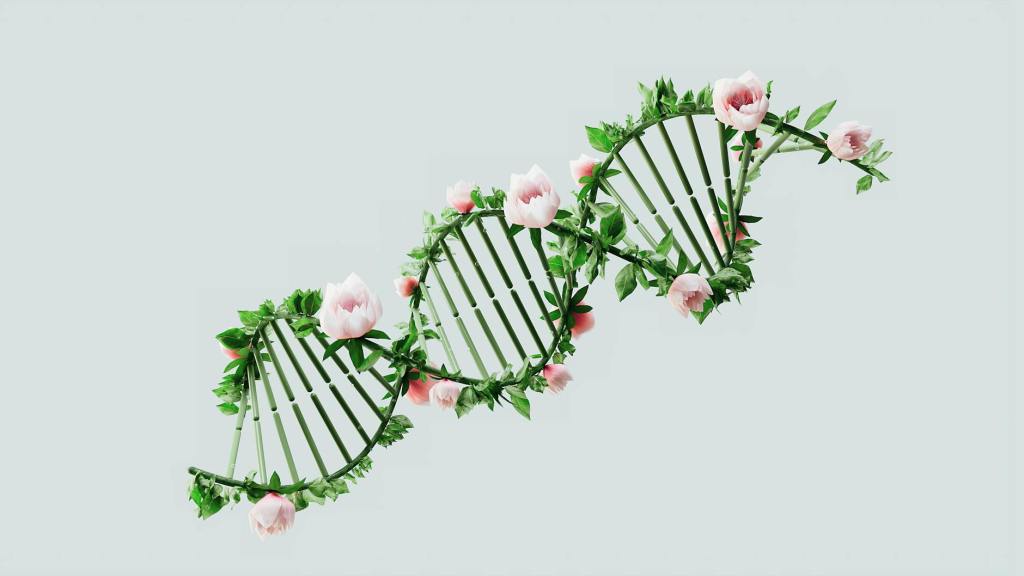
A Cure for HIV? Anyone who lived through the 1980s will recall the terrible ravages of the AIDS pandemic, caused of course by the HIV virus. Even if you were lucky enough to be in a low-risk group, we all knew someone or a local community organisation who suffered the ravages. Sad. Sad. Sad. Now that old friend of LSS, CRISPR gene editing may actually offer some hope towards the final elimination of the virus from our genomes. It’s early days yet, as both Michelle Roberts of the BBC and the researchers themselves say. Proof of concept and all that. Good, it’s better to be cautious. But if they can “snip” the HIV virus out of your cells, what else might not be achieved?[1]

Ghost DNA made us brainy Talking of embedded DNA, many a 1980s conversation concerned all that mysterious DNA lying around our genomes that didn’t seem to do anything (no, it was mainly about EastEnders-ed) Was it some of it ancient embedded viruses that attacked our ancestors long ago, in some forgotten Permian Pandemic? Well, get this from Nature Briefings, Virus Helped Brain Evolution

Remnants of an ancient viral infection are essential for producing myelin, a protein that insulates nerve fibres, in most vertebrates. Certain viruses insert DNA into the genetic material of the cells they invade. Sometimes, these insertions become permanent and even aid evolutionary processes. Myelin helps nerves to send electrical signals faster, grow longer and thinner so they can be packed in more efficiently. “As a result of myelin, brains became more complex and vertebrates became more diverse,” says stem-cell biologist and study co-author Robin Franklin.Science News | 6 min read
Reference: Cell paper

The implications are rather profound. The idea of the single autonomous gene line, the pure selfish individual at the core of your biological identity is rather compromised, isn’t it? What if the genetic “you” isn’t just “you,” but is you+some (rather random )free riders, who may or may not be helpful? That Natural Selection is acting on several of you at once. and may force you to cooperate? What price The Selfish Gene now?

[1]https://www.bbc.co.uk/news/health-68609297

#genetics #dna #rna #hiv #aids #myelin #evolution #CRISPR #medicine

Worms and trains gave us two unexpected shocks for the weekend

A philosophy derailed For more than fifty years, the Mail and its collaborators in the right wing media have been pushing one simplistic mantra “Private Sector Good. Private Sector Bad.” So it came as a surprise to see this candid admission of the appalling state of Britain’s privatised railway system.[1] It’s a story that’s repeated across swathes of our economy. Public Housing, water and sewage, Forensic Science, energy regulation… the attempt to privatise and create a market at all costs has often been a costly failure. Now, anyone who has y worked in the public sector and seen its inefficiencies close up cannot remain a socialist. Or not enjoy the delight of pompous civil servants being exposed to a little competition. But the invariable prescription of a single nostrum, whatever the circumstances, that so appalled us. Good to see a little honest admission of error.

[1]https://www.dailymail.co.uk/news/article-13172415/Rail-cancellations-Avanti-Northern-CrossCountry-TransPennine-Express.html

Immunity to radiation? When we were young we thought “radiation is an ineluctable killer. It so affects the genetic material that there’s no way back.” Wrong again! As this intriguing article from the Independent shows, to our extreme chagrin. Apparently the famous nuclear disaster zone of Chernobyl in Ukraine has nurtured a whole new type of radiation resistant worms. [1] The implications for life on earth are intriguing enough. But even more so in our quest to find living creatures both in our own stellar system and in more distant ones. What a way to end the week.

thanks to p seymour

[2]https://www.independent.co.uk/news/world/europe/chernobyl-worms-nuclear-power-plant-b2509161.html

#chernobyl #worms #radiation #privatisation #public sector

Kill Krill? You’ll pay a bill

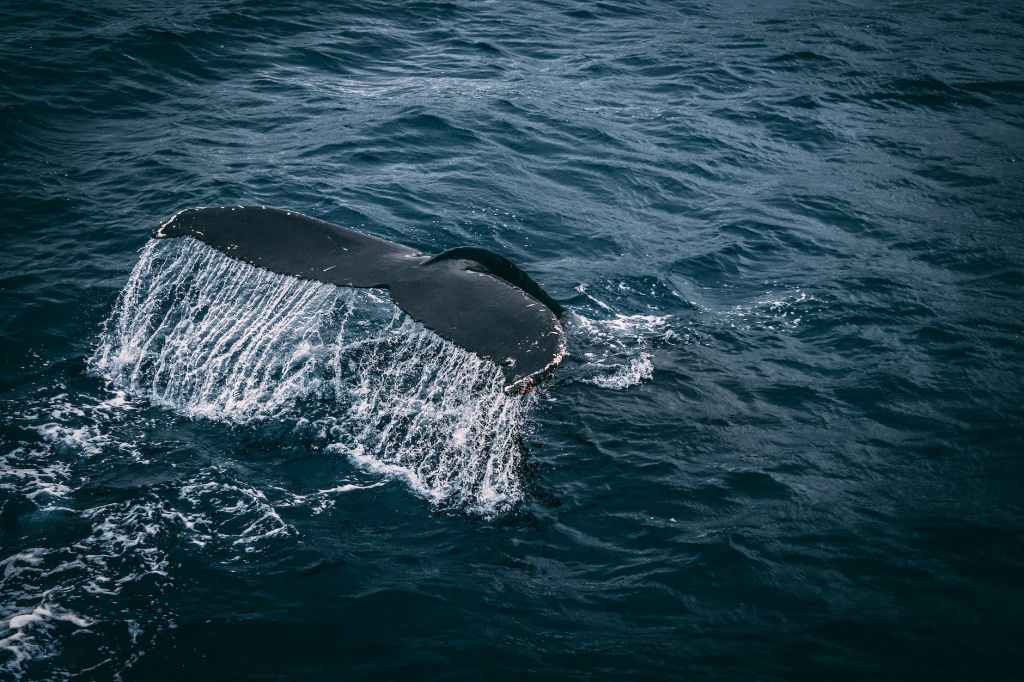
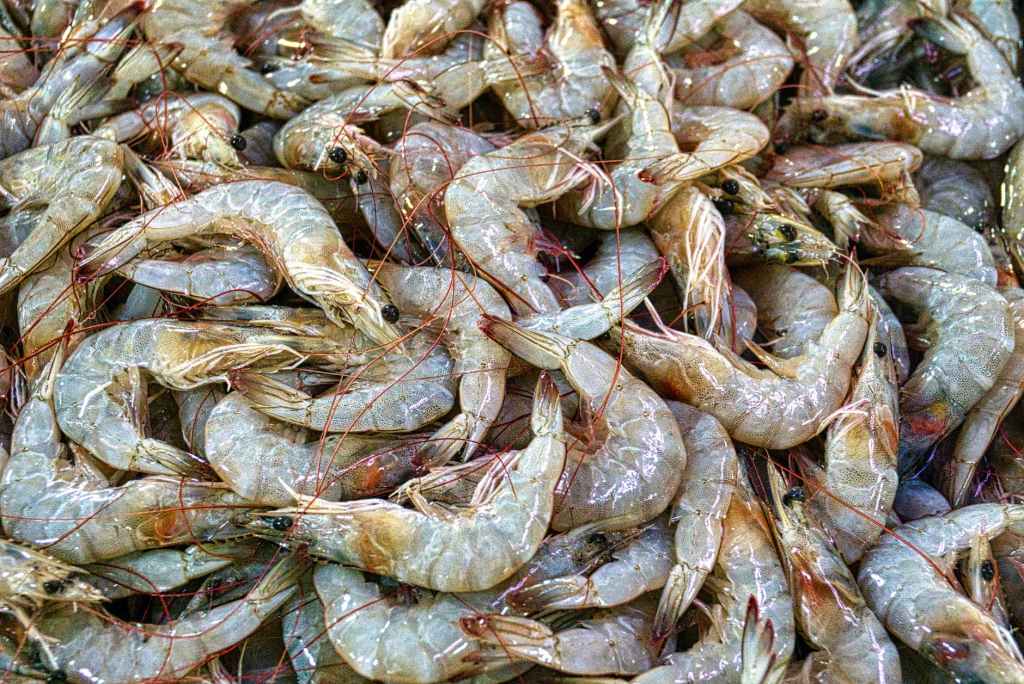
Today we’re devoting our blog to Krill, those humble but immensely prevalent crustaceans which form the basis of immense and vital ocean food chains. [1]They even form the breakfast of the Blue Whale (Balaenoptera musculus), that mighty monarch of the sea. They may even play a role in carbon capture and sequestration [2 see part #9] and now, you’ve guessed it-they are under threat. From that brutal ignorant species that has the vanity to call itself Homo sapiens. Not only are they being massively overfished. But now the melting glaciers and ocean acidification, both caused by global warming, are starting to eat into their numbers at alarming rates. If that goes on happening then the whole ocean ecology will collapse, with incalculable consequences for the stability of human society.

“So-what can I do?” we hear you asking. It’s a perfectly good question. And in the last analysis, only you will know the answer, gentle reader. But here at LSS we know one thing. The days of living the quiet suburban lifestyle at sports ground and shopping mall are over. We’re not saying it wasn’t good while it lasted. But it can’t be sustained any longer, not at least without some major social and technological engineering. Could you at least help one organisation that is trying to do something? What about the WWF, who have supplied one of today’s links? What have you got to lose? Well you know the answer to that.

Thanks to Gary Herbert

[1]https://en.wikipedia.org/wiki/Krill

[2]https://www.wwf.org.uk/learn/fascinating-facts/antarctic-krill#:~:text=They%20are%20under%20threat,interest%20in%20the%20krill%20fishery.

#krill #crustaceans #ocean #food chain #blue whale #climate change #global warming #glacier #ice sheet

If the Gulf Stream collapses, you won’t need ice in your Gin and Tonic

According to the American writer Gore Vidal, one must choose between two missions in life. Either to Comfort the Afflicted; or to Afflict the Comfortable. Now, generally speaking, the Daily Mail is normally very much on the side of the Comfortable. Hardly a bunch of Islington Green Remoaner Marxist Liberals, you might say. So when they publish something which might in some way be slightly comfort-afflicting, we know it’s been through a pretty fine toothcomb first. And today we present just such a story by their admirable Jonathan Chadwick called The Real Life Day After Tomorrow. Not only does it speculate that the warming currents of the North Atlantic might collapse, plunging us into a new Ice Age. But there is a chance that it might happen rather soon. [1]

Most people know that the reason that Western Europe is tolerably warm is due to the fact that certain ocean currents move vast quantities of heat up from the warm waters of the Gulf of Mexico to these otherwise benighted shores. Thanks to global warming and melting ice caps, those currents could switch off as early as next year. We cannot hope to improve on the excellent explanations and top notch, easy-to-understand graphics in Jonathan’s article. But we could beg you to look at some of the comments. and the squeals and howls of outrage from those whose weltenschauung is horribly imperilled by Jonathan’s words. Denial, evasion and getting shouty are common psychological defence mechanisms of people who are often uncertain of their own case. Blaming the messenger can be another; although we are all guilty of that.

Perhaps the latter was on display in the case of climate scientist Michael Mann, who, because of his scientific work, became the subject of unpleasant personal attacks from those who objected to his findings. To us it all seems a bit reminiscent of what happened to Galileo in the 1640s. Fortunately Mann has won damages from some of his adversaries , and this may buy back some space for objective debate in some areas of science. We wait to see. Whatever happens, those who prefer to deny, for whatever reason, should remember. Reality, be it economic, physical or logical, will eventually come round to charge a price. The longer you leave it, the higher that price will be.

[1]https://www.dailymail.co.uk/sciencetech/article-13073449/Gulf-Stream-plunging-Europe-deep-freeze.html

[2]https://www.nature.com/articles/d41586-024-00396-y?utm_source=Live+Audience&utm_campaign=0f1db6493c-briefing-dy-20240212&utm_medium=email&utm_term=

#jonathan chadwick #climate change #global warming #ice caps #AMOC #climate denial

Attack of the Killer Zombie Virus

Sounds like one of those old 1950s B movie titles, doesn’t it? But according to Robin McKie of the Observer, the threat is all too real.[1] According to Robin:

Humanity is facing a bizarre new pandemic threat, scientists have warned. Ancient viruses frozen in the Arctic permafrost could one day be released by Earth’s warming climate and unleash a major disease outbreak, they say.

No, despite our apparent credentials gained in monitoring the medical and science newsfeeds, we didn’t see this one coming either. We were more concentrating on the day that all that methane locked up in the permafrost spills out, and propels us all back to the Great Permian Extinction.[2]

And before you go, remember this. Firstly even the best antibiotics in the world will be of no use against viruses. Secondly, these viruses are likely to be of unknown types, and it will take time to run up meaningful vaccines against them. And above all, don’t think it won’t happen-remember what they were saying about global warming only twenty years ago?

[1]https://www.theguardian.com/society/2024/jan/21/arctic-zombie-viruses-in-siberia-could-spark-terrifying-new-pandemic-scientists-warn

[2]https://en.wikipedia.org/wiki/Permian%E2%80%93Triassic_extinction_event

#permafrost #climate change #global warming #virus #pandemic #vaccine #antibiotic

Mystery of the left-handed chimps

If you’re reading this, we can be confident of one thing. The chances are 90% that you’re right-handed. And of one other thing: they are 10% that you’re left-handed. when you think about it, this fact is so woven into our everyday lives that we take it for granted-in work, in sport, art-well, everything. And it seems to be very old. Our Neanderthal cousins showed exactly the same ratio.

So, if such a pesky thing as handedness exists at all, you’d expect our nearest relatives, chimpanzees, to show exactly the same pattern, right? Wrong. Chimps do indeed show hand preferences. But give and take a few donnish arguments among researchers, they seem to come out somewhere around 50% right and 50% left. They certainly don’t show this strong, settled right-hand bias that the human line has preserved. Counter-intuitive, isn’t it?

So, why? It’s a very big question. Any answer has to be hypothetical, as the trend must have started millions of years ago. Hannah Fry makes a good first stab it here[1] for the BBC. But there is one other possible reason. Humans spend a lot more time standing up than chimps do. And this frees the hands for several things. Carrying. Signalling. And making tools. Now, as Sverker Johannsen [2] points out, the parts of the brain that control language is on the left side of the brain. And by the simple fact of the way we’re wired up, that controls the right hand. Is it possible that this handedness thing is in some way connected to the use of tools, or language, or even both? We await new discoveries with anticipation.

[1]https://www.bbc.com/future/article/20160930-the-mystery-of-why-left-handers-are-so-much-rarer

[2]The Dawn of Language; How we came to talk by Sverker Johannsen , translated by Frank Perry Maclehouse Press 2021

#evolution #tools #language #left hand #right hand

Antibiotic Resistance meets Global Warming: the scariest real-life movie ever

Which of the following is a true statement of the facts it purports to covey? Jesse James meets Frankenstein’s Daughter?[1] Billy the Kid meets Dracula? [2] Antibiotic Resistance meets Global Warming?[3] The answer is: the last one. As film fans will know, the first two are films, representing the final Directorial offerings of the late, great William “one-shot” Beaudine. As for the third: its truly scary. Here’s how Nature Briefings sum it up: Climate Change worsens Drug Resistance

Climate change and antibiotic resistance are both major threats to human health, and the risks multiply when they intersect. Increased average minimum temperatures have been linked to higher rates of antibiotic resistance — maybe by making it easier for them to evolve. And extreme temperatures can force people to spend more time indoors, where infection can spread. Tackling these issues together will require global action — and recognition of inequity between richer and poorer nations. Some public health researchers argue for a new UN treaty, similar to existing climate treaties, calling for a 35% reduction in drug-resistant infections by 2035.Nature | 9 min read

But we urge you-no, we will get on our knees and absolutely beg you-to read the linked piece, gentle readers, for it concerns the safety and futures of each and every one of us. Just so you have no excuse, we’ve hyperlinked it again at [3] below.

And now some advice. Much of the science we cover here comes from Nature Briefings, as our more astute readers will have observed, If you want tip-top, up to date science news, culled from the world’s most prestigious science journal, all you have to do is subscribe via this link. It’s free, by the way.

[1]https://en.wikipedia.org/wiki/Jesse_James_Meets_Frankenstein%27s_Daughter

[2]https://en.wikipedia.org/wiki/Billy_the_Kid_Versus_Dracula

[3]https://www.nature.com/articles/d41586-023-04077-0?utm_source=Live+Audience&utm_campaign=c020aa4ae2-briefing-dy-20240109&utm_medium=email&utm_term=0_b27a691814-c020aa

#global warming #climate change #antibiotic resistance #pandemic #william beaudine