If you are going to get wiped out by an asteroid, don’t let it spoil the weekend

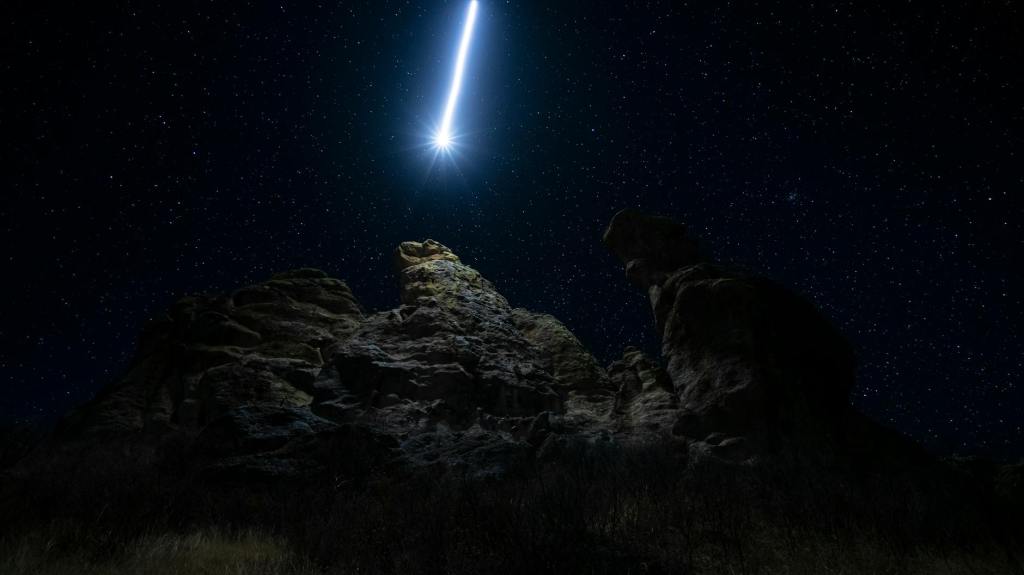
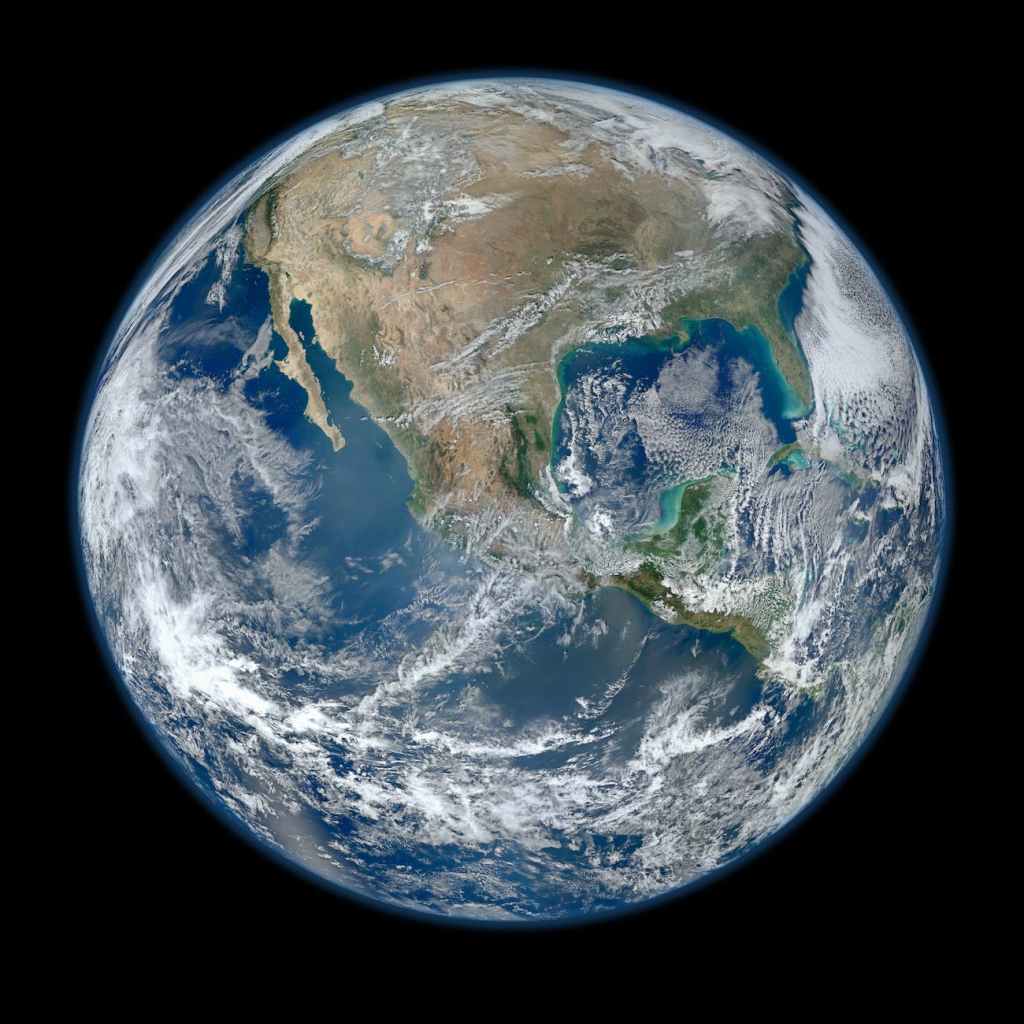
For anyone who thinks dinosaurs are extinct you should try living near vast colonies of seagulls, where we do, and try to keep your car clean. But, as every schoolchild knows, most dinosaurs, especially the big scary ones, really did go extinct one day 66 million years ago when a rather large asteroid landed in the Gulf of Mexico(or do we now call it the Golf of Trump?-check before publishing-ed) But what was it like to live through that momentous day in the history of the world? Now erudite Professors Michael J Benton and Monica Grady, writing in the Conversation, have made a stab at recreating the colossal impact, through the eyes of the creatures that lived through it, from the day before until many years later when everything had played out.[1]

Well, imagine it for yourself, gentle reader. A warm Cretaceous day like many others, a Friday perhaps, with the prospect of a sunny weekend ahead…. Ankylosaurs scuttling through the undergrowth, Triceratops and T. rex vying for number one spot at the watering hole, all normal and above board, until…..well, we won’t spoil it, gentle reader. Click on the link and read for yourself.

And remember this thought. However urgent your latest report seems to be, however late the train is for the next meeting, or how long you have to wait to park at Sainsburys, trouble- unexpected, unforewarned, undeserved even- may suddenly come at you from out of a clear blue sky. And change things round more than somewhat. And finally: if we had lived there at that time, it really would have been a Friday, because everything bad happens to us twice.[2]

[1]  https://theconversation.com/what-it-would-have-been-like-to-experience-the-dinosaur-killing-asteroid-armageddon-a-blow-by-blow-account-271786?

[2] Cretaceous–Paleogene extinction event – Wikipedia

#asteroid #dinosaur #extinction #KT boundary #cretaceous #evolution #geology

Heroes of Learning: Colin Renfrew

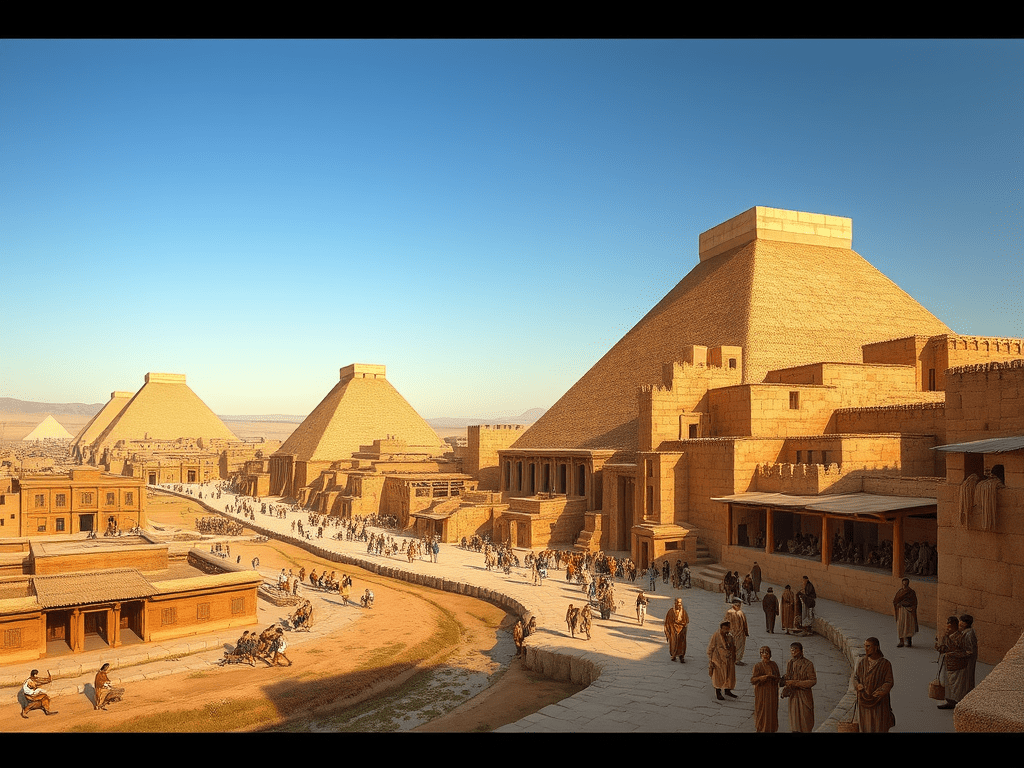
Anyone with the slightest interest in early civilisation must pay tribute to the work of Professor Colin Renfrew. That fascinating period spanning the Neolithic to the early Iron Age witnessed the transformation of humanity from hunter gatherers subsisting barely above the animal level to the first technological civilisations, deploying writing, building, pottery, roads and all the other appurtenances that set us above the beasts. This was Renfrew’s territory. And it encompassed a vast sweep from Cycladic figurines to the immense migrations of the Indo European speakers and the changes they wrought With a few Anatolians thrown in for good measure

So today we throw this blog open to the likes of Nature Briefings (see below) and Wikipedia [1] to tell you about his life and accomplishments. For Renfrew had all the marks of the true scholar. His learning was vast, his methods empirical, his conclusions provisional. He knew the real value of learning to is prompt further investigations, not to provide easy answers. If someone had provided clear and unequivocal evidence that the Indo Europeans had originated in Sutton Coldfield and not the Steppes, he would have been the first to agree. If ever you have travelled the sunny lands of the Mediterranean or Levant, gazed in wonder at the ruins still there, or tried to understand the guide book, remember :you are in Renfrew territory. Tread with respect.

Archaeology’s Closest thing to a household name Colin Renfrew, who helped to transform archaeology as a scientific discipline, died last November, aged 87. In the 1960s, researchers discovered that tree rings from bristlecone pines (Pinus longaeva) — which are among the oldest living things on Earth — could be used to redate artefacts in Europe. Prompted by these developments, Renfrew helped develop a fresh understanding of how European and Near Eastern civilizations developed, alongside new models for how societies change. “Renfrew’s ideas were decades ahead of available computational modelling power,” writes his colleague, archaeologist Cyprian Broodbank.Nature | 5 min read

[1]https://en.wikipedia.org/wiki/Colin_Renfrew

#colin renfrew #neolithic #bronze age #iron age #fertile crescent #middle east #indo europeans #archaeology #language