
Friday Night: Graves de Côte, Brighton

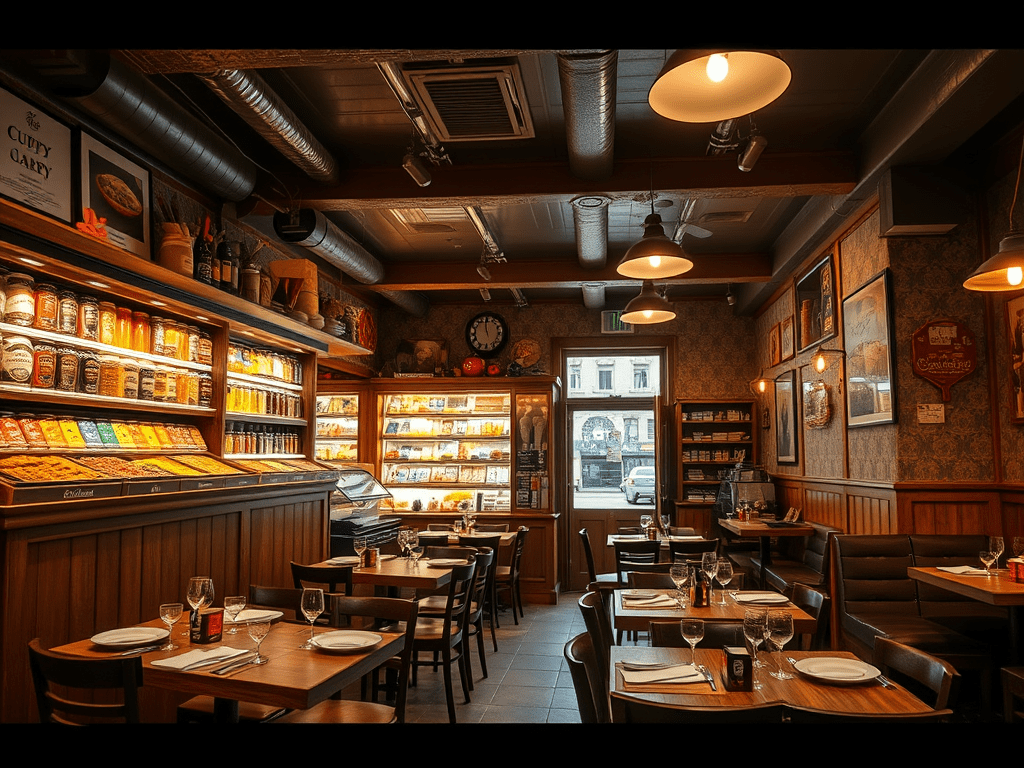
We are acquainted with more than one person who refuses to dine in chain restaurants. Being both of limited means and unlimited hunger after a hard day of investigative journalism, my photographer and I decided to stake our all on Côte Brasserie Church Street Brighton. [1] Our delight was not only in the food, which was excellent, not the service (first rate), but was also owed to the fact that it enabled your correspondent  to wax lyrical about  a favourite subject: the clarets of the Graves region, entirely apposite to a blog rooted in the tastes and preoccupations of the eighteenth-century Whigs.

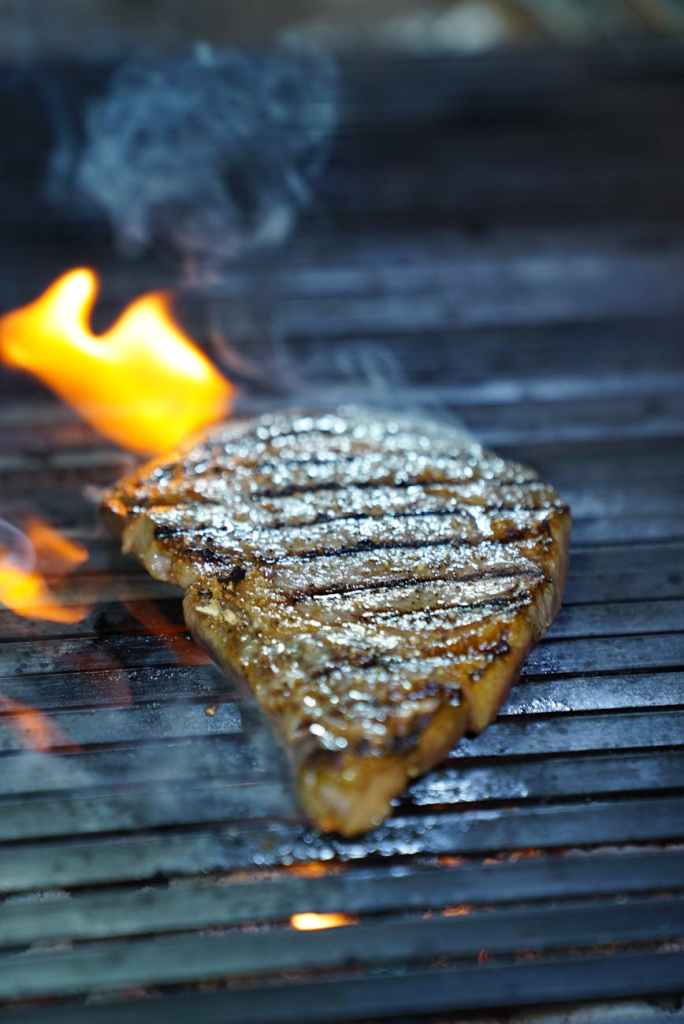
We started by sharing mixed starters of Cheesy French Onion Fougasse and the Charcuterie of truffle saucisson, savoie ham, celeriac remoulade and pan blanc. Being between the lunch and dinner rushes the service was fast and exceedingly friendly, with time to appreciate the excellent ambience and extreme cleanliness of our surroundings. For her main, my companion chose the Half Roast Chicken which turned outto have a delicious buttery flavour and light crumbling texture which lifted it significantly above the standards found in so many pubs and restaurants. Your correspondent chose an old favourite: a 10 oz ribeye. Cooked to medium rare, it was tender, delicious and utterly reflective of the subtle herbs which always seem to lift a French steak above a plain English one. Readers will be gratified to learn that Cote offered unlimited fries, of which generous offer we could not take full advantage, being both on diets. But I was allowed a side of delicious green and juicy broccoli, always the tastiest of fresh vegetables.

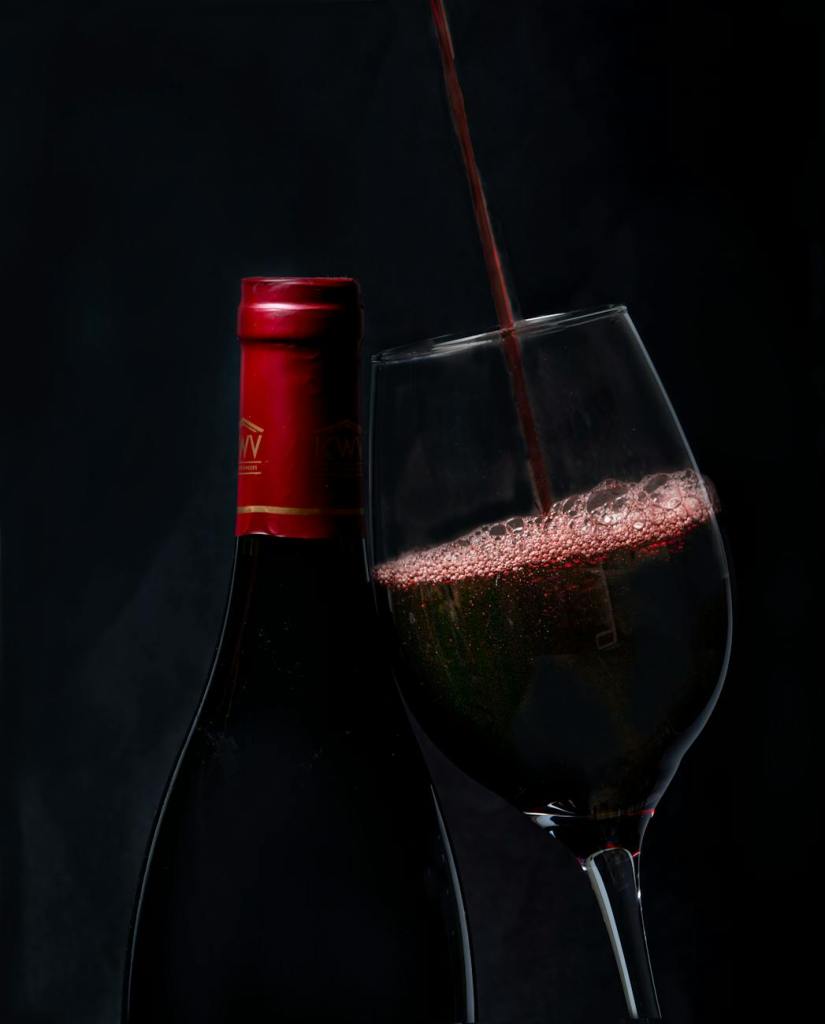
To drink, my companion chose a glass of Côte’s own grenache rosé. But for myself this was a chance to sample (more than one) glass of red Graves AOC. For your correspondent, Bordeaux  has always our choice of French region: and Graves our choice of  Bordeaux It’s the cradle of Bordeaux’s wine trade, the source of the first great châteaux, and still the place where you can taste the region’s history without paying Médoc grand cru prices. Graves is Claret in its original, flinty register: born from river‑washed gravel that soaks up the sun by day and bleeds it back into the vines by night, giving the wines that poised mix of ripeness, freshness, and a faint smoky edge. We frankly and unashamedly admit that the wine’s true strength and depth needs a large brimming glass to be fully appreciated, a user requirement fully satisfied by the handy 250 ml beakers on ready offer. Steak connaisseurs will  be unsurprised to learn that it made the perfect partner to my dish.

Diets being diets, there was sadly no opportunity to sample the varied dessert menu beyond the usual coffee. Except that there is one tradition this writer will not let die: the custom of the dessert wine. Fortunately, this need was more than adequately met by their white Domaine de Barrubio Muscat, a deliciously cool, slightly sweet addition. An innovation entirely preferable to stuffing your face with endless ice creams or lashings of apple crumble and custard; a vice which we had practiced all too often in establishments of all sorts before the advent of our current Virtue.

If you like good food and are not a snob, then we utterly recommend this restaurant and its cheerful and ever-helpful staff

Côte Brighton 115-116 Church Street Brighton BN1 1UD

 [1]https://www.bing.com/alink/link?url=https%3a%2f%2fwww.cote.co.uk%2frestaurant%2fbrighton&source=serp-local&h=0amR%2byvWX27TKGXbQR4eJV9uEy

LSS has no personal, business or financial connection whatsoever  with Côte nor any of its employees

food #drink #wine #restaurant #brighton
Friday Night Feast Of Fun: the summer Barbecue

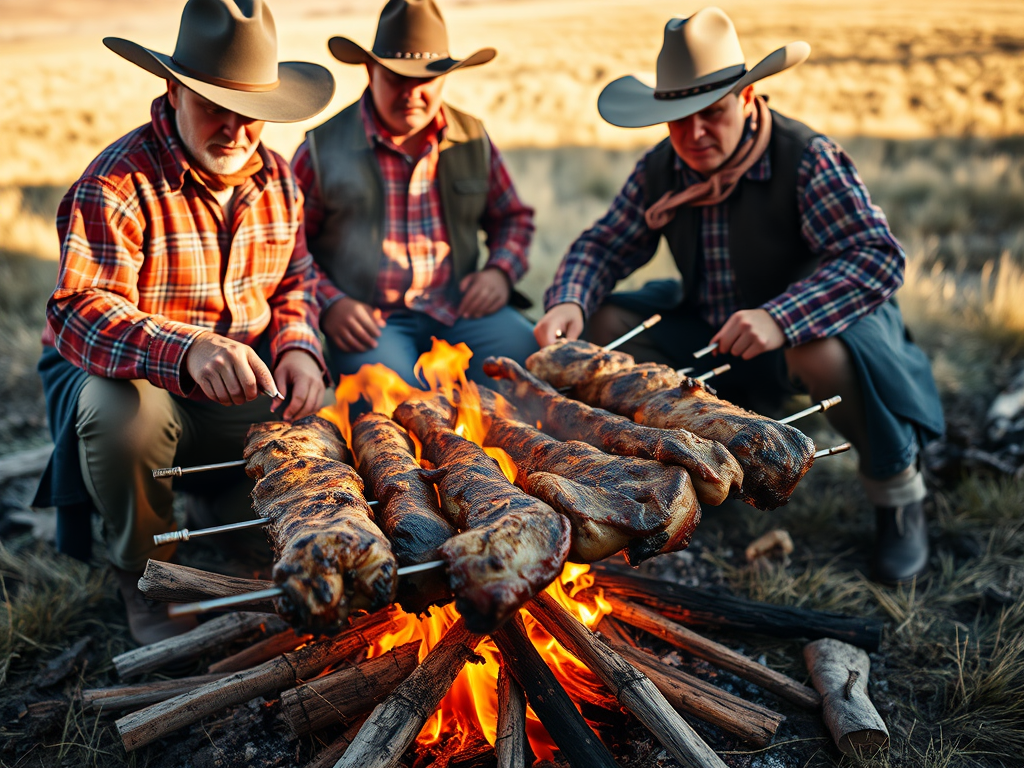
Since about 1985, nothing has evoked the sense of the days getting warmer more than the aroma of a thousand sizzling barbecues drifting down the suburban breeze. People didn’t seem to do them much back in the nineteen seventies: but now the custom of inviting friends and family round to the garden for a delicious open air feast of roasted meat is a national custom. So with the aid of a couple of our regular contributors, whose knowledge of these matters is profound, we thought we’d riff a little on the matter ourselves.

How to cook it? In these isles, Opinion is divided. Some swear by gas, which is fast and efficient. But the real purists swear by charcoal, which seem, at least to anthropology buffs like ourselves, to be sort of more authentic somehow. Either way, you still have to clean up a tad, they tell us. But half the problem of cooking, i.e, the smell hanging around the house, has gone. Because it’s drifted downwind into the neighbours’!

What to serve? Make no bones about it, a true barbecue means meat. The word “barbecue” comes from the Spanish word barbacoa, which they evolved by watching the mass meat roasts of the native peoples of the Caribbean. Meat, lots of it. Which for us carnivores can mean a delicious range pf possibilities, including steaks, chops, burgers, loins and sausages. Fish fans are well catered for too, with brill , salmon, trout and turbot high on the list. There is a debate about whether to put these in foil or not; ultimately this choice will be informed by experience, we suspect. Foil also does wonders for vegetables. Peppers, potatoes, onions, even carrots and parsnips can come up well. Whereas things like peas do tend to fall down the gaps in those funny grid things, as you will soon discover. Bread buns or rolls should be on hand to aid the consumption of items like burgers, it goes without saying.

What to Drink? Our correspondents soon opened the door to anything and everything. Everything that is cold and refreshing of course. Beer, cooled white and rose wines and cocktails big on ice like Pimms or Gin Slings are always good. For the drivers, have plenty of fizzy drinks, fruit juices and iced water on standby. Remember: ice is the key to everything, or so they say.

And what to wear? The days of your best Brooks Brothers blazer, MCC tie and Chino slacks are long gone. For one thing they’re all naff and nineties. Secondly, one spot of greasy lamb will send that prized jacket straight round the dry cleaners, who may never get it all out. Panama hats are still OK, partnered with roomy shorts, tee shirts and those funny hoodie tops that were once favoured by persons of a certain socio-economic class, but have since spread throughout the population in general. We suppose baseball caps are still OK, but try to avoid red ones with letters like “M” , “A” and “G” upon them.

That’s our take; we know it’s a bit exiguous, so to help you more, here’s a link to the ever helpful BBC Food website, which is crammed with admirable tropes. Have a good weekend and happy eating.

#barbecue #food #drink #summer #garden party

Friday Night Feast of Fun: Curry

We once asked an old soldier of the British Army, who had served in India during the Second World War: “So, did you go out down the local restaurant for a curry and lager on your nights off?” To which he replied with a blank “No.” Why did we ask that question, and why did we expect a contrary answer? To answer it is to delve deep into history and the immense cultural changes which only food can describe.

By the 1980s,when we asked, going out to your local Indian Restaurant for a curry and lager (see below) was the default eating position for most younger inhabitants of these islands. How did a nation famous for fish, chips, roast beef and Yorkshire puddings so thoroughly convert its taste buds to what their grandfathers had thought alien and strange? The answers lie deep in out Imperial History. Old India hands, Company men, Army men, and their memsahibs brought back a taste bud memory from their days of service. Curries appeared in restaurants and cookbooks as early as the 18th century. Veeraswamy[1] opened in Regent Street in 1926 [1]and has survived to this day. The real boom came with South Asian immigration after world war two.(there were many Pakistanis and Bangladeshis alongside the Indians) Hungry immigrants brought their restaurants; and the natives appreciated at least this aspect of the new culture. although they were less welcoming on other matters. Generally speaking, curry is now the UKs national dish, at least for eating out.

For the benefit of overseas readers, we append a list of ten typical favourites , courtesy of the excellent Plyvine Catering website[2] Some of us still find certain dishes too hot and spicy: beginners may like to try milder forms like Korma. Others, like students indulge in macho who-can-eat-the-hottest? competitions, with sometimes hilarious results. And to drink? It has to be lager. “!It’s not a real curry without lager!” is the indignant cry from the poshest West End serveries down to the smallest family undertaking in the the most obscure provincial town. Fortunately Indian technology has come up with two very palatable varieties: Cobra and Kingfisher, which are perfectly capable of both refreshing the palate and conveying that authentic subcontinental vibe

Indian food, like Indian culture and business acumen, is spreading world wide. Perhaps a curry house will be the first restaurant to open on the Moon. It might be a very worthy choice..

[1]https://www.bing.com/alink/link?url=https%3a%2f%2fwww.veeraswamy.com%2f&source=serp-local&h=Ws1QKz5L6y3meRBbkMNxwx0DKcJGs59sEQqcvf7Yd5I%3d&p=l

[2]https://plyvinecatering.co.uk/the-uks-10-most-popular-curry-dishes/

#curry #india #UK #restaurant #lager #take away #dine out

Friday Night Feast of Fun: Traditional Fish and Chips

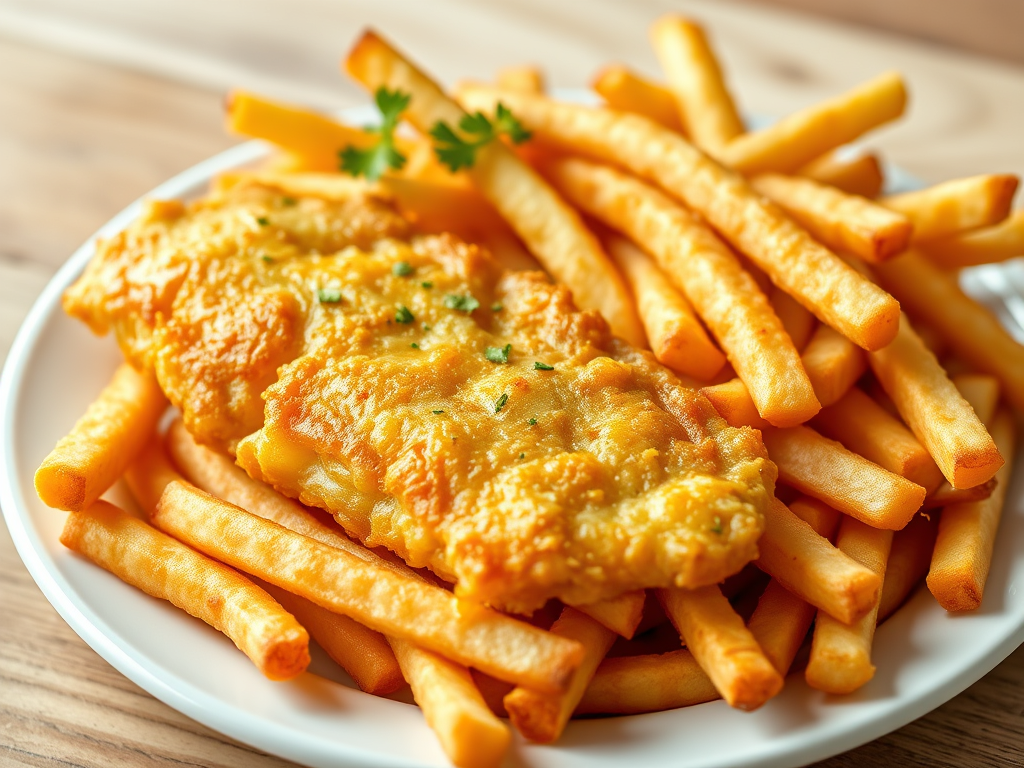
Now that Britain has suddenly become popular in certain quarters, we thought we’d kick off the Friday Night Feast of Fun with a nod to our good old national standby. Fish, fried in batter at colossal temperatures, accompanied by equally fried chunky potato chips. Best served from a local takeaway that specialises in this dish alone-and eaten very hot. The range of fishes allowed is actually rather small-cod, haddock, plaice and a type of small shark called rock salmon by us locals. Extras are little more than pickled onions and tomato ketchup, although some purists cavil even at this, asseverating that it detracts from the true gourmand experience

But how “British” is it really? Research indicates that fried fish in batter originated among London’s original Jewish immigrants, who came mainly from Spain and Portugal in the sixteenth century. Other Jewish immigrants, whose days were spent working incredibly hard in sweatshops, combined it with fried potatoes(out of Peru via Belgium) around the middle of the 19th Century. So like our Royal Family or Premier League teams, it’s actually a bit of a melange of rather non Anglo-Saxon influences.

And what best to drink with this delicacy? Like everything else, it depends on who you are eating it with, and, this being England, their social class. Here are a few suggestions:

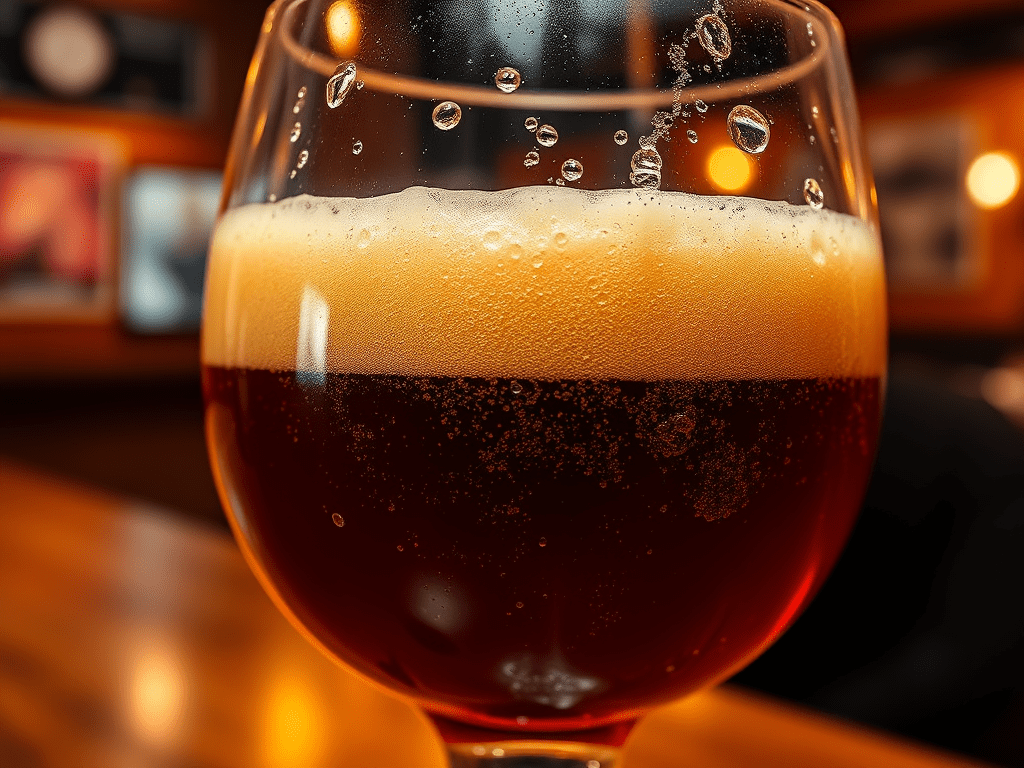
Stout A very dark beer brewed from roasted barley, its strong creamy flavour can partner a flaky haddock like nothing else. Guinness is the perfect exemplar, but WE remember an ancient brand called Mackeson– has anyone seen it lately?

Brown Ale Often favoured by persons from the North East of England, where the fishing industry was huge until about 2016, this has a flavour all of its own. But be warned; we once laid some on a Japanese lady of some education and she hated it. An acquired taste, perhaps.

Traditional Lager Yes, the cool bright foamy yellow stuff, the Poor Man’s Champagne. The brands we favour in these islands include Kronenburg, Red Stripe, Stella Artois(often known as “Nelson Mandela” around the outskirts of London) This is what we would use to partner our cod: no wonder they placed us on a strict diet. (no pun intended)

Domain j Jacques Girard Pernand Vergelesses Burgundy Posher guests may still wish to partner their fish dish with a white wine, darling. At £30 a bottle from Waitrose they had better drink it slowly. But we thought we had better put a good one in, because: you never really know who might turn up, do you?

Have a good weekend

#fish and chips #great britain #lager #beer #takeaway #wine