Why Net Zero threatens a wonderful land-that was

Kingston on Thames, Surrey, England. Spring 1962. A brand new Ford Zodiac pushes out from a brand-new house on a brand-new estate to begin a Sunday outing down to the south coast. Mum, Dad and their two kids on the back seat pass rows of new houses, all like theirs, all lived in by people like them. With cars like theirs at the fronts. This is Macmillan’s England, and people have never had it so good. Even, for the first time, the working classes. As the last new estates around Chessington drop behind and the real country begins at Box Hill, someone puts on the car radio. Listen! It’s the Shadows Wonderful Land,: and here, today, its dreamy tones are true. For as they head south on the A24 (soon to be massively widened) the temples of all this wonderful modernity are still visible in the brave new petrol stations and car showrooms sprouting across the sleepy countryside.  The car has made people profoundly mobile and independent. People talk about them endlessly. Buy them, sell them Discuss performance. Your car is a badge of who you are, where you have arrived at, especially if you are a man. As our travellers pull into Worthing for a welcome ice cream they have indeed crossed a wonderful land.

This is the  brave new world still remembered as the base line by the two children in the back of the Zodiac. Fast forward  2025 and they are well into their seventh decade.  But they still remember the promise of those years with aching nostalgia. Their own lives, minus the usual vicissitudes of marital, family and work problems, have been tolerable enough: prosperous even, as their waistlines testify. But outside the narrow world of work and golf club, there have been disturbing changes. First crack in the wall came with the 1973 oil crisis, which demonstrated their country’s humiliating dependence on foreign oil. Tax cuts and North Sea Oil brought a brief sugar rush of prosperity: but now the world is a dark distrustful place hopelessly split between rich and poor where nothing ever works and everything is broken, from roads to trains to hospitals. Foreigners just keep coming and coming and coming. Above all the USA, their great patron and  guarantor of all their security, is rapidly losing its ability to prosper and protect.

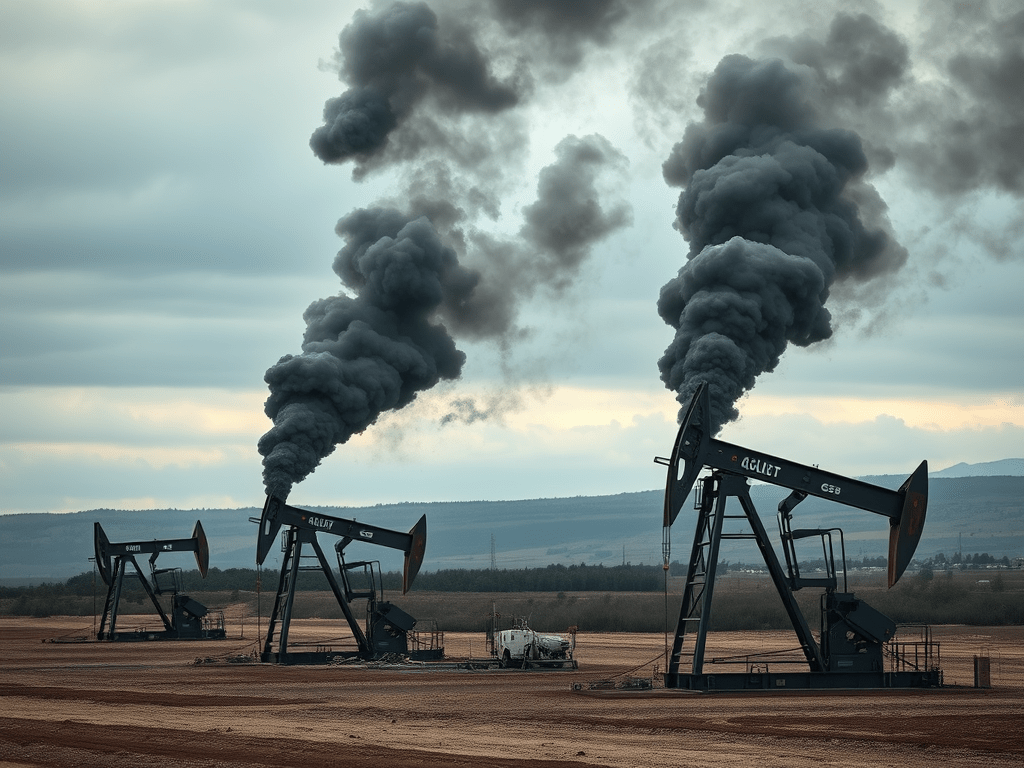
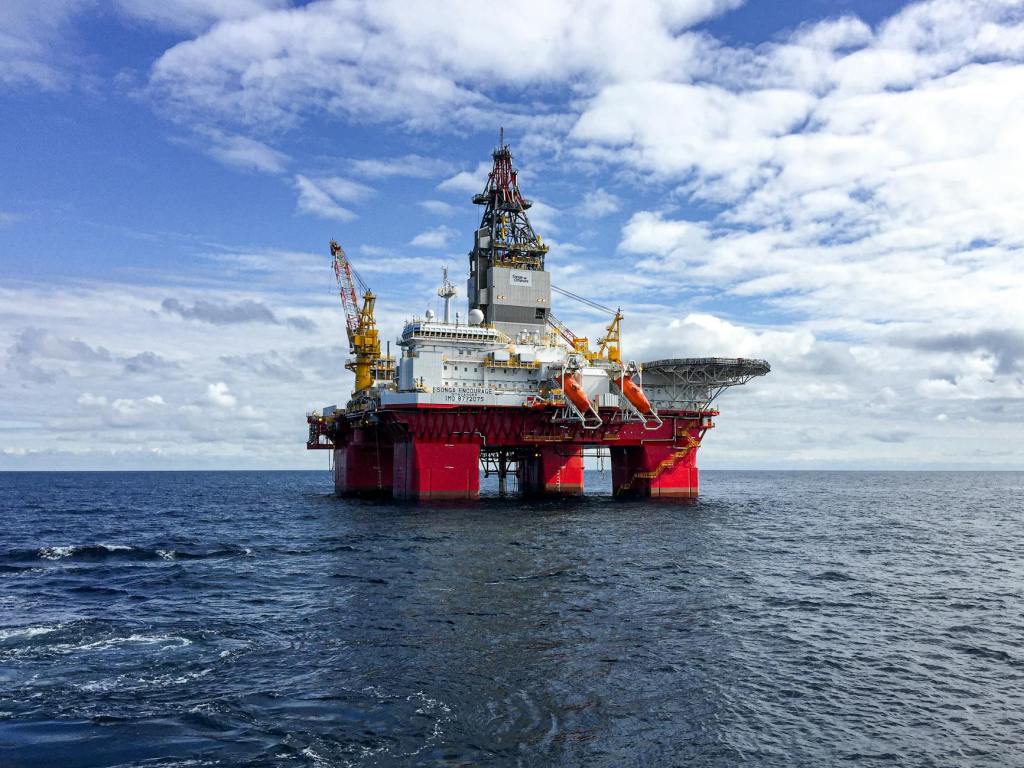
Now add something worse. All those grandchildren they sent off to University have come home to tell them that everything they believed in was wrong. That burning oil warms the planet to disastrous levels. [1] That vehicle emissions are a massive cause of mental and physical health disorders.[2] So are the plastics made from oils in abundance , which now pollute every imaginable stretch of sea air and land.[3] That, therefore, the whole cult of buying cars, comparing them, fiddling with them and collecting them turns out to have been as  deluded as say smoking tobacco ,drinking alcohol or keeping slaves.  That in effect, their whole lives have been a bit of a mistake That they now, with so little time left to enjoy , must give it all up.

It’s a big ask. Especially when incredibly rich industries run incredibly well funded political and media  campaigns to tell these same baby boomers that they not only can go on burning fossil fuels, they really ought to- must. Because only that way lies the road to a better yesterday when the world was young. And straight. And white. Here is the challenge facing all of us who call ourselves progressive or educated . We have no idea if we shall succeed We know we will need swimming lessons if we do not,

[1] Burning of fossil fuels – Understanding Global Change

[2] Air pollution and health risks due to vehicle traffic – PMC

[3] 5 Harmful Effects of Plastic on Human Health

(See also LSS 9 4 24;26 9 24; 20 9 25)

How Perovskite panels could save the planet

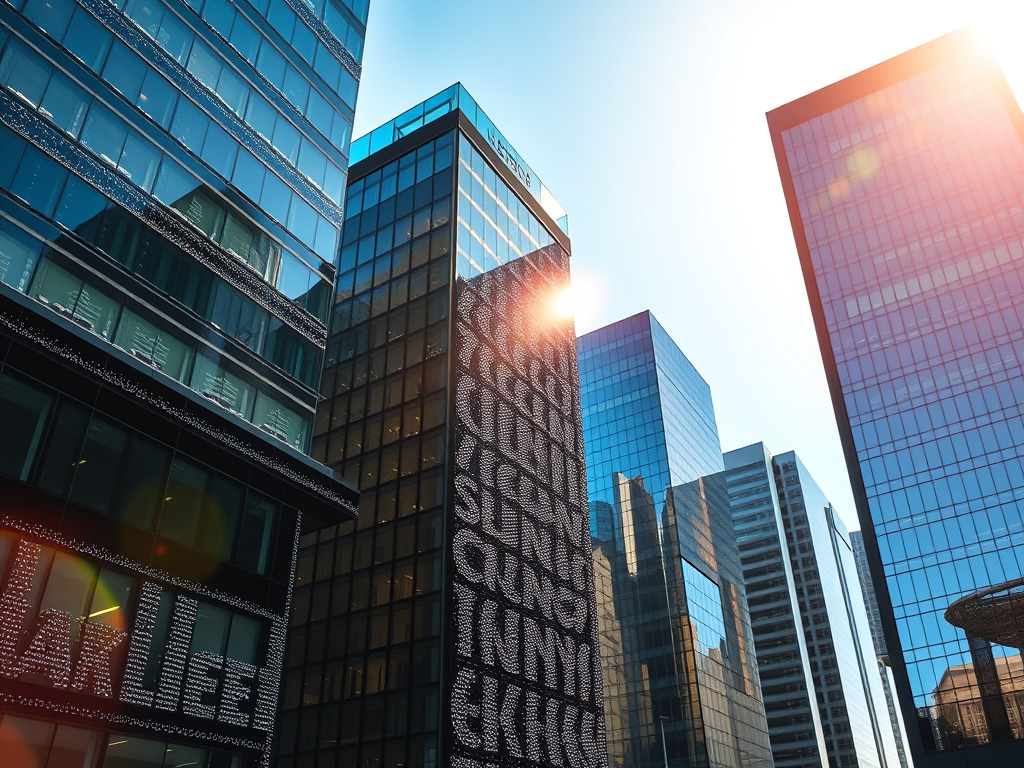
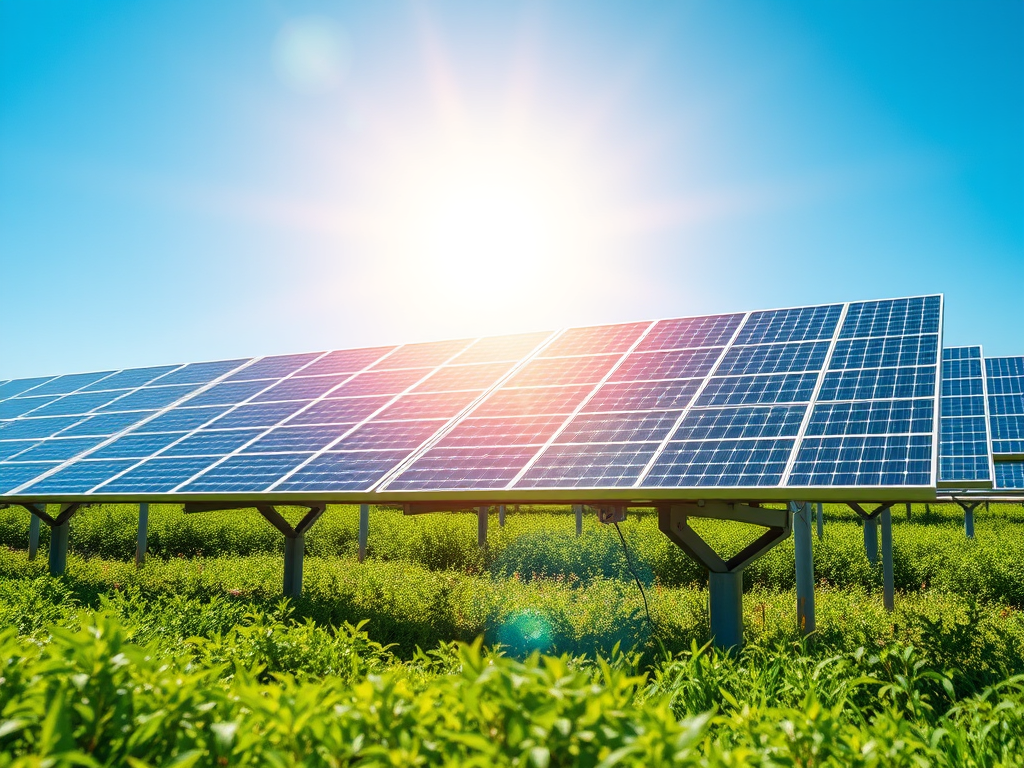
One of the joys of growing up in 1980s London was to witness how the grim concrete monoliths of the 1970s were slowly displaced by towers of glittering glass. Particularly in the City and Docklands, where money was no object. But there was one hidden problem: althoughthese buildings looked modern, they still consumed immense quantities of old fashioned coal and oil to heat, with fateful consequences for us all. Certainly, you can tack on solar panels here and there. But the aesthetics and very shape of the buildings mean that the power they throw out will not come within shouting distances of keeping these buildings’ inmates, healthy, wealthy and warm.

But what if you could turn all that glass itself into solar panels? What if every one of those magnificent windows was a brimming source of electricity, producing almost as many watts and amps and volts and electrons as a the real panel on your garage roof. Fortunately the City Solar Project has made just such a breakthrough We have lifted this tiny quote from a really upbeat article by Anthony Cuthbertson of the Independent, to give you an idea of the currents of excitement flowing around this project (oh, please!-ed)

By combining organic solar cells with the so-called “miracle material” perovskite, the scientists were able to achieve an efficiency of 12.3 per cent – close to that of commercial solar cells.[2]

Now, we’ve covered Perovskite a couple of times before on this blog (LSS 12 1 21;13 11 23) so many of you will know all there is to know about it: but we’ve put in a link for those who came to us late. The real point is not just that scientists and engineers are bringing us closer and closer to a cleaner, more sustainable world. It’s that those who say sustainable energy is not possible are starting to look very archaic indeed.

thanks to P Seymour

[1]https://www.independent.co.uk/tech/solar-panel-transparent-window-efficiency-record-b2721698.html

[2]https://en.wikipedia.org/wiki/Perovskite

#perovskite #solar panels #sustainable energy #global warming #work #architecture

Sustainable building materials? UK Hempcrete shows the way ahead

For those of us who spend our working lives worrying if the next generations will even survive, the global building and construction industry is a source of some angst. Yes, all those people have got to have places to live, and work, and to get cured of diseases caused by lack of antibiotics (LSS ad nauseam) The trouble with Construction is that it’s so eye-wateringly carbon expensive. Here’s one long fact for one short blog: if you add all their carbon costs together (resource extraction, transport, construction, demolition, recycling, plus cooking all those enormous English Breakfasts they all eat), it all adds up to a whopping 37% of global emissions. Any ideas?

One way ahead is to make the materials they use for things like floors, ceilings, walls and so on, a lot more planet- friendly. Which is why we want to showcase the work of a British firm called UK Hempcrete. [1]Hempcrete is an exciting new type of biocomposite made from the stalks of hemp plants, as well as more traditional materials such as lime and sands. [2] But the new mix carries two key advantages. Firstly , and unlike traditional building materials it actually acts as a sink for CO2 over the course of its use. Secondly, it’s hygroscopic, allowing for much better moisture balance in buildings made from it. Every year we burn billions of tonnes of fuels trying to keep our buildings warm and damp- free. This new material gets around that problem almost entirely. But you can read a lot more about this company and its subsidiaries from their website and our other links; they’re much better at it than we are.

And, as you’re asking, do we have an interest in this company? Financially, no-we’d never even heard of them, or hempcrete, until our researchers flagged them up this morning. But we do have an interest in survival. And long ago we decided that it would not come from making people more virtuous, but by setting up ways to let people make money from progress. Which is why we plug, shamelessly, the work of all sorts of companies here, from net zero aviation folk to Biotechnology enthusiasts in the heart of the Cambridge Science Park. (LSS passim) Of course we keep the usual media/PR links to these outfits when we’ve finished. But that’s more on your behalf, gentle readers, not ours. Any attempt to get our construction industry onto a more sustainable, cleaner and rational footing will always earn the support of this blog. Good luck, UK Hempcrete-and keep it coming.

[1]https://www.ukhempcrete.com/

[2]https://en.wikipedia.org/wiki/Hempcrete

[3]https://www.ukhempcrete.com/services/material-supply/

#global warming #carbon emissions #ukhempcrete #sustainability #consrtuction industry #building

Clean, Green Copper?

One of the downsides of making the change to a clean, renewable economy is the enormous cost of some of the technologies. And we are talking energy and pollution here, not money. It’s an uncomfortable truth which enemies of progress gleefully point out wherever and whenever they can. Take copper for example. It’s going to be central to any green ecosystem, showing up as vital component of anything and everything from electric cars to eco power plants. But, as the superlative Robin McKie of the Guardian points out, mining it demands enormous quantities of energy. As for the waste left behind- we almost dare not think.

Yet Robin is nothing if not hopeful . In this article he reviews a whole set of hopeful new technologies which are designed to find cleaner, more sustainable ways of pulling out this vital metal. Demands of brevity force us to extract only one(no pun intended) as it fits with the vaguely biological ambience of this blog

 a company, RemePhy, has been started by Imperial PhD students Franklin Keck and Ion Ioannou……They have used GM technology to develop plant-bacterial systems that have an enhanced ability to extract metal from the soil. “Essentially, you will be able to grow these crops on land contaminated by waste left over from the mining of metals such as copper, and they will extract that metal,” (explainer-London’s Imperial College is nurturing many of these initiatives-ed)

The oldest trope on this blog is our admiration for when clever people tweak existing ideas and suddenly do something really useful in a new und unexpected way. Imagine the strategic benefits to a country that not only supplies itself with copper, but cleans itself up as it goes along. The benefits of Science and Reason, we suppose?

[1]tps://www.theguardian.com/global/2025/mar/02/copper-scientists-london-energy-electrical

#copper #metals #mining #pollution #imperial college #renewables #clean energy

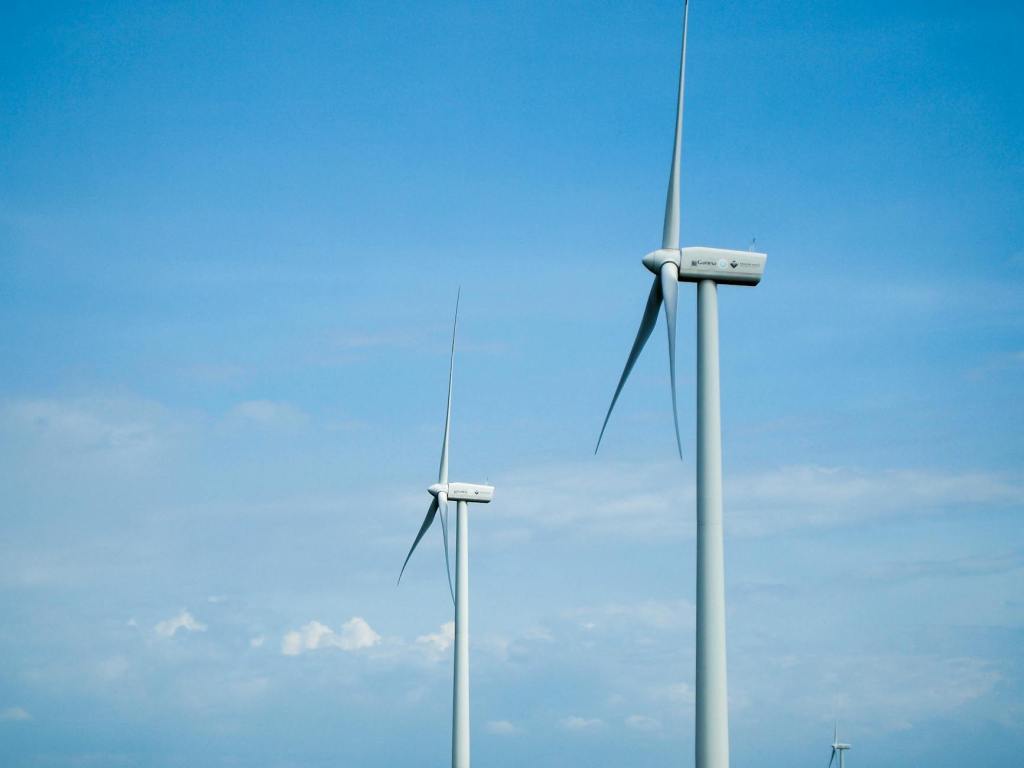
Offshore wind: a rare success for the Tories

Bertrand Russell always counselled : “don’t be so keen to diss the other guy. Much of the time you will be less right, and he less wrong, than you imagine.” That is the rough gist of what he said and we have alluded to it before in these pages. Nowhere have we seen the doctrine better echoed than in an article by Professor Rebecca Willis (Guardian 20 June 2024).[1]For when historians come to write the history of the Government first elected in 2010, they will do well to consult her piece.

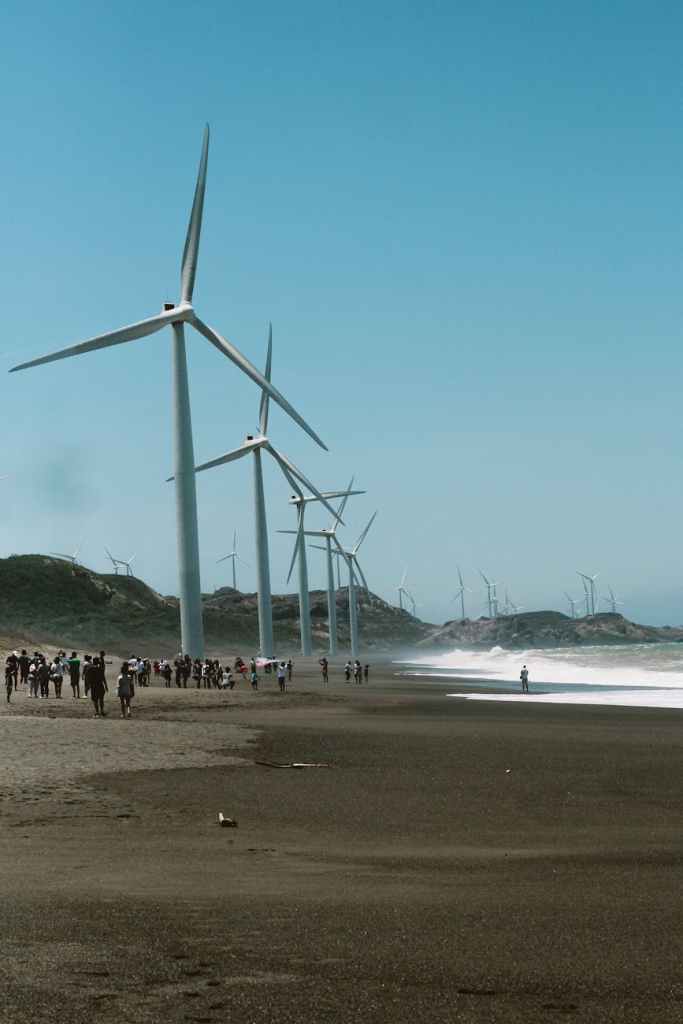
Professor Willis is clear: the UK is the number two superpower in turbine energy generation. Second only in fact to the Peoples’ Republic of China, a somewhat larger political entity. How was this done? Rebecca tells us:

growth in offshore wind can be traced back to a 2014 decision to establish a new support mechanism for low-carbon generation. ……..;.;. it guarantees a set price for units of electricity. If the market price falls below the set price, the generator receives a top-up payment. If the market price rises above the set price, the generator pays back the difference.

It essentially stabilises the market and provides certainty for power generators, making it worth their while to invest for the long term. As a result of this and similar policies, the cost of offshore wind in Europe has fallen by 60% over the past decade, to become a cheap source of electricity.

They had a plan. They aligned it with economics. The result was not only a boost for manufacturing, but a strategic success , as was shown when Russia invaded Ukraine in 2022 and gas prices skyrocketed. But even this far sighted achievement was badly compromised, as Rebecca explains:

But then Tory politicians began to listen to siren voices from a small but powerful anti-net-zero lobby, funded by dark money from fossil-fuel companies

Now certain oily politicians are pushing back on net zero itself, as if ignoring reality will somehow make it all more bearable. And they are full of venom to towards those who disagree. Our view at LSS is that of Russell. You can’t like everyone; but try to be polite. You never know from what corner salvation is going to come. Even the Conservative Party.

[1]https://www.theguardian.com/commentisfree/article/2024/jun/20/tories-green-legacy-labour-government-climate-green-energy-uk-offshore-wind

#wind turbines #oil money #net zero #renewables #climate change #global warming

Will multicoloured hydrogen save the world?

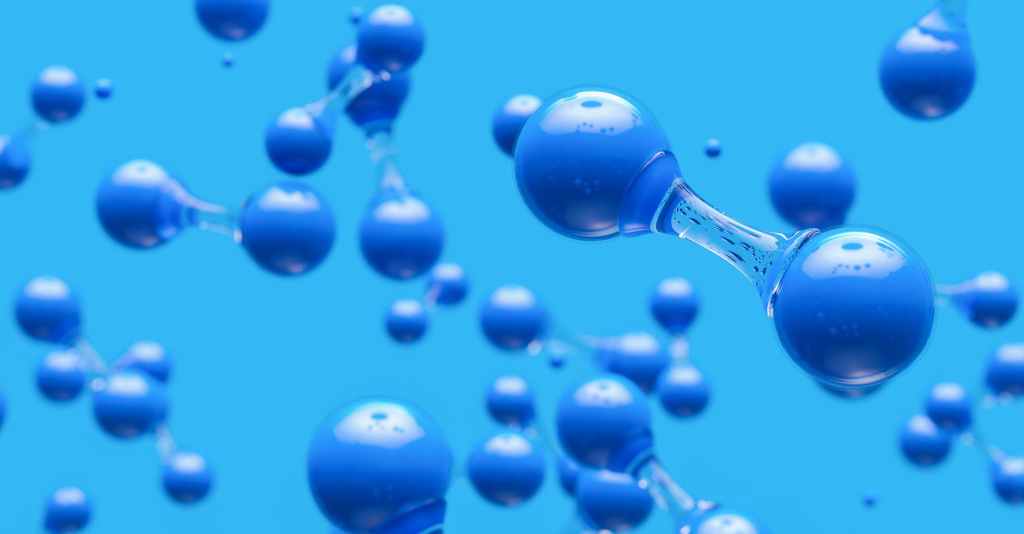
When we were young, hydrogen came in one colour-and you couldn’t see it. It was a just a load of bubbles the Teacher made in the chemistry lab. Fast forward fifty years, and it seems to come in a baffling spectrum of colours. There’s Green, pink, grey, gold, blue, black, brown and turquoise. [1] This handy guide from the National Grid will take you further. They’re all different industry nicknames where the stuff comes from. Just to confuse matters, different people seem to use the same nicknames to mean different things. But underneath all this lies one simple truth-hydrogen gas could represent a useful path to a sustainable future, and still enjoy what might pass for a tolerable lifestyle.

For reasons of space, we’ll concentrate on one exciting sounding candidate which insiders dub Gold hydrogen. The redoubtably named International Electrotechnical Commission waxes rather lyrical about it here [2] It’s a reputable outfit, and there are some good links for those with the coffee time to delve a little further. But-all that glistens is not gold, as Shakespeare once memorably observed. Writing in The Conversation, David Waltham produces a thoughtful balance sheet of the pros and cons of Gold Hydrogen (bewilderingly, his definition of it is a bit different to the IEC’s) He is far from anti; but this well-expressed caveat is well worth bearing in mind

The big question, though, is how seriously to take gold hydrogen. Will it turn out to be an over-hyped distraction of very limited utility? Or will it provide a pain-free path into a low-carbon future? The truth probably lies between these extremes, but only time (and further research) will tell us.

Well said Professor Waltham. That’s how LSS thinks. On just about everything.

[1]https://www.nationalgrid.com/stories/energy-explained/hydrogen-colour-spectrum#:~:text=Green%20hydrogen%2C%20blue%20hydrogen%2C%20brown%20hydrogen

[2]https://www.iec.ch/blog/could-white-and-gold-hydrogen-be-clean-fuel-options#:~:text=By%20contrast%20white%20hydrogen%20refers,conventional%20ways%20of%2

[3]https://theconversation.com/gold-hydrogen-natural-deposits-are-turning-up-all-over-the-world-but-how-useful-is-it-in-our-move-away-from-fossil-fuels-220230

#hydrogen fuel #fuel cell #green hydrogen #gold hydrogen #sustainable #global warming #climate change